

19th Century Miniature Chest
A 19th century miniature chest brings domestic scale and fine cabinetmaking together in a compact tabletop form.
19th Century Miniature Chest
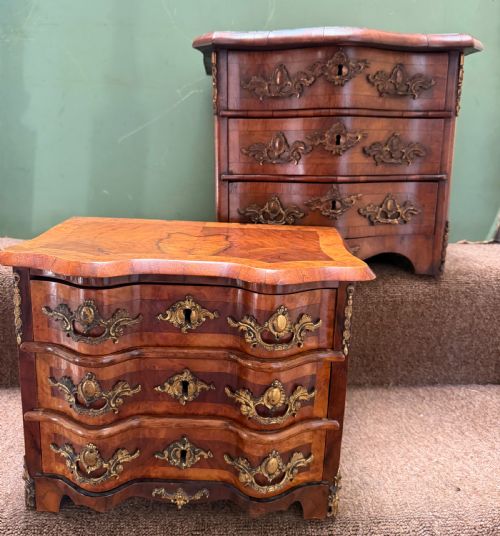
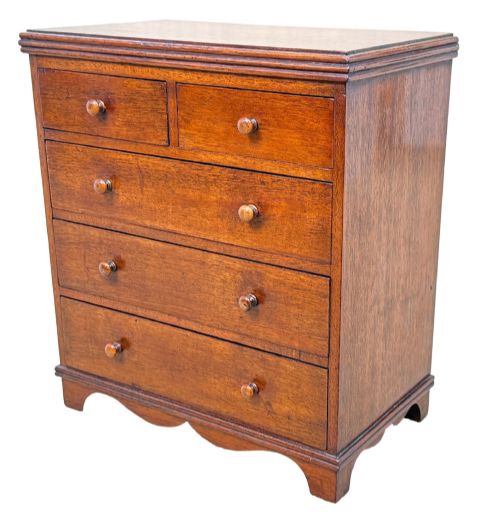
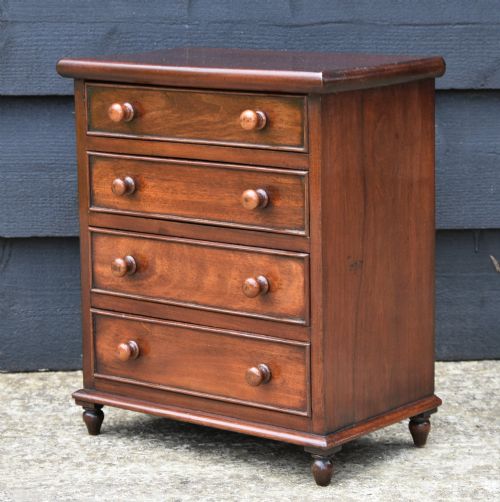
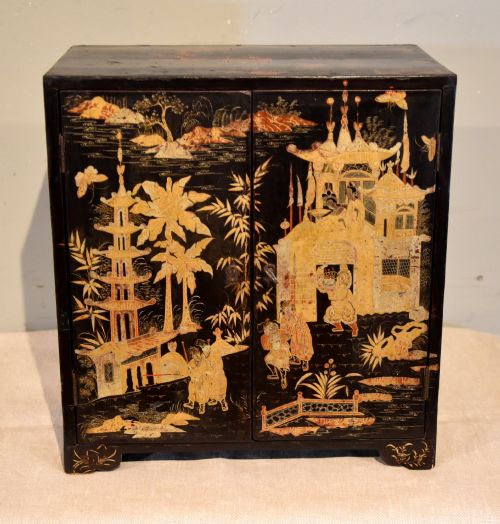
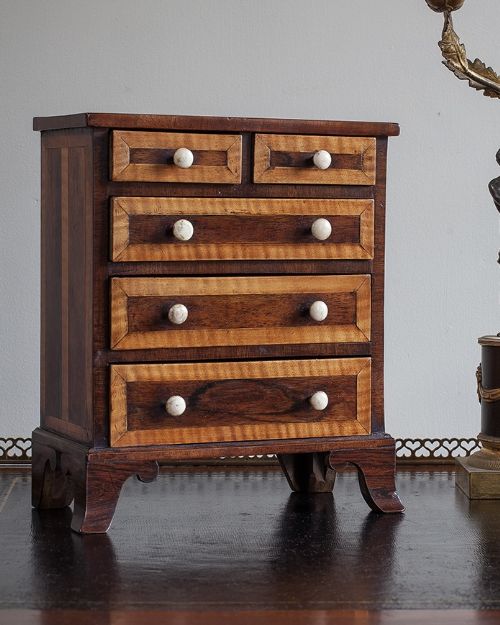
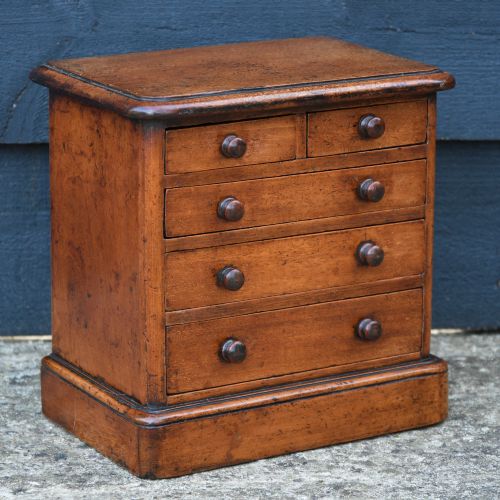
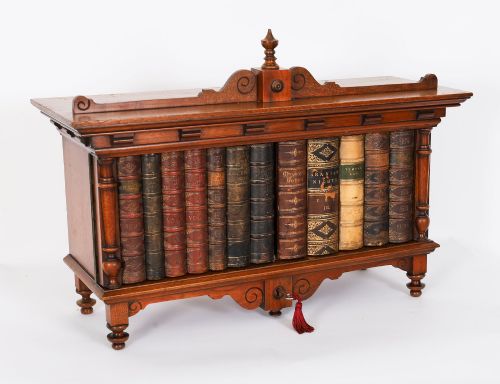
A 19th century miniature chest is a small-scale drawer unit produced during the 1800s, often functioning as an apprentice piece or a specialised tabletop cabinet. These items mirror the full-sized furniture of the Georgian, Regency, and Victorian periods, offering multiple small drawers for valuables, specimens, or trinkets.
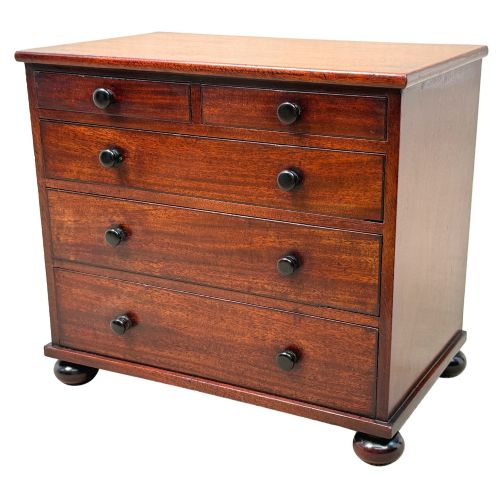
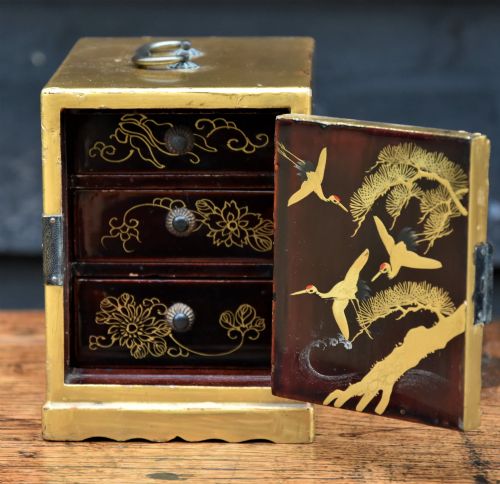
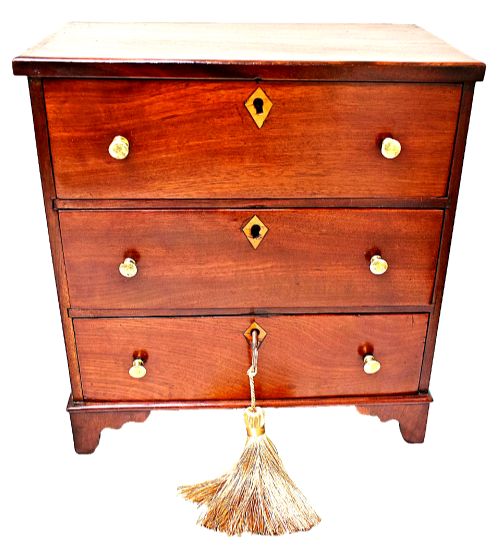
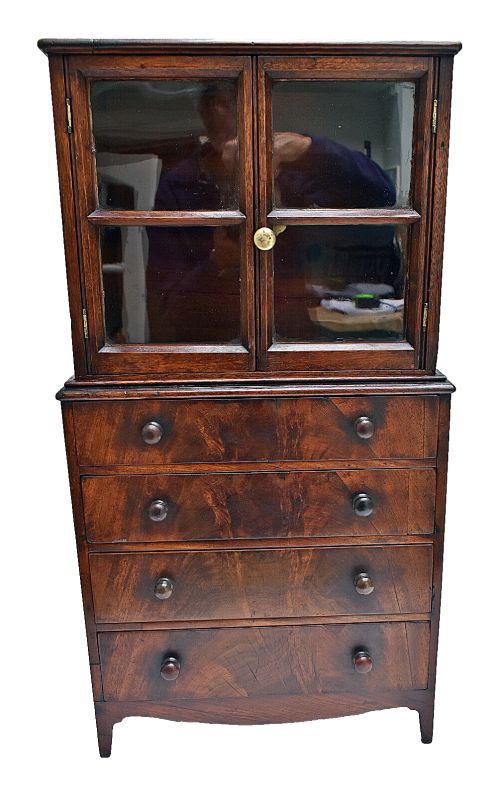
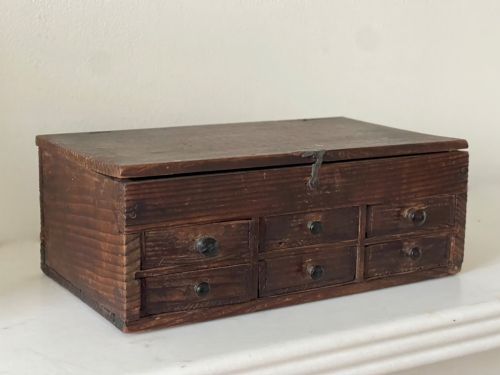
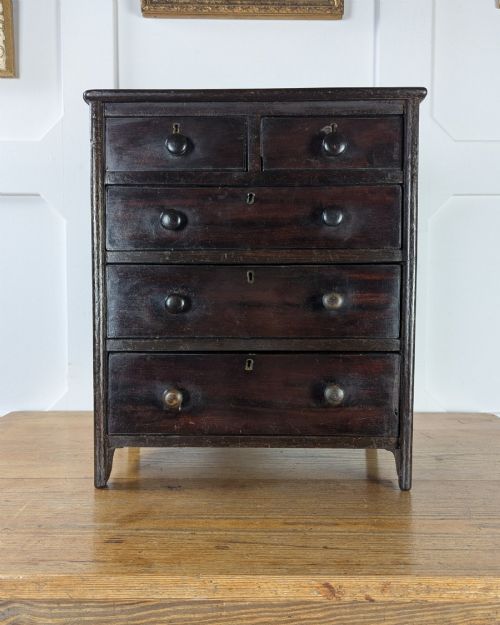
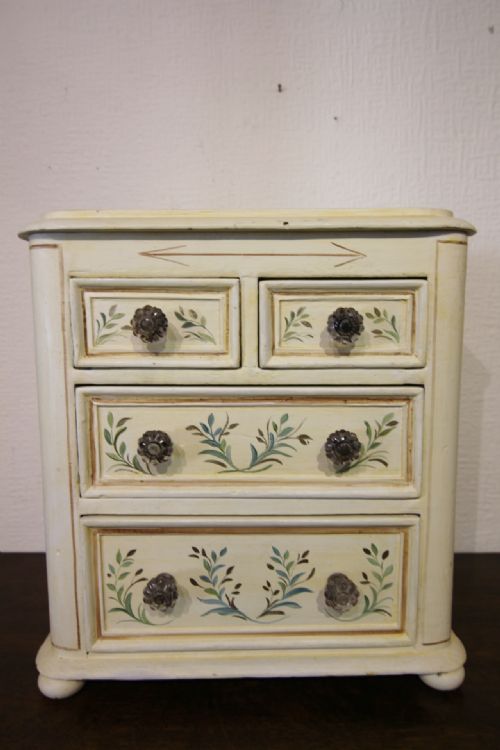
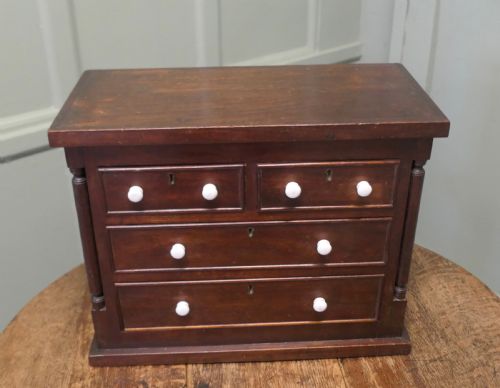
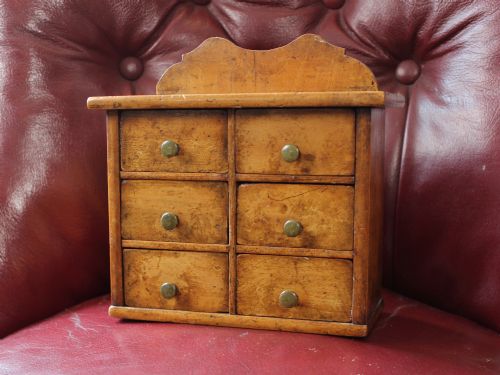
The most common examples encountered on this page are mahogany chests of drawers with small turning feet and brass pulls. Alongside these traditional drawer forms, collectors also find specialised tabletop units such as Wellington chests, spice drawers, and glazed collectors cabinets.
How they were made
Cabinetmakers constructed these small chests using dense hardwoods like mahogany, walnut, and fruitwood, often supported by secondary pine or oak for drawer linings. Timber selection dictated the visual weight, allowing makers to apply fine mahogany veneers or burr walnut surfaces across the primary facades.
Joinery remained true to full-sized cabinet standards, utilising hand-cut dovetails for drawer construction and precise mortise and tenon frames. Details such as mother-of-pearl inlay, brass escutcheons, and turned wooden knobs finished the exterior surfaces.
19th Century Miniature Chest Retail Price Guide 2026
Typical asking prices for 19th century miniature chest among the pieces listed under this phrase on Sellingantiques today, from the lower quarter to the upper quarter. They describe what is for sale here now, not the wider market.
Several miniature chests incorporate hidden secret drawers designed to outsmart prying eyes.
What varies in quality
Proportion and fidelity to period furniture dictate the tier of a piece, separating convincing scaled replicas from crude adaptations. Skilled makers maintained correct architectural ratios and timber grain alignment even at a reduced scale.
Surface preservation and original hardware elevate the standing of a miniature. Pieces retaining untouched timber patination, authentic brass turnings, and functioning locks demonstrate superior original craftsmanship.
The 19th Century Miniature Chest Glossary
- Apprentice piece
- A small-scale furniture example created by a journeyman to demonstrate mastery of trade skills. These items showcase the full range of cabinetmaking techniques on a compact format.
- Wellington chest
- A tall, narrow drawer unit secured by a hinged locking side stile that fastens over the drawer edges. This form originated in the nineteenth century for secure personal storage.
- Bowfront
- A curved convex cabinet front that swells outward toward the viewer. This shaping requires expert timber bending or segmental sawing.
- Collectors cabinet
- A tabletop cabinet fitted with numerous shallow drawers designed for organising natural history specimens, coins, or medals. Interiors often feature glass tops or velvet linings.
19th Century Miniature Chest: Frequently Asked Questions
What were 19th century miniature chests used for?
These small chests served multiple purposes in the nineteenth century, ranging from salesman samples and journeyman demonstration pieces to personal storage for jewellery and sewing tools.
Many were also built specifically as tabletop collectors cabinets to house small specimens, coins, or precious trinkets.
How do I date a miniature chest?
Dating relies on identifying the prevailing furniture styles, secondary timber choices, and construction methods visible in the drawers. Regency examples often feature different brass hardware and veneer patterns compared to later Victorian pieces.
Examining the dovetailing and internal timber oxidation helps confirm whether a piece belongs to the early or late nineteenth century.
Where should I place a miniature chest at home?
Because of their compact proportions, these chests sit comfortably on top of sideboards, desks, or chest of drawers. They provide practical enclosed storage for modern trinkets while adding period character to a tabletop.
Keep them away from direct heat sources and strong sunlight to protect the fragile nineteenth-century timber veneers.