



Antique Trinket Drawers
Antique trinket drawers are small storage chests and miniature case pieces designed to hold personal valuables, and choosing one brings historical craftsmanship directly to a dressing surface.
Antique Trinket Drawers
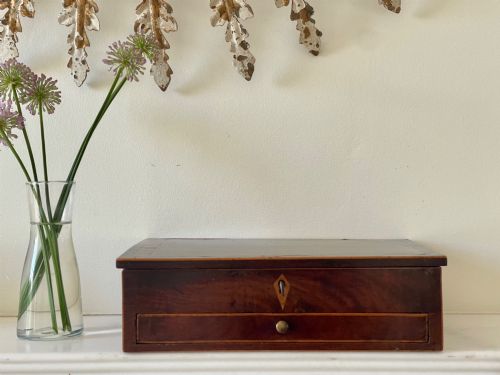
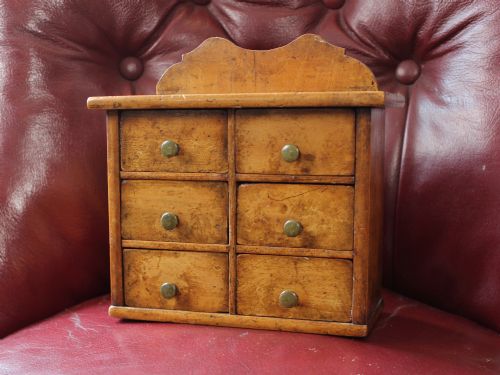
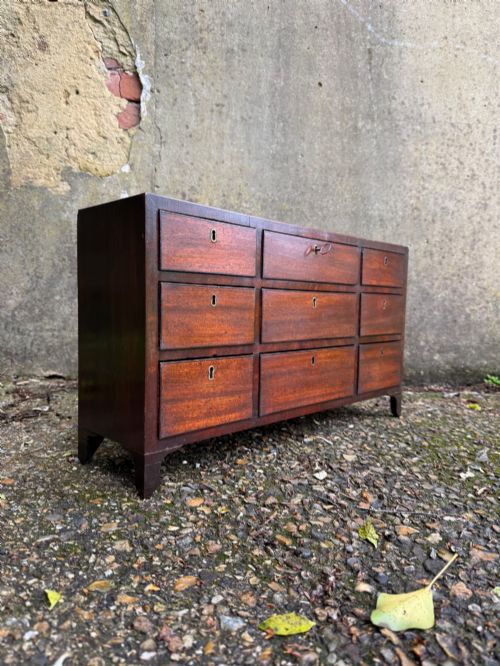
When you search for antique trinket drawers, you encounter a varied selection of diminutive furniture forms created for intimate storage. The pieces meeting this description span miniature chests of drawers, jewellery boxes, spice drawers, and small tabletop cabinets originating from past centuries.
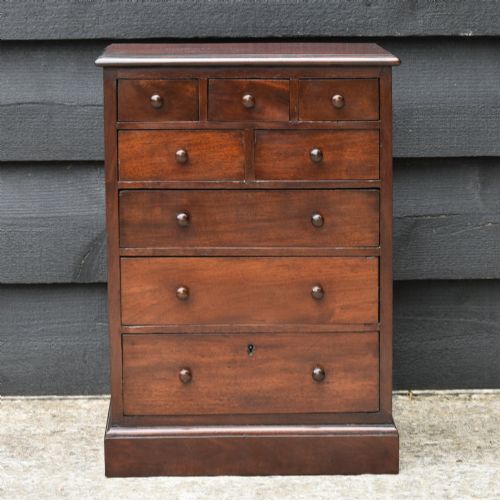
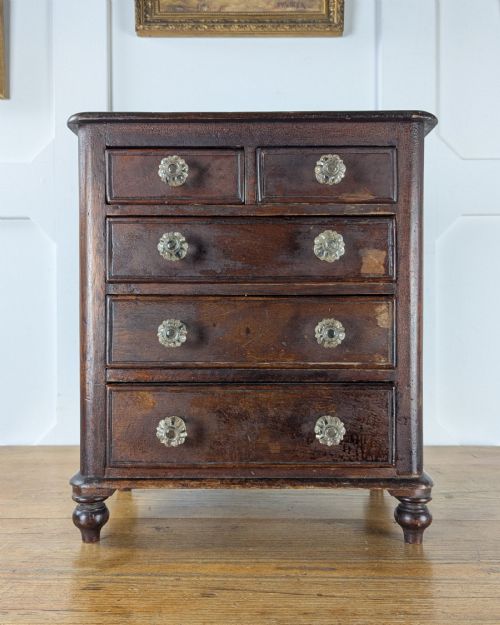
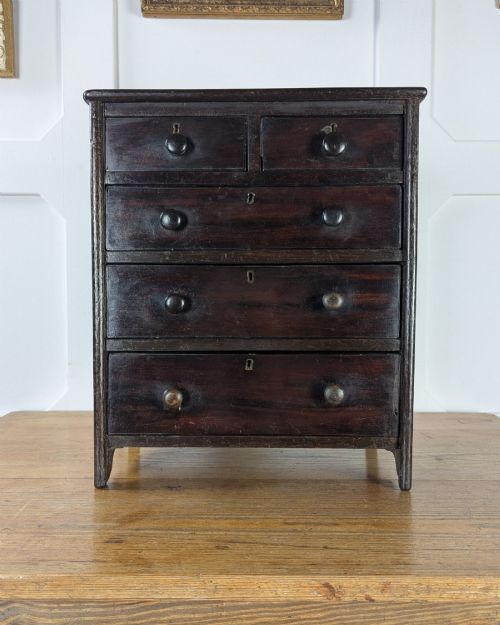
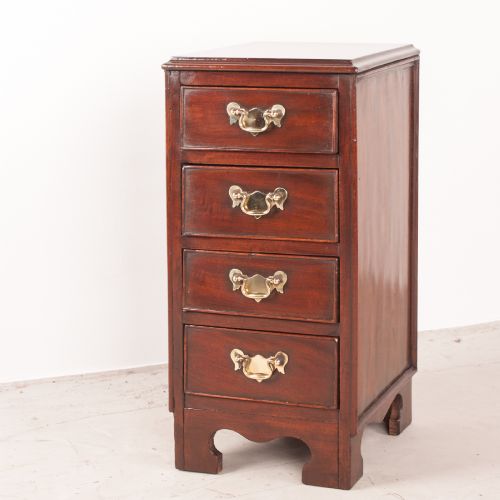
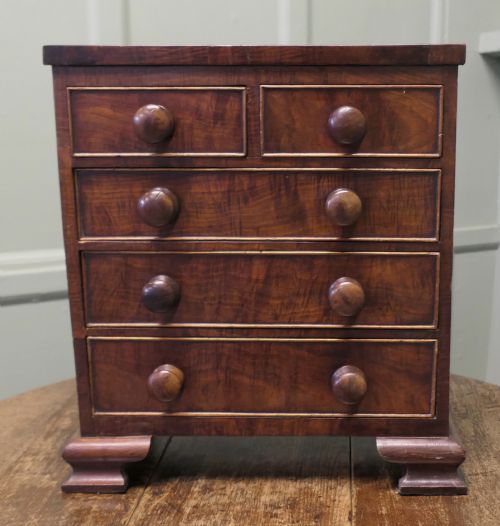
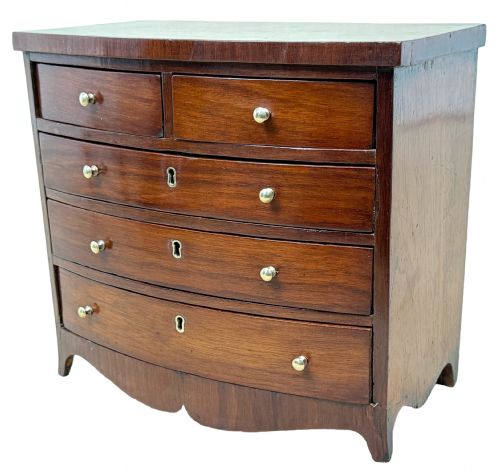
The most common versions on this page are Victorian and Georgian mahogany miniature chests of drawers, often referred to as apprentice pieces. These items emulate full-sized case furniture in precise miniature scale, alongside alternative formats like Edwardian dressing tables and inlaid collector chests.
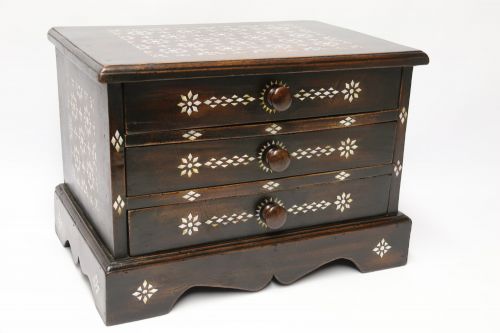
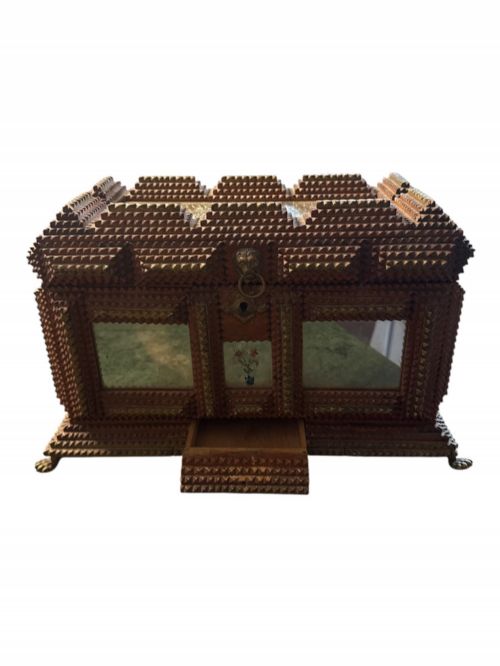
Origins represented in the inventory extend across British regional workshops and international sources, including Anglo-Indian and Japanese examples. Forms range from straight-fronted chests to bowfront designs, alongside specialised storage items such as tramp art boxes and fruitwood spice drawers.
Materials and construction
Cabinetmakers constructed these miniature pieces predominantly using timbers such as mahogany, oak, walnut, pine, and fruitwood. Selected show woods often featured decorative veneers including flame mahogany, amb adecuada, and burr walnut to enhance the visual grain.
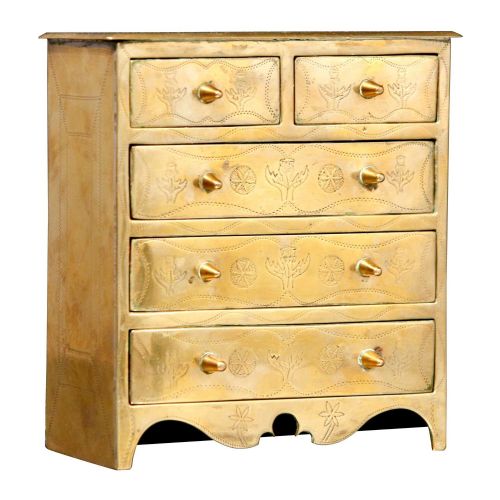
Joinery techniques mirrored those utilised in full-scale furniture production, executed in miniature by skilled hands. Artisans incorporated details like turned feet, brass hardware, mother-of-pearl inlay, and engraved metalwork to finish the small drawers and boxes.
Separating the ordinary from the exceptional
Quality in these small pieces rests on the fidelity of the miniature proportions and the precision of the joinery. Superior examples display tight dovetailing, well-fitted drawer runners, and thoughtful timber selection that remains stable over centuries.
Surface finish and patination largely dictate the distinction at the upper end of the scale. Pieces possessing undisturbed historical finishes, rich natural colour in the wood, and crisp original details outclass later restorations or heavily refinished items.
The Antique Trinket Drawers Glossary
- Apprentice piece
- A small-scale model demonstrating a craftsman's skill to attain master status within a trade guild. These items show the same construction standards as full-sized furniture.
- Bowfront
- A curved front cabinet shape popular during the Georgian and Victorian eras. The convex contour requires advanced woodworking precision.
- Flame mahogany
- A highly figured timber veneer displaying a flickering, flame-like grain pattern. Cabinetmakers reserved this material for the primary facades of superior furniture.
- Tramp art
- Decorative woodwork carved using simple pocket knives from discarded wood and packing crates. Pieces typically feature layered, chip-carved geometric patterns.
- Coffor bach
- A small Welsh coffer or chest traditionally used to store valuables and linens. These miniature oak chests date back to the eighteenth century.
Antique Trinket Drawers: Frequently Asked Questions
What were antique trinket drawers used for?
These small chests and boxes provided secure storage for personal valuables, jewellery, sewing implements, and small keepsakes. They sat upon dressing tables, sideboards, or desks in domestic interiors.
Their diminutive size kept precious items organised and close at hand before fitted modern bedroom furniture became standard in homes.
How do I date a miniature chest?
Dating relies on identifying the primary wood species, construction methods, hardware, and prevailing stylistic periods. Georgian pieces typically show simpler lines and native hardwoods, while Victorian examples often feature mahogany veneers and turned feet.
Secondary woods inside the drawers and the type of fixings used also provide reliable chronological markers for the era of manufacture.
How do I care for wood trinket drawers?
Protect the timber by keeping pieces out of direct sunlight and away from rapid temperature shifts caused by radiators. This prevents the wood veneers from drying, splitting, or lifting.
Apply a traditional wax polish occasionally to nourish the surface and maintain the natural patina built up over generations of handling.