




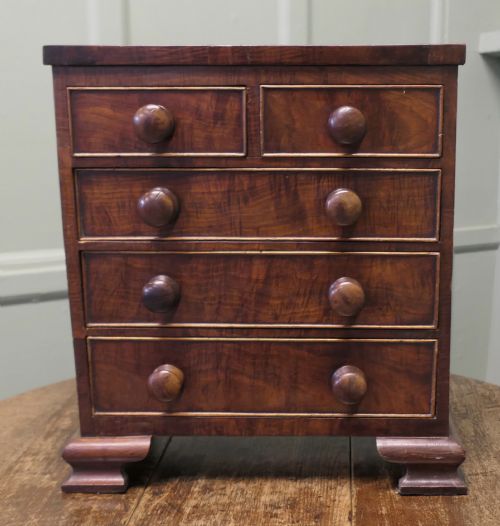
Miniature Mahogany Cabinet
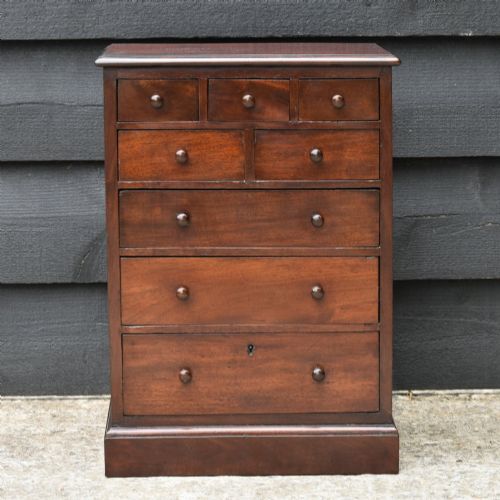
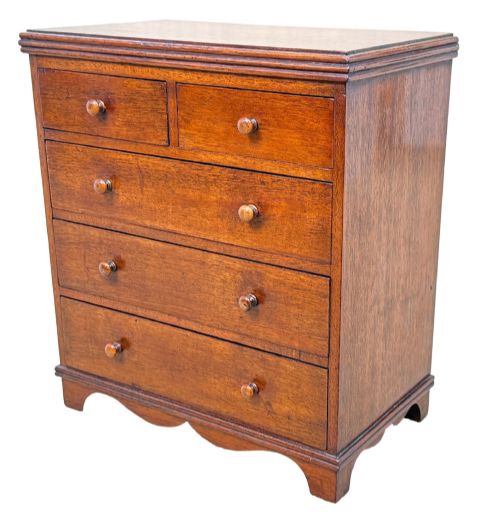
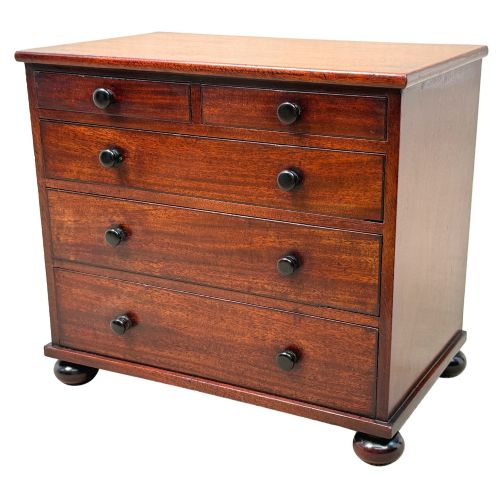
A miniature mahogany cabinet condenses the presence of full-scale furniture into tabletop scale, offering neat compartment storage for the collector.
Miniature Mahogany Cabinet
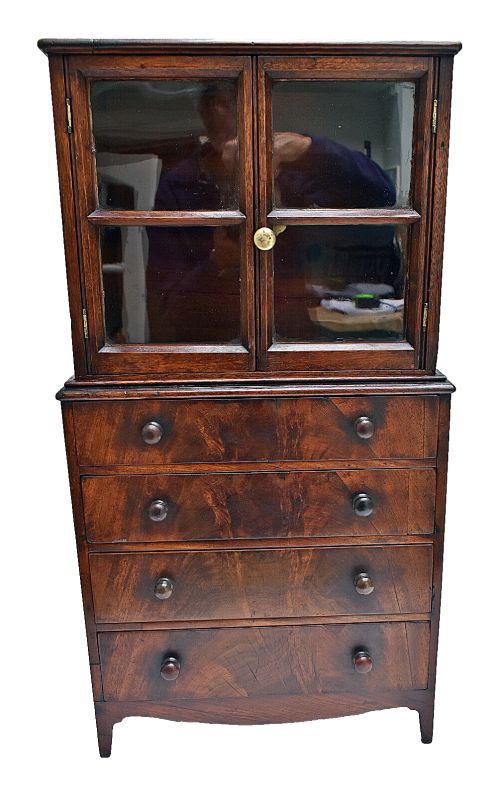
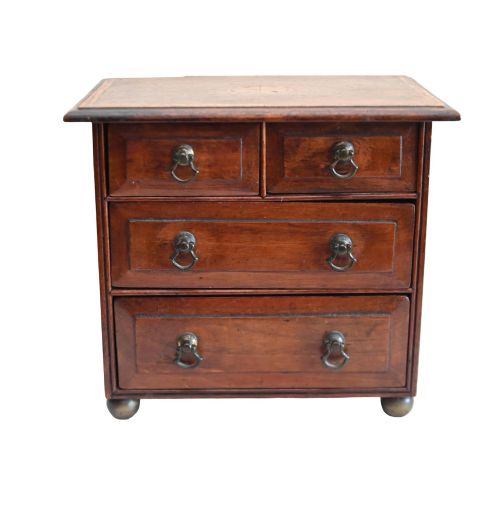
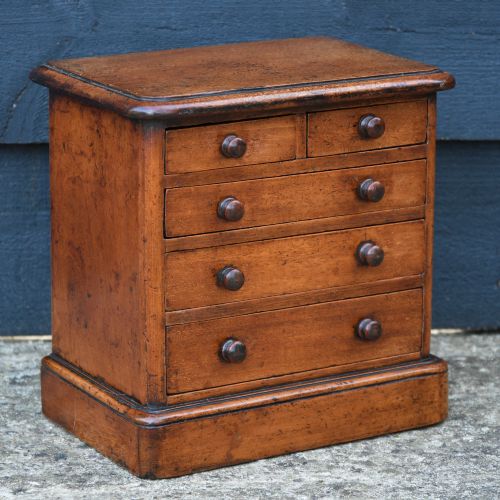
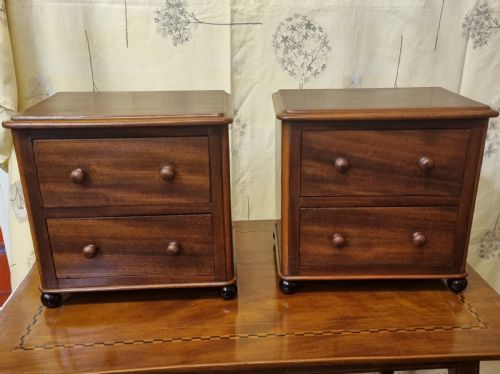
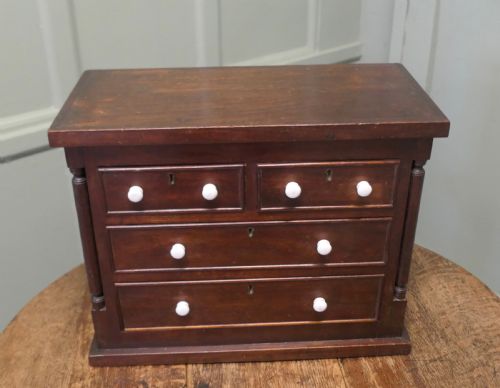
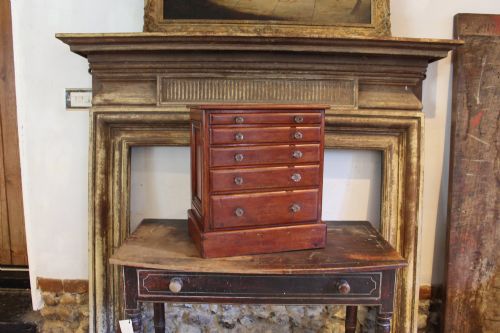
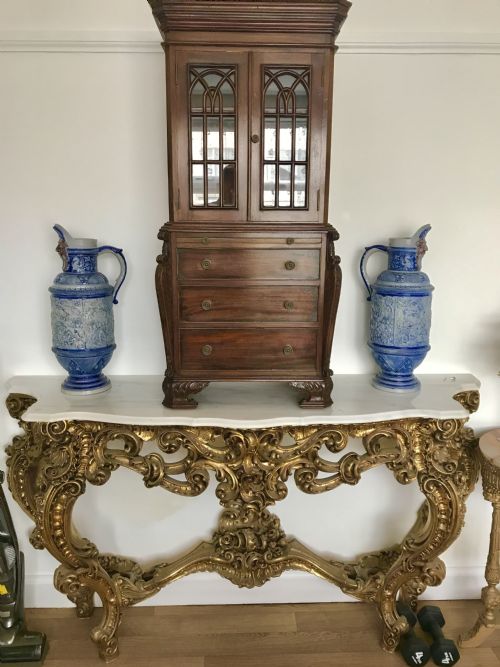
A miniature mahogany cabinet encompasses tabletop furniture types such as chests of drawers, bureau bookcases, corner cupboards, sideboards, and vitrines. These smaller works surface from the nineteenth century, including the Victorian period and specific dates like eighteen-sixty and nineteen-ten, alongside Georgian style and Regency revivals.
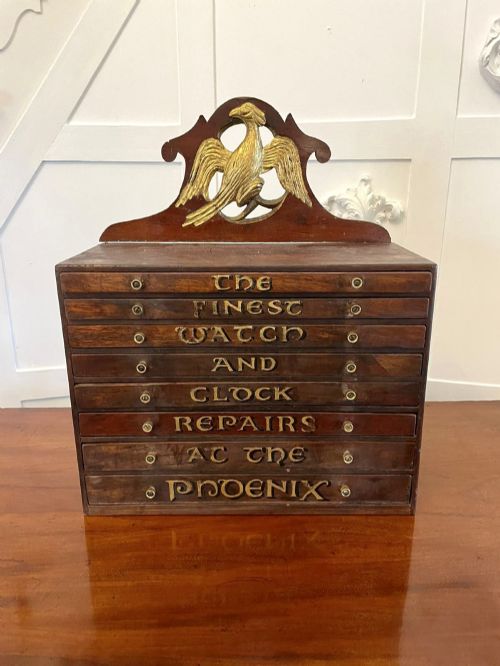
The buyer most frequently meets apprentice pieces and tabletop collectors cabinets. These formats range from small drawer chests and side cabinets to corner cabinets and glazed display cases constructed in reduced dimensions.
Materials and construction
Makers built these pieces primarily using mahogany timber, occasionally incorporating boxwood for detail and brass for hardware such as handles and escutcheons. Glazed doors utilise glass panels set within timber frames to showcase internal shelving or contents.
Surface finishes include French polishing, while decorative elements employ wood inlay techniques. Structural forms adapt standard cabinet-making methods down to a fraction of full scale, as seen in reduced bureau bookcases and miniature Wellington chests.
Miniature Mahogany Cabinet Retail Price Guide 2026
Typical asking prices for miniature mahogany cabinet among the pieces listed under this phrase on Sellingantiques today, from the lower quarter to the upper quarter. They describe what is for sale here now, not the wider market.
The site records show miniature mahogany cabinets spanning the nineteenth century, Victorian era, and Edwardian period, alongside Georgian and Regency styles.
Distinctions in craftsmanship
Quality rests upon the fidelity of the reduction and the precision of the joinery at a small scale. Pieces demonstrating fine boxwood inlay, well-fitted brass hardware, and carefully executed French polish stand apart from simpler iterations.
Proportion and the handling of timber grain determine the visual success of the piece. Finer examples maintain the structural logic of full-sized furniture while executing miniature drawers and doors with absolute tightness.
The Miniature Mahogany Cabinet Glossary
- Apprentice piece
- A small-scale item demonstrated to a guild to prove a woodworker's mastery of full-scale techniques. These objects test precision in miniature joints and timber selection.
- French polish
- A shellac finish applied with a rubber pad to produce a high gloss with deep chatoyancy. This technique highlights the grain of mahogany surfaces.
- Vitrine
- A glass-fronted display cabinet designed to show small collections or trinkets. These pieces protect delicate items behind glazed doors.
- Wellington chest
- A tall, narrow chest of drawers secured by a hinged locking stile on one side. Miniature versions adapt this robust locking mechanism for small valuables.
Miniature Mahogany Cabinet: Frequently Asked Questions
What were miniature cabinets used for?
These pieces served multiple functions, from holding jewellery and trinkets on a tabletop to displaying small collections behind glass doors.
Some smaller works functioned as salesman samples or apprentice demonstrations to prove woodworking skill without using full room space.
How do I date a miniature cabinet?
Dating relies on timber choice, hardware style, and construction methods that align with nineteenth-century Victorian or Regency periods.
Comparing the secondary woods, dovetails, and surface finishes against dated examples provides a reliable window of origin.
Where should I place one at home?
A miniature cabinet suits placement on desks, chests of drawers, or dedicated display tables where the details remain visible at eye level.
Because of their small footprints, they fit into corners or onto sideboards without dominating a room.