




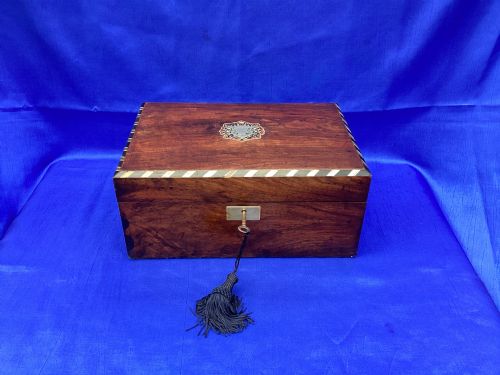
Victorian Wooden Trinket Box
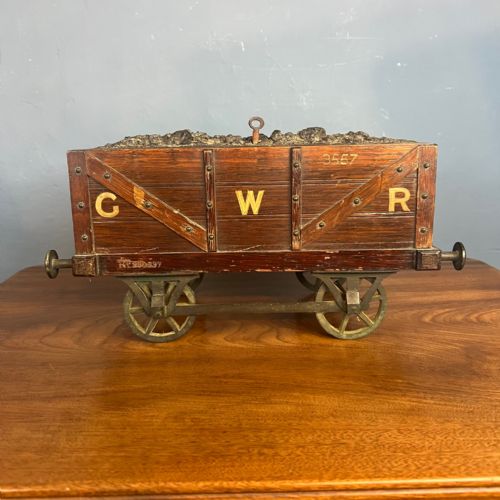
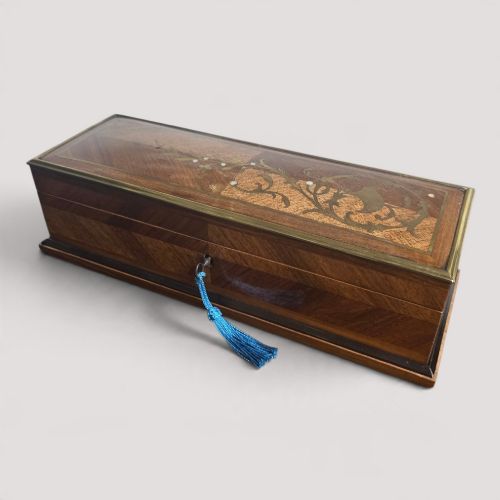
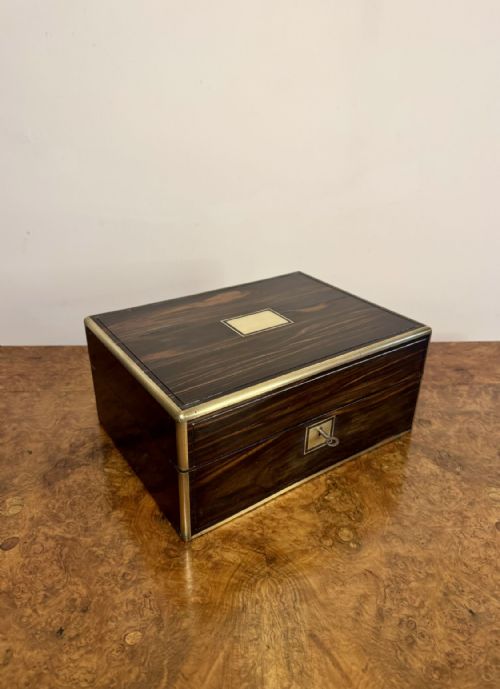
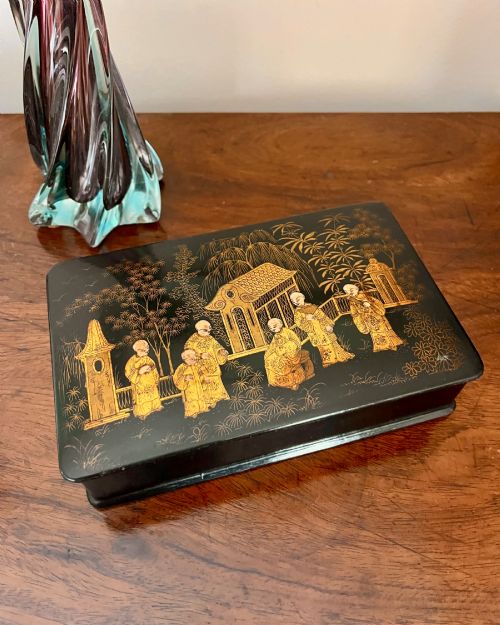
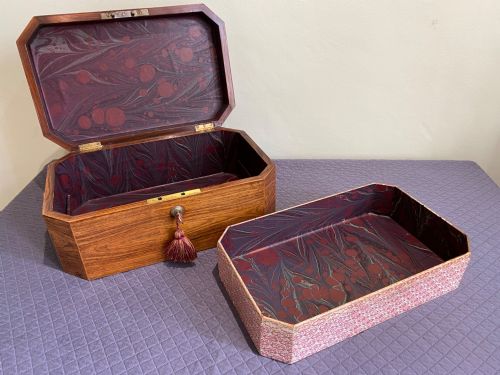
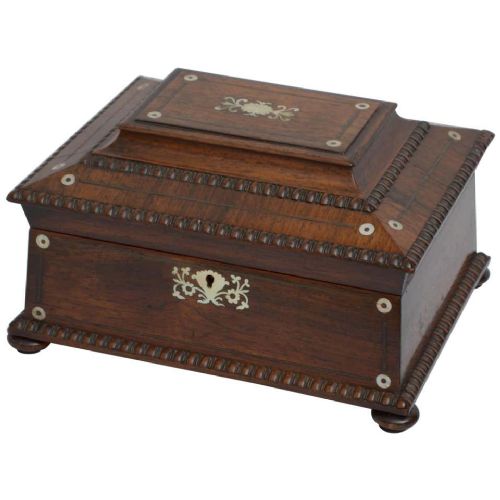
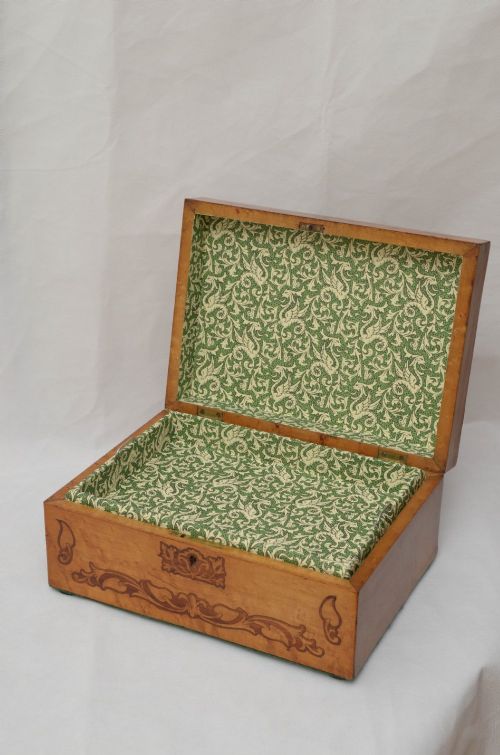
These Victorian wooden trinket box examples offer compact storage for keepsakes, utilising rich hardwoods and intricate inlays made to sit on dressing tables.
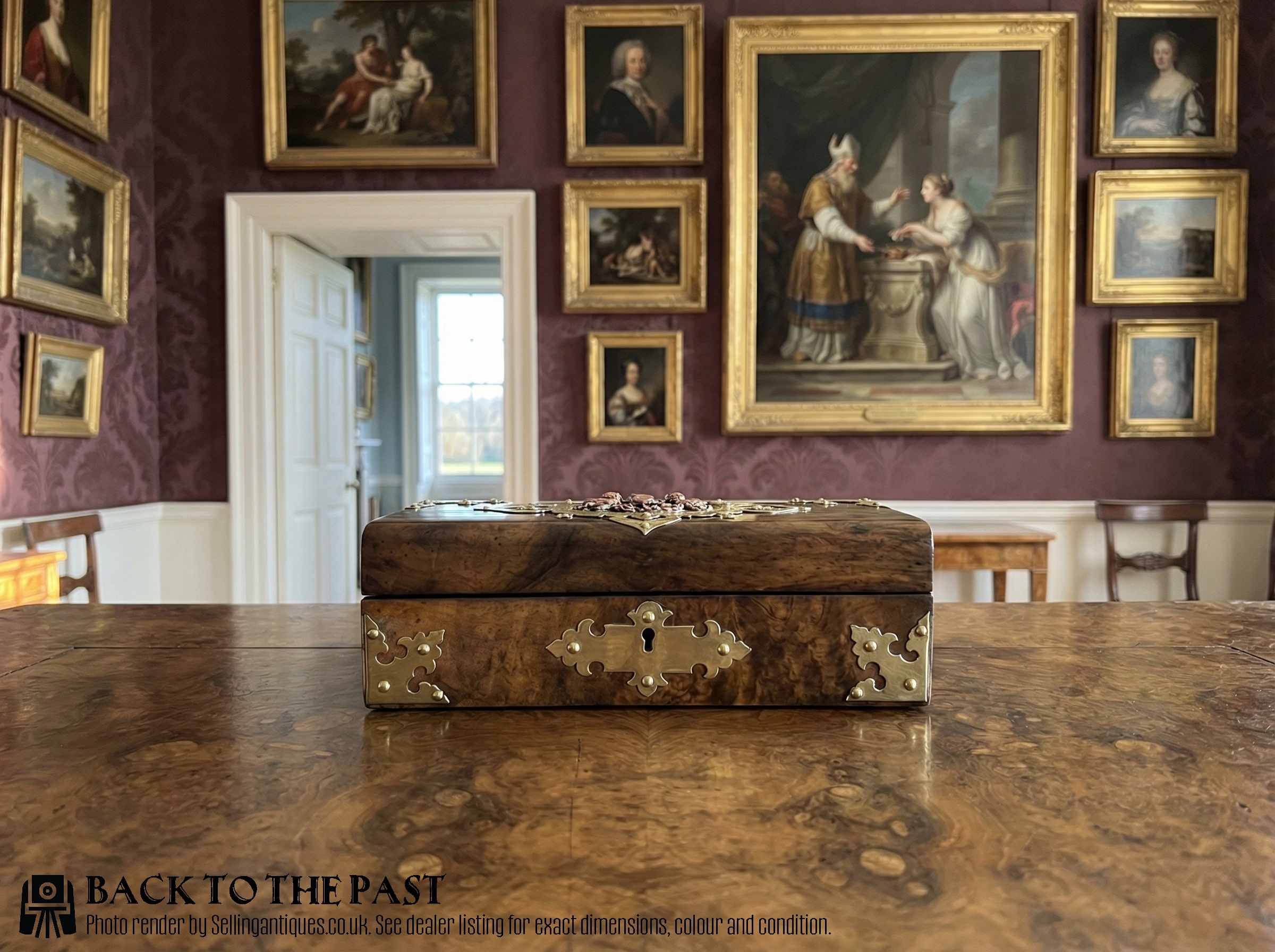
Victorian Wooden Trinket Box
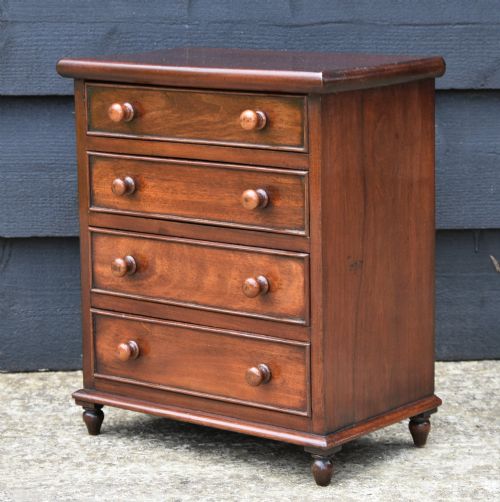
A Victorian wooden trinket box serves to store small valuables, jewellery, and letters, appearing frequently in rosewood, mahogany, and walnut across this selection. Makers produced various formats including miniature chests of drawers, sewing cases, and hinged caskets designed for domestic use.
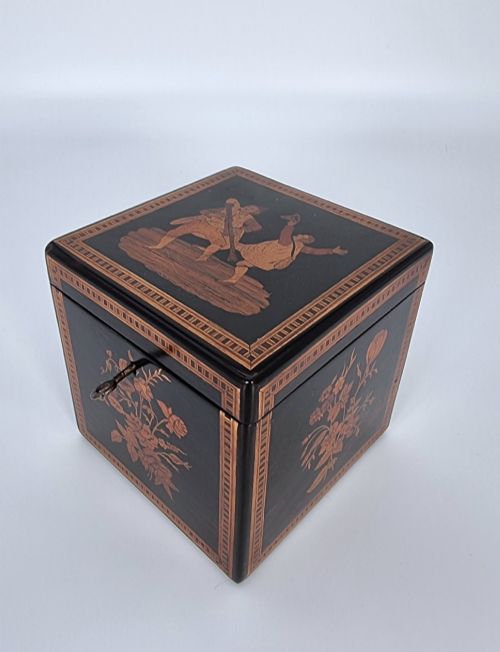
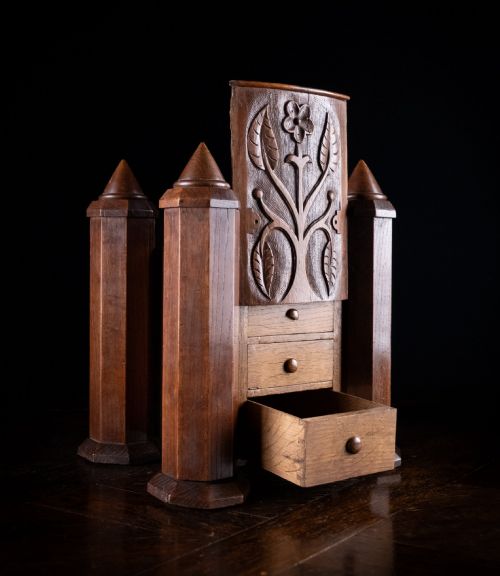
The objects span the nineteenth century, including specific decades such as eighteen eighty and eighteen sixty, alongside Georgian and William IV eras. Buyers encounter pieces styled in Black Forest carving, Tunbridge ware, and folk art traditions.
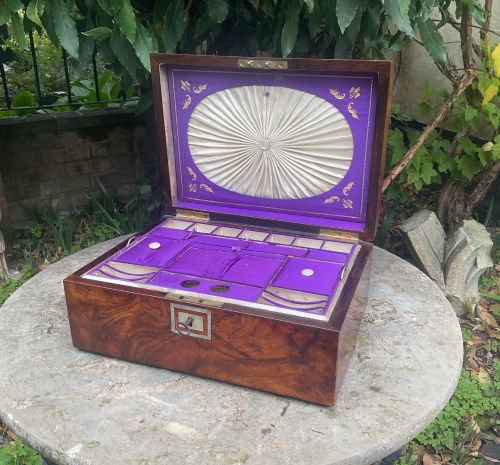
Interior fittings often include lift-out trays, satin linings, and small compartments intended for rings and pins. Many retain original mirrors and brass mounts fitted into the lids.
How they were made
Carpenters constructed these boxes from dense timbers like rosewood, walnut, and burr walnut, sometimes applying bird's-eye maple or tulipwood veneers to the exterior surfaces. Boxwood and bone formed contrasting geometric inlay patterns set flush into the wooden lids.
Decorative techniques involve chip carving, engine turning, and parquetry, particularly visible in Tunbridge ware and Black Forest pieces. Brass hinges, escutcheons, and lock plates secure the lids and small front drawers.
Victorian Wooden Trinket Box Retail Price Guide 2026
Typical asking prices for victorian wooden trinket box among the pieces listed under this phrase on Sellingantiques today, from the lower quarter to the upper quarter. They describe what is for sale here now, not the wider market.
Listings feature eighteenth-century Georgian items alongside nineteenth-century Victorian pieces, utilising rosewood, walnut, mahogany, and fruitwood.
What varies in quality
The standard of timber selection and complexity of inlay distinguish finer examples from simpler vernacular items. Dense burr walnut and multi-wood Tunbridge ware marquetry require significant specialist skill compared to plain mahogany or deal.
Interior execution also marks the grade of a piece, separating basic lined compartments from fully fitted dressing cabinets with matched trays and working locks. The depth and relief of hand carving on Black Forest caskets similarly establish the level of craftsmanship.
Edmund Nye
The Victorian Wooden Trinket Box Glossary
- Tunbridge ware
- A form of woodworking originating in Kent using tiny wood mosaic blocks to create pictorial or geometric designs. Artisans arranged thousands of multicoloured wood sections to form detailed motifs on the box lids.
- Treen
- Small handmade wooden objects for domestic use, shaped by turning or carving. These items display the natural grain of fruitwood, boxwood, or sycamore.
- Marquetry
- The art of applying thin slices of wood veneer to a structure to form decorative patterns. Craftsmen cut contrasting timbers together to ensure tight joints within the design.
- Pietra dura
- Inlaid work using polished coloured stones to create formal designs on a wooden base. This technique appears on specific imported cabinet pieces.
- Apprentice piece
- A miniature item of furniture demonstrating the skill required for admission to a trade guild. These small chests and cabinets mirror full-scale furniture construction.
Victorian Wooden Trinket Box: Frequently Asked Questions
What were Victorian wooden trinket boxes used for?
These containers held precious personal items such as rings, brooches, letters, and calling cards on domestic dressing tables. Interiors often featured specialised compartments or velvet linings to protect delicate objects.
Larger variants served as workboxes for sewing implements or compact desks for writing correspondence. Their lockable lids kept private possessions secure in shared household spaces.
How do I date a wooden trinket box?
Dating relies on identifying timber preferences, construction methods, and decorative styles associated with specific decades. Rosewood and heavy brass mounts often point towards the mid-nineteenth century, while later Victorian items incorporate different veneers.
Form and technique provide additional clues, such as the distinct chip carving of Black Forest pieces or the geometric mosaic of Tunbridge ware. Examining the interior hardware and lining materials helps confirm the period of manufacture.
How should I care for antique wood boxes?
Keep the wood away from direct sunlight and strong heat sources to prevent the timber and delicate veneers from drying or splitting. Maintain a stable room temperature to protect glue joints and delicate inlays.
Clean surfaces gently with a dry or barely damp cloth, avoiding modern chemical polishes that can damage old finishes. Wax can be applied sparingly to nourish dry hardwood surfaces when necessary.
What is Tunbridge ware?
Tunbridge ware is a specialised form of inlaid woodworking where artisans glued thousands of tiny wood squares together to form mosaics. These designs usually depicted local castles, butterflies, or geometric borders.
Craftsmen sliced the bundled rods of wood crosswise to produce multiple identical pictorial tiles for the box lids. This intricate technique reached its height during the nineteenth century in southern England.