

Victorian Keepsake Box
A victorian keepsake box is a small, portable repository for letters, trinkets and personal treasures, combining period craftsmanship with everyday utility.
Victorian Keepsake Box
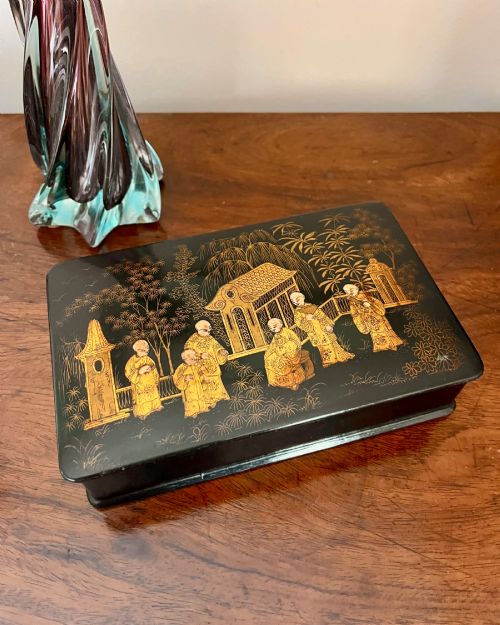
When searching for a victorian keepsake box, buyers encounter an array of containers designed for personal valuables, correspondence and jewellery. These pieces date principally from the nineteenth century, spanning eras such as the Victorian period and William IV, alongside related styles like Victorian Gothic Revival and Chinoiserie.
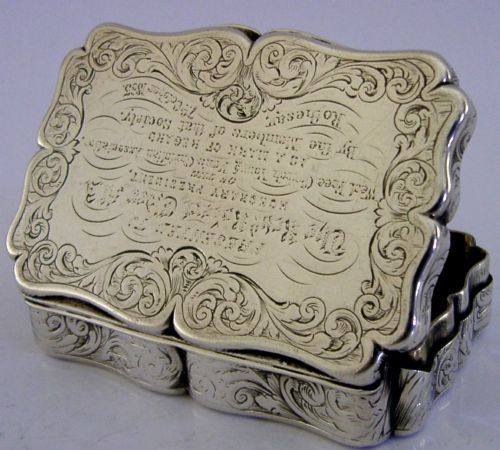
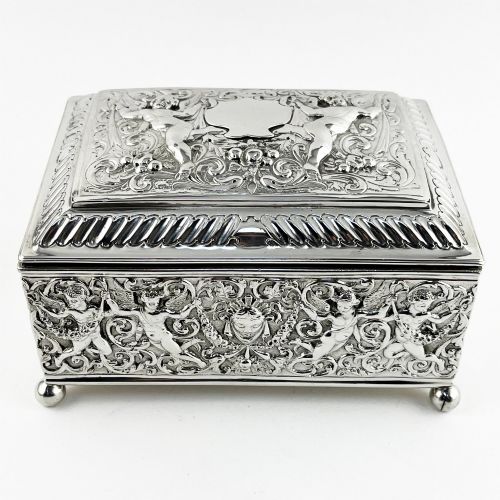
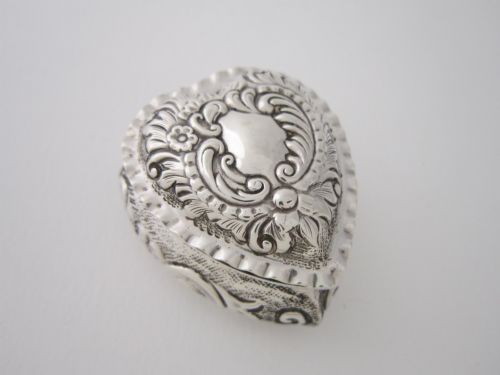
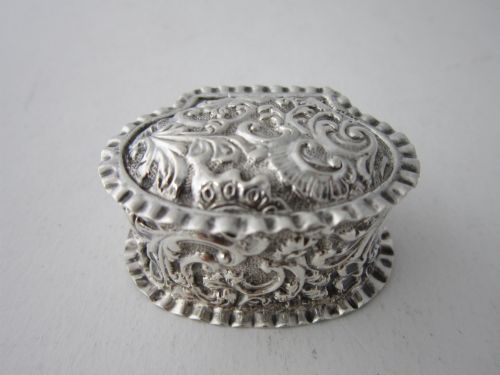
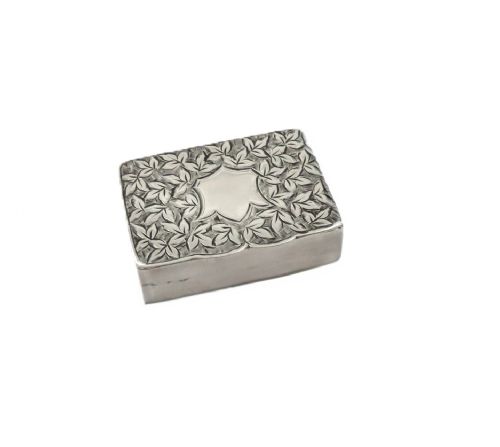
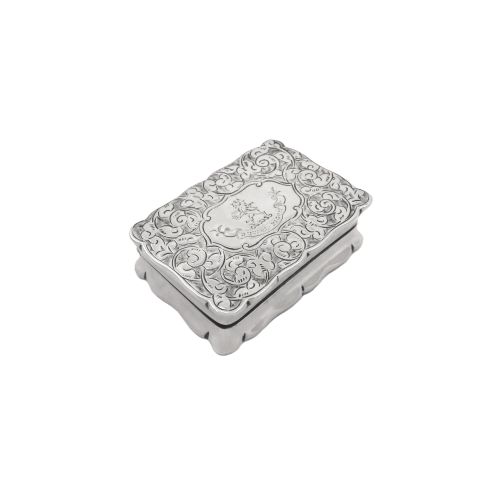
The selections on this page appear in numerous forms, including dedicated jewellery caskets, pill boxes, snuff boxes, and larger desktop work boxes. Wooden examples in rosewood, walnut, burr walnut, and mahogany dominate the selection, frequently accompanied by smaller sterling silver receptacles.
Variations in origin range from English workshops to French or Japanese examples brought home by collectors of the era. Buyers meet everything from simple pine and camphor wood chests to elaborately fitted dressing boxes equipped with mirrors and trays.
Materials and construction
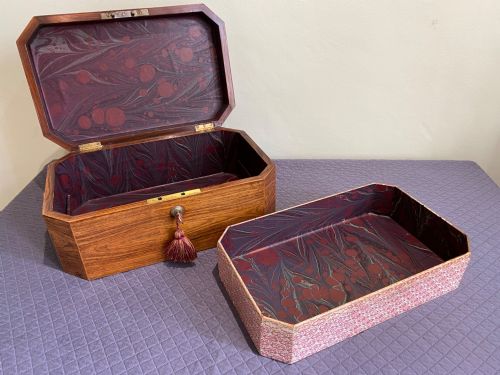
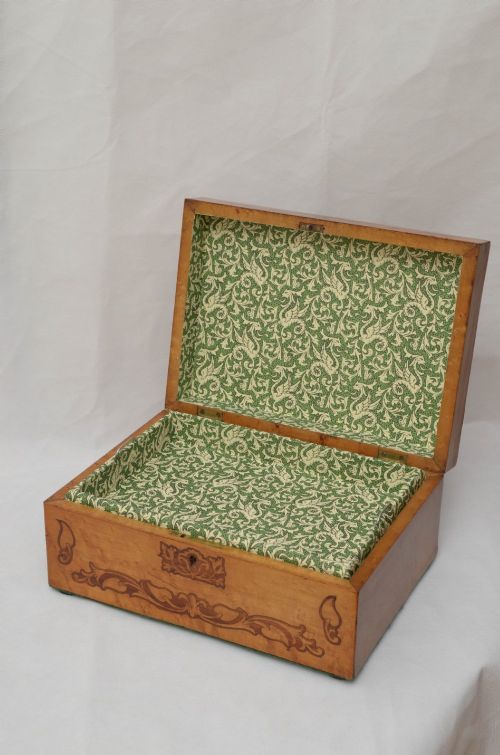
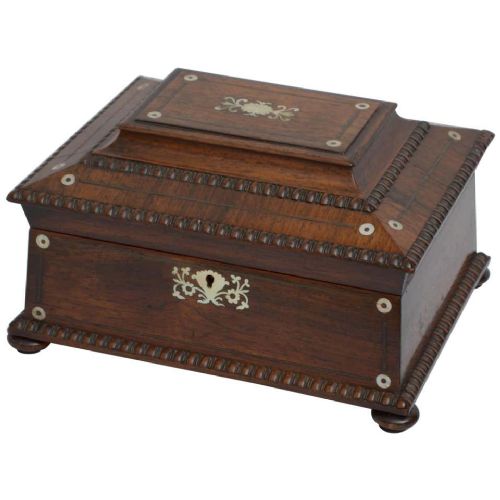
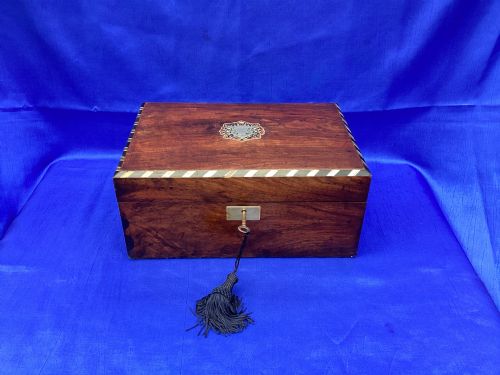
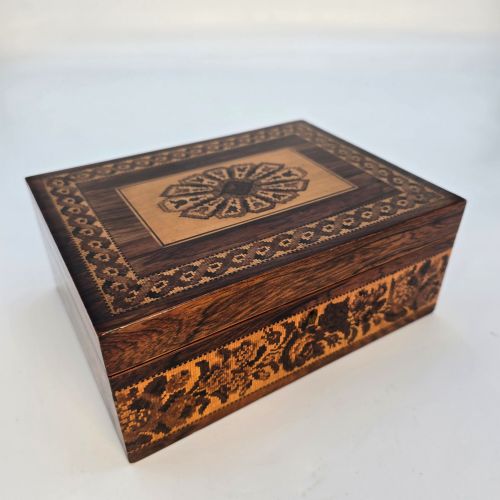
Cabinet makers utilised dense hardwoods such as rosewood, walnut, and coromandel as the structural carcass for finer boxes, often highlighting the natural grain with burr veneers. These woods were joined with precision and enhanced through decorative inlays of mother-of-pearl, tulipwood, or intricate Tunbridge ware marquetry.
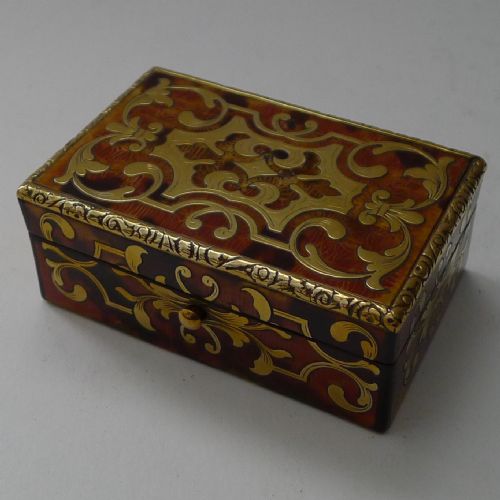
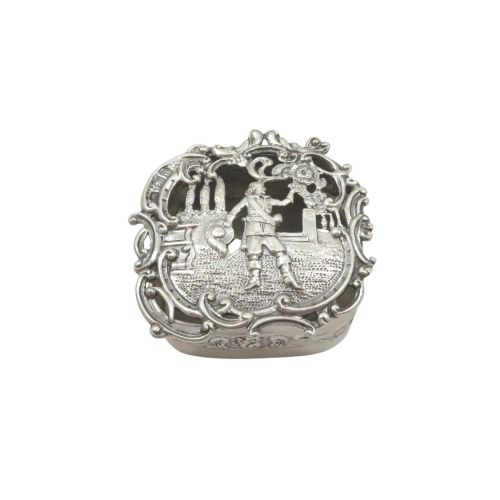
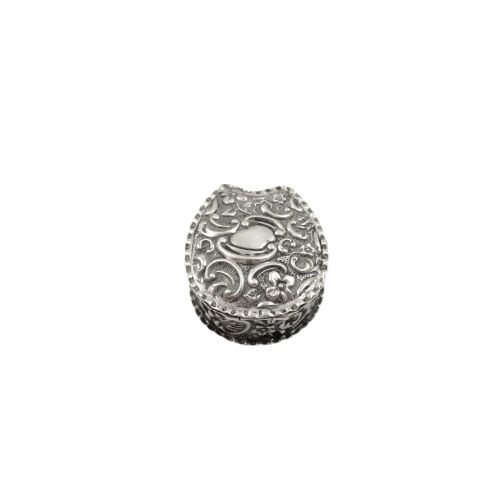
Silver-smiths shaped sterling silver into pill and trinket boxes, employing piercing, embossing, and engraving to decorate surfaces with motifs like hearts and horseshoes. Other pieces relied on specialised techniques such as boullework, lacquered finishes, tramp art, or tortoiseshell application over wooden cores.
Interiors typically featured tailored linings of silk, velvet, or paper, designed to cushion delicate contents within fitted compartments. Metal mounts in ormolu or brass secured corners, hinges, and locking mechanisms on the more robust caskets.
Evidence shows forms ranging from miniature silver pill containers to substantial Japanese lacquered keepsake cases.
Assessing quality and execution
The distinction between tiers rests upon the ambition of the design and the discipline of the execution. Finer examples display meticulous grain matching in burr walnut or rosewood, alongside flawlessly flush inlays where differing timbers meet without perceptible gaps.
Hardware integration marks another divergence in standard, with superior boxes retaining original locks, functional keys, and robust brass hinges set level into the timber. The complexity of internal arrangements, such as tiered trays and silk-lined compartments with integrated mirrors, separates standard trinket holders from grand dressing caskets.
Edmund Nye·Henry Hollamby·Edward Smith
The Victorian Keepsake Box Glossary
- Tunbridge Ware
- Tunbridge Ware is woodworking characterised by microscopic mosaic tesserae assembled to form pictorial or geometric designs. Makers in Kent constructed these detailed scenes from native and exotic woods to ornament small boxes and tea caddies.
- Parquetry
- Parquetry is a geometric mosaic of wood pieces used for decorative veneering on box lids and panels. Artisans arranged contrasting timbers to create three-dimensional illusions or intricate lattice patterns.
- Boulle
- Boulle is an artistic technique of marquetry utilising tortoiseshell and brass inlay, developed in France and popularised during the nineteenth century. This method produces contrasting metallic and dark amber surface patterns.
- Tramp Art
- Tramp Art is a form of woodworking where practitioners carved discarded cigar boxes and packing crates into layered, chip-carved geometric reliefs. These rustic items reflect folk art traditions of the late nineteenth century.
- Cartouche
- A cartouche is an ornamented panel or tablet, often oval or oblong, framed by scrollwork and used for engraved monograms or inscriptions on silver boxes.
Victorian Keepsake Box: Frequently Asked Questions
What were keepsake boxes used for?
Victorians relied on these receptacles to safeguard correspondence, locks of hair, small keepsakes, and personal jewellery away from dust and prying eyes. They sat upon dressing tables, desks, and withdrawing room surfaces as both functional storage and decorative ornaments.
Larger variations functioned as portable writing desks or work boxes containing compartments for thread, needles, and stationery. Smaller silver versions served specifically for snuff, pills, or visiting cards.
How do I identify Tunbridge ware?
Tunbridge ware is recognised by its distinctive mosaic surface composed of thousands of tiny tinted wood blocks forming floral or architectural scenes. Examining the lid reveals whether the imagery is printed or constructed from individual timber strips.
These pieces often incorporate rosewood or mahogany carcases framing the central mosaic panel, sometimes bearing stamps of makers such as Edmund Nye or Henry Hollamby.
How should I clean a silver pill box?
Sterling silver pill boxes require gentle maintenance using a microfibre cloth to remove surface dust without disturbing antique hallmarks or fine engraving. Avoid harsh chemical dips that strip the natural patination built up over a century.
If tarnish obscures the detail, apply a specialised silver cream sparingly with a soft brush, rinsing and drying the metal immediately afterwards.
What is the difference between a work box and a jewellery box?
Work boxes are deeper containers originally engineered for sewing and needlework equipment, featuring compartmentalised trays for spools, thimbles, and pins. Jewellery boxes prioritise velvet or silk linings designed explicitly to cradle rings, necklaces, and brooches.
Many dressing boxes bridged both categories by incorporating lift-out trays above wider storage wells, occasionally accompanied by integrated vanity mirrors.