

19th Century Casket
A 19th century casket provides a secure, decorative repository for personal valuables and correspondence, offering tactile craftsmanship from an era of dedicated private utility.
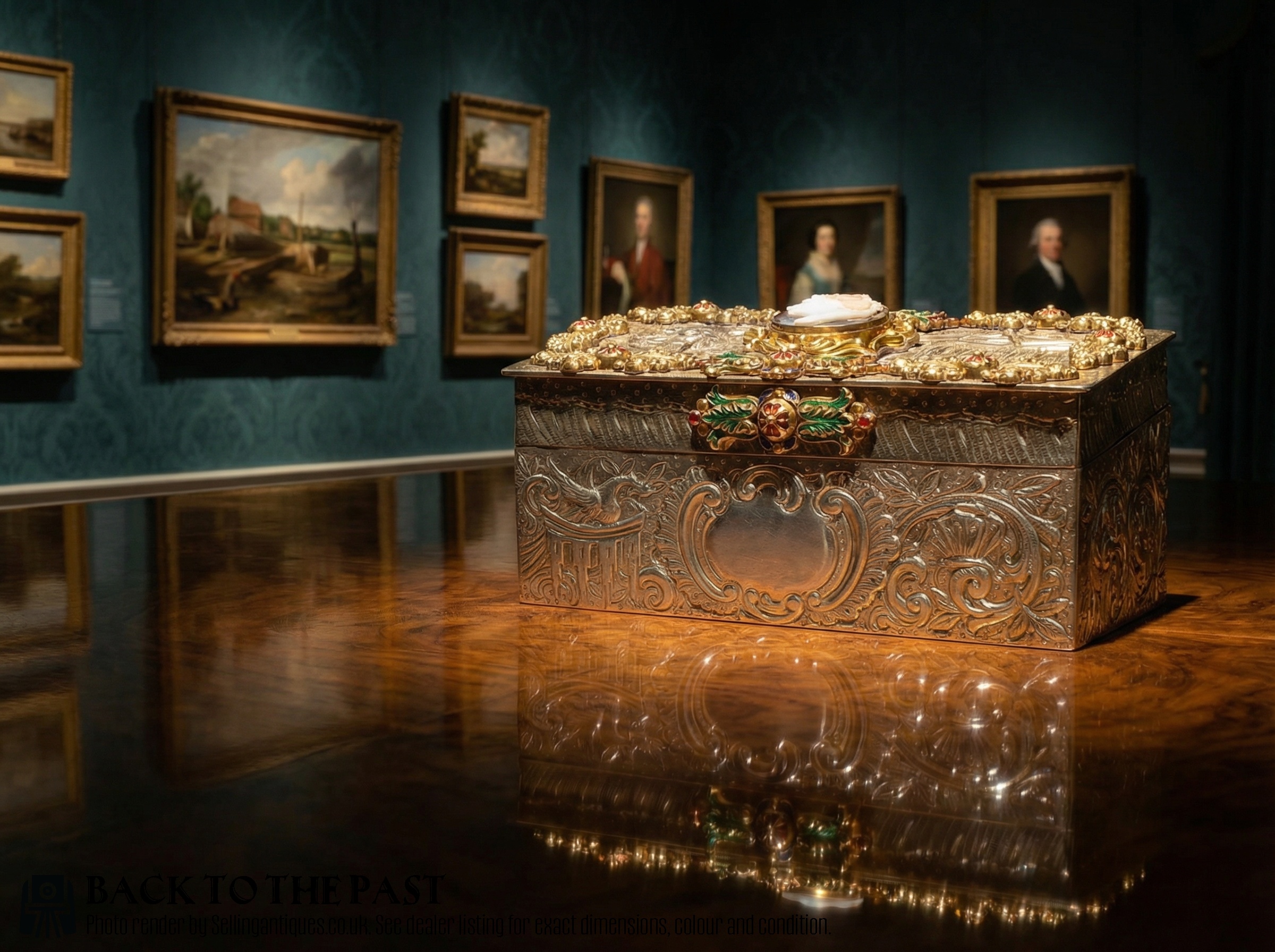
19th Century Casket
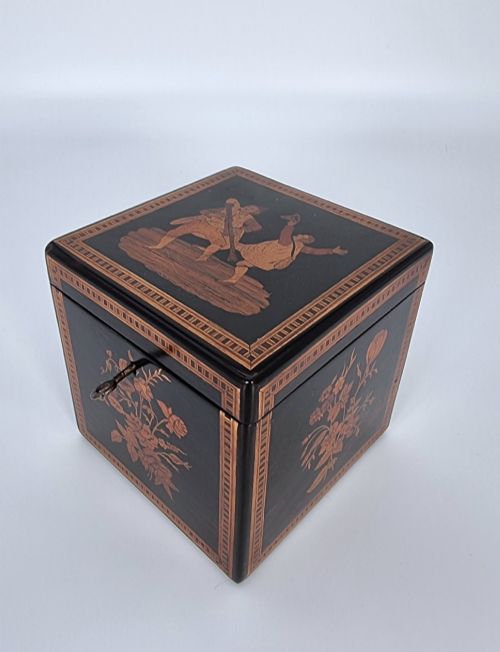
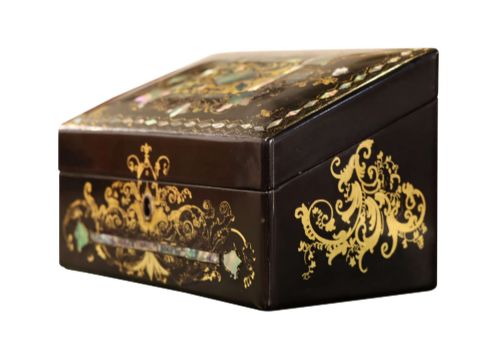
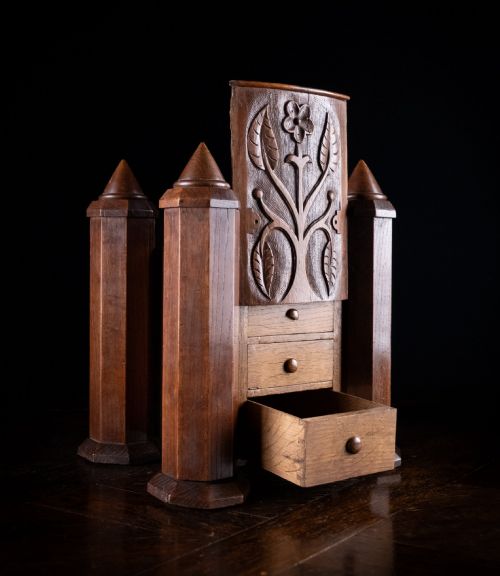
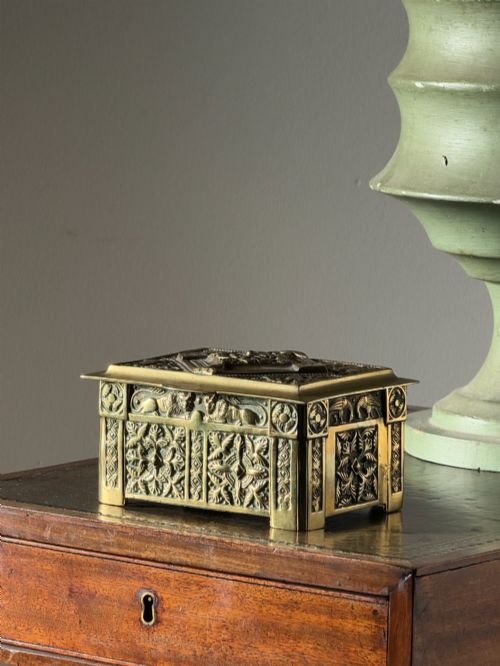
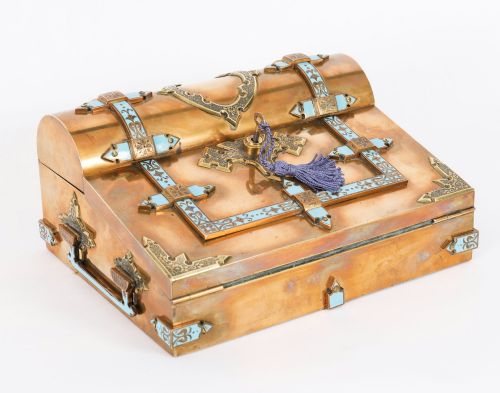
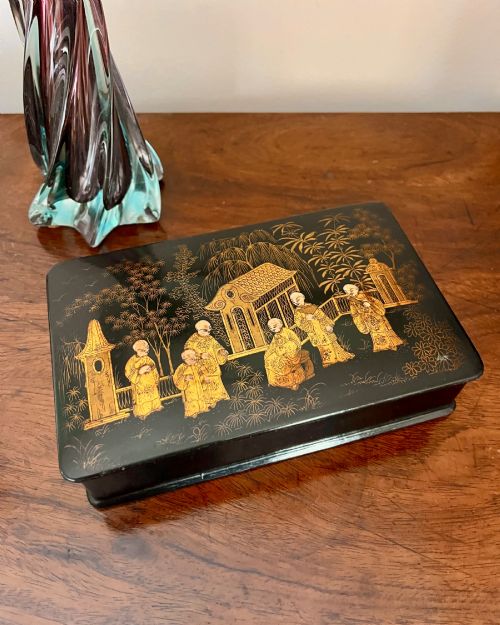
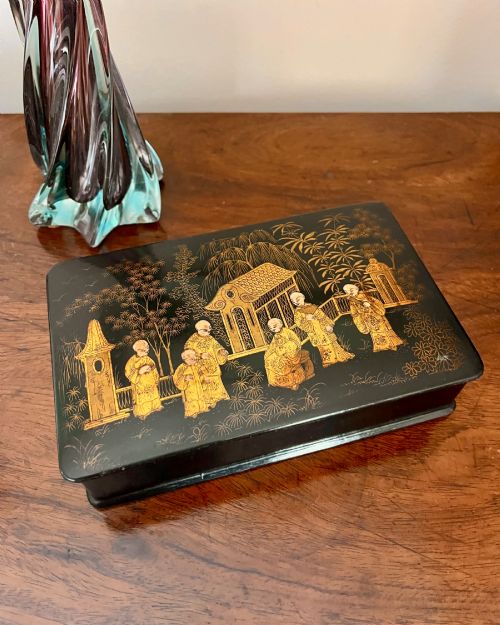
A 19th century casket serves as a receptacle for jewellery, letters, sewing implements, or small keepsakes, originating across British, European, and colonial workshops. Buyers encounter varied forms ranging from heavy wooden work boxes and leather-bound writing slopes to gilt-metal and porcelain display pieces.
The selection on this page spans the Georgian, Regency, and Victorian eras, reflecting shifting domestic tastes for private storage. Makers utilised dense exotic timbers alongside ornamental metals, glass, and inlaid stone to construct these portable containers.
Domestic interiors of the period relied on such vessels to keep personal effects organised on dressing tables and desks. Surviving examples demonstrate the era's dedication to combining functional storage with elaborate surface decoration.
Materials and Construction
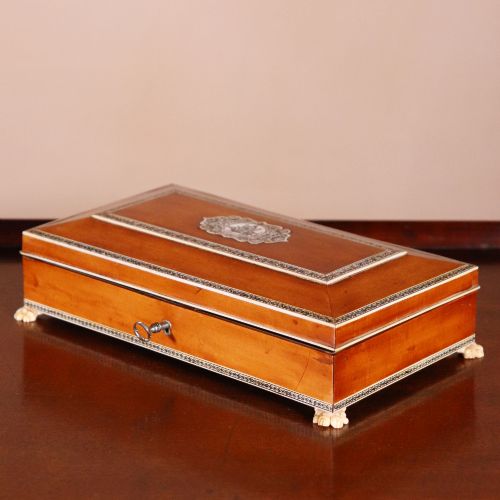
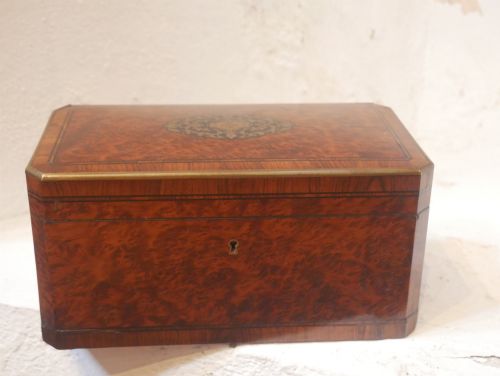
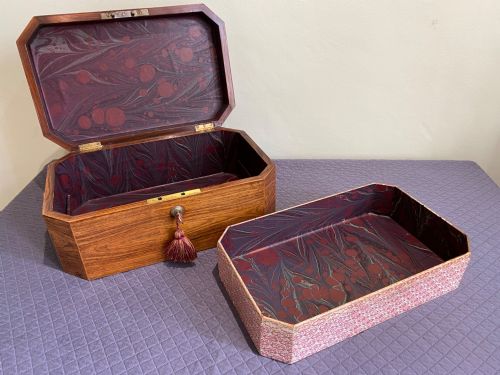
Cabinetmakers built core structures from solid woods or pine carcases veneered in rosewood, coromandel, walnut, and mahogany. These foundational boxes were frequently reinforced with brass banding, lock plates, and corner brackets.
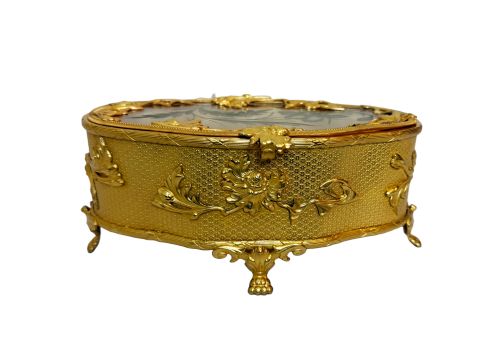
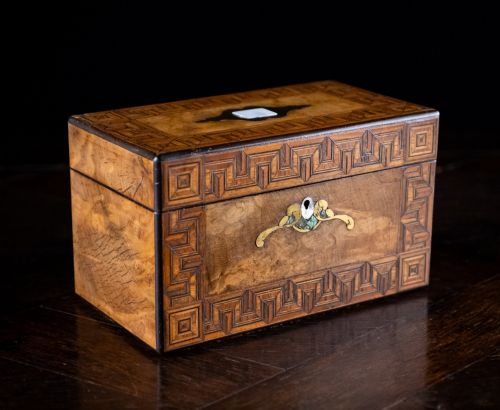
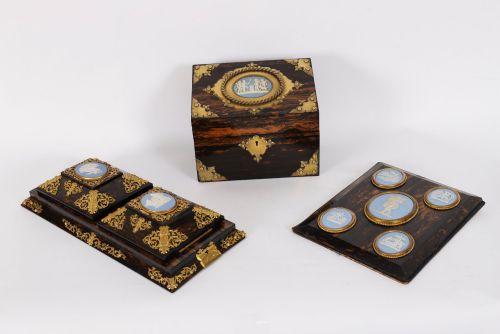
Decorative surfaces relied on specialised techniques such as Tunbridge ware marquetry, parquetry, and mother-of-pearl inlay. French and English workshops also mounted cast ormolu, porcelain plaques, and carved stone panels directly onto the timber or metal frames.
19th Century Casket Retail Price Guide 2026
Typical asking prices for 19th century casket among the pieces listed under this phrase on Sellingantiques today, from the lower quarter to the upper quarter. They describe what is for sale here now, not the wider market.
Some travel sets preserve their original glass perfume bottles, still smelling faintly of Victorian lavender water after a century and a half.
Judging Quality and Execution
Superior examples show precision in the alignment of veneers and the tightness of inlaid joints across complex geometric patterns. The weight and finish of cast metal mounts, such as bronze or ormolu handles and feet, indicate the original workshop expenditure.
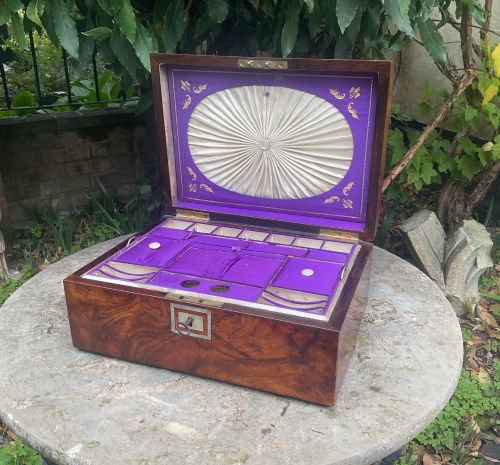
Interior fittings dictate overall standard, with top-tier pieces retaining comprehensive velvet or silk linings, original mirror glass, and complete sets of matched glass scent bottles. The integrity of the locking mechanism and the presence of the original working key separate standard utility boxes from high-status presentation pieces.
Tahan Paris·Susse Freres Paris·Edmund Nye·Toulmin and Gale·Howell James and Co·W and J Milne
The 19th Century Casket Glossary
- Tunbridge Ware
- A form of woodwork characterised by minute mosaic patterns made from many different coloured woods arranged to form pictorial or geometric designs. It was largely produced in Kent during the nineteenth century.
- Ormolu
- Gilt bronze ornamentation applied to furniture, clocks, and boxes. The technique involves creating a finely chased bronze object and coating it with a gold amalgam.
- Parquetry
- Geometric wood-mosaic work used for flooring and box lids. Artisans cut thin slips of wood and arranged them in repeating patterns such as cubes or chequers.
- Pietra Dura
- An artistic technique of using cut and fitted pale and coloured stones to create images. Florentine workshops frequently applied these floral or figurative plaques to marble and wooden caskets.
- Writing Slope
- A portable desk featuring a hinged, sloping lid that opens to reveal a writing surface, compartments for inkwells, and storage for stationery.
19th Century Casket: Frequently Asked Questions
What were 19th century caskets used for?
These containers served multiple domestic purposes, primarily holding jewellery, sewing tools, letters, or tobacco. Wealthy households utilised specialised boxes for visiting cards, scent bottles, and personal documents.
Interior compartments kept delicate items separated and secure on dressing tables or writing desks. Many designs included lockable lids to safeguard private correspondence and valuables.
How do I identify a Regency period casket?
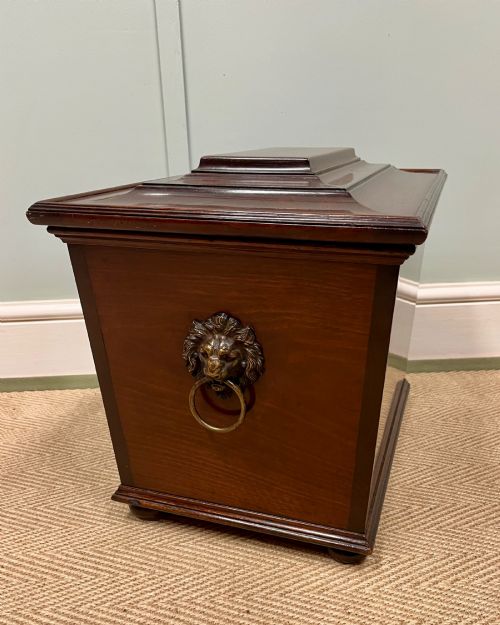
Regency pieces typically date from the early decades of the century and display classical restraint through clean architectural lines. Cabinetmakers favoured dark timbers like rosewood and mahogany, often accented with brass stringing and lion-mask ring handles.
Foot styles often include brass ball-and-claw feet or bracket supports. Construction from this era prioritises balanced proportions over heavy surface ornamentation.
What is coromandel wood?
Coromandel is a dense, heavily figured exotic timber imported from Asia, prized for its dark brown colour and dramatic black grain stripes. Nineteenth-century makers reserved this expensive material for high-status dressing boxes and stationery caskets.
Because supplies were scarce, furniture makers used it mainly as a veneer over a sturdy pine or mahogany carcase. It frequently appears alongside brass inlay and fitted velvet interiors.
How should I care for a wooden casket?
Keep wooden and veneered boxes away from direct sunlight and steady heat sources to prevent the timber from splitting and veneers from lifting. Maintain a stable indoor humidity level to protect old glues and organic inlays like mother-of-pearl.
Apply a light, appropriate wax polish sparingly to clean and protect the exterior finish. Avoid using liquid cleaners on paper linings, leather, or metallic mounts.