

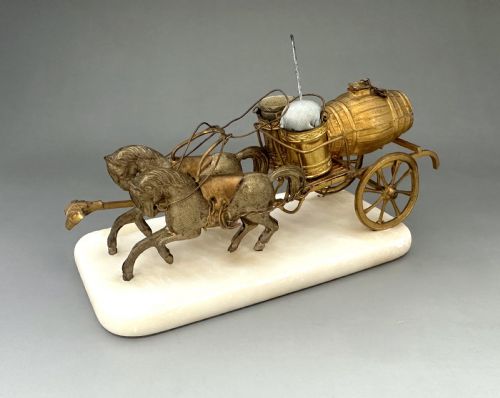


French Ormolu Box
When you handle a french ormolu box, you hold nineteenth-century metalwork designed to cradle jewellery, trinkets, and letters with continental flair.
French Ormolu Box
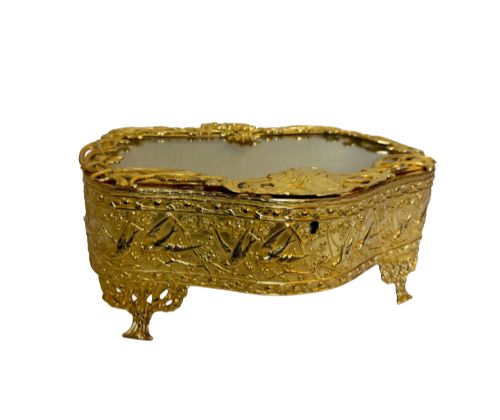
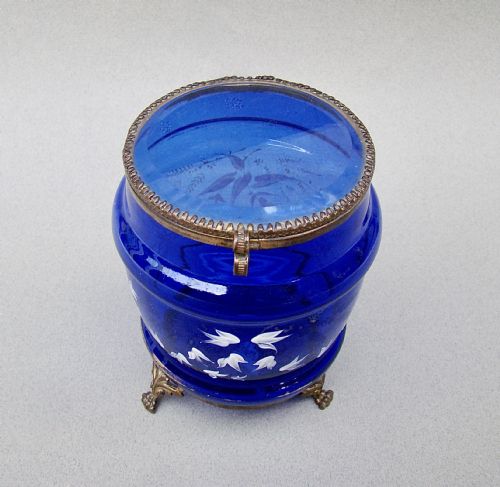
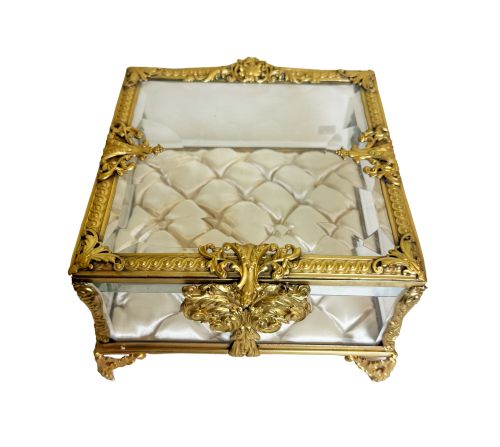
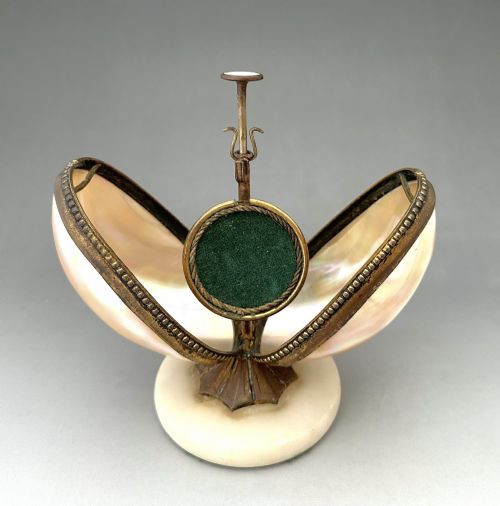
A french ormolu box encompasses nineteenth-century trinket caskets, jewellery boxes, and desktop storage pieces mounted in gilded bronze. These items emerge predominantly from the Victorian era and Napoleon III periods, reflecting revivalist tastes in France.
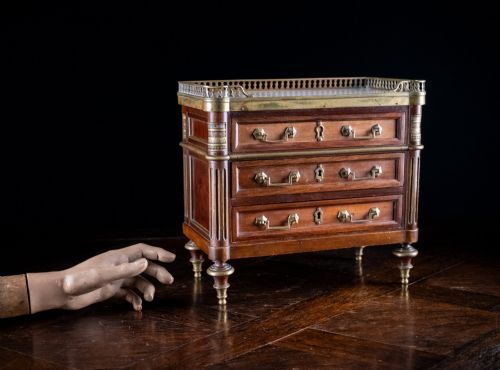
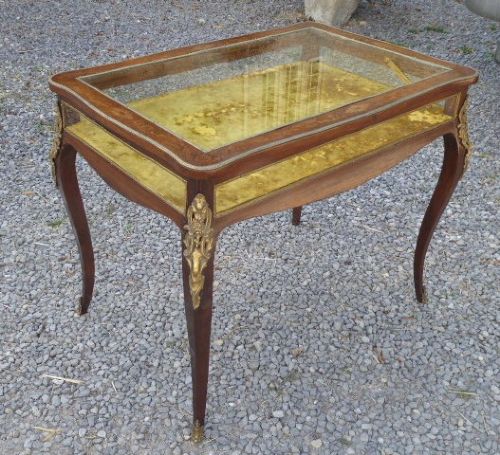
The form ranges from small glass and porcelain containers to substantial kingwood and mahogany bijouterie tables. Buyers most commonly encounter glazed glass caskets and porcelain-inset boxes designed for boudoir use.
How They Were Made
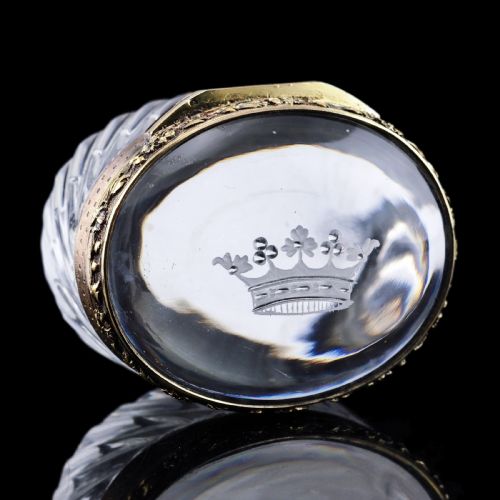
Metal mounts utilise fire gilding or electroplating on bronze to create the distinctive ormolu finish. Artisans combine this gilded metal with cut crystal, Bristol blue glass, Sevres porcelain plaques, and exotic timbers such as kingwood and rosewood.
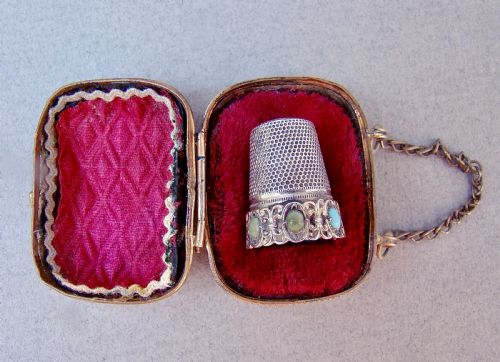
Caskets often feature detailed cast feet, handles, and borders screwed or pinned to wooden or glass bodies. Interior linings of velvet or silk complement the fitted compartments intended for sewing tools and jewels.
French Ormolu Box Retail Price Guide 2026
Typical asking prices for french ormolu box among the pieces listed under this phrase on Sellingantiques today, from the lower quarter to the upper quarter. They describe what is for sale here now, not the wider market.
Miniature animal heads and elephant tusks occasionally form the handles of nineteenth-century drinks boxes.
What Varies in Quality
The crispness of the bronze casting dictates the visual success of the piece, as sharp chasing separates superior mounts from soft, blurry castings. Heavier gauge metal and precise joints in the wooden or glass carcase indicate higher workshop standards.
Hand-painted porcelain panels, portrait miniatures, and signed enamel plaques elevate standard boxes into luxury tier items. Original velvet linings and intact bevelling on glass panels further distinguish premier examples.
Victor Raulin
The French Ormolu Box Glossary
- Ormolu
- Gilded bronze, utilising an alloy of copper and zinc covered in gold to achieve a bright metallic finish. The technique was widely employed in France for furniture mounts and decorative hardware.
- Bijouterie table
- A glass-topped display table designed to exhibit small treasures and ornaments. These pieces stand on slender legs and often feature hinged or lift-off glazed lids.
- Sevres
- Porcelain produced by the famous French factory, known for distinctive blue ground colours and hand-painted scenes. Plaques from this manufactory frequently decorate nineteenth-century caskets.
- Kingwood
- A dense, richly figured tropical timber displaying dark purple-brown streaks. Cabinetmakers veneered decorative boxes and tables with this material during the nineteenth century.
- Cave a liqueur
- A fitted box containing decanters and glasses, often mounted in ormolu and fashioned from crystal or fine wood. These portable cellars served beverages in formal drawing rooms.
French Ormolu Box: Frequently Asked Questions
What were french ormolu boxes used for?
These containers held personal treasures, including rings, necklaces, sewing implements, and visiting cards. Wealthy owners kept them on dressing tables and in drawing rooms for daily convenience.
Smaller trinket boxes stored everyday jewellery, while larger caskets accommodated specialised items like perfume bottles or miniature portraits.
How do I identify the period of a box?
Look to the combination of materials, fastening methods, and prevailing decorative styles. Pieces from the middle of the nineteenth century often display rich porcelain plaques and heavy cast mounts.
Later Victorian examples introduce different glass treatments and lighter wood veneers. Stylistic cues like Louis XVI swags or Napoleon III proportions help narrow the date.
Are the glass panels original?
Original glass panes usually feature slight thickness variations, small surface bubbles, and bevelled edges that match the age of the metal frame. Replacements often appear completely flat and lack historical wear.
Examining the putty or retaining brackets from the inside reveals whether the glass has been re-secured over time.
How should I clean ormolu mounts?
Dust metal mounts gently with a soft, dry brush to remove accumulated particles. Avoid commercial metal polishes, which strip away the remaining gold layer and damage underlying bronze.
Keep glass and porcelain sections clean with a damp cloth, ensuring moisture does not seep into old wooden joints or fabric linings.