


19th Century Glass Casket
These pieces known as a 19th century glass casket are decorative boxes prized for holding trinkets and scent bottles, and collectors buy them to add a touch of period elegance to a dressing table.
19th Century Glass Casket
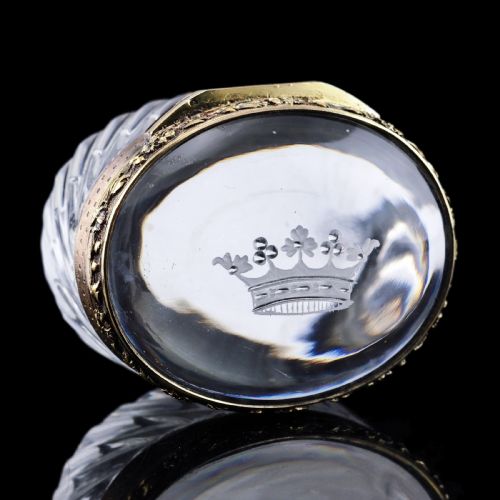
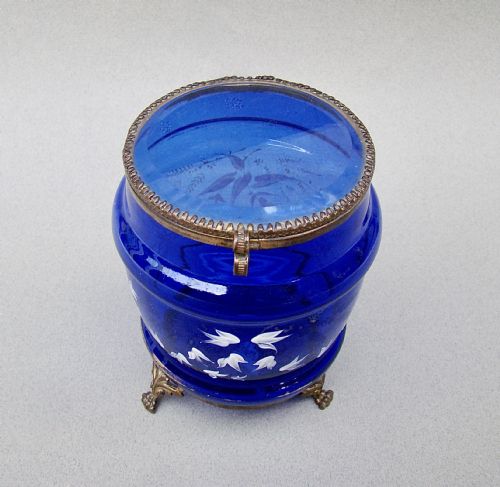
A 19th century glass casket is a small lidded box designed to hold jewellery, trinkets, or scent bottles on a dressing table or desk. These pieces take various forms, including rectangular jewellery boxes, hinged trinket boxes, and elaborate perfume caskets.
The versions most commonly met on this page are French and English creations from the Victorian and later nineteenth century periods. Many examples incorporate metal mounts, whilst others take whimsical shapes such as miniature carriages or eggs.
Makers and makers' marks occasionally appear on these boxes, linking them to known manufacturing centres in France, Germany, and England. Collectors value these containers for their combination of functional storage and decorative appeal.
How they were made
Makers constructed these caskets using heavy plate or cut glass combined with cast metal frameworks. Brass and ormolu mounts secure the glass panels together at the corners and edges, often featuring intricate chased or gilt ornamentation.
Interiors frequently feature fitted linings made of silk or velvet to protect delicate contents such as jewellery and glass bottles. Specialist manufacturers also applied enamel decoration directly onto the glass surfaces or mounted silver gilt accents.
Listings feature periods spanning from the Regency era through to the late nineteenth century, using materials such as coromandel, brass, and cut crystal.
What varies in quality
The weight and clarity of the glass set the foundation for quality, with heavy cut crystal and bevelled panels sitting at the upper end. Metal mounts display variation through the crispness of the casting and the richness of the gilding.
Intricacy of design and the presence of complete original fittings, such as internal velvet trays or matching perfume bottles, elevate certain examples above standard trinket boxes. Maker attribution and unusual novelty forms also influence desirability.
Posen of Frankfurt and Berlin·Baccarat
The 19th Century Glass Casket Glossary
- Ormolu
- A gilded bronze or brass mount used extensively in nineteenth-century decorative arts. This technique provides a bright golden finish to the metal frames of glass caskets.
- Bevelled glass
- Glass panes with angled edges cut and polished to catch the light. This treatment adds depth and refinement to the sides and lids of boxes.
- Palais Royal
- A style associated with luxury goods retailed near the famous Parisian palace. Pieces often feature novelty shapes and gilt brass work intended for affluent travellers.
- Baccarat
- A renowned French glass manufacturer known for producing exceptional crystal wares. Their works are identified by fine clarity and substantial weight.
19th Century Glass Casket: Frequently Asked Questions
What were glass caskets used for originally?
These boxes served as secure yet visible storage for personal valuables on dressing tables. Owners kept rings, brooches, and small sentimental items inside them.
Many examples also functioned specifically as perfume caskets to house delicate scent bottles during travel or at home.
How do I date a 19th century glass casket?
Dating relies on stylistic clues such as the heavy neoclassical mounts of the Regency period or the ornate ormolu typical of Napoleon III designs. Maker marks and the style of the hinges provide further chronological markers.
Glass thickness and the type of internal velvet lining also help align a piece with specific decades of the nineteenth century.
Are these boxes fragile for everyday use?
Whilst the heavy glass panels and metal frames are robust, the internal velvet linings and delicate hinges require gentle handling. They are durable enough for daily display and light use.
Owners should place them on stable surfaces away from edge hazards to protect the glass corners and mounted feet.
What is the difference between a trinket box and a perfume casket?
A trinket box offers an open interior space designed for general jewellery and small personal accessories. These containers vary widely in shape and depth.
A perfume casket contains specific internal slots or compartments engineered to hold multiple glass scent bottles securely in place.