
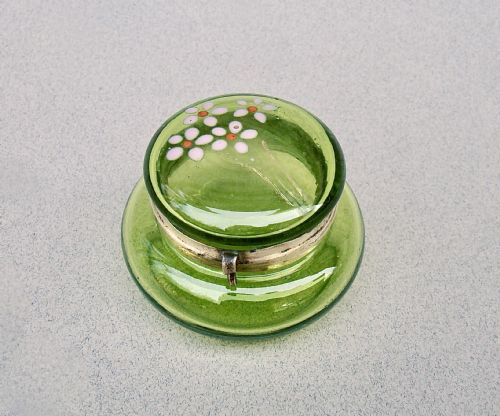
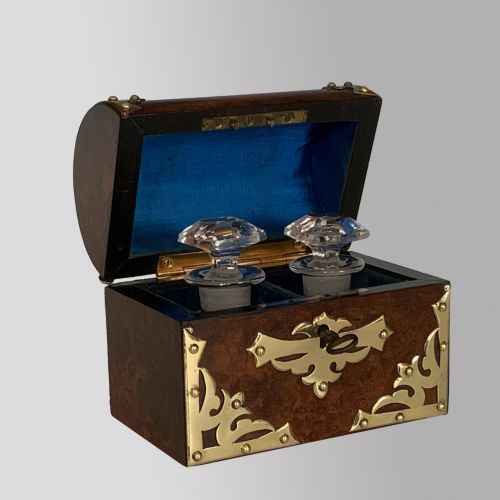


Brass Mounted Glass Box
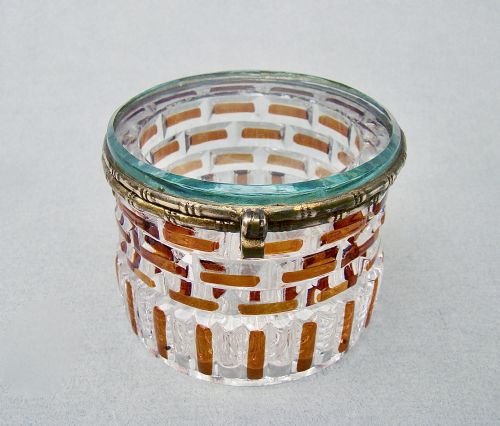
A brass mounted glass box brings together heavy metal framing and clear or coloured panes to hold trinkets, bottles, and stationery.
Brass Mounted Glass Box
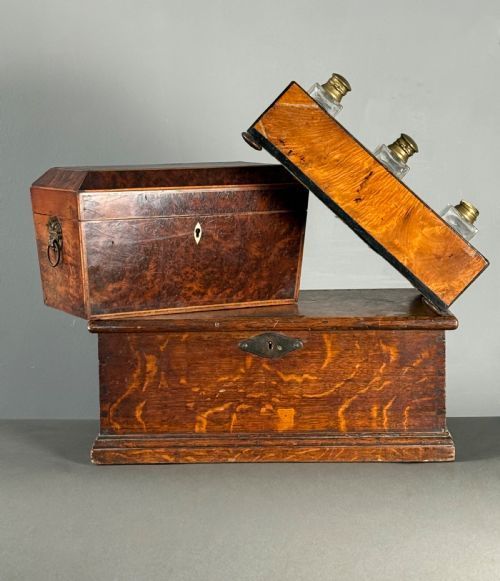
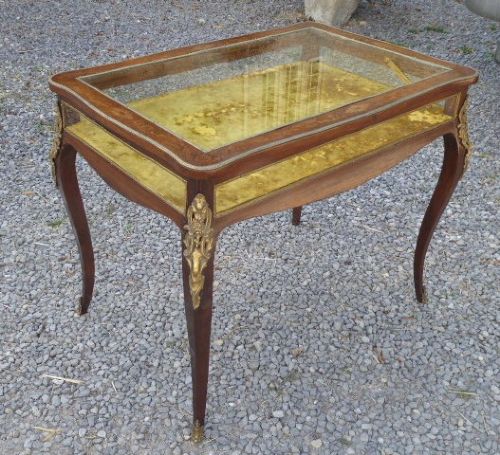
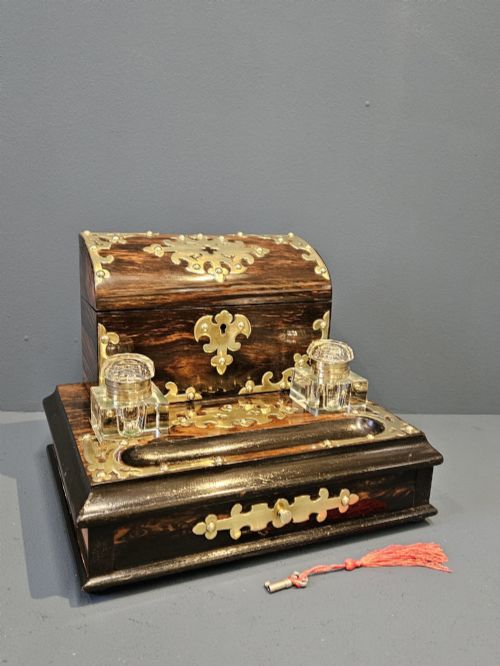
A brass mounted glass box covers a diverse group of containers designed for domestic use, spanning trinket boxes, inkstands, decanter boxes, and display tables. When you search for this phrase, you meet items originating from Victorian, Edwardian, and Georgian periods, alongside continental European pieces.
The form ranges from small desktop caskets and scent cases to large freestanding bijouterie tables and fitted tantalus units. Most examples date from the nineteenth century, utilising timber frames or direct metal mounts to hold bevelled or enamelled glass panels.
Materials and construction
These pieces rely on a structural frame of brass or ormolu joined with glass panels, frequently supported by timbers such as coromandel, mahogany, oak, and walnut. Interior linings of velvet provide a cushioned bed for bottles, stationery, or jewellery.
Joinery and metal casting dictate the build, with cast brass corners, hinges, and locks securing the glass. Bevelled edges on the glass panes and hand-painted enamel details appear across French and English examples from the nineteenth century.
Listings feature items from the Georgian, Victorian, and Edwardian periods, utilising brass, glass, mahogany, coromandel, and ormolu.
Assessing the standard
The quality of a brass mounted glass box rests on the precision of the metal casting and the thickness of the glass panels. Heavier ormolu mounts and bevelled glass indicate superior workshop output compared to pressed brass and thin panes.
Fitted interiors also separate standard containers from finer pieces, particularly where original glass bottles, velvet linings, and working locks remain intact.
The Brass Mounted Glass Box Glossary
- Ormolu
- Gilded bronze used for decorative mounts and framing on nineteenth-century boxes and tables. This technique provides a bright metallic finish that resists tarnishing.
- Bijouterie table
- A glass-topped display table designed for showing small ornaments and jewellery. These pieces often feature hinged lids and velvet-lined interiors.
- Tantalus
- A locking wooden or metal frame holding decanters visible to secure the contents from unauthorised access. The design prevents the removal of bottles without unlocking the handle.
- Coromandel
- A dense, dark timber with contrasting light streaks imported from Asia, frequently utilised for Victorian luxury boxes. It provides a durable and decorative carcass for brass mounts.
- Bevelled glass
- Glass with edges ground and polished at an angle to catch the light. This treatment adds depth and refinement to the panels of display caskets.
Brass Mounted Glass Box: Frequently Asked Questions
What is a tantalus?
A tantalus is a locking frame designed to secure decanters while keeping the contents visible. The mechanism holds the stoppers in place until a key is turned.
Victorian examples often combine this function with games compendiums or storage compartments for glasses and cigar accessories.
How are bijouterie tables used?
Bijouterie tables serve as display furniture for small collectibles, medals, and jewellery. The glazed top allows items to be viewed from above without handling.
They typically stand in drawing rooms or reception spaces as decorative accent furniture.
What timber appears most often?
Mahogany, oak, walnut, and coromandel form the primary wooden chassis for these pieces. Coromandel and walnut appear frequently in luxury nineteenth-century boxes.
Oak and mahogany serve both domestic desktop boxes and larger utilitarian storage cabinets.
How do I date a glass box?
Dating relies on the style of the brass mounts, the type of timber, and construction methods like machine-cut screws versus hand-finished joints. Victorian and Edwardian pieces show distinct revival styles ranging from Gothic to French Rococo.
Patent locks and maker stamps can narrow the production window further.