


Antique Bonbonniere Box
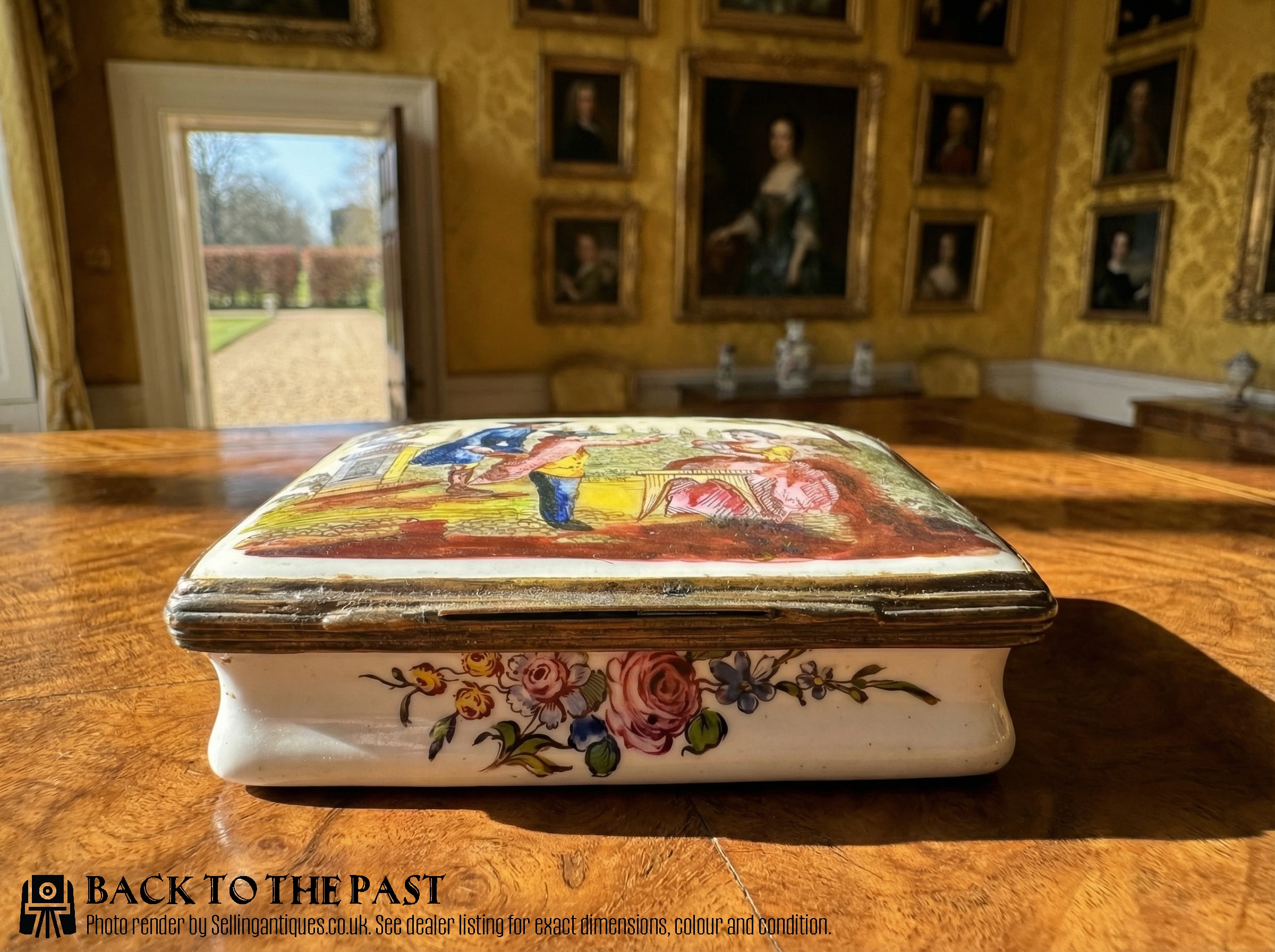
An antique bonbonniere box holds small confections or keepsakes, offering a glimpse into eighteenth and nineteenth century domestic refinement.
Antique Bonbonniere Box
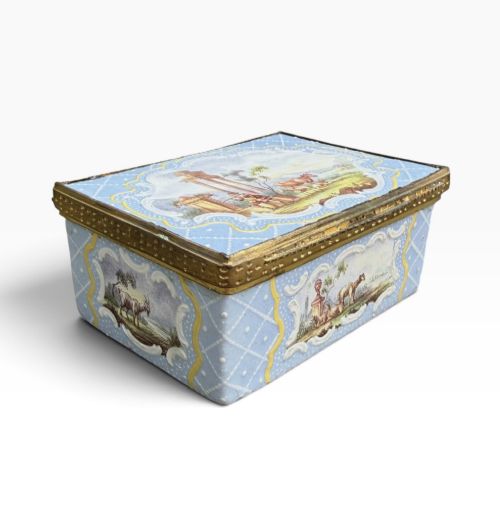
When you search for an antique bonbonniere box, you encounter small decorative containers designed to hold sweets, dragees, or tiny personal items. These pieces span from eighteenth century English enamel boxes to nineteenth century French porcelain and silver creations.
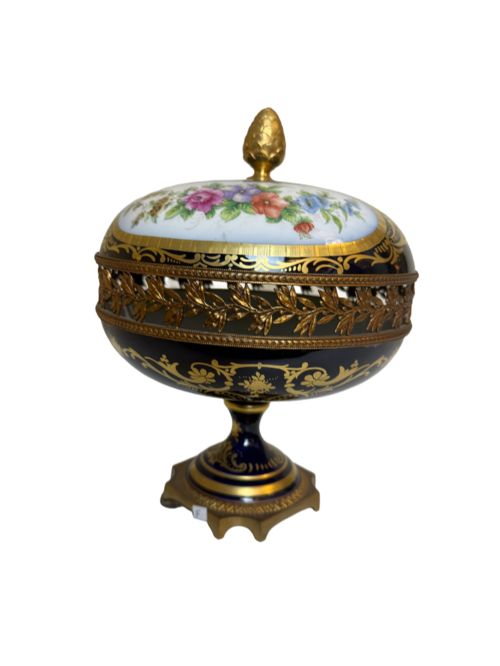
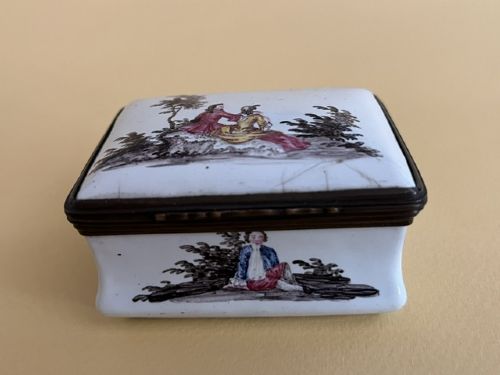
The versions you meet most frequently on this page include Georgian enamel patch boxes from Staffordshire and Bilston, alongside Limoges porcelain dishes and continental table snuff boxes. Their forms range from simple rectangles to figural models and lidded bowls.
How they were made
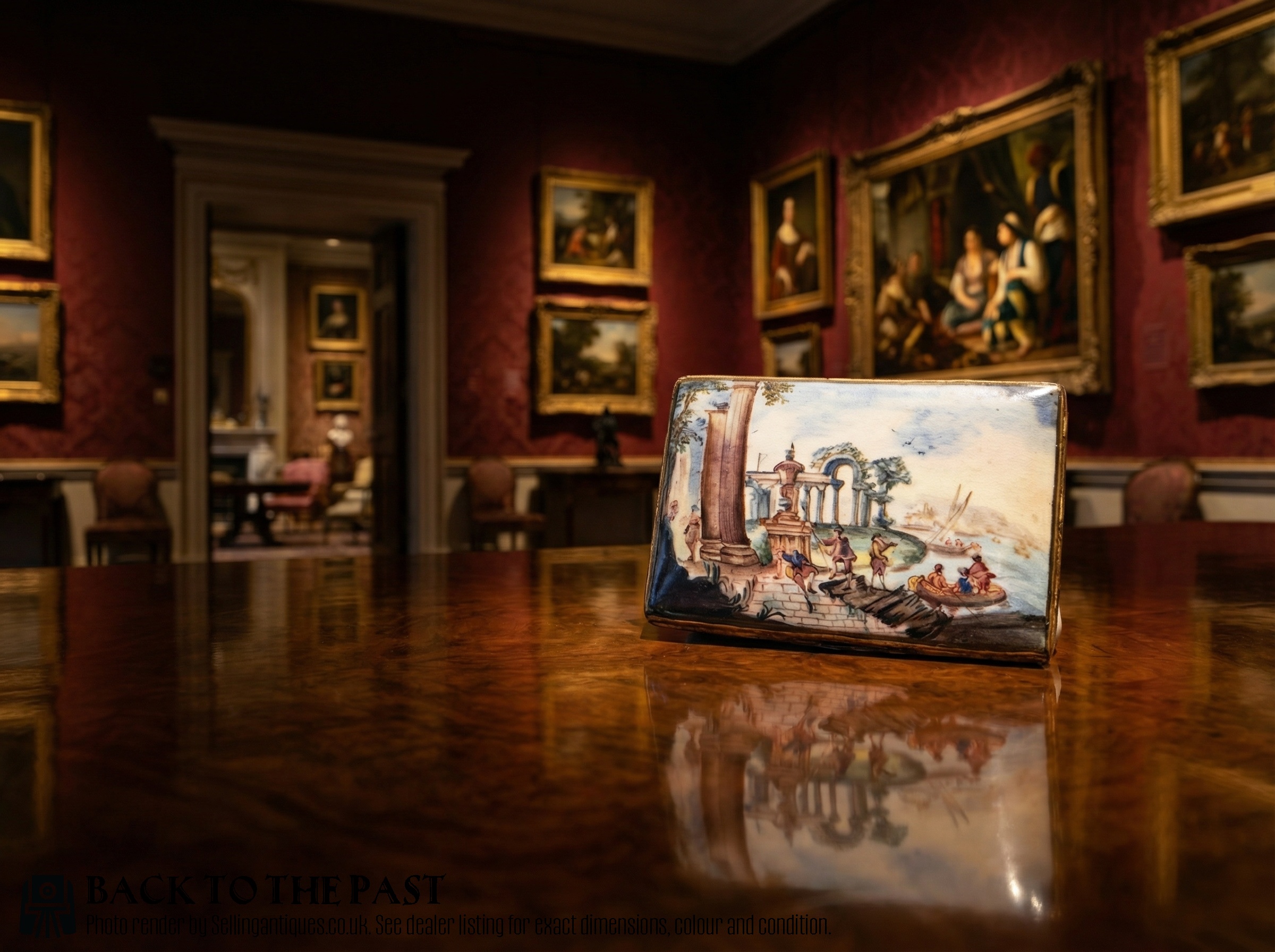
Enamel boxes rely on fusing powdered glass to copper or metal bases through kiln firing, often finished with hand painted polychrome scenes or inscriptions. Staffordshire and Bilston makers mastered this technique to produce vibrant lids and sides.
Porcelain bonbonnieres involve shaping fine paste ceramics, glazing, and applying intricate overglaze decoration, seen in works from Limoges and Meissen. Goldsmiths and silversmiths shaped precious metals using casting, chasing, and gilding to create solid gold and vermeil vessels.
Antique Bonbonniere Box Retail Price Guide 2026
Typical asking prices for bonbonniere box among the pieces listed under this phrase on Sellingantiques today, from the lower quarter to the upper quarter. They describe what is for sale here now, not the wider market.
What varies in quality
The distinction between standard containers and superior examples rests on the finesse of the hand painting and the precision of the metal mounts. Enamel pieces with crisp, well preserved pictorial scenes and intact copper hinges represent higher standard craftsmanship.
Makers such as Edme Samson or Meissen introduced a sculptural depth and porcelain fidelity that elevate certain dishes and figural boxes above utilitarian counterparts. The weight and purity of the gold, silver gilt, or ormolu mounts further define the upper tier of production.
Edme Samson Of Paris·Meissen·Limoges
The Antique Bonbonniere Box Glossary
- Bonbonniere
- A small ornamental box or container originally intended for holding bonbons, sugarplums, or dragees.
- Patch box
- A diminutive eighteenth century container fitted with a mirror inside the lid, used for storing cosmetic face patches.
- Bilston enamel
- Enamelwork produced in the Staffordshire town of Bilston, known for copper boxes with painted pictorial lids.
- Vermeil
- Sterling silver plated with a thin layer of fine gold, often utilised for interior and exterior box finishes.
- Dragee box
- A continental European vessel specifically designed to hold sugar coated almonds or small ceremonial sweets.
Antique Bonbonniere Box: Frequently Asked Questions
What went inside a bonbonniere box?
These small vessels originally held sweetmeats, sugared almonds, dragees, or scented breath pastilles for the wealthy owner.
Over time, people also used them to store small keepsakes, trinkets, or cosmetic patches.
How do I date an enamel box?
Dating relies on the manufacturing style, the shape of the copper base, and the characteristics of the enamel ground.
Eighteenth century pieces often show distinct copper gauge weights and hand painted palettes compared to later revival items.
Were these boxes used every day?
Wealthy owners kept them on dining tables, dressing tables, or carried them in pockets during social calls.
They served both a functional purpose for holding sweets and a decorative purpose to display social standing.
What is the difference between a patch box and a snuff box?
Patch boxes were designed for small silk or velvet beauty patches and frequently featured an interior mirror on the lid.
Snuff boxes were built to hold ground tobacco for inhalation, requiring tighter seals to preserve freshness.
How should I clean porcelain and enamel boxes?
Careful dusting with a soft, dry cloth is the safest method for preserving painted enamel and delicate porcelain surfaces.
Moisture and harsh chemicals must be avoided to prevent damage to the historic metal mounts and painted decoration.