


French Porcelain Box
A french porcelain box carries small treasures and dressing table essentials, uniting ceramic bodies with metal mounts across centuries of continental design.
French Porcelain Box
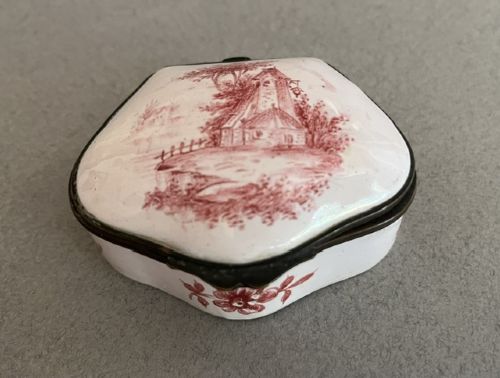
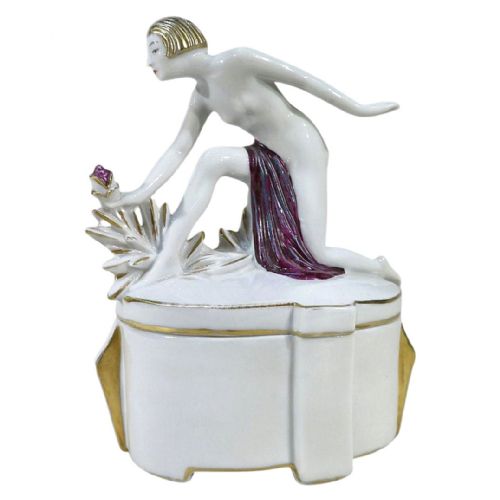
A french porcelain box is a container designed for trinkets, pills, powder, or jewellery, taking the form of round dishes, caskets, and figural bonbonnières. The pieces encountered most frequently span the nineteenth century, from Victorian examples to items produced around eighteen seventy, alongside eighteenth-century specimens and nineteen-thirty Art Deco powder bowls.
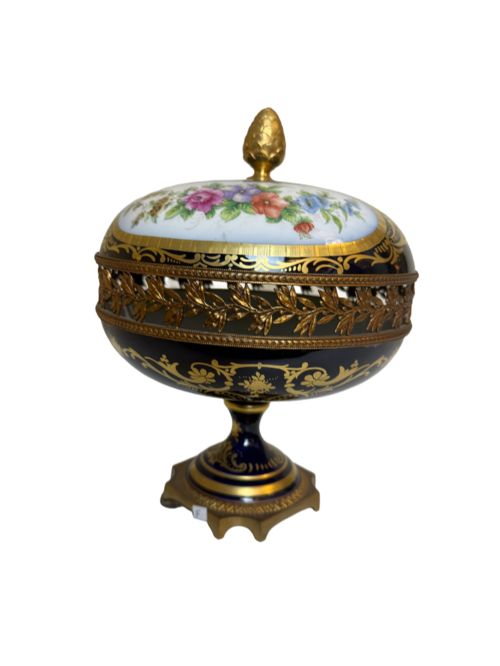
Makers and factories such as Sevres, Limoges, and Edme Samson shaped these objects, utilising styles that range from French Rococo Revival and Second Empire to Neoclassical Revival. Collectors also meet occasional glazed caskets, glass and enamelled variants, and desk sets inset with hand-painted porcelain panels.
The utility of these containers shifted from holding snuff and pills in earlier periods to housing powder and jewellery on nineteenth and twentieth-century dressing tables. Their survival demonstrates the enduring appeal of continental ceramic craftsmanship combined with metalwork mounts.
Materials and Technique
Makers constructed these vessels from porcelain, ceramic, and glaze, often painting the surfaces by hand with blue pigments, cobalt, or polychrome enamel scenes. Artisans frequently mounted the ceramic bodies in ormolu, gilt metal, bronze, and brass, securing the components with hinged clasps and bezels.
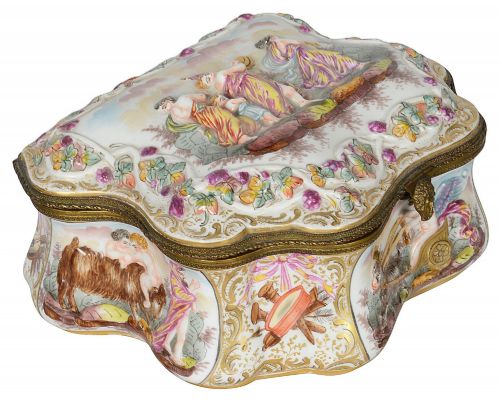
Nineteenth-century workshops applied gold leaf and gilt detailing to raised porcelain elements, while later Art Deco pieces embraced clean ceramic moulding and half-doll figural lids. Bronze and ormolu mounts were cast and chased to frame the porcelain plaques and panels precisely.
Object forms range from small pill boxes and snuff containers to large jewellery caskets, display tables, and Art Deco powder bowls.
Markers of Distinction
The standard of a french porcelain box rests upon the crispness of the hand-painted detail and the weight of the metal mounts. Finer examples display delicately rendered portraits or floral motifs on the porcelain, paired with substantial ormolu or gilt-bronze frames that fit the ceramic body snugly.
The execution of the metalwork distinguishes standard productions from exceptional works, particularly where hinges align smoothly and chased ornamentation remains sharp. Pieces bearing recognised factory marks or specific historical attribution command greater attention from collectors.
Edme Samson Of Paris·Limoges·Sevres
The French Porcelain Box Glossary
- Ormolu
- Gilded bronze mounts applied to furniture, clocks, and porcelain boxes. This technique involves coating cast bronze with a mercury and gold amalgam before firing.
- Bonbonnière
- A small decorative container made for holding sweets or confectionary. These small boxes often feature hinged lids and elaborate painted scenes.
- Bijouterie table
- A glass-topped display table designed for showcasing small treasures and jewellery. They share construction methods and decorative metal mounts with table-sized caskets.
- Sevres
- The renowned French porcelain manufactory operating near Paris. Pieces associated with this name display fine soft-paste or hard-paste ceramic bodies with rich cobalt and gilt decoration.
- Samson of Paris
- A nineteenth-century French workshop known for producing high-quality replicas and interpretations of historic ceramics. Their output includes pieces marked in imitation of earlier factories.
French Porcelain Box: Frequently Asked Questions
What did they hold?
These containers served various personal storage needs on dressing tables and writing desks. Eighteenth-century examples typically contained snuff, patches, or small pills.
Later nineteenth and twentieth-century versions held powder, hairpins, trinkets, and fine jewellery.
How do I date them?
Dating relies on stylistic clues, factory marks, and the combination of materials used in the mountings. Rococo Revival and Neoclassical styles generally point to the nineteenth century, while geometric lines indicate nineteen-thirty Art Deco production.
Examining the hinges, metal patination, and ceramic body provides further confirmation of the manufacturing era.
Are they all from Sevres?
Many fine pieces carry associations with Sevres, but production was widespread across France. Limoges and independent workshops like Samson of Paris also created significant quantities of painted porcelain boxes.
Factory marks help identify the specific origin, though unmarked pieces remain common.
How should I clean them?
Dusting with a soft, dry brush protects the delicate hand-painted surfaces and gilt details. Moisture and harsh cleaning agents must be avoided to prevent damage to the enamel and metal mounts.
Ormolu mounts respond best to gentle wiping with a dry microfiber cloth.