
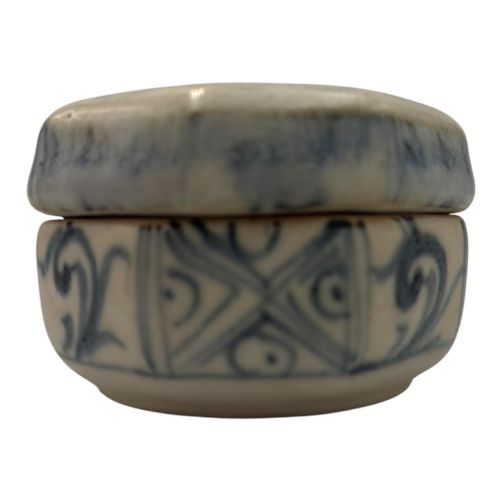
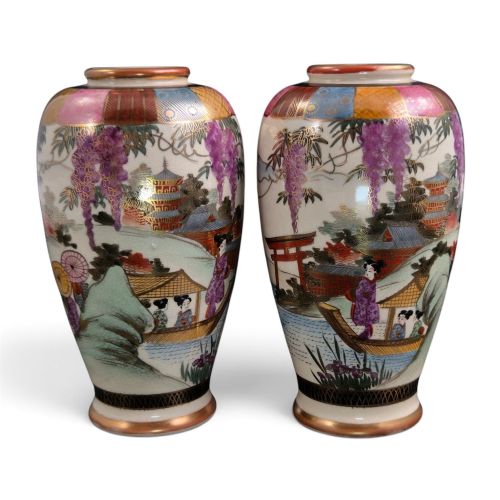
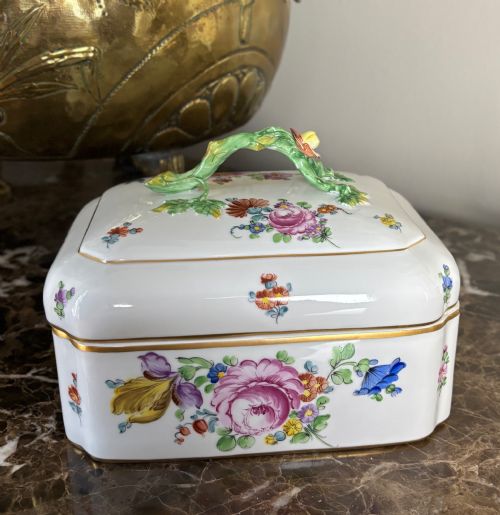
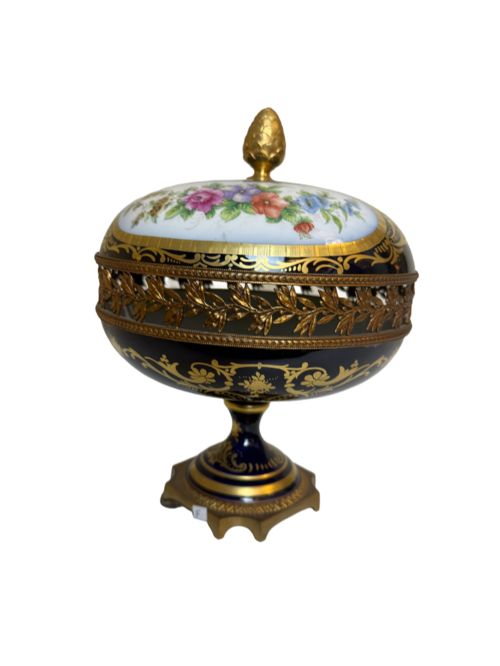




Painted Porcelain Box
A painted porcelain box brings together delicate ceramic craft and miniature artistry, serving as a container for keepsakes that captures European and Asian decorative traditions.
Painted Porcelain Box
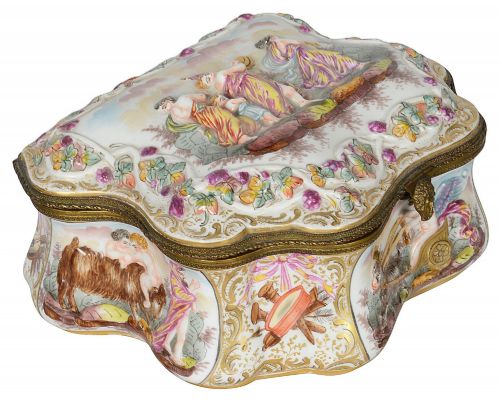
A painted porcelain box encompasses small lidded vessels designed for trinkets, jewellery, powder, and desk accessories, appearing across various centuries and origins.
The selections available here rely heavily upon French, German, and Italian workshop traditions from the nineteenth century, alongside earlier Asian examples.
Forms span from simple round pill containers and heart-shaped dishes to grand ormolu-mounted table caskets and lidded pen boxes.
Materials and Method
Craftsmen shaped ceramic and porcelain bodies by hand or mould, applying polychrome enamel paints and decorative glazes before kiln firing.
Many European examples integrate cast ormolu, brass, and gilt metal mounts to frame the porcelain plaques and secure hinged lids.
Listings feature porcelain boxes spanning the eighteenth, nineteenth, and twentieth centuries, incorporating ceramic, enamel, ormolu, and gilt metal materials.
Evaluating Quality
Superior items display finely detailed hand-painted brushwork on the ceramic surface rather than transfer printing, often showing subtle shading and distinct palette control.
The integration of metal mounts, such as heavy chased ormolu or cast brass fittings, marks the distinction between standard utilitarian containers and grander presentation pieces.
Carrington·Richard Ginori·Samson of Paris·Meissen·Ridgway
The Painted Porcelain Box Glossary
- Ormolu
- Gilded bronze or brass applied as mounts, feet, or hinges on decorative containers. This material adds structural weight and ornamental flourish to nineteenth-century caskets.
- Sucrier
- A covered sugar bowl or box originating in dining ware but frequently crossing into decorative ceramic forms. These pieces share similar proportions with larger trinket caskets.
- Casket
- A large box, often rectangular or table-standing, intended for jewellery or precious documents. They frequently incorporate secondary materials like wood, velvet, and metal alongside porcelain.
- Bonbonniere
- A small ornamental box specifically made to hold sweets or confectionery. These delicate containers often feature hinged lids and intricate exterior painting.
Painted Porcelain Box: Frequently Asked Questions
What were painted porcelain boxes used for?
These small vessels served practical purposes on dressing tables and desks, holding items such as pins, powder, jewellery, and snuff.
Larger caskets and boxes accommodated letters, writing instruments, or sweetmeats, functioning as both storage and room decoration.
How do I care for my painted porcelain box?
Gentle dusting with a soft, dry cloth is sufficient for maintaining the glazed ceramic surface and metal mounts.
Harsh chemical cleaners or immersion in water should be avoided, as moisture can damage delicate gilt details and older adhesives.
How can I tell French boxes apart from other types?
French pieces from the nineteenth century frequently incorporate elaborate ormolu mounts, Sevres-style markings, and Limoges or blue ground ceramic bodies.
They tend to favour Rococo Revival shapes and finely rendered floral or figural enamel scenes.
Are these boxes fragile?
Ceramic and porcelain materials require careful handling to prevent chipping, cracking, or surface scratching on the painted enamel decoration.
Hinged metal mounts and clasps should also be opened gently to avoid stressing the joints where metal meets porcelain.