


Porcelain Trinket Box
A porcelain trinket box sits on the dressing table to hold small valuables and powders with grace.
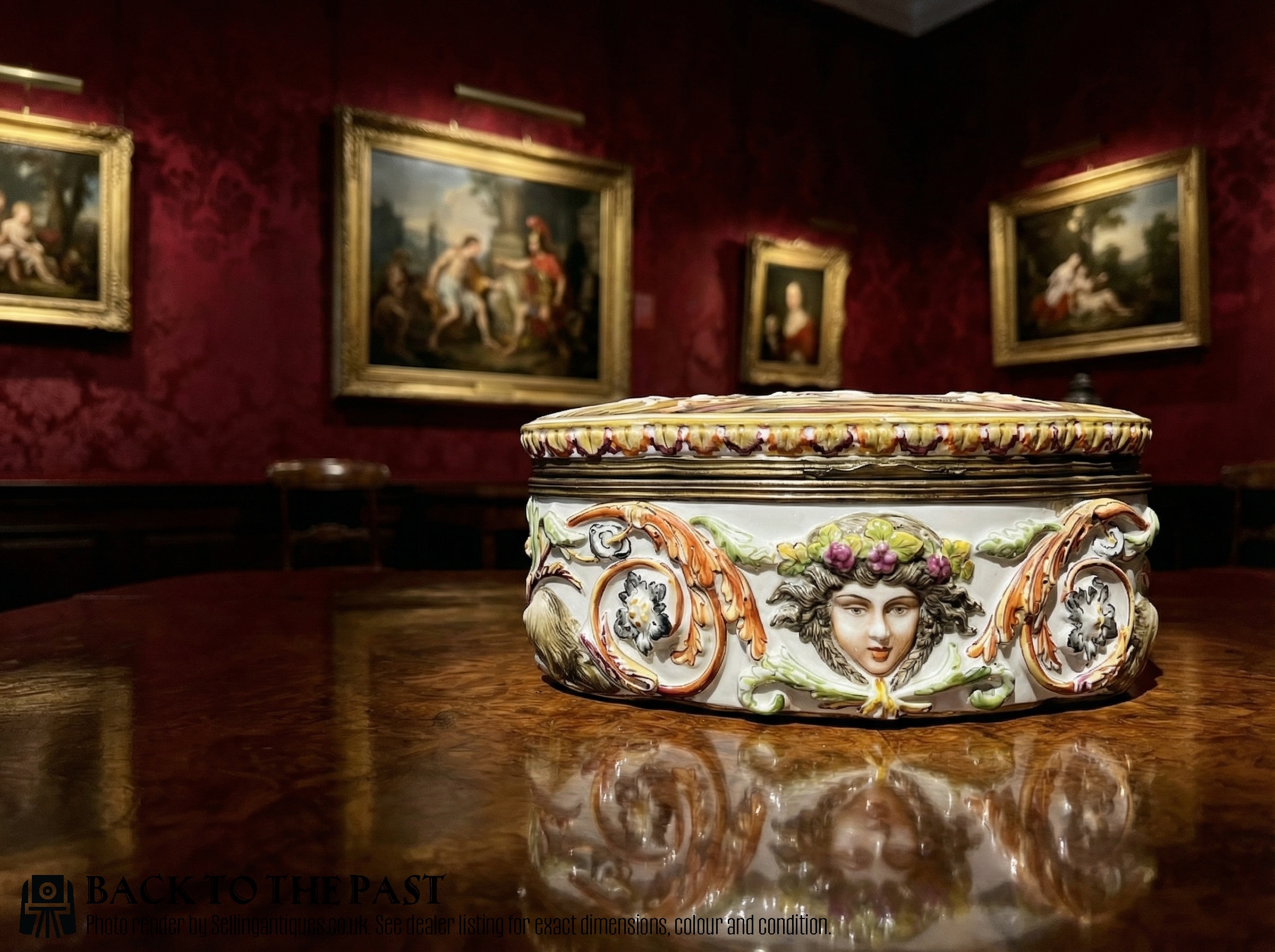
What porcelain trinket boxes are
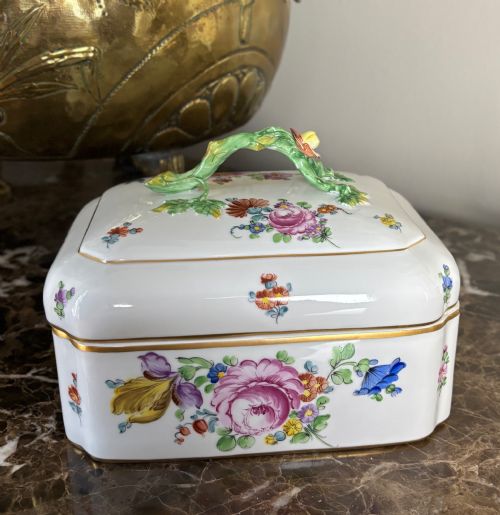
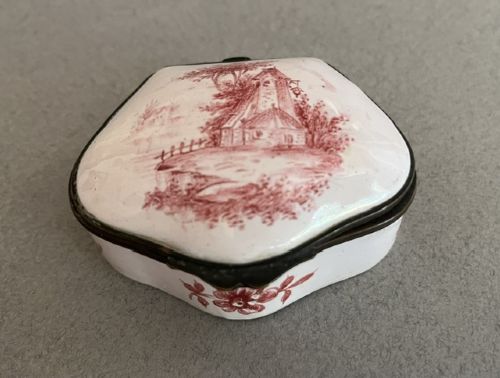
When you search for a porcelain trinket box, you encounter dresser boxes, powder jars, and small caskets designed for the boudoir. The pieces gathered here span from the mid-nineteenth century through the Art Deco era of the 1930s.
The nineteenth-century examples often lean towards Rococo Revival tastes, featuring hand-painted scenes and brass or ormolu mounts. By contrast, the 1930s pieces showcase ceramic and porcelain half dolls, flapper figures, and vanity sets.
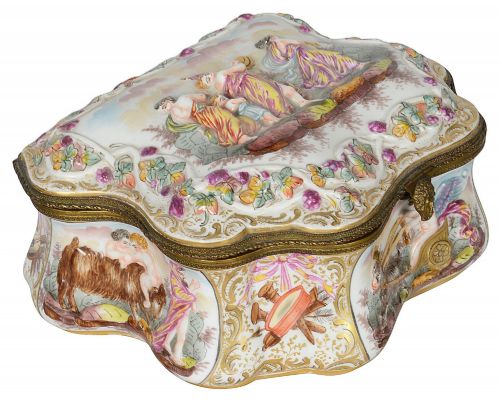
You are most likely to meet either Victorian Italian table caskets or Art Deco flapper girl dresser boxes on this page. These small containers served practical purposes for holding cosmetics and trinkets while decorating the bedroom.
How they were made
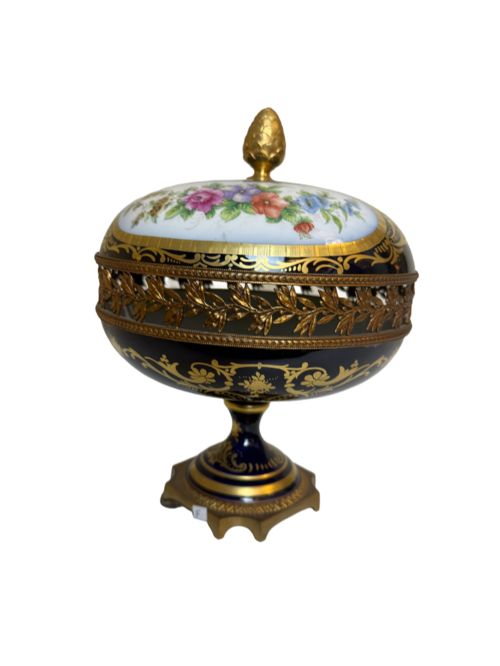
Many items incorporate brass or ormolu mounts, hinges, and inset painted porcelain plaques. Artisans constructed these containers by combining fired ceramic bodies with metal hardware and hand-applied enamel details.
Many a 1930s flapper half doll spent her mornings guarding face powder rather than secrets.
What varies in quality
Quality rests in the precision of the hand painting and the complexity of the modelling, particularly on figurative pieces like half dolls. Finer boxes display crisp facial expressions and careful brushwork on the porcelain surfaces.
The metalwork also defines the tier of the piece, with heavier brass and detailed ormolu mounts separating standard production from finer work. Superior examples integrate the ceramic body and metal hardware into a cohesive, balanced object.
The Porcelain Trinket Box Glossary
- Half doll
- A ceramic or porcelain doll figure depicted from the waist up, often used as the lid for powder and trinket boxes. These figures frequently represent flimsily clad ladies of the 1930s.
- Ormolu
- Gilded bronze or brass mounts applied to furniture and decorative objects. This technique adds metallic structure and decorative trim to porcelain bodies.
- Capodimonte
- A style of Italian porcelain originating from Naples, known for its fine modelling and sculptural relief work. Victorian pieces in this tradition often take the form of ornate table caskets.
- Rococo Revival
- A nineteenth-century design style characterised by asymmetry, scrollwork, and naturalistic motifs. Boxes from this period utilise these swirling decorative elements on their metal mounts and painted scenes.
Frequently Asked Questions
What are porcelain trinket boxes used for?
These small containers held pins, jewellery, hair accessories, and cosmetics on the dressing table. Victorian ladies and 1930s flappers kept them on display for daily grooming.
They served as both decorative ornaments and practical storage for precious items in the bedchamber.
How do I date a trinket box?
Dating relies on the stylistic clues of the piece, such as the clothing on a half doll or the shape of the mount. Art Deco items from the 1930s feature distinct geometric or flapper styling compared to earlier Victorian work.
Materials and manufacturing techniques also help establish the era, with nineteenth-century pieces often showing heavier hand painting and Rococo brass mounts.
Where were these boxes made?
Origins span across Europe, including England, France, and Italy, depending on the specific period and workshop. French makers favoured ormolu mounts, while Italian makers produced notable table caskets.
Continental factories also contributed significantly to the supply of hand-painted porcelain plaques used in these boxes.
How do I care for antique porcelain?
Clean porcelain and ceramic surfaces gently with a dry or slightly damp cloth to avoid damaging hand-painted details. Keep metal mounts away from moisture to prevent tarnish and corrosion.
Handle lids with care, particularly those featuring delicate half doll figures or fitted brass hinges.