



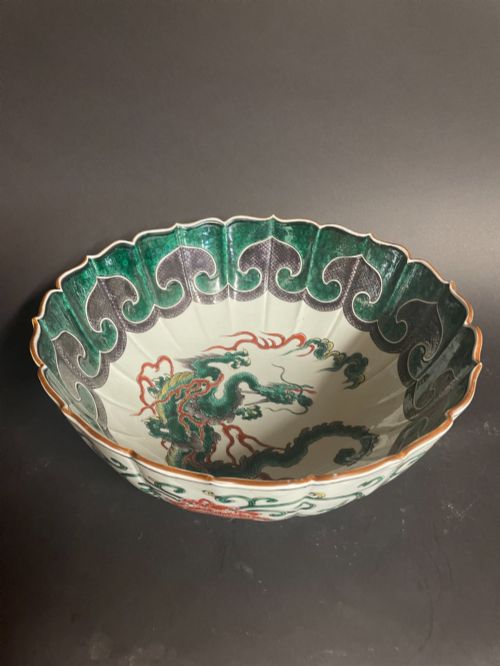
Vintage Porcelain Dish
A vintage porcelain dish brings centuries of painted craft to a table, offering hand-decorated scenes and rich gilding.
Vintage Porcelain Dish
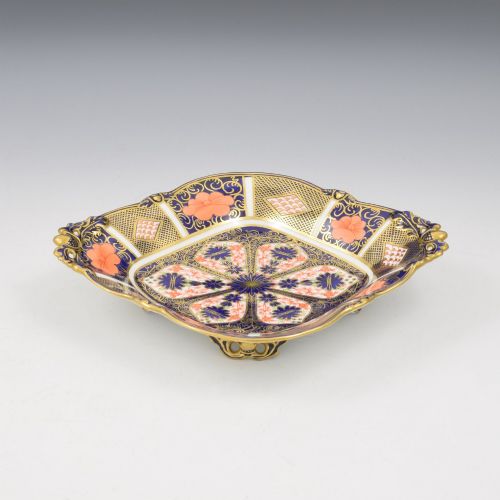
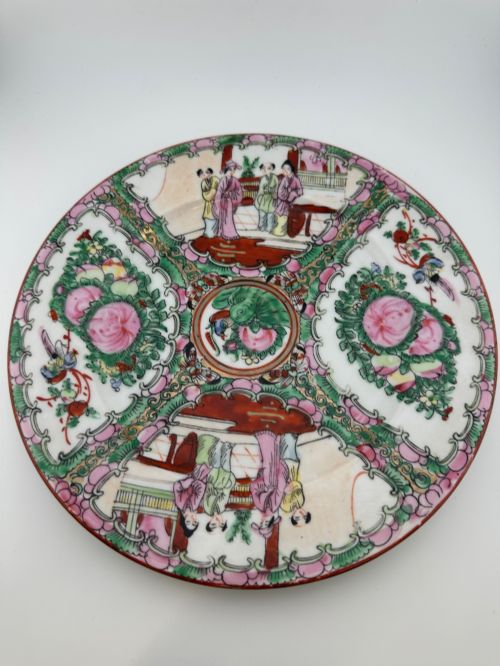
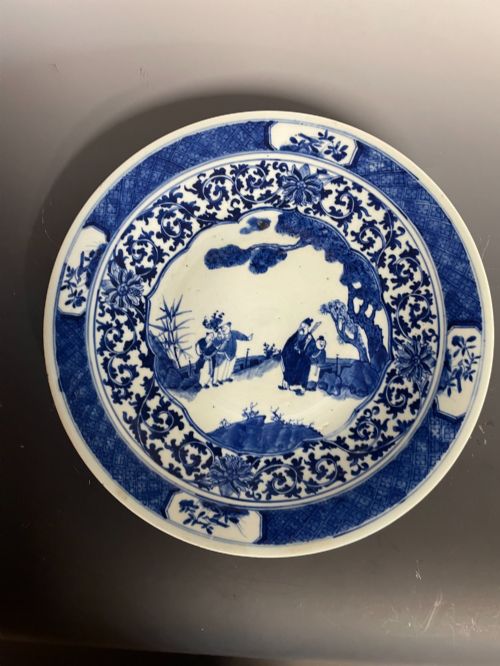
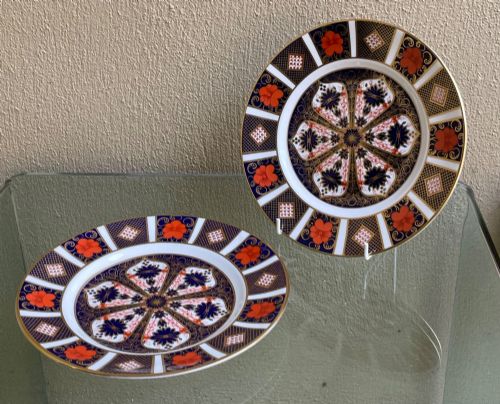
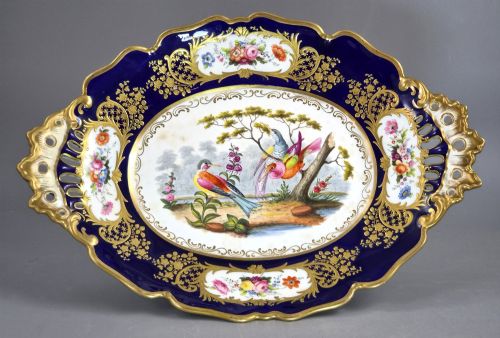
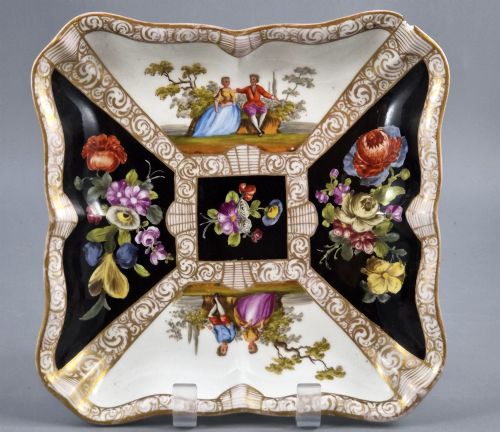
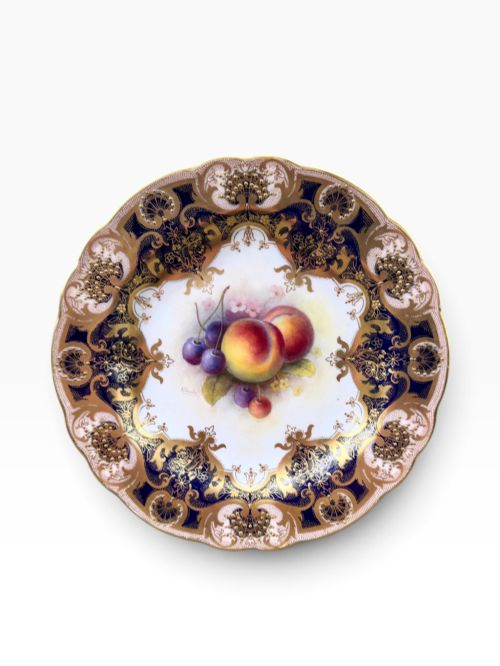
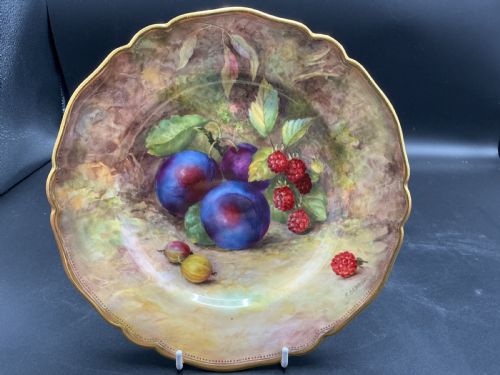
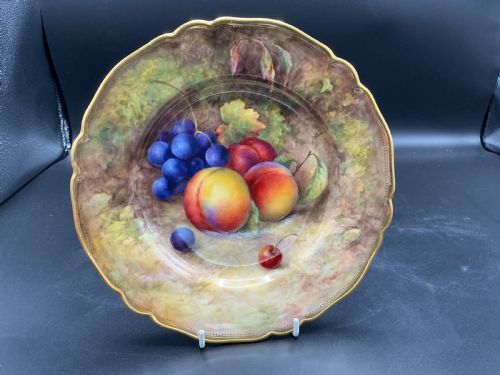
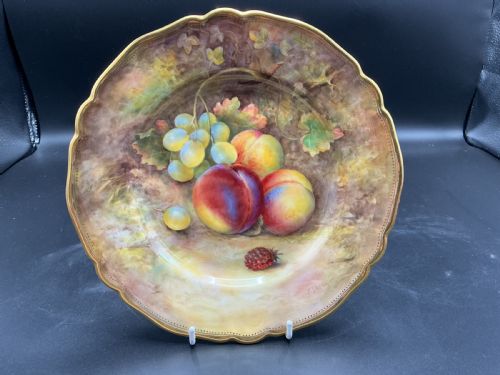
When you search for a vintage porcelain dish, you encounter a range of forms spanning decorative plates, cabinet plates, bowls, chargers and oval dishes. The selection on this page stretches from eighteenth-century English Delft and Dr Wall Worcester pieces up to twentieth-century Royal Worcester fruit plates and Japanese Imari ware from the Meiji period.
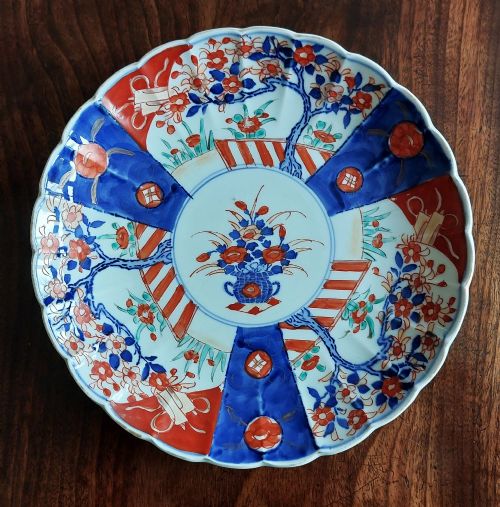
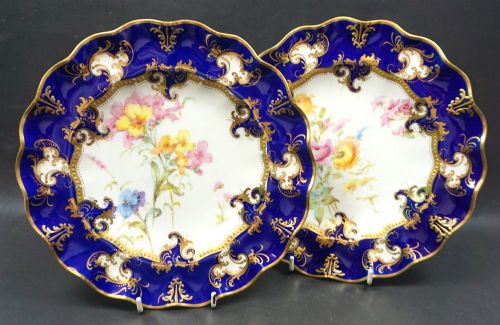
The most common versions met here combine European factory porcelain with hand-painted floral, fruit or Watteau scenes, alongside traditional Japanese Imari patterns featuring scalloped edges and cobalt blue and iron red motifs. Makers such as Coalport, Royal Crown Derby and Meissen appear frequently among the English and continental ceramic examples.
Objects range from functional dessert dishes and cheese dishes to purely decorative cabinet plates designed for display. Periods represented span the Georgian, Regency, Victorian, Edwardian and Art Deco eras, as well as specific decades through the twentieth century.
How they were made
Potters shaped fine ceramic paste, bone china or porcelain before firing the bodies at high temperatures to vitrify the material. Artisans then applied colourful enamel paints, cobalt blue underglaze and intricate details by hand before a final glaze firing fixed the pigments.
Painters added gold leaf, rich gilding and gilt highlights to borders and scenes, often returning pieces to the kiln for low-temperature fixation. Specialist artists signed individual cabinet plates, recording meticulous brushwork in fruit and floral studies.
A hand-coloured cheese dish from the early nineteenth century proves that even dairy storage once demanded serious artistic dedication.
What varies in quality
The standard of a vintage porcelain dish rests on the precision of the hand-painting and the prominence of the artist or factory. Pieces featuring signed work by recognised painters like Richard Sebright or Albert Shuck display superior artistic execution compared to standard factory output.
The crispness of the moulded form, the richness of the enamel colours and the intact preservation of the gold leaf and gilding dictate the standing of individual items. Early soft-paste or hard-paste bodies with unblemished glaze and balanced composition command greater appreciation.
Royal Worcester·Royal Crown Derby·Coalport·Meissen·Royal Doulton·New Hall
The Vintage Porcelain Dish Glossary
- Cabinet plate
- A decorative plate intended for display in a cabinet or on a wall rather than for dining use. These often feature elaborate hand-painted scenes by named artists.
- Imari
- A style of Japanese porcelain featuring a distinct palette of cobalt blue, iron red and gold, exported heavily to Europe and widely copied by Western factories. Pieces often display scalloped edges and intricate panel designs.
- Charger
- A large decorative plate or dish used historically for ceremonial service or placed beneath other courses, later adapted for display. They provide a wide surface area for extensive painted decoration.
- Enamel
- Opaque glass-like pigments applied over the glaze of fired porcelain and fixed in a muffle kiln. This technique allows for vibrant multi-coloured pictorial scenes.
- Gilding
- The application of gold leaf or powdered gold suspended in a medium to the surface of ceramics. It accentuates rims, handles and decorative borders.
Vintage Porcelain Dish: Frequently Asked Questions
What is a cabinet plate?
A cabinet plate is a decorative dish created specifically for display rather than everyday dining use. They often showcase intricate hand-painted fruit, floral or landscape scenes by master artists.
These pieces were produced by major factories such as Royal Worcester and Royal Crown Derby, frequently featuring heavily gilded borders and signed artwork.
How do I identify Japanese Imari?
Japanese Imari porcelain is easily recognised by its traditional colour palette of cobalt blue, iron red and rich gold leaf highlights. The designs typically incorporate floral motifs, panels and scalloped edges.
Many examples date from the Meiji period and the nineteenth century, showing a strong aesthetic influence from traditional Japanese craftsmanship.
Were these dishes used for dining?
While many items functioned as dessert dishes, cheese dishes, soup tureens or dinner service plates, others were strictly ornamental. Functional pieces show shapes suited to specific table uses.
Plates with delicate gilding and fine cabinet painting were generally kept for display in cabinets or mounted on walls.
How do I care for antique porcelain?
Antique porcelain requires gentle handling to protect fragile enamel paint, delicate glazes and raised gilding. Hand washing in lukewarm water with mild soap is necessary.
Harsh detergents, scrubbing brushes and dishwashers should be avoided to prevent permanent damage to the historic surface decoration.
What is bone china?
Bone china is a type of soft-paste porcelain incorporating animal bone ash into the ceramic mixture. This composition creates a strong, durable body with a characteristic milky white translucency.
English potteries utilised bone china extensively for fine tableware and decorative dishes from the nineteenth century onward.