
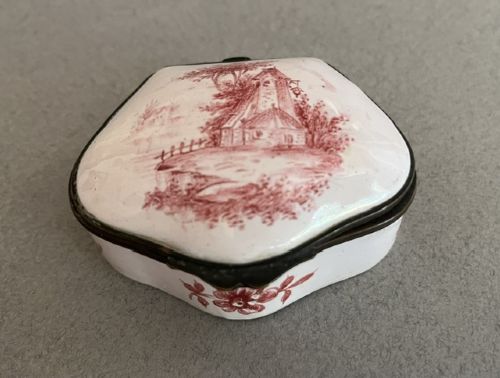


Porcelain Dresser Box
Porcelain dresser box pieces are charming receptacles for jewellery and powder, offering a decorative touch of history for a dressing table.
Porcelain Dresser Box
When you search for a porcelain dresser box, you encounter a variety of forms including trinket boxes, powder jars, jewellery caskets, and vanity bowls. These items serve as functional containers originating from periods spanning the eighteenth, nineteenth, and early twentieth centuries.
The pieces on this page heavily feature Art Deco designs from nineteen thirty, alongside French Rococo Revival and nineteenth century items. Origins span France, Germany, Austria, and Italy, reflecting diverse European ceramic traditions.
You are most likely to meet French examples and Art Deco half doll powder boxes among these listings. They range from round cobalt blue containers to figural compositions involving flapper girls and jesters.
Judging Quality
Quality rests in the precision of the hand painting and the application of gold leaf or gilt detailing. Finer examples display superior artistic execution in figural modelling, such as the facial expressions on half doll powder boxes.
The integration of metal mounts, including brass and ormolu, separates standard production from superior pieces. Heavier ceramic bodies and well preserved glazes indicate higher manufacturing standards.
Materials span porcelain, ceramic, enamel, brass, and ormolu, complemented by hand painting and gold leaf details.
Sevres·Meissen·Capodimonte·Limoges
The Porcelain Dresser Box Glossary
- Porcelain
- A ceramic material made by heating materials, generally including kaolin, in a kiln. It is known for its white, vitrified finish.
- Ormolu
- Gilded bronze applications used as mounts on decorative objects. This technique was common in French metalwork.
- Half Doll
- A ceramic upper torso figure used widely during the Art Deco period as a lid for powder boxes and jars. These figures often depict flapper girls or characters.
- Gilt
- A thin layer of gold applied to the surface of porcelain, metal, or wood. It provides a decorative metallic sheen.
- Rococo Revival
- A nineteenth century style reviving the ornate, asymmetrical ornamentation of the eighteenth century French Rococo period.
Porcelain Dresser Box: Frequently Asked Questions
What is a porcelain dresser box?
A porcelain dresser box is a small ceramic container designed for holding trinkets, jewellery, or cosmetic powder on a dressing table. They appear in various forms including bowls, jars, and caskets with fitted lids.
These pieces combine utility with decorative art, often featuring hand painted scenes, gilt highlights, or figural sculptures. Their production spans from the eighteenth century through to the Art Deco era.
How do I date a porcelain box?
Dating relies on stylistic clues, materials, and manufacturing techniques characteristic of specific periods like the nineteenth century or nineteen thirty. Art Deco pieces often show distinct geometric or flapper figure designs.
Examining the type of ceramic body, the style of hand painting, and any associated metal mounts like brass or ormolu helps narrow down the era. Maker marks, where present, provide further chronological context.
Were these boxes used for powder?
Many of these items functioned specifically as powder boxes, jars, or bowls for dressing tables. Women used them to hold loose cosmetic powder before the advent of modern compacts.
Others served as trinket boxes or jewellery caskets for safekeeping small personal valuables. The shallow bowl forms accommodated puffs and loose cosmetics.
How do I clean an antique box?
Cleaning requires gentle methods to preserve fragile glazes, hand painted details, and delicate gilt or gold leaf surfaces. Dusting with a soft, dry cloth is generally sufficient for regular maintenance.
Harsh chemical cleaners or abrasive materials must be avoided because they damage the porcelain glaze and metal mounts. Metal fittings like ormolu require careful handling to prevent tarnishing agents from spreading.