



19th Century French Casket
These decorative containers offer a glimpse into nineteenth-century Paris, providing an elegant way to store small personal treasures.
19th Century French Casket
A 19th century french casket encompasses a variety of functional containers designed for domestic use, ranging from jewellery boxes and trinket boxes to tea caddies and stationery caskets. The pieces available traverse the nineteenth century, capturing periods from the Regency and Charles X eras through to the Victorian epoch and the late eighteen-nineties.
The majority of these items serve specific storage functions, functioning as receptacles for letters, playing cards, perfume bottles, or personal ornaments. Artisans produced them in diverse shapes including rectangular table boxes, round porcelain vessels, and novelty items modelled on coaches and carriages.
Materials and Construction
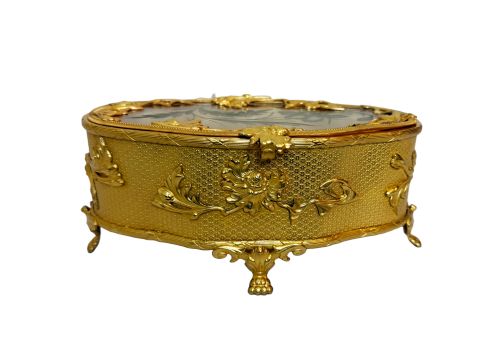
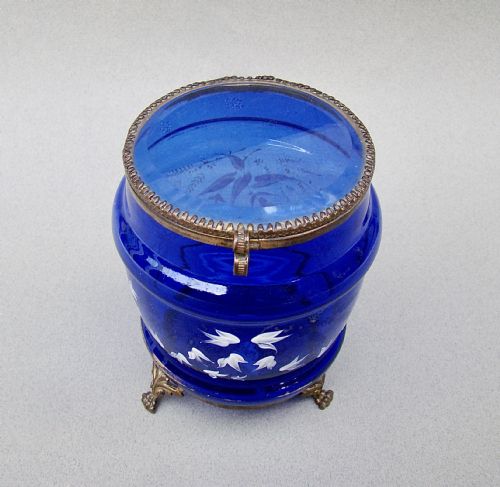
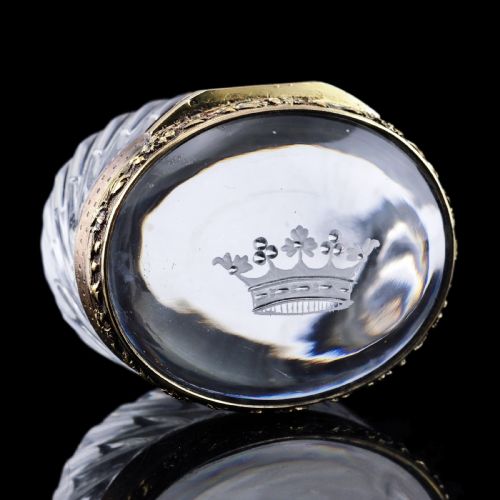
Caskets from this period rely heavily on a foundation of cast or gilded metals, specifically ormolu, bronze, and brass, often paired with glass panels or porcelain plaques. Ormolu mounts frequently frame sections of bevelled glass, Sevres porcelain, or Limoges miniatures.
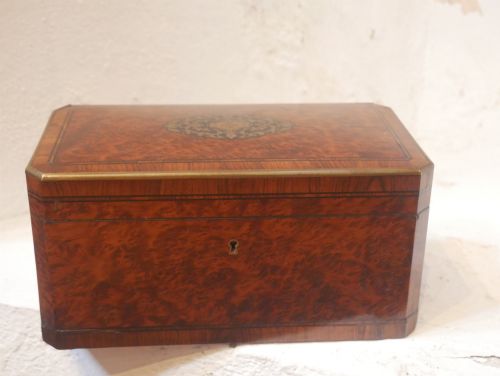
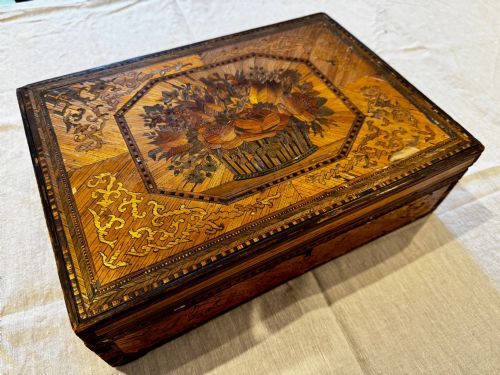
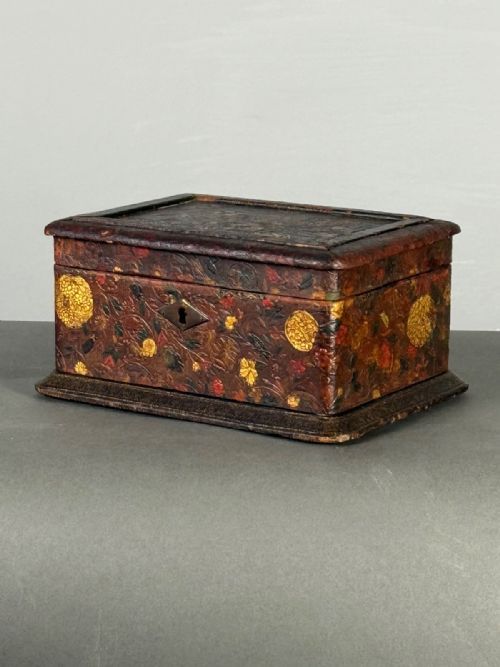
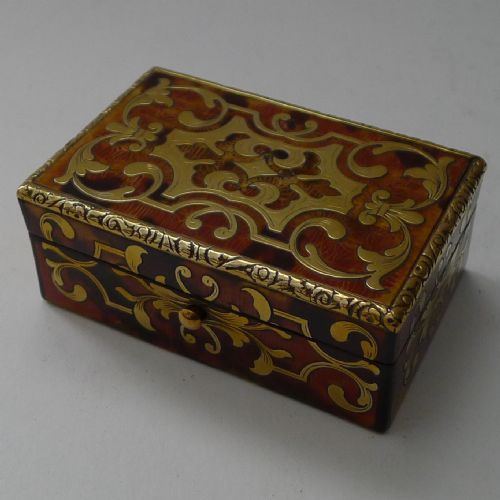
Wooden examples utilise exotic and native timbers such as amboyna, satinwood, kingwood, oak, and fruitwood, sometimes enhanced with marquetry, boullework, or cut steel decoration. Leather, enamel, and crystal also appear, demonstrating the diverse techniques employed by Parisian workshops.
19th Century French Casket Retail Price Guide 2026
Typical asking prices for 19th century french casket among the pieces listed under this phrase on Sellingantiques today, from the lower quarter to the upper quarter. They describe what is for sale here now, not the wider market.
The selection includes specialised forms such as ballot boxes, ecarte playing card boxes, tea caddies, and miniature carriage novelties.
Design and Execution
The distinction between standard commercial boxes and exceptional works lies in the crispness of the bronze casting and the precision of the ormolu chasing. Superior examples exhibit finely detailed mounts, secure hinges, and well-fitted interiors lined in silk or velvet.
Material selection further defines the hierarchy, with hand-painted porcelain panels, intricate champleve enamel work, and complex marquetry elevating an object beyond simple utility. Signed pieces associated with notable makers demonstrate superior craftsmanship compared to unmarked production items.
Tahan Paris·Susse Freres Paris
The 19th Century French Casket Glossary
- Ormolu
- Gilded bronze used extensively for decorative mounts on furniture and decorative boxes during the nineteenth century. This technique involves applying a mercury and gold amalgam to a bronze base.
- Boullework
- A style of marquetry utilising brass and tortoiseshell inlaid in counterpoint patterns, named after the cabinetmaker Andre-Charles Boulle. It appears frequently on nineteenth-century stationery and trinket boxes.
- Champleve
- An enamelling technique where troughs or cells are hollowed out of a metal surface and filled with vitreous enamel powder before firing. The resulting surface shows coloured patterns divided by thin metal lines.
- Sevres
- Porcelain produced by the state-owned factory in France, often featuring hand-painted decorations and rich cobalt blue grounds. These plaques frequently adorn the lids of nineteenth-century jewellery caskets.
19th Century French Casket: Frequently Asked Questions
What were 19th century french caskets used for?
These boxes served multiple domestic functions in wealthy households, primarily holding jewellery, trinkets, letters, or playing cards. Some housed specialised items like perfume bottles, tea caddies, or stationery.
Owners kept them on dressing tables, desks, or in reception rooms as both decorative objects and secure storage for small valuables.
How can I identify the period of a casket?
Dating relies on stylistic clues, materials, and manufacturing techniques associated with specific decades of the nineteenth century. Pieces displaying heavy ormolu mounts and porcelain plaques often align with the Second Empire or Napoleon III eras.
Earlier examples from the Regency or Charles X periods utilise different wood veneers and simpler neoclassical or revival motifs.
Are these boxes usually signed by makers?
Many boxes remain unmarked, but notable retailers and makers such as Tahan or Susse Freres occasionally stamped their names on locks, linings, or bronze mounts. Signatures typically appear on the brass lock plate inside the lid.
Unsigned pieces can still be attributed to specific periods through stylistic analysis of their hardware and construction methods.
How do I care for antique metal and wood boxes?
Maintenance requires gentle handling and protection from direct sunlight and extreme humidity changes, which can warp wood or damage delicate interior linings. Metal mounts like ormolu need only occasional dusting with a soft cloth rather than chemical cleaning.
Preserving the original silk or velvet lining helps maintain the historical integrity of the piece.