


Antique Metal Trinket Box
An antique metal trinket box holds your small keepsakes with the weight and character that modern castaways lack.
What an antique metal trinket box is
The examples found here draw on periods spanning the nineteenth century, including specific dates around eighteen hundred, eighteen sixty, nineteen ten, and nineteen twenty. Victorian, Gothic Revival, French Renaissance Revival, and Arts and Crafts styles dominate the aesthetic range of these receptacles.
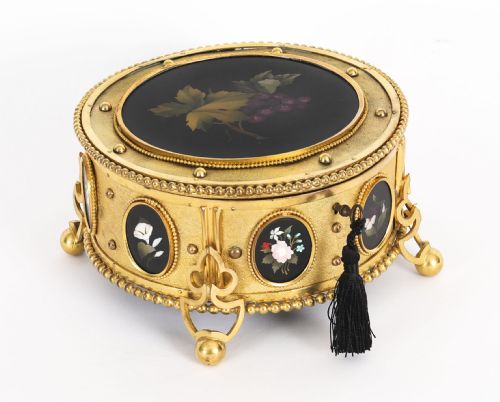
Buyers most frequently meet nineteenth-century French caskets and heavy cast metal boxes among these listings. Their purposes remain tied to personal storage and domestic display, holding small treasures just as they did generations ago.
How they were made
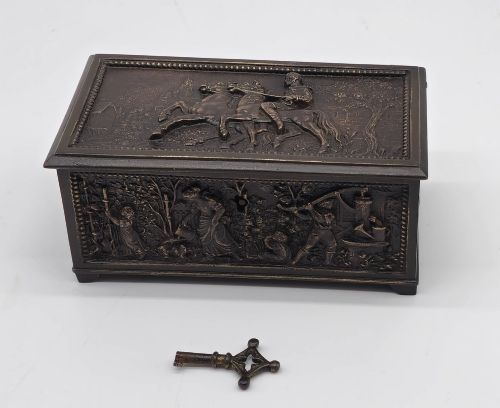
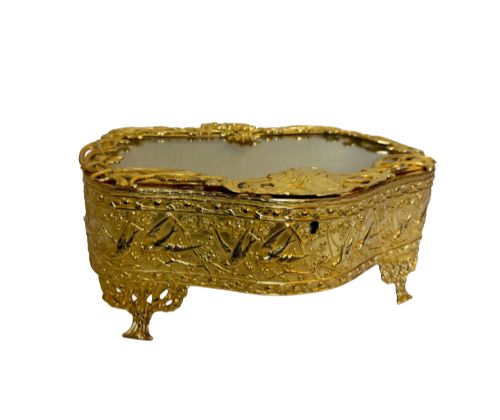
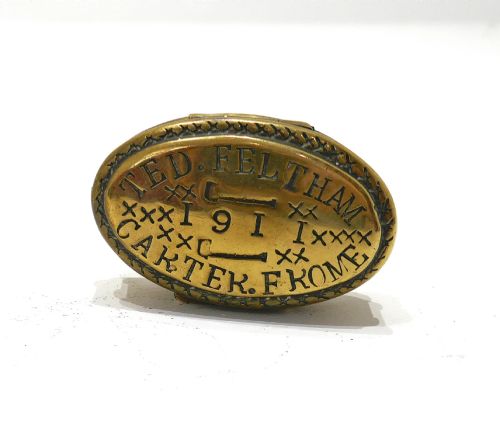
Makers formed these pieces from bronze, brass, gilt metal, cast metal, silvered metal, and pewter, often combining them with glass and wood. Workers shaped the bronze and cast metal through traditional founding techniques, producing robust structures capable of enduring centuries of handling.
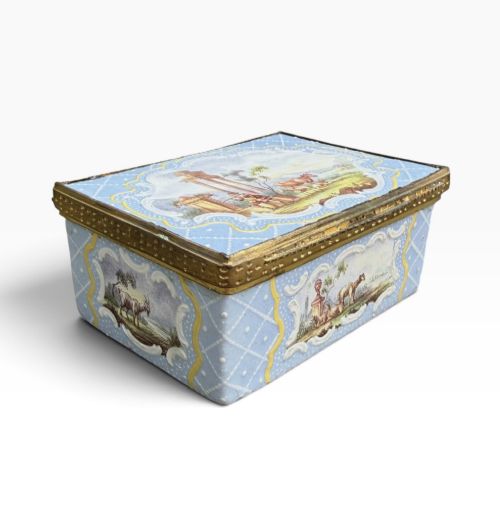
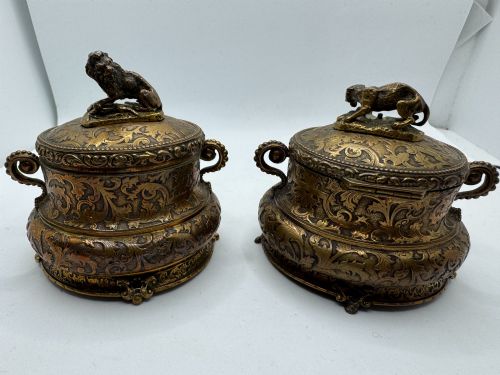
Surface ornamentation involved hand-beaten pewter work, delicate champleve enamel work, and applied decorative elements such as dog finials. Artisans also utilised chased rural scenes to enrich the exterior surfaces of bronze and gilt-metal caskets.
Retail Price Guide 2026
Typical UK retail prices for metal trinket box, calculated from the Sellingantiques database of over a million retail prices indexed since 2003. This retail price guide relies exclusively on Sellingantiques data; no external sources or auction records are used, so the figures do not describe the wider market.
A pair of gilt-metal caskets watches over your dressing table guarded entirely by faithful metal dogs perched upon the lids.
What varies in quality
The refinement of surface decoration and the crispness of casting separate standard domestic items from superior examples. Pieces bearing detailed champleve enamel or hand-beaten pewter display a higher level of artisan engagement than plain cast alternatives.
Structural heft and the integrity of applied elements, such as figurative finials and decorative hinges, dictate the standing of a box. Materials such as solid bronze or heavy cast metal lend a substantial feel that lighter base metals simply do not replicate.
The Antique Metal Trinket Box Glossary
- Casket
- A small decorative box or chest used for storing jewellery, letters, or precious trinkets. They often feature hinged lids and elaborate metalwork.
- Champleve enamel
- An enamelling technique where troughs or cells are sunk into the surface of a metal object and filled with vitreous enamel before firing. This creates colourful patterned designs flush with the surrounding metal.
- Finial
- A relatively small decorative ornament that terminates the top of an object, such as the sculptural dog figures seen on certain box lids. They provide a focal point for the design.
- Gilt metal
- Base metal treated with a thin layer of gold applied by fire gilding or other historical methods to simulate solid gold. This finish offers a bright, reflective appearance.
Frequently Asked Questions
What did people store in antique metal trinket boxes?
These boxes served primarily to hold rings, small brooches, loose coins, and personal tokens on dressing tables or writing desks.
Their substantial construction ensured that delicate personal valuables remained protected from dust and loss.
How do I date an antique metal trinket box?
Dating relies on identifying the prevailing decorative style, such as Gothic Revival or Arts and Crafts, alongside the specific metal alloys and manufacturing techniques used.
Examining the hinges, locks, and casting methods often reveals the period of manufacture.
Are these boxes suitable for daily use today?
Their sturdy metal construction makes them well suited for holding modern jewellery and small keepsakes on a daily basis.
Placing them on a soft surface helps protect both the antique base metal and the furniture beneath.
What is the difference between a casket and a trinket box?
Caskets tend to be larger, heavier, and more architecturally styled, often resembling miniature chests or coffers with hinged lids.
Trinket boxes generally present a more intimate scale intended specifically for small personal accessories.