

Vintage Keepsake Box
A vintage keepsake box organises small valuables, combining period craft with practical storage.
Vintage Keepsake Box
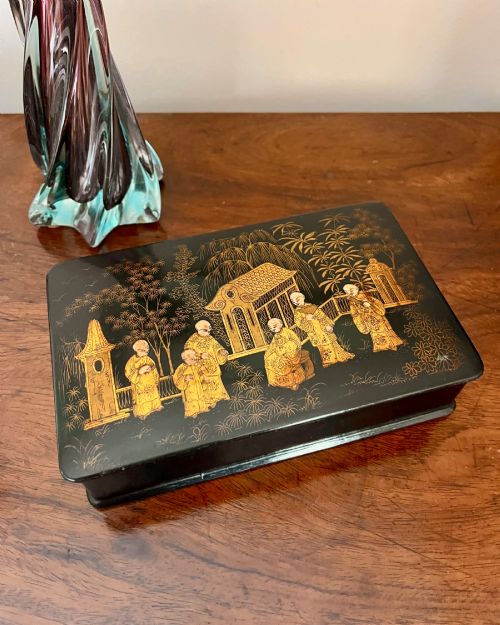
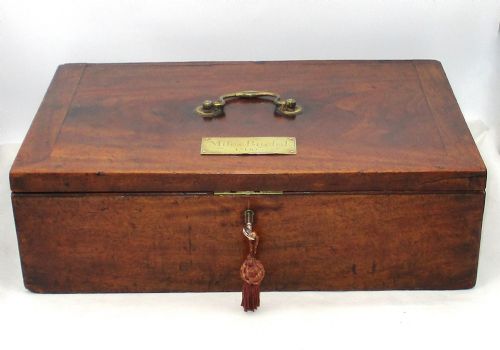
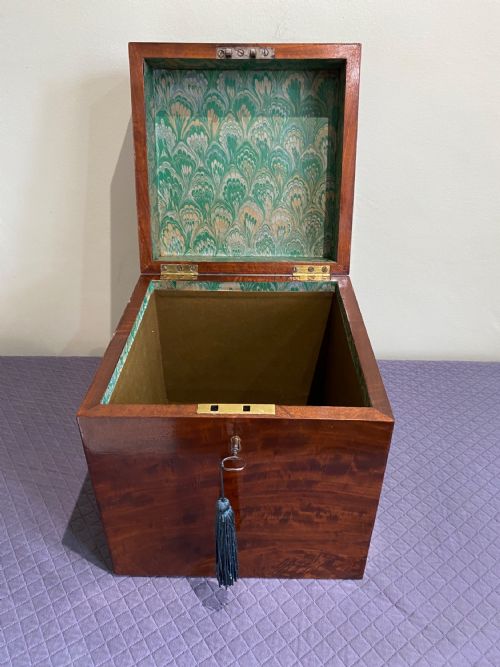
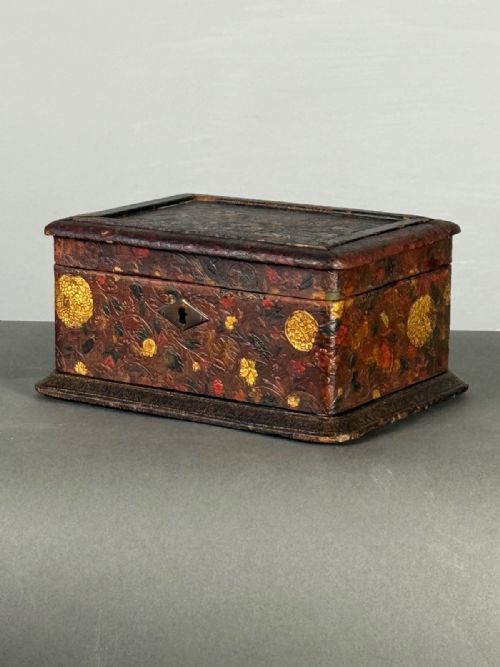
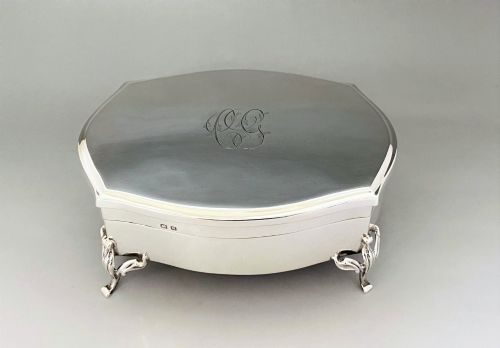
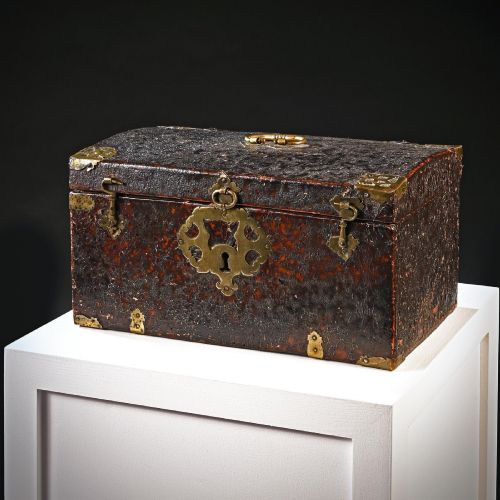
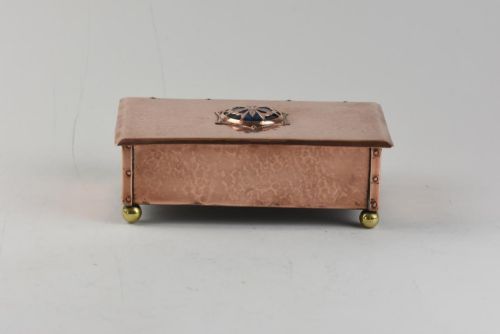
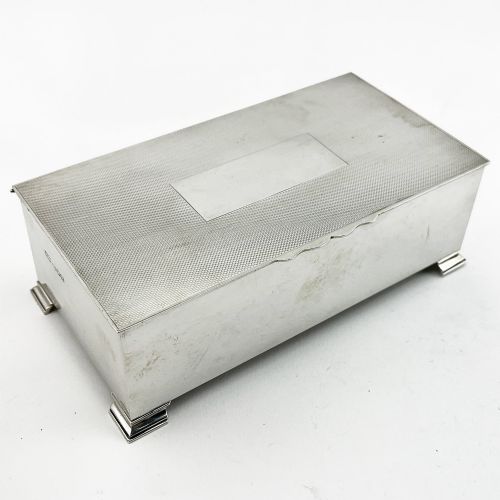
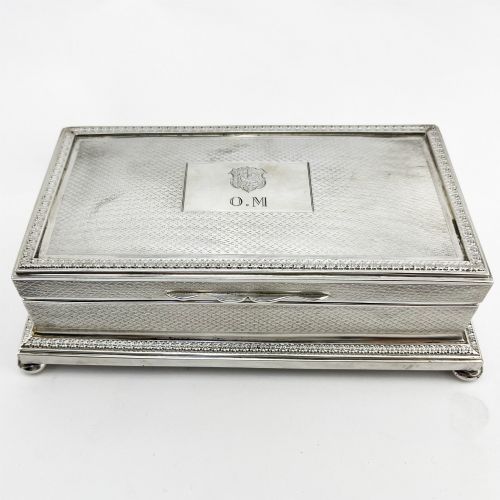
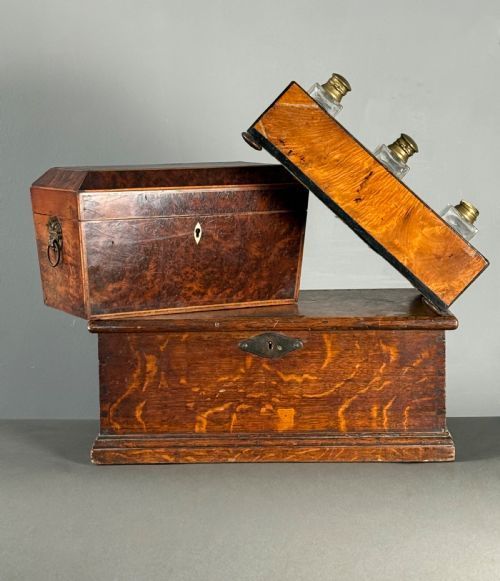
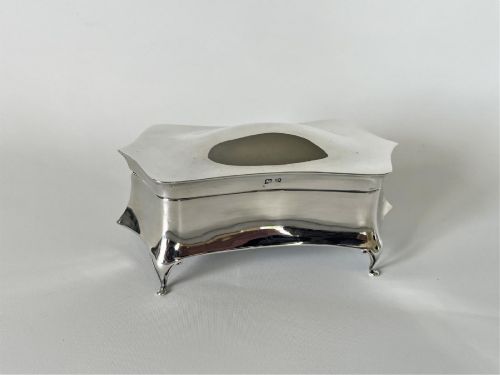
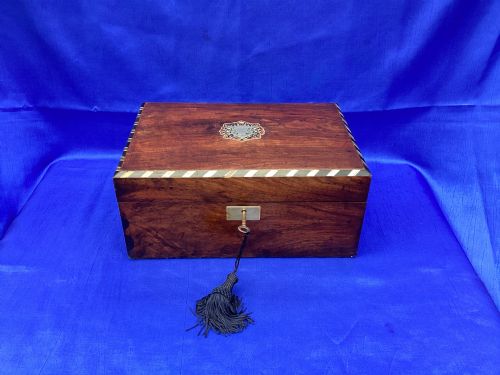
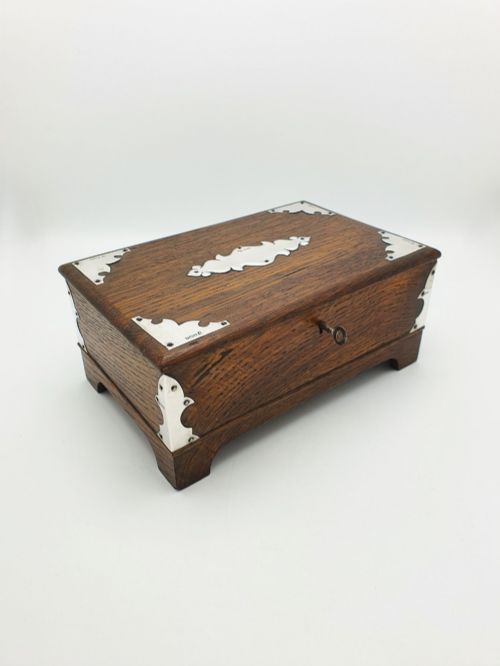
A vintage keepsake box spans various formats designed to hold jewellery, documents, tea, or trinkets. The selection includes decorative caskets, document chests, tea caddies, and small storage containers originating from different centuries.
Mahogany, pine, rosewood, and coromandel provide the wooden structures, while sterling silver, brass, copper, and iron contribute metal bodies and mounts. Leather, enamel, porcelain, and tortoise-shell appear across specific periods.
Victorian and Georgian pieces dominate the available timber and silver items, alongside Edwardian, Regency, Art Deco, and Arts and Crafts examples. French, Scandinavian, and British origins shape the design styles.
Materials and Techniques
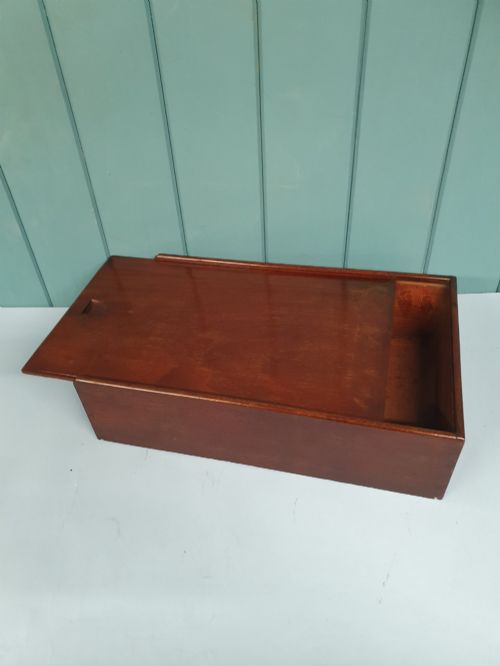
Cabinet makers utilised solid and veneered timbers such as flame mahogany, rosewood, and oak, often incorporating sliding lids, interior trays, or intricate inlay work. Metal boxes combine cast or sheet silver, brass, and copper with hinges, locks, and mounts.
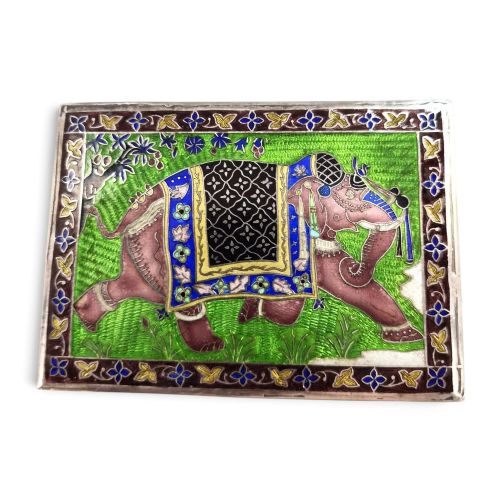
Surface decoration involves hand painting, lacquer work, enamel cabochons, mother-of-pearl details, and leather covering. Silver elements frequently display hallmarks, repoussé work, or oak linings fitted for cigars and cigarettes.
Vintage Keepsake Box Retail Price Guide 2026
Typical asking prices for vintage keepsake box among the pieces listed under this phrase on Sellingantiques today, from the lower quarter to the upper quarter. They describe what is for sale here now, not the wider market.
An Art Deco novelty box takes the literal shape of a Scottie dog.
Quality Variations
Construction standards differ between mass-produced items and pieces made by skilled workshops using superior hardwoods and heavy gauge silver. Precision in dovetail joints, the integrity of interior trays, and original hinges influence overall execution.
The preservation of delicate surfaces, such as lacquer, enamel, painted motifs, and tortoiseshell inlay, dictates the desirability of a piece. Maker attributions and silver hallmarks provide further distinction among similar boxes.
Susse Freres Paris·Holtzapffel and Co·Erhard and Sohne·Mappin and Webb·Georg Jensen
The Vintage Keepsake Box Glossary
- Tea Caddy
- A box designed for storing tea leaves, often featuring internal compartments or canisters.
- Cabochon
- A gemstone or piece of enamel polished to a convex, rounded form rather than faceted, frequently set into metal boxes.
- Repoussé
- A metalworking technique where the metal is hammered from the reverse side to form a raised design on the front.
- Campaign Box
- A portable chest or box constructed for military use with recessed brass handles and reinforced corners.
- Coromandel
- A dense, heavily figured East Indian timber valued for its dark brown colour and contrasting streaks.
Vintage Keepsake Box: Frequently Asked Questions
What were old boxes used for?
These receptacles held valuable personal items, tea, documents, cigars, and sewing equipment. Different interior configurations suited the specific items they stored.
Larger chests managed paperwork or cutlery, while smaller caskets protected jewellery, cards, and keepsakes on dressing tables.
How do I date a wooden box?
Wood choice, construction methods, and hardware styles indicate the period of manufacture. Georgian pieces often display distinct mahogany grains and hand-cut dovetails.
Later Victorian and Edwardian examples introduce machine-made elements, varied linings, and specific silver mount hallmarks that pinpoint the year.
Are silver boxes solid or plated?
Silver boxes in these selections feature solid sterling silver construction or silver mounts applied to wooden bodies. Hallmarks stamped into the metal verify the standard and origin.
Wooden interiors in silver cigarette boxes are typically cedar or oak to preserve the contents.
How should I clean a vintage box?
Wood surfaces benefit from occasional waxing with appropriate formulations to maintain the finish. A soft dry cloth removes dust without disturbing delicate inlays.
Silver components require gentle polishing with a non-abrasive cloth, taking care to avoid surrounding leather, fabric, or enamel elements.