

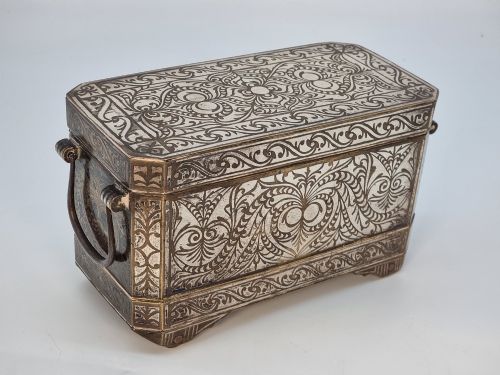
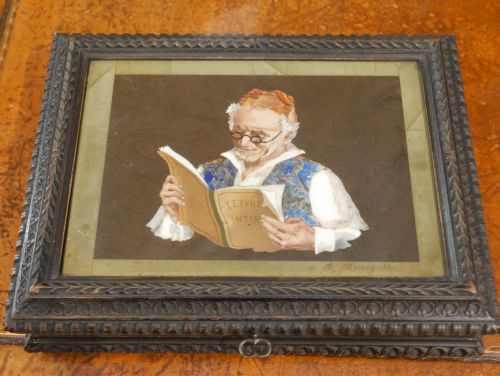
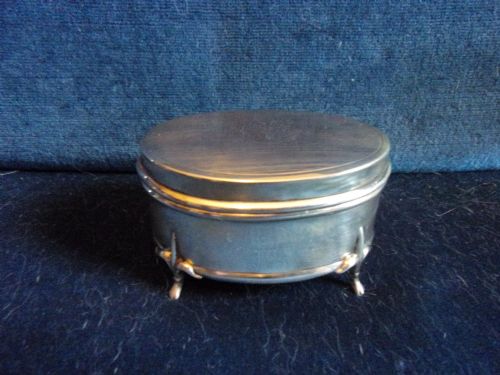
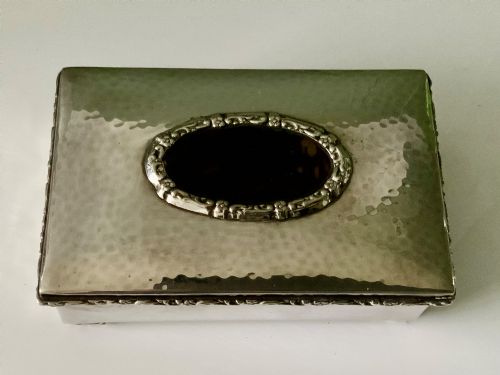
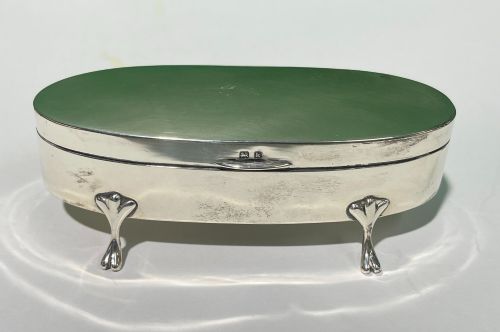
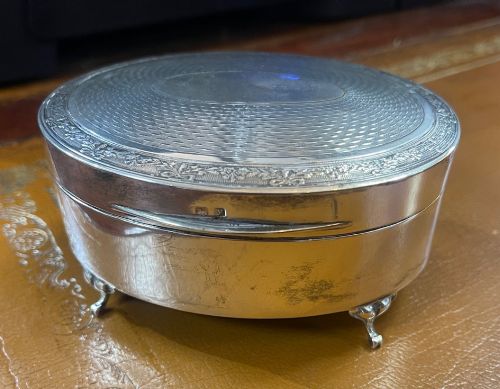
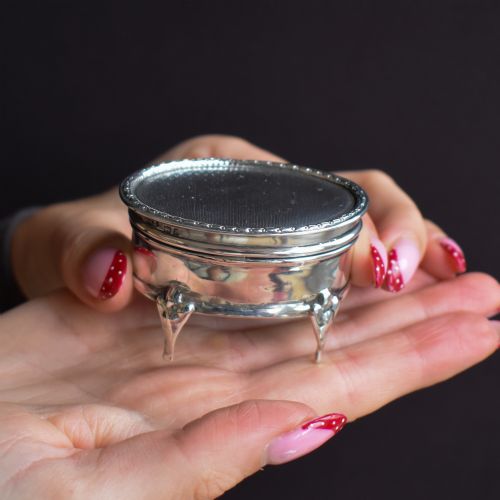
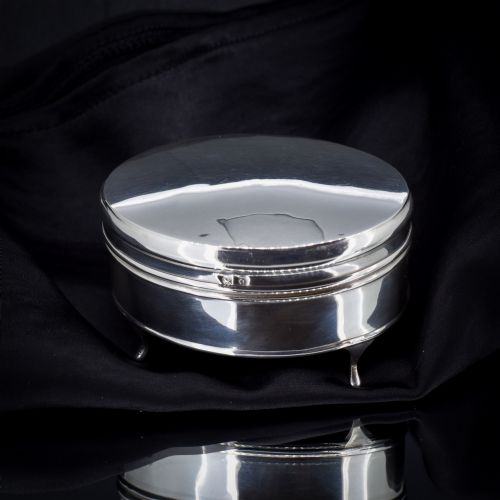
Antique Trinket Casket
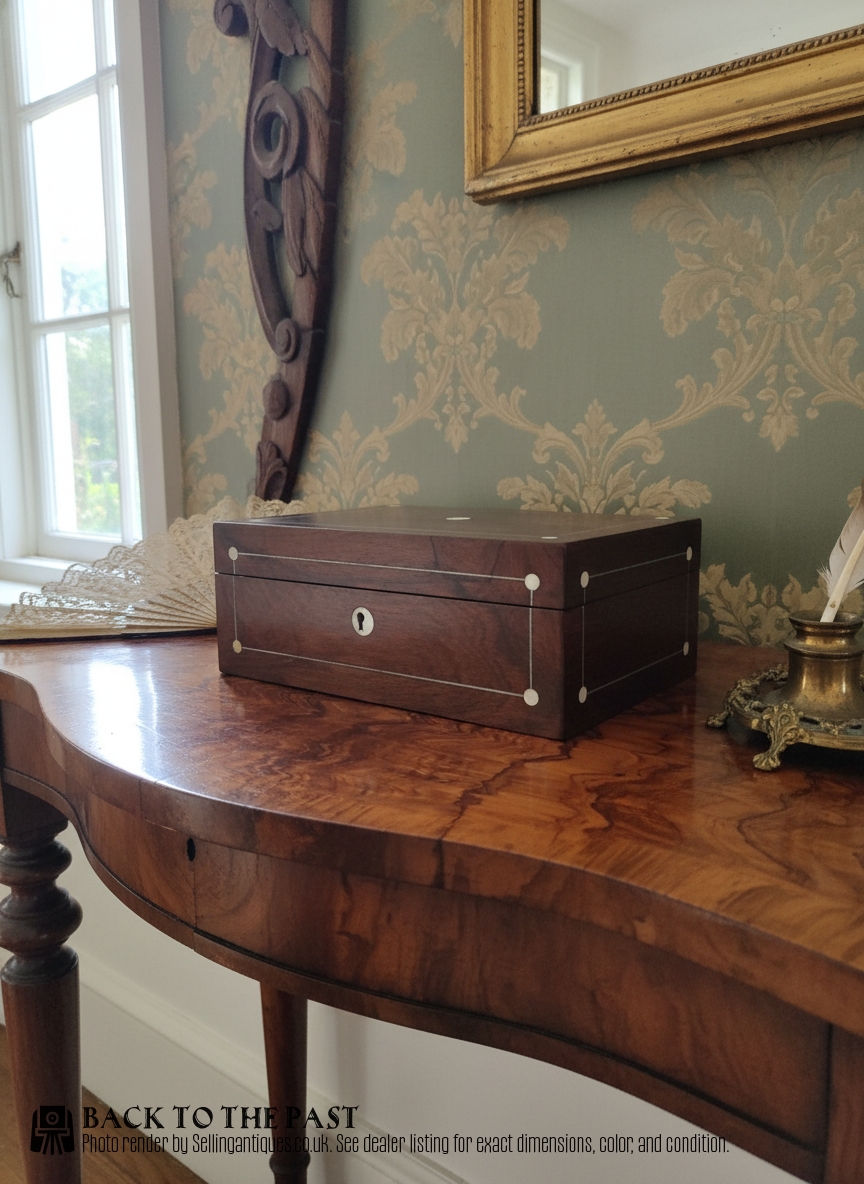
An antique trinket casket is a small, portable repository for keepsakes, and these pieces span ornate metals, exotic timbers, and fitted interiors.
Antique Trinket Casket
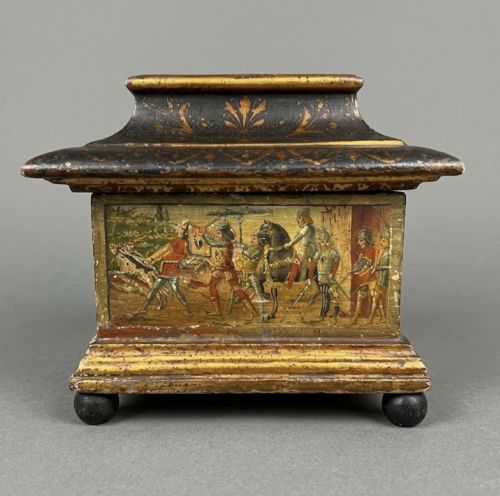
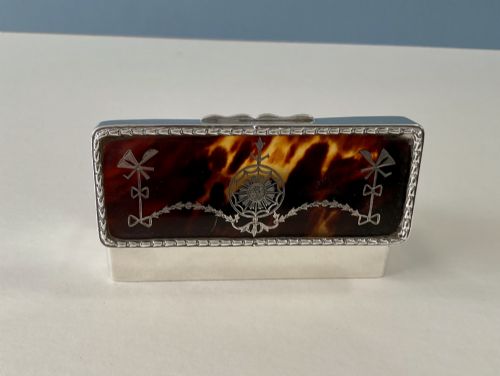
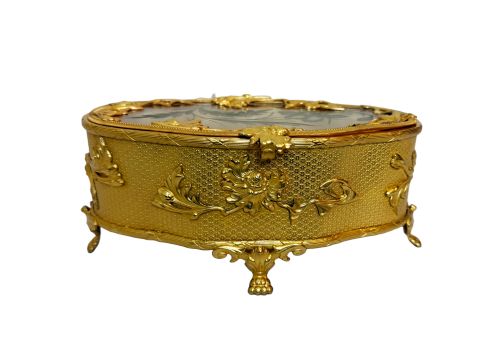
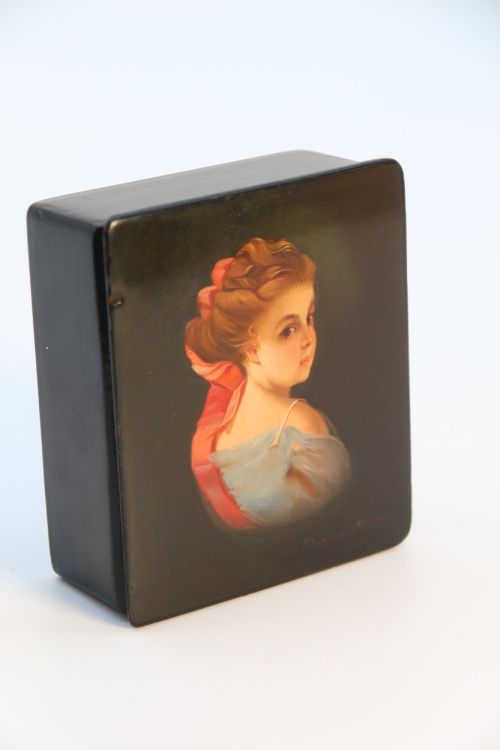
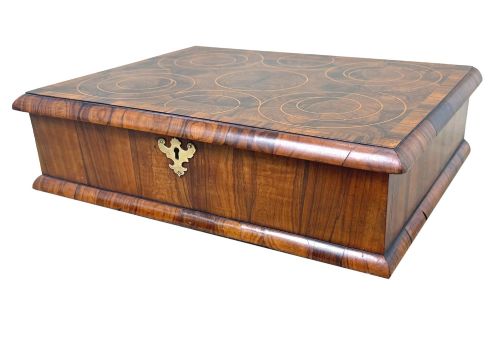
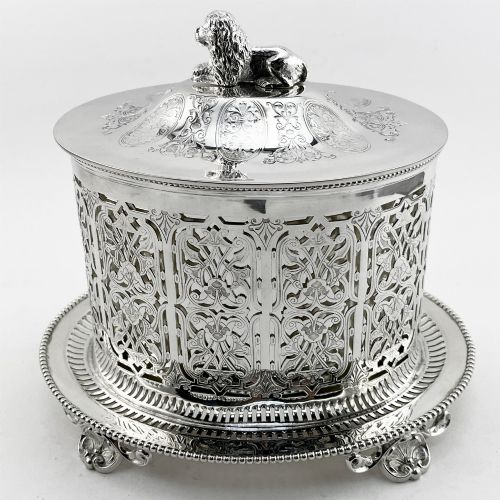
When searching for an antique trinket casket, collectors encounter receptacles designed to hold small valuables, rings, and keepsakes on a dressing table or desk. The pieces listed here span the nineteenth century and the early twentieth century, taking forms from simple wooden table boxes to elaborate caskets.
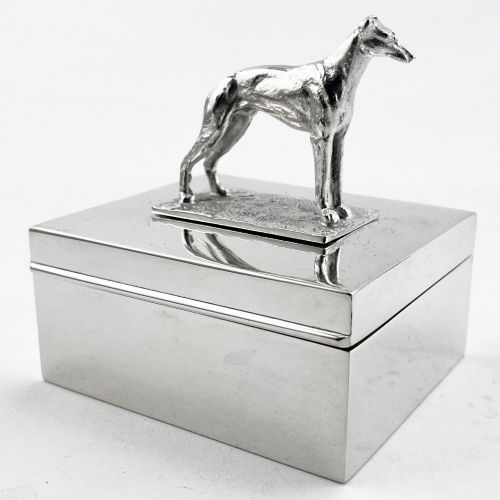
Wooden examples frequently appear as rosewood, walnut, or mahogany boxes with hinged lids and fitted compartments. Metal versions emerge in sterling silver, brass, and bronze, often taking heavier, more decorative forms from European workshops.
Continental pieces sit alongside British productions, showing distinct regional tastes in decoration and materials. The form overlaps with jewellery boxes, desk caskets, and small chests intended to safeguard intimate items.
How they were made
Cabinetmakers constructed wooden caskets using dense timbers like rosewood, walnut, and mahogany, frequently embellishing them with marquetry, mother-of-pearl, or brass inlay. Woodwork from the Victorian era often utilised bird's-eye maple or papier-mâché with lacquered finishes.
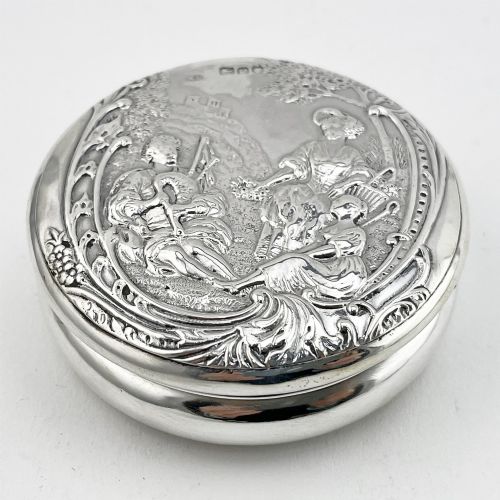
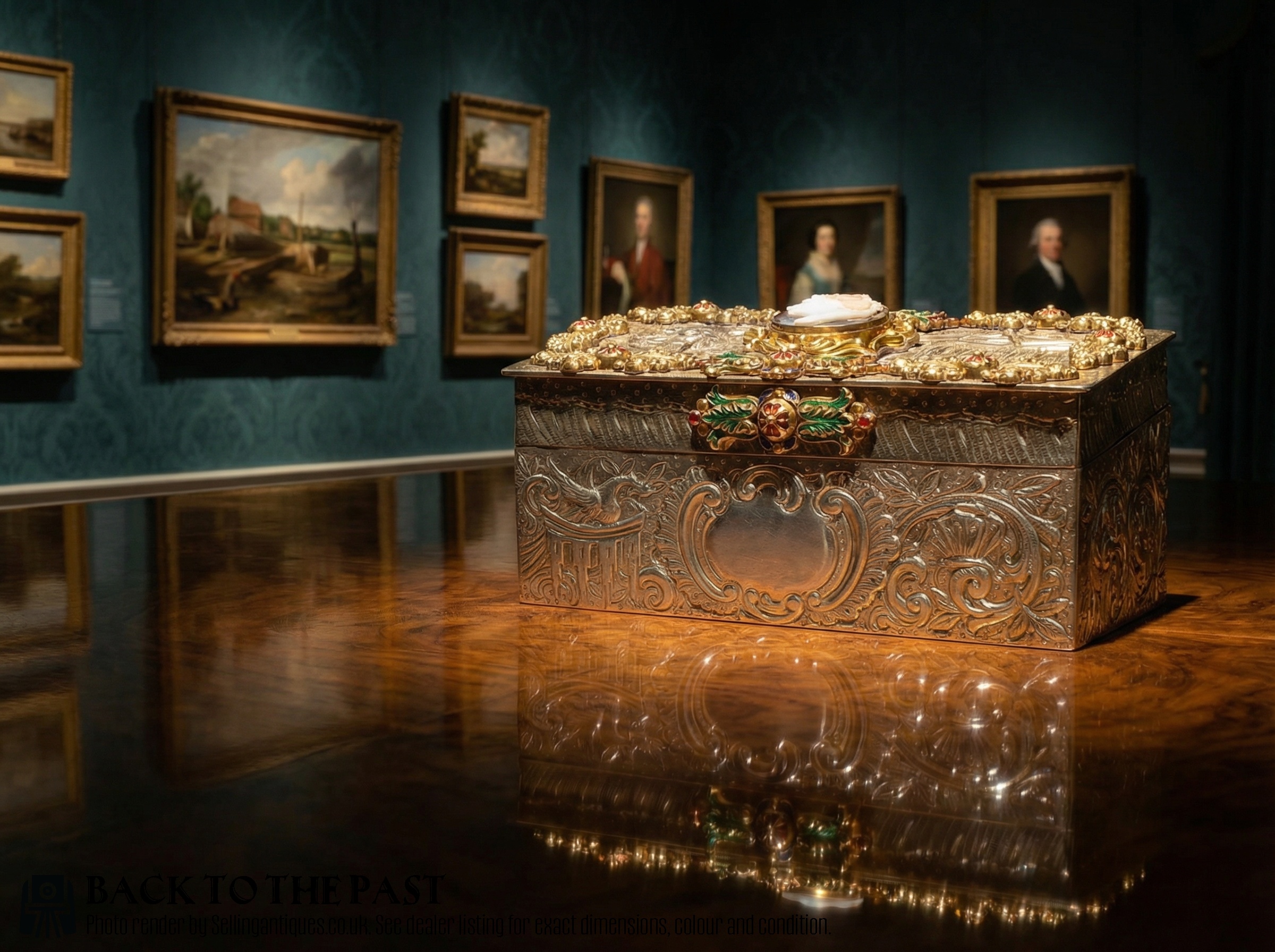
Metal caskets rely on techniques such as casting, repoussé work, and gilding, particularly in silver boxes produced in continental workshops and British assay offices. Glass and crystal elements appear mounted in ormolu, bronze, or silver-gilt frames.
Interiors reveal textile work, with silk, velvet, and leather lining the compartments and trays designed to cradle jewellery and small treasures.
Antique Trinket Casket Retail Price Guide 2026
Typical asking prices for trinket casket among the pieces listed under this phrase on Sellingantiques today, from the lower quarter to the upper quarter. They describe what is for sale here now, not the wider market.
The listings show materials ranging from native British mahogany and walnut to exotic tortoiseshell, mother-of-pearl, and Siena marble.
What varies in quality
The standard of a casket rests upon the crispness of its metalwork, the precision of its wood inlays, and the integrity of its structural joins. Superior examples display fine hand-chasing on silver and bronze, or tightly fitted marquetry where every piece of wood or mother-of-pearl sits flush.
Internal appointments separate standard boxes from superior commissions. Fully fitted interiors with matching trays, working locks with original keys, and undamaged silk or velvet linings elevate a piece.
Tahan Paris·Susse Freres Paris·Edmund Nye
The Antique Trinket Casket Glossary
- Ormolu
- Gilded bronze, widely utilised in French decorative metalwork for mounts and decorative frames. The technique involves applying a mercury and gold amalgam to bronze before heating.
- Marquetry
- The art of applying thin veneers of wood, ivory, or shell to a wooden structure to form decorative patterns or pictorial scenes. Tunbridge ware provides a notable British example of this technique.
- Repoussé
- A metalworking method where the artisan hammers the metal from the reverse side to form a raised design in relief. This technique appears frequently on nineteenth-century silver and brass caskets.
- Sarcophagus
- A coffin-shaped form with a sloping lid, adopted by furniture makers in the nineteenth century for decorative boxes and caskets. The shape draws inspiration from classical antiquity.
- Cloisonné
- An enamelwork technique where artists create patterns by soldering wire onto a metal base and filling the resulting compartments with coloured glass paste before firing.
Antique Trinket Casket: Frequently Asked Questions
What were antique trinket caskets used for?
These caskets served to store rings, brooches, coins, and personal letters on dressing tables or writing desks. Their solid construction and locking lids protected valuable or sentimental possessions from dust and casual theft.
Over time, they evolved from utilitarian storage objects into decorative display pieces that reflected the wealth and taste of their owners.
How do I date an antique trinket casket?
Dating relies on a combination of material evidence, construction techniques, and hallmarks where present. Silver elements often bear assay office marks and date letters which pinpoint the exact year of manufacture.
Stylistic cues, such as Art Nouveau curves or Victorian revival motifs, further narrow the period of origin when combined with the type of wood or metal used.
Are keys usually included with these caskets?
Original keys are uncommon because small items easily became separated from their boxes over the course of a century or more. Many boxes were constructed with integrated locks that can be opened or fitted by a specialist restorer if required.
The presence of an original working key adds interest for collectors, but its absence is standard for pieces of this age.
How should I care for a wooden trinket box?
Wooden caskets require stable environmental conditions away from direct sunlight and extreme humidity changes, which can cause timber to warp and veneer to lift. Gentle dusting with a dry, soft cloth preserves the polished surface without damaging delicate inlays.
Harsh chemical polishes should be avoided, particularly on antique lacquered or French-polished finishes where the original patina is easily compromised.