

Antique Bronze Box
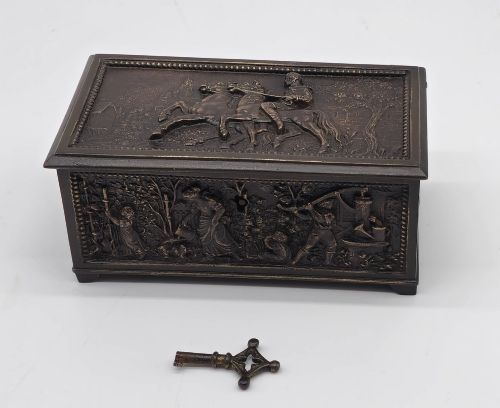
An antique bronze box offers a tangible connection to nineteenth-century vanity, serving as an ornate repository for trinkets, stamps, and personal treasures.
Antique Bronze Box
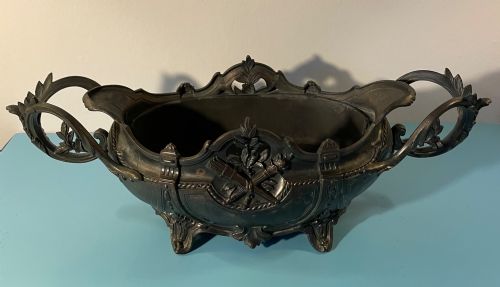
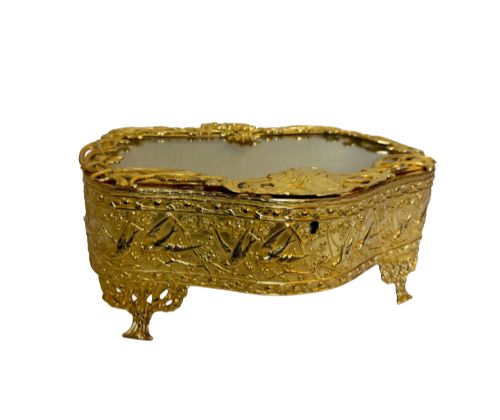
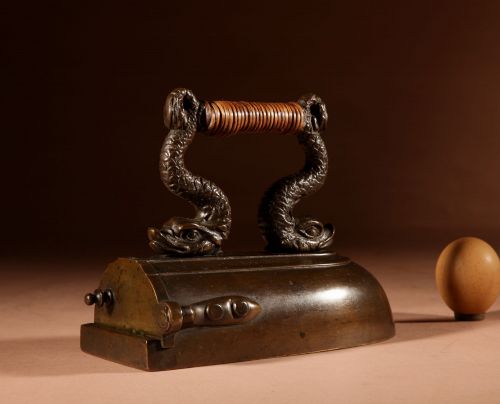
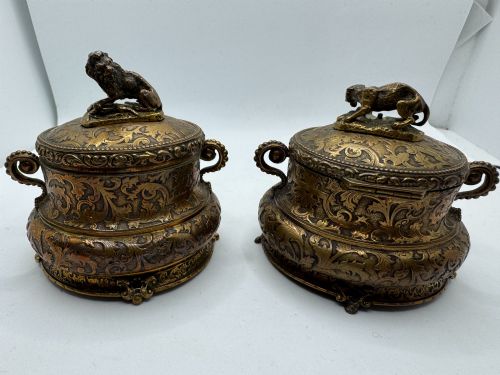
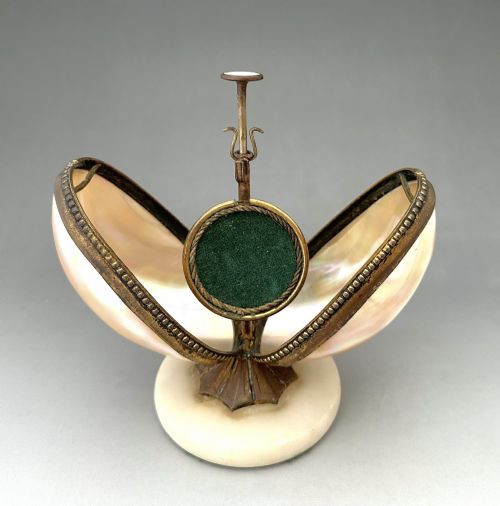
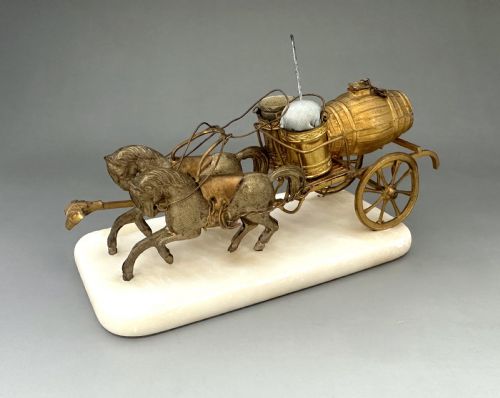
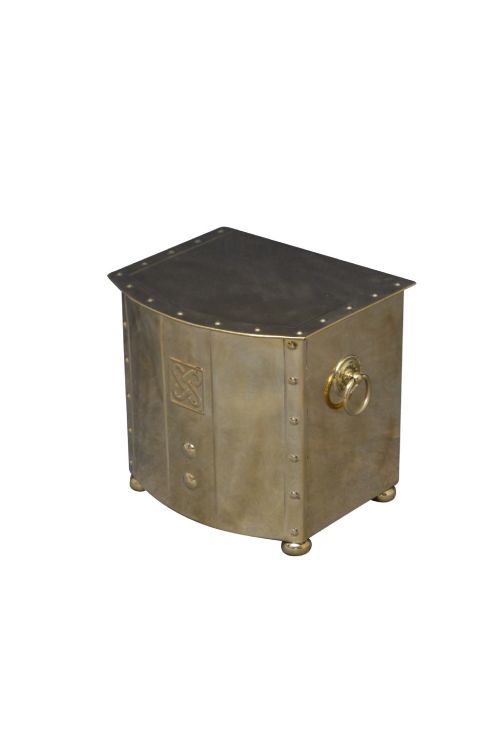
An antique bronze box encompasses a diverse array of small receptacles designed for domestic utility and personal adornment during the nineteenth century. Buyers searching this phrase encounter jewellery caskets, stamp boxes, snuff boxes, and trinket containers originating primarily from French and English workshops.
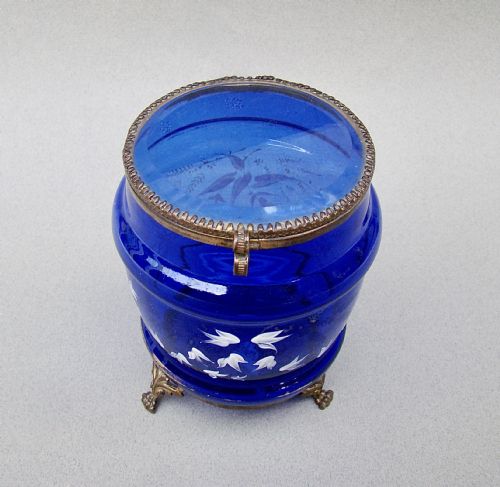
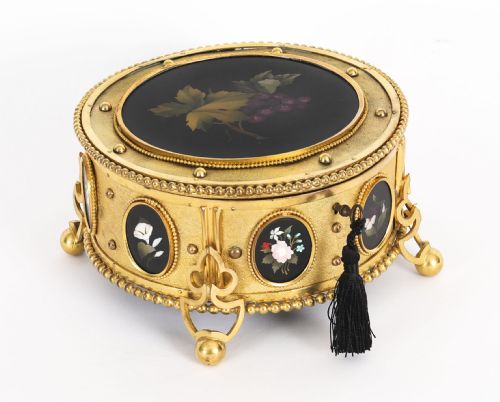
The domestic interior of the Victorian and Second Empire periods relied on these decorative containers to organise desks and dressing tables. Many examples incorporate glazed panels, porcelain plaques, or inset stones to elevate their function into objects of display.
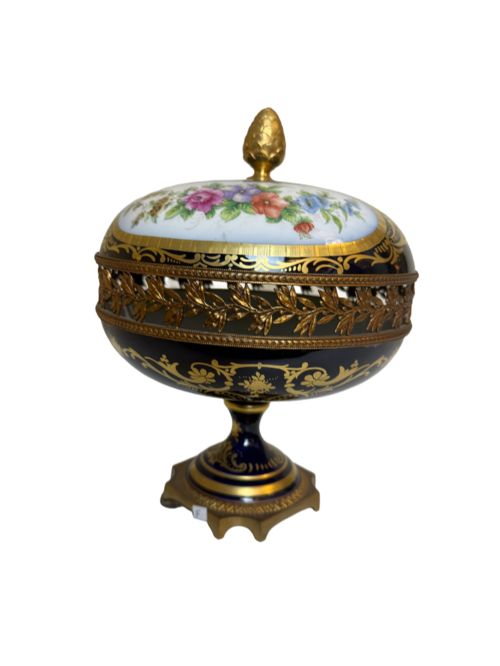
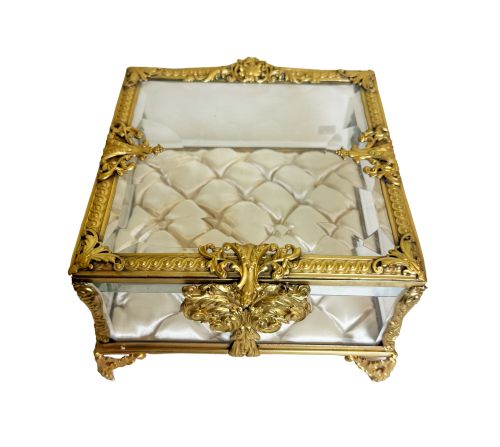
The selection ranges from simple cast metal pocket boxes to elaborate vitrines mounted with gilt bronze frames. French Napoleon III and revival styles dominate the available forms, reflecting nineteenth-century tastes for historicism and intricate ornamentation.
What varies in quality
The standard of an antique bronze box is determined by the crispness of the metal casting and the precision of the chasing work. Finer examples display sharp relief, deep gilding, and tightly fitted hinges that operate without lateral play.
Material integration also dictates value, distinguishing mass-produced commercial items from bespoke pieces set with hand-painted porcelain or genuine hardstones. The quality of the secondary materials, such as heavy bevelled glass or hand-cut crystal, elevates the status of the container.
Materials paired with bronze include porcelain, malachite, tortoise shell, glass, mother-of-pearl, and various hardwoods.
Tahan of Paris·Maurice Bouval·S Theeman·Victor Raulin·W.M.F.
The Antique Bronze Box Glossary
- Ormolu
- Gilded bronze, widely utilised in French decorative arts for mounts and frames. The technique involves applying a mercury and gold amalgam to the bronze surface before heating.
- Bijouterie table
- A display table with a glazed compartment designed for exhibiting small valuables and trinkets. These pieces often feature ornate bronze mounts and silk-lined interiors.
- Pietra dura
- An artistic technique involving the inlay of cut and fitted polished coloured stones to form decorative images. It frequently appears on Italian and French caskets.
- Vesta case
- A small pocket box or container manufactured for holding matches. They are frequently cast in bronze or brass with figural or engraved decoration.
- Casket
- A decorative box or chest intended for holding jewellery or valuables. Nineteenth-century examples often incorporate lock mechanisms and silk linings.
Antique Bronze Box: Frequently Asked Questions
What were antique bronze boxes used for?
These containers served specific domestic functions on nineteenth-century desks and dressing tables. Owners stored jewellery, postage stamps, sealing wax, and snuff inside them.
Beyond simple storage, they acted as decorative centrepieces that demonstrated the owner's refinement and taste. Many were given as presentation pieces or kept as travel accessories.
How do I identify French pieces?
French boxes from the nineteenth century often display distinct stylistic markers such as Rococo revival scrollwork, Ormolu mounts, and Sevres porcelain plaques. Workshops in Paris produced the majority of the ornate jewellery caskets found today.
Look for refined chasing on the bronze and intricate cast details. Maker signatures or registry marks, when present, usually confirm the Parisian origin.
Are these boxes fragile?
While cast bronze is durable, many boxes incorporate delicate elements like bevelled glass, enamel panels, or porcelain insets that require careful handling. The hinges and interior silk linings are also susceptible to wear over time.
Living with these pieces simply requires placing them away from high-traffic edges where they might be knocked. Gentle dusting preserves the gilded surfaces without damaging the original patina.
How do I tell periods apart?
Stylistic shifts help date these containers across the nineteenth century. Early examples lean towards Empire and Restoration severity, while mid-century pieces embrace exuberant Second Empire and Rococo revival ornamentation.
Later nineteenth-century boxes often incorporate Art Nouveau botanical motifs or simpler Arts and Crafts industrial finishes. Material choices also shift, moving from heavy gilt bronze towards mixed metals and glass as the century progressed.