
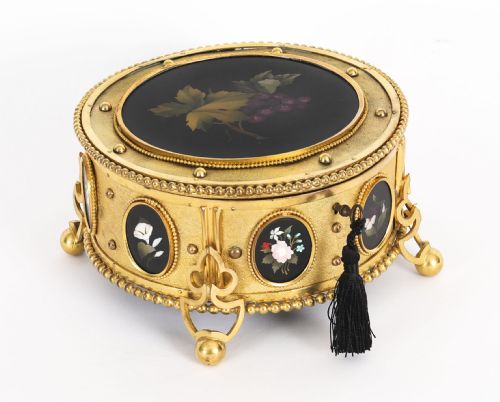


Victorian Bronze Casket
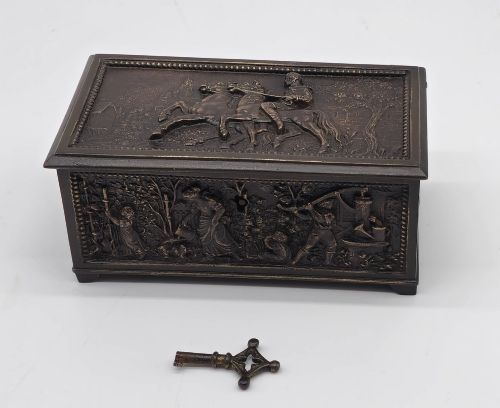
A victorian bronze casket is a substantial desktop or dresser box designed to hold jewellery, stationery, or trinkets, prized for its combination of cast metal and decorative detailing.
Victorian Bronze Casket
When you search for a victorian bronze casket, you enter a field dominated by nineteenth-century French and English decorative metalwork. These pieces served practical domestic functions on dressing tables and writing desks while doubling as miniature works of art.
The selections you meet on this page lean heavily toward nineteenth-century origins, spanning from the middle decades through the eighteen-nineties. You will encounter forms ranging from jewellery caskets and trinket boxes to stationery boxes and tea caddies.
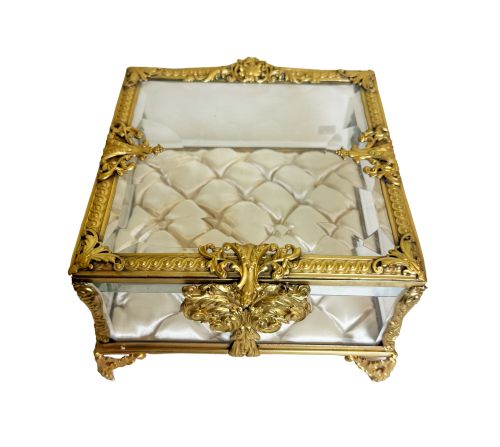
Many examples reveal continental influences, particularly French styles including Napoleon III, Palais Royal, and Chateau aesthetics. Alongside pure bronze, you find variations incorporating brass, ormolu, and gilt metal paired with porcelain, glass, and stone.
How they were made
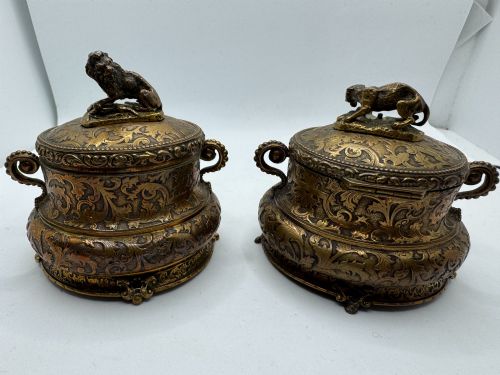
Makers utilised casting techniques for the metal frames, creating robust bronze, brass, and ormolu structures that often display intricate relief decoration. These metallic mounts provide the foundational armature for the boxes.
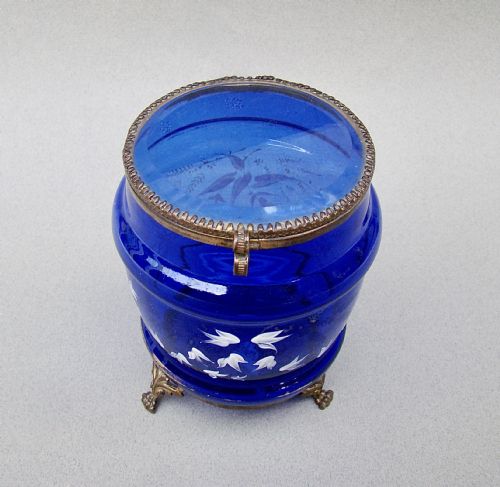
Craftsmen integrated contrasting elements into the metal frameworks, combining glass, marble, oak, marquetry, and porcelain panels. Ceramic inserts such as Sevres porcelain and Limoges miniatures frequently decorate the lids and sides.
Interior compartments frequently lined with silk or velvet completed the construction, offering protected storage for small valuables. Specialised decorative methods like champleve enamel and pietra dura further enriched the exterior surfaces.
A miniature coach and horses novelty box proves that Victorian desktop organisation could occasionally involve horse-drawn carriage transport.
What varies in quality
The refinement of the casting and chasing separates standard production boxes from exceptional examples. Crisp detail in figurative motifs, floral reliefs, and architectural mounts indicates superior workshop output.
Material combination and provenance elevate certain pieces above others. The inclusion of signed maker details, specialised inlays like marquetry, or inset porcelain panels distinguishes the more ambitious creations.
Tahan of Paris
The Victorian Bronze Casket Glossary
- Ormolu
- Gilded bronze produced by applying a mercury-gold amalgam to a cast bronze base. This technique was widely utilised by nineteenth-century French makers to achieve a rich golden sheen.
- Champleve
- An enamelling technique where troughs or cells are hollowed out of the metal surface and filled with vitreous enamel before firing. It creates vibrant coloured patterns across the bronze body.
- Pietra dura
- An inlay technique utilising cut and fitted polished coloured stones to create pictorial images. It appears frequently on Italian decorative boxes of the period.
- Sevres
- A French porcelain manufactory whose decorated plaques were often inset into the lids and sides of nineteenth-century metal caskets. These porcelain panels usually feature hand-painted scenes.
- Palais Royal
- A style associated with the fashionable Parisian shopping district known for luxury novelty goods, miniature items, and elaborate trinket boxes. Pieces from this origin often display whimsical or highly detailed craftsmanship.
Victorian Bronze Casket: Frequently Asked Questions
What were victorian bronze caskets used for?
These caskets served primarily on dressing tables and desks to securely hold jewellery, loose trinkets, letters, or stationery. Their decorative presence made them statement pieces in elite Victorian interiors.
Beyond simple storage, wealthy owners used them to display imported luxuries like porcelain panels, micromosaics, or fine enamelwork to visiting guests.
How do I identify a french nineteenth century casket?
French pieces often display distinct stylistic markers such as Napoleon III or Palais Royal design motifs, heavy ormolu mounts, and inset Sevres porcelain. They frequently utilise gilt bronze paired with contrasting materials like marble or coloured glass.
Look closely at the cast detailing and hinge construction, as continental workshops employed specific casting signatures and proportion standards distinct from English cabinetmakers.
Are these boxes lined with original fabric?
Many caskets retain their original silk or velvet linings inside the partitioned compartments, though some have undergone professional restoration over the decades.
Original textiles often show graceful signs of age and wear that match the exterior metal patina, confirming the piece has maintained its domestic integrity.
What is the difference between bronze and ormolu?
Bronze is an alloy of copper and tin used to cast the heavy structural frames of these decorative boxes. Ormolu refers specifically to the application of a gold-mercury finish onto that cast bronze.
While solid bronze boxes display the natural metallic tone of the alloy, ormolu pieces possess a bright, reflective golden surface created through gilding.