


Gilt Bronze Trinket Box
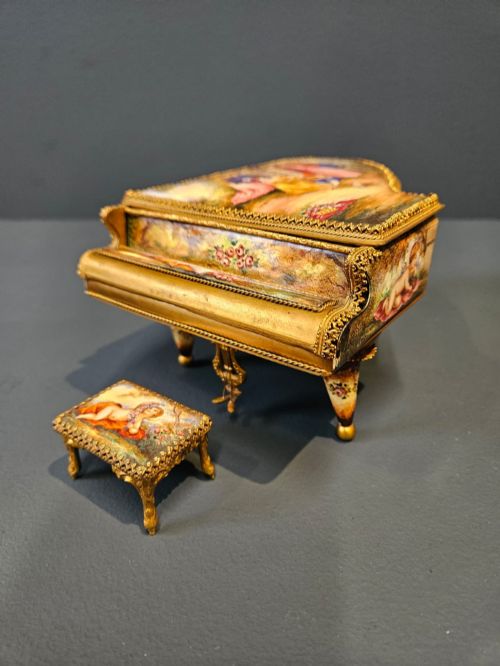
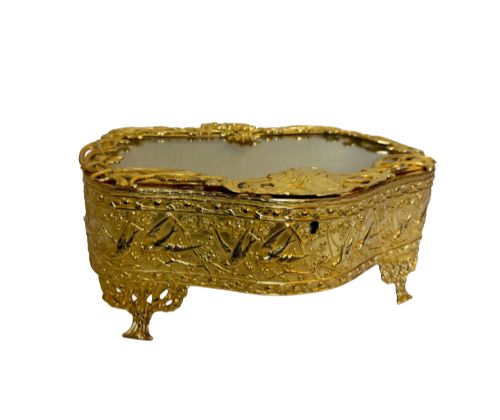
A gilt bronze trinket box brings French craftsmanship to a dressing table, offering a small, decorative receptacle for keepsakes and jewellery.
What these boxes are
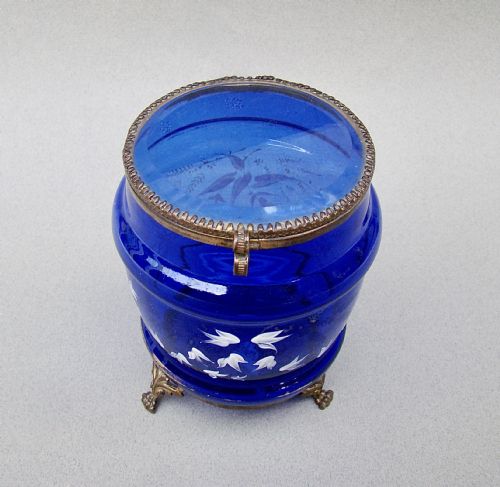
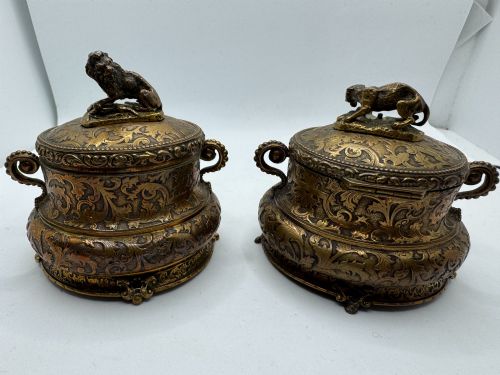
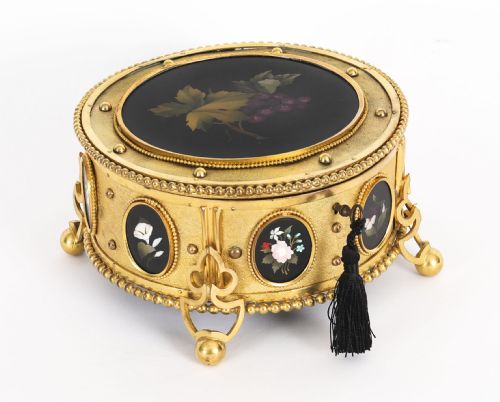
A gilt bronze trinket box is typically a French creation designed to hold small valuables and personal treasures. These containers range from jewellery caskets to glass and crystal vanity boxes.
Most examples found here date from the nineteenth century, including the Napoleon III period and the French Empire Revival style. Makers and retailers such as AB Paris contributed to this tradition of luxury metalwork.
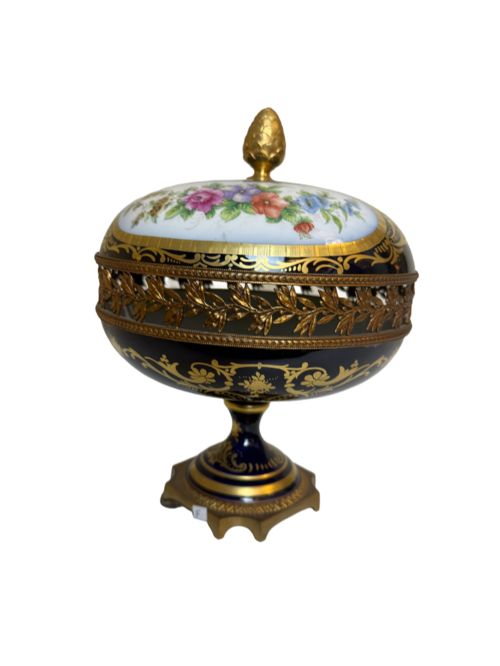
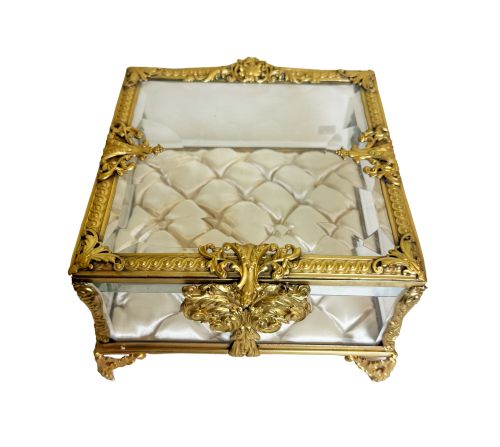
Buyers encounter forms that combine gilt metal or ormolu with porcelain, bevelled glass, and cut crystal. Velvet linings often cushion the interior to protect delicate items.
How they were made
Artisans employed cast bronze finished with ormolu, gold leaf, or silvered metal to form the structural frames and decorative mounts. These metal elements were often intricately chased and detailed.
Transparent panels of bevelled glass and heavy cut crystal were fitted into the metal armature to create jewel-like containers. Interior bases were then lined with plush velvet.
Retail Price Guide 2026
Typical UK retail prices for gilt bronze trinket box, calculated from the Sellingantiques database of over a million retail prices indexed since 2003. This retail price guide relies exclusively on Sellingantiques data; no external sources or auction records are used, so the figures do not describe the wider market.
Listings feature nineteenth-century French pieces combining ormolu, bevelled glass, cut crystal, and Sevres porcelain.
What varies in quality
Quality separates objects through the precision of the cast metalwork and the clarity of the glass or porcelain panels. Crisp chasing on the ormolu and substantial weight in the crystal indicate superior production.
The integration of fine materials, such as Sevres porcelain plaques or gilded eagles, elevates certain pieces above standard production. The preservation of original velvet linings also influences the character of the box.
The Gilt Bronze Trinket Box Glossary
- Ormolu
- A gilded bronze technique applied to decorative metalwork, widely used in French nineteenth-century boxes. This finish provides a bright golden surface that mimics solid gold.
- Bevelled Glass
- Glass panes with angled edges fitted into the sides and lids of vitrine-style boxes. This technique catches the light and adds depth to the transparent walls.
- Napoleon III
- A nineteenth-century French design period known for reviving earlier historical styles with rich ornamentation. Pieces from this era often mix metals and glass.
- Sevres Porcelain
- Fine ceramic material produced in France, sometimes incorporated into the lids or panels of boxes. These porcelain inserts frequently feature hand-painted details.
Frequently Asked Questions
What is a gilt bronze trinket box used for?
These boxes were traditionally placed on dressing tables and boudoir desks to hold rings, brooches, and other small personal valuables.
Today, they serve the same practical purpose while acting as decorative decorative objects that catch the light on a surface.
How do I date a French jewellery casket?
Dating relies on stylistic clues, such as the heavy ornamentation of the Napoleon III era or the distinctive Empire Revival motifs.
Materials like bevelled glass, ormolu, and specific maker marks stamped on the metal hardware also help establish the nineteenth-century origin.
Are these boxes fragile?
Many examples incorporate heavy cut crystal or bevelled glass panels held within metal frames, requiring careful handling during placement and cleaning.
The underlying bronze and ormolu structures are robust, but the glass and delicate interior velvet linings need gentle care.
What styles are common for these boxes?
French nineteenth-century designs dominate this category, featuring Napoleon III aesthetics and French Empire Revival details.
Decoration often includes sculptural elements like gilded eagles, alongside combinations of porcelain and metalwork.