
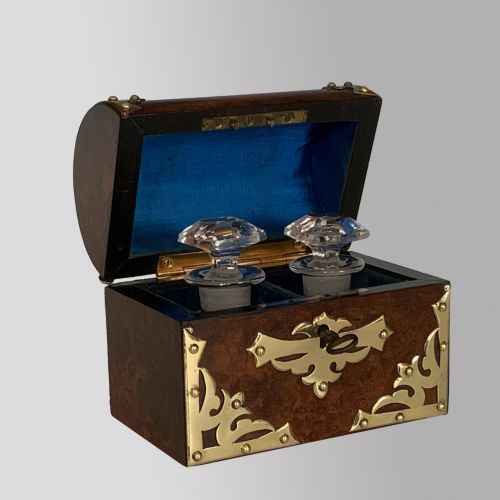


Cut Glass Vanity Box
A cut glass vanity box brings heavy crystal and precious metal together to hold daily dressing table treasures.
Cut Glass Vanity Box
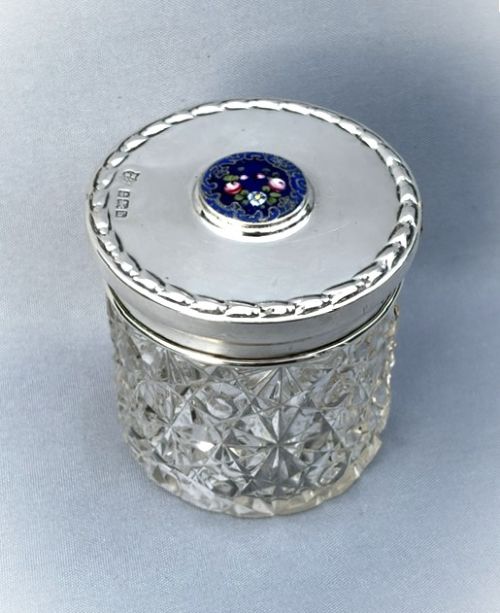
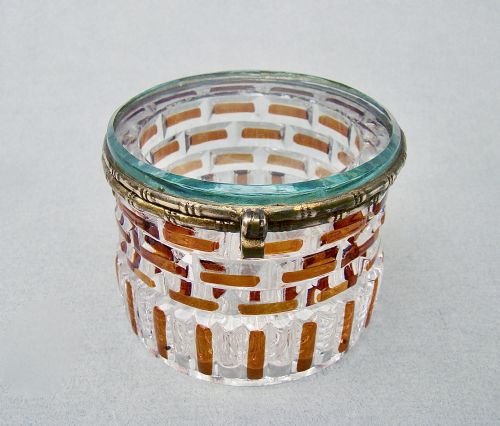
When you search for a cut glass vanity box, you encounter heavy containers designed to sit upon dressing tables and hold small personal items. These pieces combine thick glass or crystal bodies with hinged metal lids, often taking the form of jars, pots, or caskets.
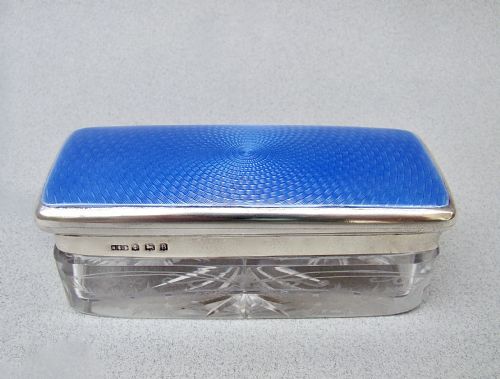
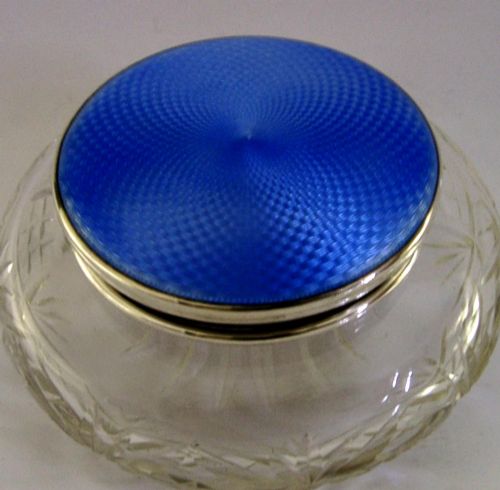
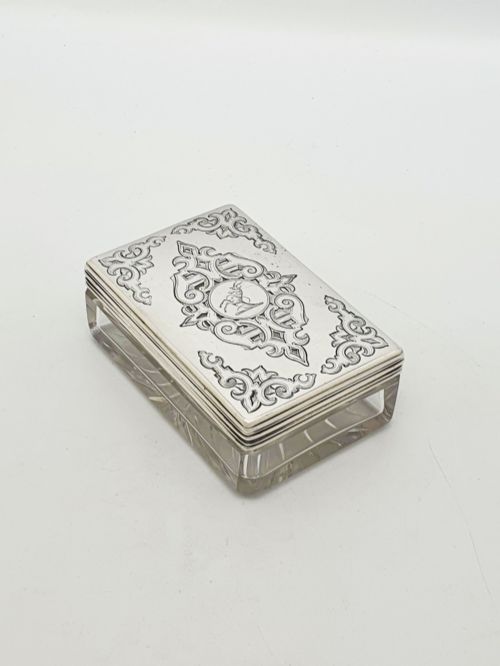
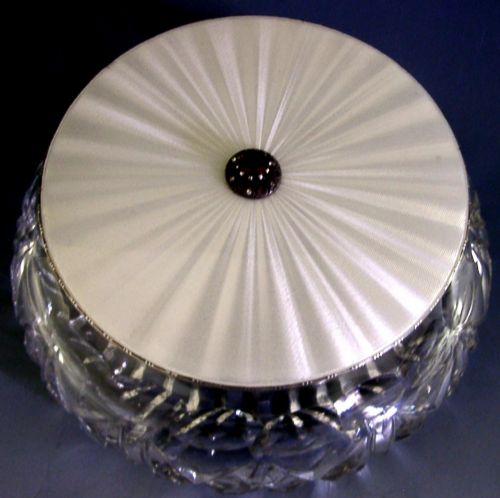
The versions you meet most frequently span from the nineteenth century through the Art Deco era, reflecting changing domestic habits. Victorian and Edwardian examples lean towards sterling silver mounts and deep wheel-cut patterns, while later pieces introduce geometric lines and vibrant enamel.
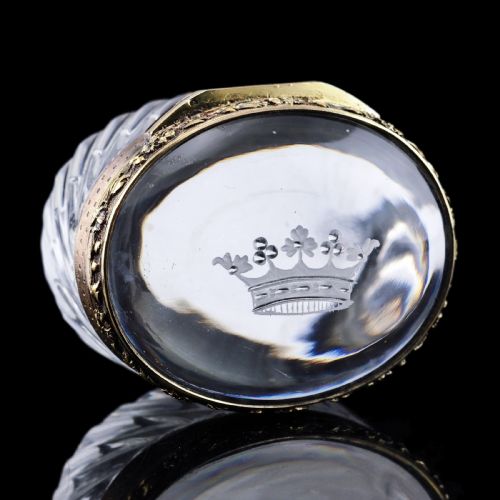
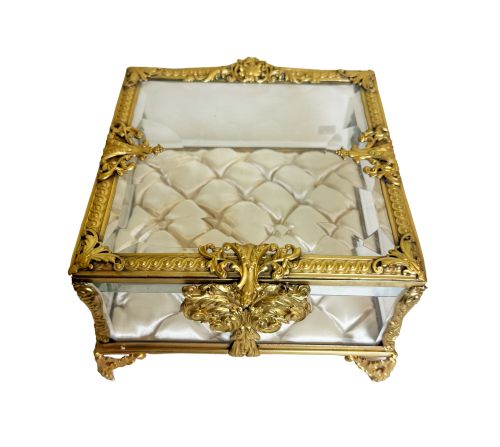
Origins stretch across English workshops and continental makers, incorporating materials like tortoiseshell and gilt bronze alongside standard silver. Each format serves the dressing routine, whether securing trinkets, pins, or cosmetics.
Materials and Construction
Makers formed the transparent bodies of these objects from heavy-gauge glass or lead crystal, shaping them through moulding before applying deep wheel-cut or etched decorative patterns.
Lids and mounts rely on sterling silver, silver-gilt, brass, or ormolu, which workers fastened securely to the glass rims using specialised adhesives or mechanical collars.
Surface ornamentation often incorporates guilloché enamel, tortoiseshell, or velvet linings inside the box to cushion delicate contents.
Current listings feature items from the 1800s to 1960, incorporating sterling silver, tortoiseshell, and enamel.
Judging Quality
The distinction between ordinary and exceptional examples rests upon the depth and clarity of the glass cutting, alongside the thickness of the metal mount. Heavier crystal blanks with crisp, hand-polished facets indicate superior manufacturing standards.
Metal components show quality through sturdy hinges that align precisely when closed, as well as the intricacy of hallmarked silver or hand-applied enamel work. Finer pieces maintain tight seals between lid and collar without relying on excessive filler materials.
Henry Clifford Davis·Goldsmith's and Silversmith's Co.·Posen of Frankfurt and Berlin
The Cut Glass Vanity Box Glossary
- Guilloché enamel
- Enamel applied over machine-turned metal surfaces to create repeating geometric patterns beneath a translucent colour layer.
- Ormolu
- Finely ground high-carat gold mercury-gilded onto a bronze base, commonly found on French mounts.
- Hallmark
- A series of official marks stamped on precious metals indicating purity, maker, and assay office origin.
- Scent casket
- A fitted box specifically designed to securely house multiple glass perfume bottles.
- Crystal
- Glass containing lead oxide, which increases refractive index and weight compared to standard soda-lime glass.
Cut Glass Vanity Box: Frequently Asked Questions
What were cut glass vanity boxes used for?
These vessels held personal items on dressing tables, including pins, cosmetics, and small pieces of jewellery.
Their substantial weight and secure lids kept contents protected from dust and moisture in domestic bedchambers.
How do I date a silver and glass box?
Metal mounts often carry assay office hallmarks and date letters that pinpoint the exact year of manufacture.
Stylistic indicators like Art Deco geometric enamel or Victorian floral chasing help narrow down the period when hallmarks are absent.
Are these boxes difficult to clean?
Routine maintenance requires only warm soapy water and a soft cloth for the glass and metal components.
Submerging pieces with glued mounts or fabric linings should be avoided to prevent damage to adhesives and internal materials.
How do French boxes differ from English ones?
Continental pieces frequently utilise ormolu, gilt bronze, or fine crystal from houses like Baccarat rather than standard sterling silver mounts.
English examples tend to rely heavily on Birmingham and London hallmarked silver matched with domestic glass-cutting traditions.