



1920s Silver Vanity Jar
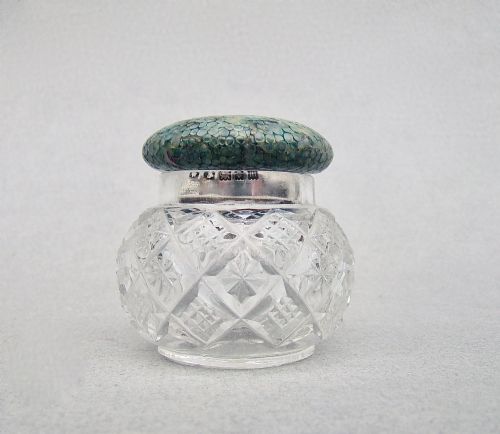
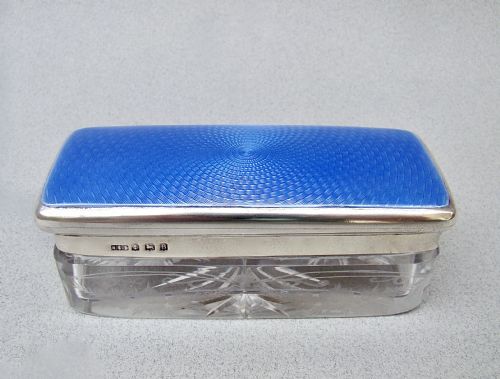
A 1920s silver vanity jar brings the bright geometric lines and rich colours of the early twentieth century directly to a dressing table.
1920s Silver Vanity Jar
A 1920s silver vanity jar combines a functional glass container with a precious metal lid, designed to hold cosmetics, scents, or small trinkets on a dressing table. Most examples on this page date from the nineteen-twenties, showcasing the prevailing Art Deco and Art Nouveau aesthetics of the period.
Makers working in major English assay centres, particularly Birmingham and London, produced these dressing table accessories. The combination of colourful enamel, tortoiseshell, and sterling silver reflects the distinct material preferences of the decade.
Materials and construction
Silversmiths formed the protective lids and collars from sterling silver, frequently sending the metal to assay offices in Birmingham and London for official hallmarks. These silver mounts sit securely upon thick glass bodies shaped through cutting, moulding, or overlay techniques.
Decorative surfaces often incorporate guilloche enamel, where intricate patterns are engine-turned into metal before translucent coloured enamel is applied. Artisans also integrated polished tortoiseshell panels directly into the sterling silver lids of dressing table boxes.
1920s Silver Vanity Jar Retail Price Guide 2026
Typical asking prices for 1920s silver vanity jar among the pieces listed under this phrase on Sellingantiques today, from the lower quarter to the upper quarter. They describe what is for sale here now, not the wider market.
Makers stamped their work with hallmarks from the Birmingham and London assay offices during the nineteen-twenties.
Assessing craftsmanship and finish
The quality of a piece rests heavily on the precision of the silver smithing and the clarity of the glass vessel beneath. Crisp hallmarks, tight fitting lids, and evenly applied guilloche enamel distinguish finer workshops from simpler commercial production.
The complexity of the materials shapes the distinction between standard items and superior examples. Pieces featuring intricate hand-turned guilloche patterns, tortoiseshell inlays, or specialised glass types such as Kralik or cranberry glass demonstrate higher ambition in design.
A. J. Pepper & Co·Henry Clifford Davis·Henry Perkins·Barnsley & Co·Adie Brothers Ltd
The 1920s Silver Vanity Jar Glossary
- Guilloche enamel
- A decorative technique involving precise mechanical engraving beneath translucent enamel. It creates repeating geometric patterns that catch the light.
- Sterling silver
- An alloy consisting of pure silver and other metals, usually copper, standardised for durability. British pieces carry hallmarks indicating this purity.
- Cut glass
- Glass decorated by abrasive wheel cutting to produce faceted patterns. It gives dressing table jars weight and sparkle.
- Assay office
- An official body that tests the purity of precious metals and stamps them with hallmarks. Birmingham and London offices appear frequently on these jars.
- Kralik glass
- Art glass produced by the Kralik factory known for iridescent surfaces and vibrant colours. It adds distinct artistic merit to lidded boxes.
1920s Silver Vanity Jar: Frequently Asked Questions
What is a 1920s silver vanity jar?
A vanity jar from the nineteen-twenties is a dressing table container featuring a glass body and a sterling silver lid. These items held powders, creams, or pins for daily grooming.
They represent the design movements of the early twentieth century, combining practical storage with decorative materials like enamel and tortoiseshell.
How do I date these jars?
Most pieces carry clear hallmarks stamped directly into the sterling silver mounts by assay offices in Birmingham or London. These marks indicate the exact year of manufacture.
Stylistic elements such as Art Deco geometry or specific glass colours also help confirm the nineteen-twenties origin.
What types of glass were used?
Makers utilised clear cut glass to maximise sparkle on the dressing table, alongside coloured varieties like cranberry, amethyst, and Kralik glass. The glass body provided a sturdy, tactile base for the metal lid.
Some containers feature overlay techniques where different glass layers are cut away to reveal contrasting colours underneath.
How should I clean the silver and glass?
Sterling silver benefits from gentle cleaning with a specialised soft polishing cloth to preserve the crisp details of the hallmarks and mounts. Care must be taken to avoid harsh chemical polishes coming into contact with enamel or tortoiseshell.
Glass bodies can be washed gently in warm soapy water, ensuring the silver mounts remain dry during the process.
Were these items used for perfume?
Many specific pieces served as scent bottles or perfume containers, equipped with stoppers or tight silver screw caps to prevent evaporation. Others were designed as rouge pots, lidded bowls, or general trinket boxes.
All forms formed part of matching dressing table sets used during the early twentieth century.