



Antique Glass Jewellery Casket
An antique glass jewellery casket is a small, heavy container made to hold precious trinkets on a dressing table.
Antique Glass Jewellery Casket
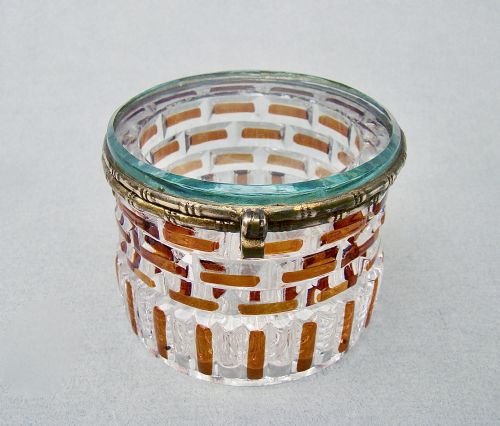
An antique glass jewellery casket is typically a sturdy container designed for keeping rings and small keepsakes on a dressing table or desk. These boxes combine heavy glass walls with metal mounts and hinges, originating mostly from the nineteenth century and the Edwardian era. You will frequently encounter French examples featuring heavy ormolu frames alongside Victorian and Edwardian iterations.
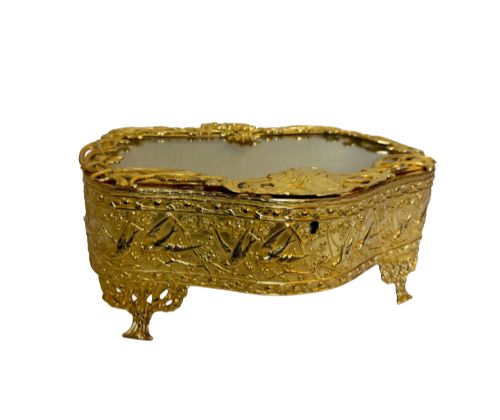
The forms range from simple rectangular trinket boxes to more elaborate hinged caskets with bevelled panels or cut crystal bodies. Makers also produced specialised items such as scent bottle caskets and novelty carriage boxes. The predominant origin is French, spanning the Victorian period through to the Art Nouveau movement and the early twentieth century.
How they were made
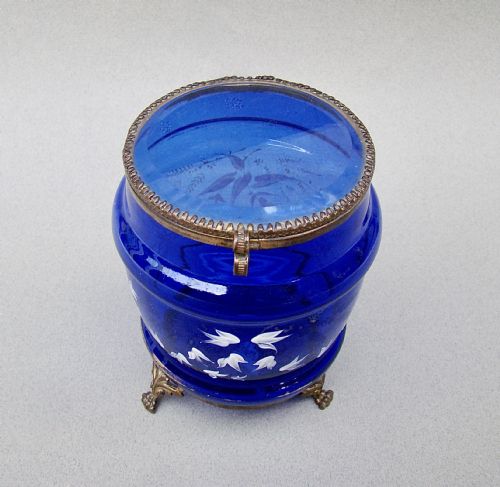
The construction relies on joining thick glass panels into rigid geometric shapes using metal frames made from brass, ormolu, or gilt bronze. The glass itself is frequently cut crystal, coloured glass such as Bristol blue or amber, or opaline, sometimes decorated with enamel work. Hinge mechanisms and mounts are cast and fitted tightly to the glass edges to ensure structural integrity.
Interiors often feature fitted silk linings to protect the jewellery resting inside the box. Metal components are frequently gilded or silver-gilt, adding a metallic lustre that contrasts with the transparency or deep colour of the glass body.
Antique Glass Jewellery Casket Retail Price Guide 2026
Typical asking prices for glass jewellery casket among the pieces listed under this phrase on Sellingantiques today, from the lower quarter to the upper quarter. They describe what is for sale here now, not the wider market.
Object forms on this page include scent bottle caskets, miniature carriage novelty boxes, and traditional hinged trinket boxes.
What varies in quality
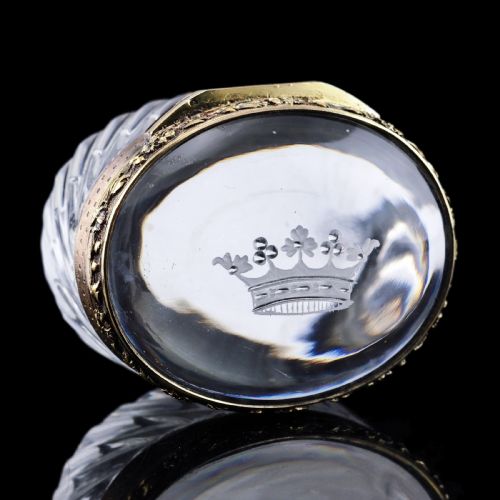
The distinction between standard pieces and the finest work lies in the depth of the glass cutting and the weight of the metal mounts. Heavier ormolu frames and thick, hand-cut crystal panels indicate a higher grade of production. Finer boxes also display crisper cast detail in decorative elements like eagles, coronets, or floral motifs.
The precision of the fit between the glass panels and the metal frame determines the overall rigidity and finish of the casket. Well-made pieces close flush without strain on the hinges, and the internal silk linings show careful hand-fitting rather than simple gluing.
Posen of Frankfurt and Berlin·S Theeman
The Antique Glass Jewellery Casket Glossary
- Ormolu
- A gilt-bronze finish applied to metal mounts, widely used on nineteenth-century French caskets to frame glass panels. This technique provides a warm golden tone that resists tarnish.
- Baccarat
- A renowned French glass manufacturer known for producing high-quality crystal caskets and trinket boxes. Pieces from this maker often feature thick, clear or coloured crystal with precise faceting.
- Moser
- A Bohemian glass manufacturer famous for producing coloured and enamelled glass objects, including ruby red and cranberry jewellery caskets. Their work from the late nineteenth century is particularly recognizable for its rich hues.
- Bevelled glass
- Glass panes with angled edges ground down to catch the light, commonly utilised in Victorian and Edwardian jewellery boxes. This detail adds depth and visual interest to the sides and lid of the casket.
- Palais Royal
- A style and origin associated with small novelty boxes and luxury souvenirs sold in Paris during the nineteenth century. These items often include miniature carriages, eggs, or decorative travel pieces.
Antique Glass Jewellery Casket: Frequently Asked Questions
What were antique glass jewellery caskets used for?
These boxes served as secure, decorative containers for rings, brooches, watches, and small personal valuables on a Victorian or Edwardian dressing table. They kept delicate items protected from dust while displaying them attractively.
Wealthy owners placed them in bedrooms and boudoirs as both practical storage and decorative objects that reflected the fashionable interiors of the period.
How do I date an antique glass jewellery casket?
Dating relies on identifying the style of the metal mounts, the type of glass, and the manufacturing techniques used in the frame. Victorian and nineteenth-century pieces often feature heavy ormolu and hand-cut crystal, while later examples incorporate Art Nouveau motifs.
Examining the hinges, the thickness of the glass, and any maker marks or attributions helps narrow down the decade of production between the mid-nineteenth and early twentieth centuries.
Are French jewellery caskets different from English ones?
French caskets from the nineteenth century generally feature heavier ormolu mounts, gilt bronze frames, and more ornate decorative details such as cast eagles or coronets. They frequently encompass Baccarat crystal or coloured glass.
English pieces tend to focus on cut crystal paired with sterling silver mounts or use alternative wood bodies combined with glass doors, showing a distinct approach to domestic luxury.
How should I clean the glass and metal mounts?
Clean the glass panels using a soft cloth and a mild glass cleaner, taking care to avoid spraying liquid directly onto the metal mounts or the internal silk lining. Moisture can damage old fabric and cause tarnish on gilt surfaces.
Dust the ormolu or brass frames gently with a dry brush to preserve the metallic finish without stripping away the historical patina built up over the decades.