




Vintage Crystal Trinket Dish
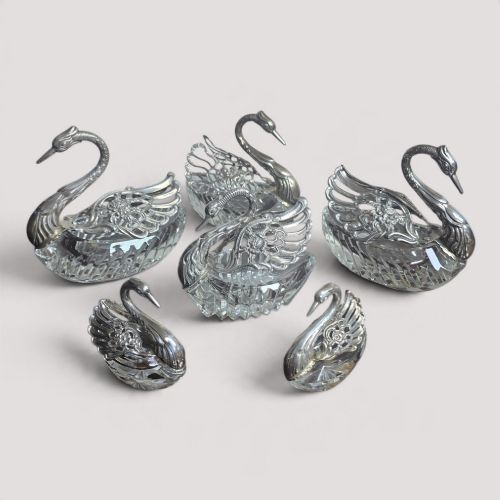
These vintage crystal trinket dish pieces bring sparkling glass and precious metal to a dressing table.
Vintage Crystal Trinket Dish
The selection spans several distinct historical periods, notably the Victorian, Edwardian, and Art Deco eras, alongside mid-century examples. Forms draw on decorative traditions such as Rococo Revival, Neoclassical Revival, and French Empire Revival. Makers and workshops from Britain, France, and Germany contributed to this varied pool of small vessels.
How they were made
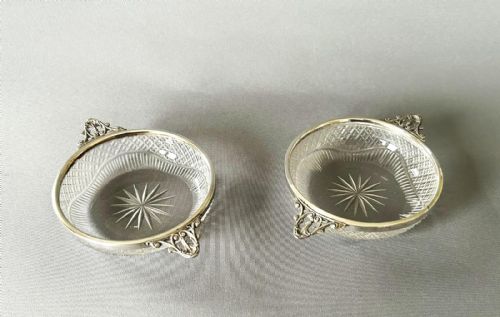
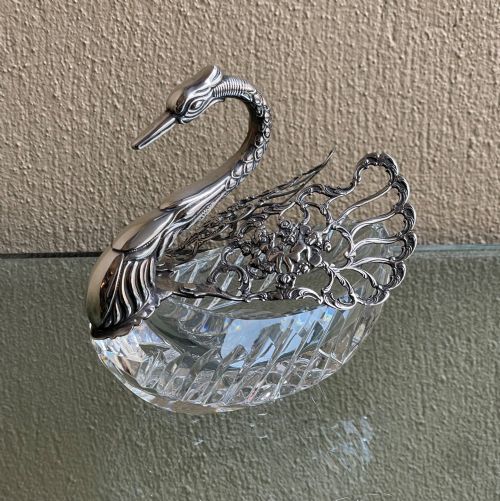
Makers utilised clear and frosted glass, moulded or heavy cut crystal, to form the bowls and bodies of these dishes. Cutting techniques produced sharp geometric or floral facets that catch the light, while moulding allowed for sculptural reliefs such as those seen on French pieces.
Metal mounts, hinged lids, and rims were fashioned from sterling silver, silver plate, or ormolu, frequently complemented by coloured enamel details. These metal components were secured to the glass bodies with adhesives, collars, or mechanical fittings.
Vintage Crystal Trinket Dish Retail Price Guide 2026
Typical asking prices for vintage crystal trinket dish among the pieces listed under this phrase on Sellingantiques today, from the lower quarter to the upper quarter. They describe what is for sale here now, not the wider market.
Listings feature pieces from the Victorian, Edwardian, and 1930s periods, incorporating cut glass, sterling silver, enamel, and ormolu.
What varies in quality
Quality rests in the crispness of the glass cutting and the weight of the crystal body, which determines how solidly a piece sits. Heavy, deep cutting reflects light sharply, whereas lighter moulded glass offers a softer finish.
The refinement of the metalwork and the application of enamel set apart the finer examples. Substantial silver mounts, secure hinges, and well-executed enamel work distinguish master workshops from standard commercial production.
Hoffman·Posen of Frankfurt and Berlin·René Lalique
The Vintage Crystal Trinket Dish Glossary
- Cut Glass
- Glass shaped and patterned by abrasive wheels and polishing stones. This technique creates deep, light-reflecting facets across the surface of the dish.
- Ormolu
- Gilded bronze or brass mounts applied to decorative objects. This material provided a rich gold-coloured frame for crystal vessels, particularly in French designs.
- Pin Dish
- A shallow vessel designed for holding straight pins on a dressing table or sewing desk. These small dishes often feature decorative rims or figural centres.
- Vanity Jar
- A lidded container used for holding cosmetics, powders, or hair pins. They frequently combine glass bodies with decorative metal or enamel lids.
Vintage Crystal Trinket Dish: Frequently Asked Questions
What were vintage crystal trinket dishes used for?
These small vessels served as tidy containers for everyday dressing table accessories such as pins, rings, and hair clips. Their lidded forms also protected delicate items from dust.
Over time, they evolved from purely functional items into decorative display pieces that reflected the aesthetic tastes of their respective eras.
How do I date a crystal trinket dish?
Dating relies on identifying stylistic markers, such as the geometric lines of Art Deco or the elaborate scrolls of the Victorian period. Materials like specific types of enamel and hallmarks on silver mounts offer further chronological clues.
Comparing the cutting style and weight of the glass against known period examples helps narrow down the decade of production.
Are silver mounts marked with hallmarks?
Many silver-topped pieces feature standard assay marks, maker's marks, and date letters stamped into the metal rim or collar. These marks identify the country of origin and the exact year of manufacture.
Unmarked metal components often indicate silver plate or Continental standards that lack British assay stamps.