


Antique French Trinket Casket
An antique french trinket casket holds small valuables on a dressing table, combining cast metal frames with glass, porcelain or exotic wood.
Antique French Trinket Casket
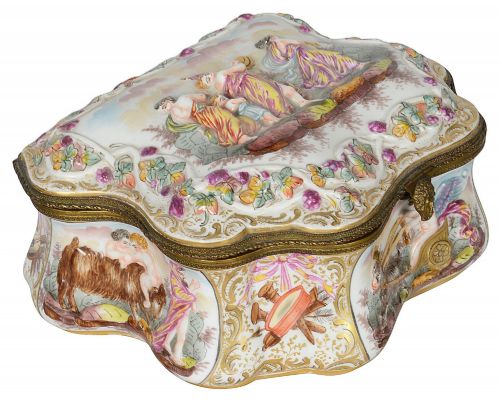
When you search for an antique french trinket casket, you encounter heavily ornamented small boxes designed for jewellery and vanity items. Most examples on this page date from the nineteenth century, spanning periods like the Second Empire, Napoleon III and the Belle Epoque.
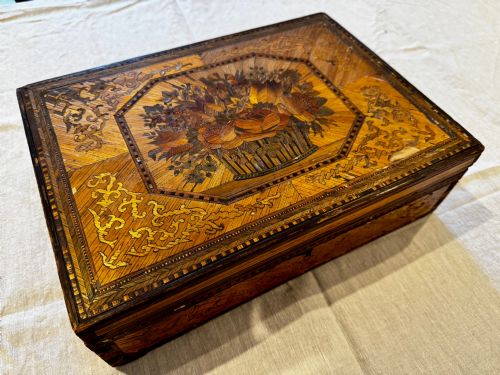
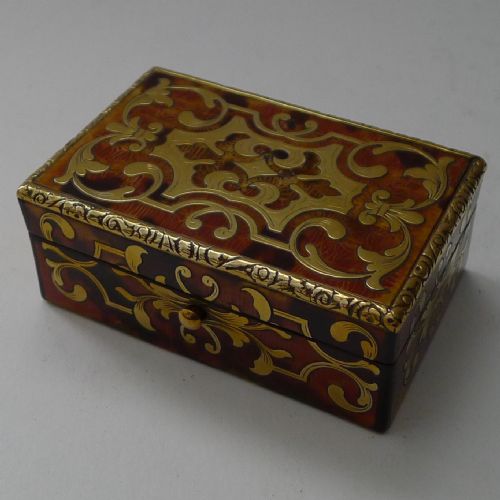
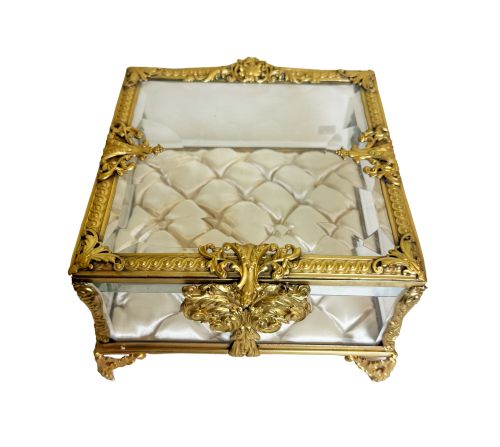
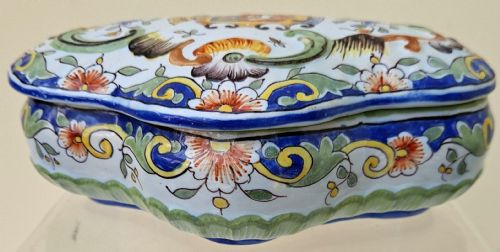
The forms range from glass caskets mounted in ormolu to porcelain bodies painted with floral or figural scenes and wooden boxes inlaid with Boullework or exotic veneers. These pieces reflect the lavish decorative tastes of nineteenth-century French makers catering to an affluent international clientele.
Materials and Construction
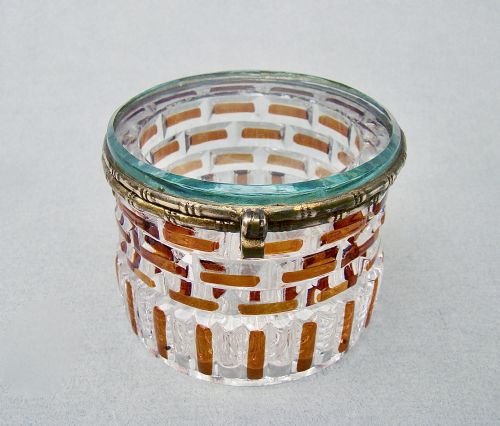
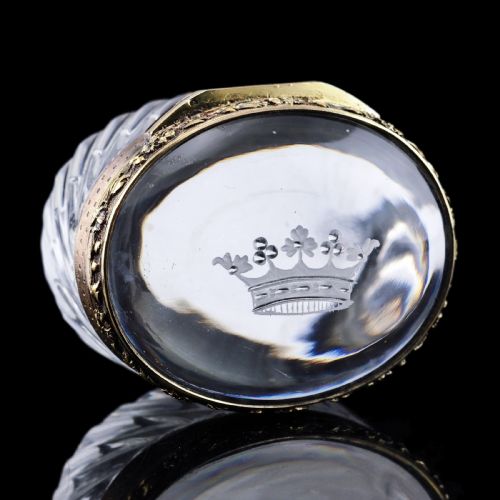
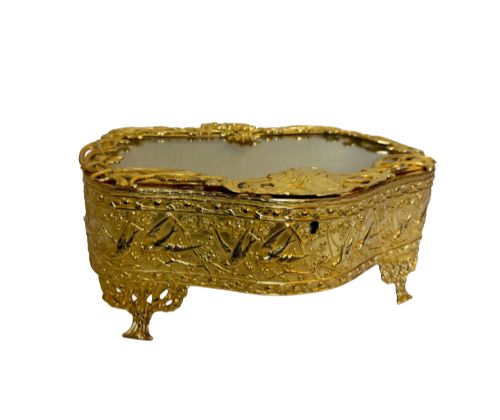
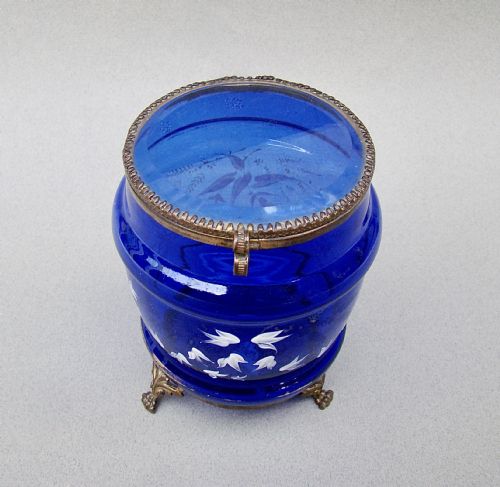
Metals such as ormolu, gilt bronze, brass and gilded copper form the structural mounts and frames of these boxes, often cast with rococo scrolls or architectural motifs. Glass components utilise heavy mouldings from houses like Baccarat, sometimes combined with opaline or Bristol blue panes.
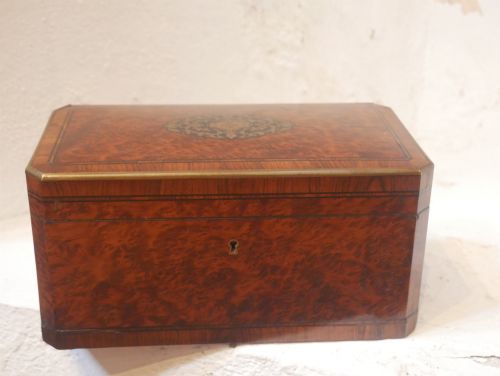
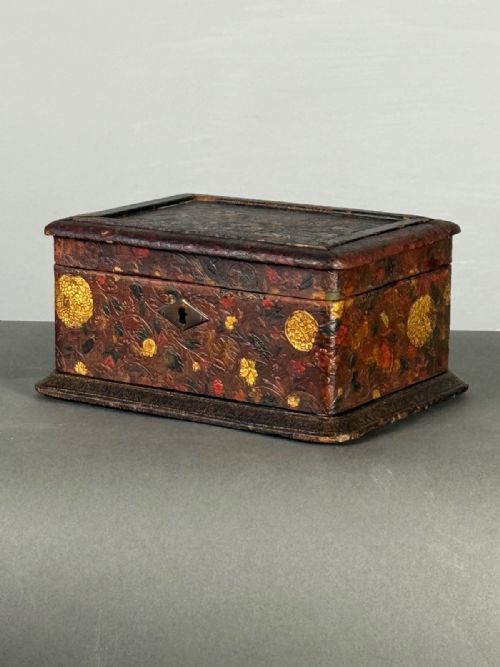
Wooden carcases utilise luxury timbers including amboyna, thuya, kingwood, satinwood and ebony, frequently decorated with tortoiseshell, brass marquetry or tooled leather. Ceramic elements incorporate Sevres and Limoges porcelain alongside faience panels.
Some nineteenth-century makers concealed tiny porcelain carriages inside glass eggs, turning a simple trinket box into a miniature travelling coach.
Quality and Execution
The distinction between ordinary and exceptional boxes lies in the crispness of the metal casting and the depth of the gilding. Hand-painted porcelain panels with fine detail and signed cabinetmaker works command greater appreciation than mass-produced stamped brass mounts.
Quality also shows in the precision of the joinery for wood or the thickness and clarity of cut crystal and glass. Original silk or velvet linings and working locks with matching keys elevate the desirability of a piece.
Tahan Paris·Susse Freres Paris·Lund Of Cornhill
The Antique French Trinket Casket Glossary
- Ormolu
- Gilded bronze or brass used for mounts and decorative frames. This technique involves applying a gold amalgam to a bronze base and heating it to drive off the mercury.
- Boullework
- Marquetry of tortoiseshell and brass popularized in France. Named after cabinetmaker Andre-Charles Boulle, it creates intricate metallic patterns against a dark ground.
- Sevres
- Porcelain produced by the royal French manufactory. Pieces are typically marked and feature hand-painted subjects often framed in gilt detailing.
- Baccarat
- French crystal and glass manufacturer known for heavy, clear and coloured glass goods. Baccarat glass in these boxes is frequently bevelled and heavy in hand.
- Faience
- Tin-glazed earthenware produced in France. This ceramic body carries painted decoration under a glossy opaque glaze.
Antique French Trinket Casket: Frequently Asked Questions
What were antique french trinket caskets used for?
These boxes served affluent households as secure receptacles for rings, brooches, visiting cards and small personal valuables. Placed upon dressing tables or salons, they displayed the owner's taste and wealth.
They also functioned as portable travel companions for ladies of means, protecting fragile accessories during transit. Today, they serve a similar decorative and practical role in domestic interiors.
How do I date an antique french trinket casket?
Dating relies on stylistic clues, materials and construction techniques observable in the piece. Second Empire and Napoleon III items often feature heavy ormolu and classical revival motifs, while later nineteenth-century examples may display Art Nouveau influences.
Maker stamps, hinges, and lock mechanisms also provide chronological markers. Comparing the style of painting on porcelain or the cut of the glass helps narrow the decade of production.
Are these boxes fragile?
Many examples incorporate delicate elements such as bevelled glass panels, thin porcelain plaques or intricate ormolu filigree. While durable enough for careful daily use, they require gentle handling to protect fragile joints and surface gilding.
Moving a heavy bronze or crystal box demands a secure two-handed grip. Placing them away from active table edges prevents accidental drops.
How do I care for ormolu and gilt bronze?
Ormolu and gilt metal require minimal intervention to preserve their historic finish. Dusting with a soft, dry cloth prevents grime accumulation without stripping the delicate gold layer.
Moisture and chemical cleaners should be avoided entirely, as they damage the underlying bronze and modern abrasive polishes will permanently wear away the gilding.