



Nineteenth Century Jewellery Box
A nineteenth century jewellery box is a small timber or metal container for personal valuables, prized for intricate marquetry and fine craftsmanship.
Nineteenth Century Jewellery Box
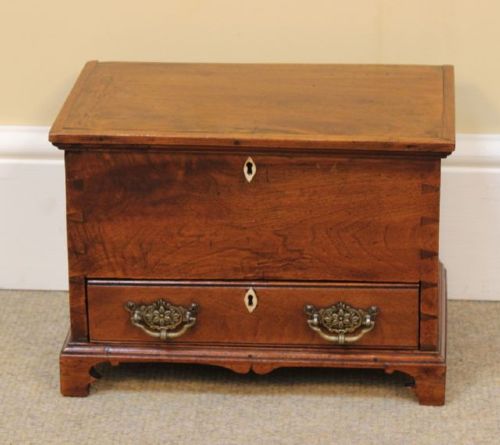
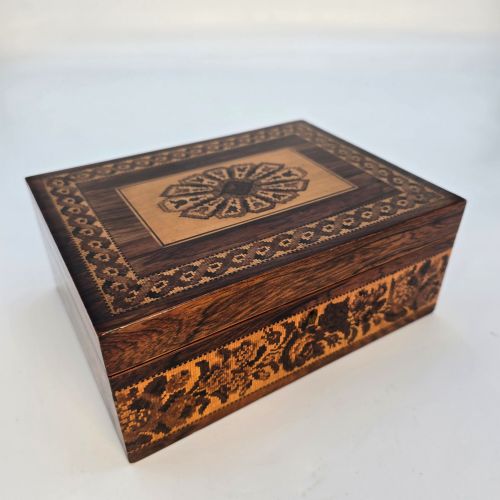
When you search for a nineteenth century jewellery box, you encounter portable caskets, miniature chests of drawers, and vanity cases designed to house precious trinkets. The selection ranges from plain mahogany forms to elaborate Tunbridge Ware and coromandel boxes with fitted interiors.
You are most likely to meet Victorian rosewood and walnut examples featuring mother-of-pearl inlay, brass stringing, or silk-lined compartments. These pieces span the Regency, Victorian, and Edwardian periods, reflecting the shifting domestic tastes of the era.
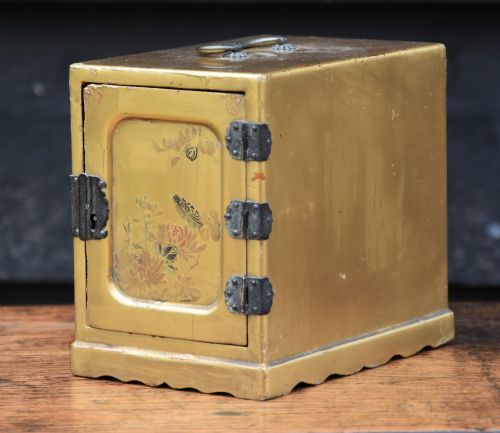
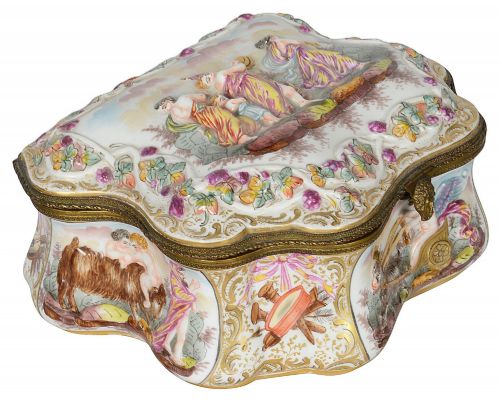
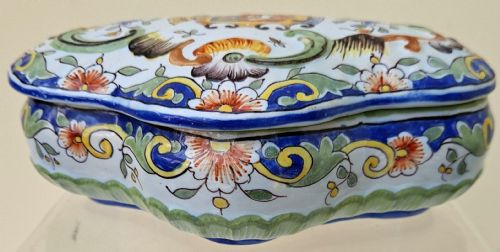
Alongside standard English boxes, the offerings include Anglo-Indian quill-work items, Japanese gilt lacquer kodansu, and French porcelain caskets. Each object demonstrates the period's preference for functional containers that doubled as decorative desk or dressing table ornaments.
How they were made
Cabinetmakers constructed these boxes using dense timbers such as rosewood, walnut, mahogany, and coromandel, often applying burr walnut veneers to curved or domed lids. Specialised workshops utilised brass for hinges, escutcheons, and stringing to reinforce and decorate the exterior.
Surface ornamentation involved meticulous techniques including Tunbridge Ware marquetry, mother-of-pearl inlay, and Japanese gilt lacquer work. Interiors typically featured fitted compartments lined in silk, velvet, or paper to protect delicate personal items.
What varies in quality
The standard of timber selection and veneer matching defines the upper tier of these pieces, alongside the precision of the marquetry or parquetry patterns. Boxes utilising solid ebony, coromandel, or tortoiseshell generally outrank simple softwood carcases covered in basic veneers.
Interior complexity and the survival of original silk linings, fitted trays, and working locks significantly influence the standing of a box. Superior examples display seamless mitre joints, intact mother-of-pearl inlay, and maker signatures from established London firms.
Edmund Nye·H Mitchell
The Nineteenth Century Jewellery Box Glossary
- Tunbridge Ware
- A form of British woodworking originating in Kent where small mosaic tiles of naturally coloured woods form pictorial or geometric surface patterns. It requires thousands of tiny precisely cut wood sections.
- Coromandel
- A dense, heavy southeast Asian timber featuring dark brown and black grain patterns with a rich lustre. It was frequently used for high-end Victorian luxury boxes.
- Vinaigrette
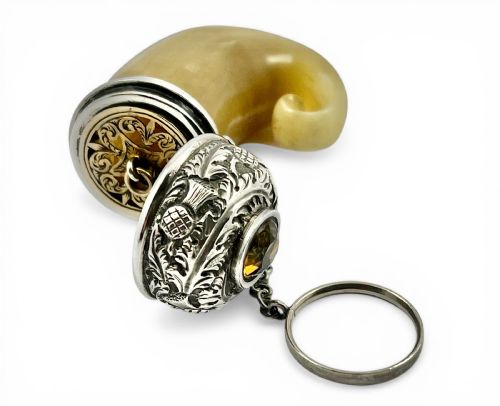
- A small ornamental box containing a perforated grill over a sponge soaked in aromatic vinegar. These were carried during the nineteenth century to counteract unpleasant odours.
- Kodansu
- A small Japanese cabinet or portable box with multiple internal drawers and doors. They often feature elaborate gilt lacquer and metal fittings.
- Marquetry
- The art of applying thin pieces of wood veneer to a structural carcase to form decorative pictures or patterns. Craftsmen select contrasting timbers to achieve tonal depth.
Nineteenth Century Jewellery Box: Frequently Asked Questions
How do I identify Tunbridge Ware?
Tunbridge Ware is identified by its distinctive mosaic surface decoration made from countless tiny strips of naturally coloured wood assembled into geometric or floral patterns.
Most pieces use rosewood or mahogany as a base, with the intricate wooden mosaic applied to the lid and sides as a panel.
What is an apprentice piece?
An apprentice piece is a miniature item of furniture, such as a chest of drawers or mule chest, created by a trainee craftsman to demonstrate mastery of their trade.
These scaled-down objects exhibit the exact joinery techniques and proportions expected of full-sized furniture from the period.
How were sewing boxes used?
Sewing boxes and workboxes served as portable stations for domestic needlework, holding threads, needles, bobbins, and fabric scraps in fitted internal trays.
Victorian ladies kept these decorative boxes in the parlour or drawing room so sewing implements remained organised and accessible.