



Carved Wooden Vanity Box
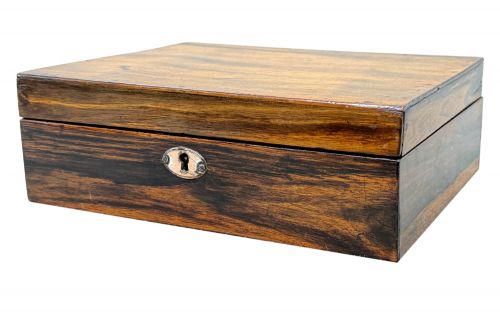
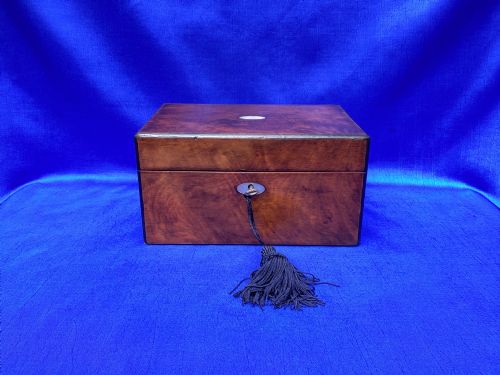
A carved wooden vanity box brings centuries of craftsmanship to the dressing table, holding personal treasures in polished walnut, coromandel, and mahogany.
Carved Wooden Vanity Box
A carved wooden vanity box encompasses dressing table mirrors, jewellery chests, work boxes, and travelling cases designed to store personal items. When searching for a carved wooden vanity box, buyers encounter pieces spanning the Georgian, Victorian, and Edwardian eras, alongside items from specific decades like 1880 and 1930.
The objects take diverse forms, from serpentine fronted dressing mirrors and sarcophagus-shaped rosewood chests to inlaid Sorrento olive wood cases and intricate Kashmir boxes. These pieces reflect the functional needs of past dressing rooms, serving as secure repositories for trinkets, crowns, turbans, and keepsakes.
Origins stretch from English workshops to Italian, Chinese, and Indian makers, incorporating styles such as Tudor Revival, Aesthetic Movement, and Chinese Export. The materials range from domestic oak and walnut to exotic coromandel and fruitwood, often featuring detailed carving or figuration.
Materials and construction
Makers utilised hardwoods such as mahogany, walnut, rosewood, and coromandel wood as the structural foundation for these boxes. These timbers were selected for their rich grain patterns, durability, and capacity to take a high polish or intricate relief carving.
Surfaces were frequently enhanced with contrasting inlays like mother-of-pearl or fitted with internal compartments, glass elements, and brass hardware such as hinges, locks, and carrying handles.
Carved Wooden Vanity Box Retail Price Guide 2026
Typical asking prices for carved wooden vanity box among the pieces listed under this phrase on Sellingantiques today, from the lower quarter to the upper quarter. They describe what is for sale here now, not the wider market.
Assessing craftsmanship and finish
Quality rests in the precision of the joinery, the selection of figured veneers or solid timbers like burr walnut, and the crispness of any applied carving or inlay. Superior examples display seamless alignment in their drawers, lids, and swing-out cases.
The integrity of the interior lining, the retention of original brass fittings, and the depth of the timber's finish distinguish standard utilitarian boxes from exceptional decorative pieces.
The Carved Wooden Vanity Box Glossary
- Coromandel Wood
- A dense, heavily grained dark timber from Southeast Asia often utilised in high-end Victorian work and jewellery boxes.
- Sarcophagus-Shaped
- A style of box featuring a sloping, pedestal-mounted lid reminiscent of a classical stone coffin, popular during the Regency and William IV periods.
- Serpentine Front
- A convex centre flanked by concave curves, creating a fluid, undulating line on the front edge of dressing mirrors and table bases.
- Work Box
- A specialised container designed for sewing implements, threads, and needlework accessories, often fitted with internal trays.
Carved Wooden Vanity Box: Frequently Asked Questions
What fits inside a vanity box?
These boxes accommodate small personal possessions such as jewellery, trinkets, letters, and sewing tools within their compartmentalised interiors.
Larger versions like travelling cases and turban boxes were built to hold specific garments or accessories, while table top mirrors provided functional reflection for daily grooming.
How do I date a wooden box?
Dating relies on examining the timber species, construction techniques, hardware, and stylistic indicators such as Georgian proportions or Victorian aesthetic motifs.
Inscribed dates, maker marks, and regional characteristics like Sorrento olive wood or Chinese export carving further narrow the period of origin.
Where should I place a vanity box?
These boxes sit comfortably on dressing tables, chest of drawers, or console tables where their carved surfaces and polished woods remain visible.
They function well as decorative display pieces while continuing to serve their original purpose of holding everyday keepsakes and jewellery.
Are these boxes durable for daily use?
Solid hardwoods and robust construction ensure these boxes withstand normal handling and daily opening of lids and drawers.
Care should be taken to protect delicate internal linings, polished wood finishes, and inlaid mother-of-pearl from excessive moisture and direct sunlight.