


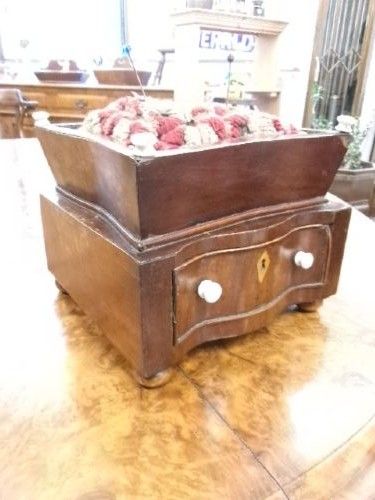

Victorian Needlework Box
A victorian needlework box brings together tidy compartments and polished timber to hold threads, needles, and small crafts.
Victorian Needlework Box
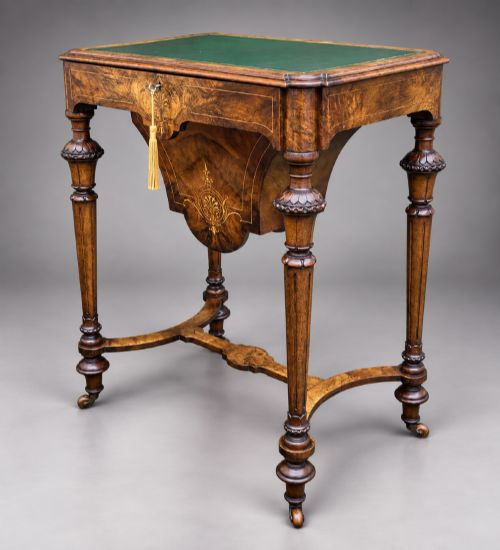
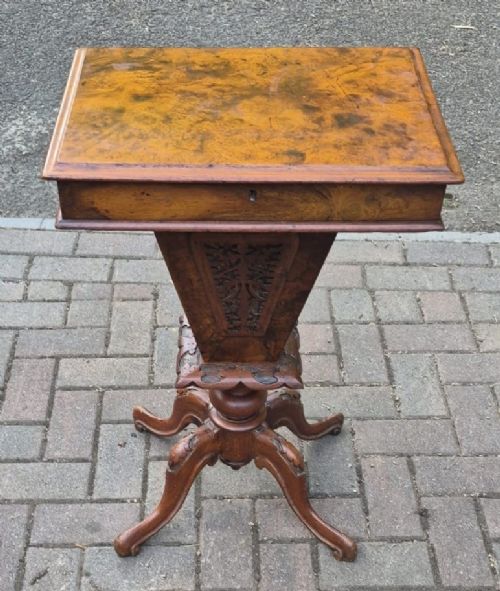
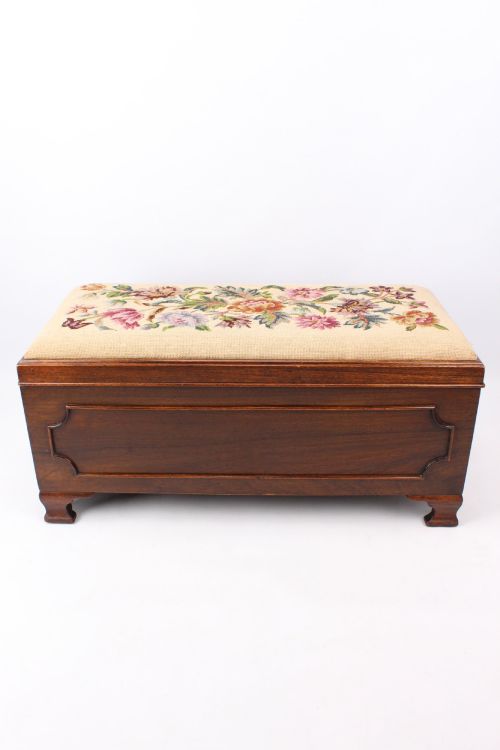
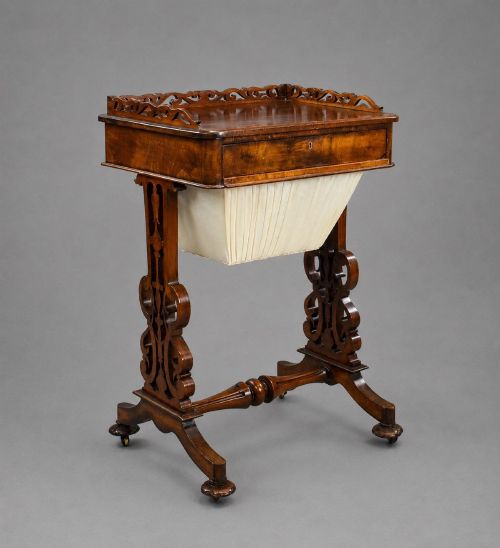
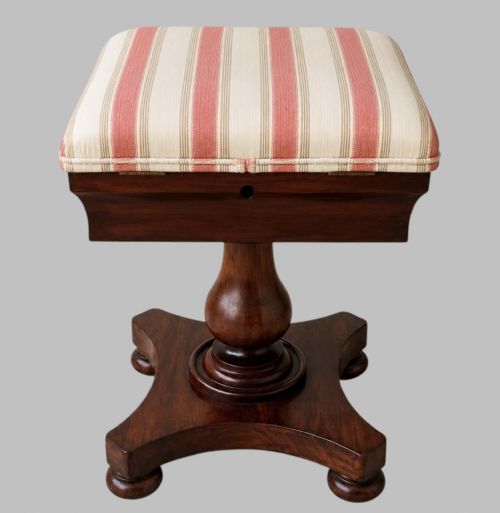
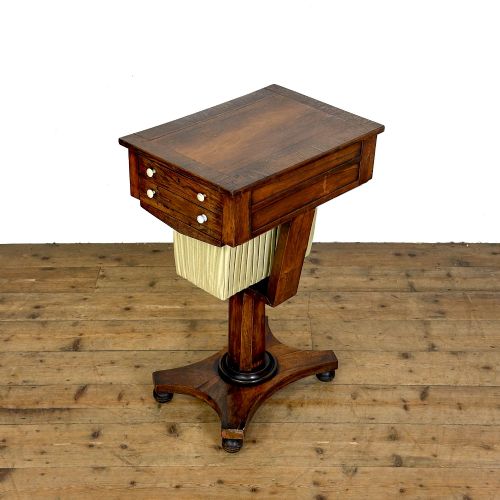
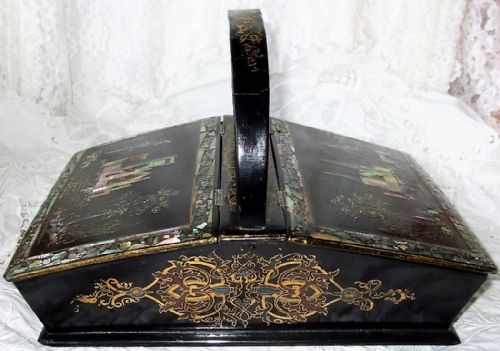
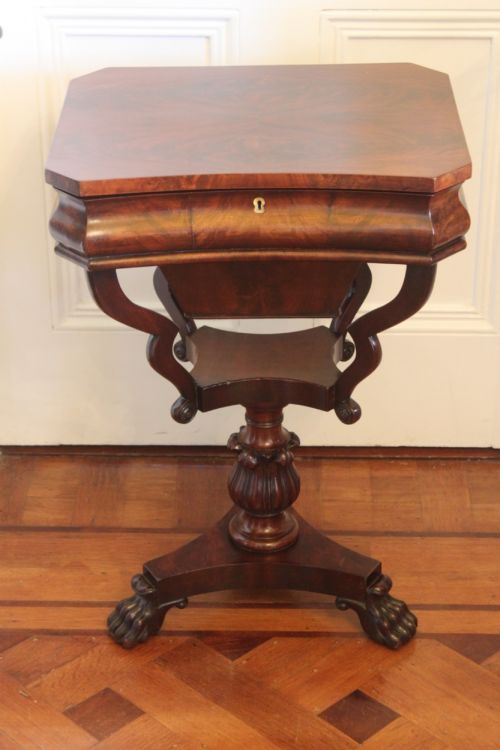
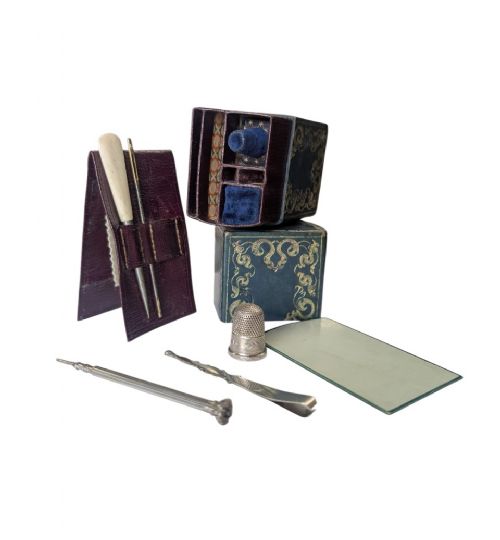
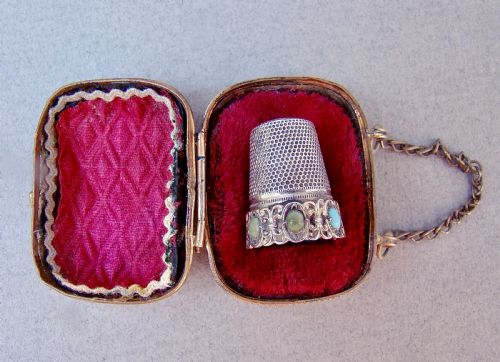
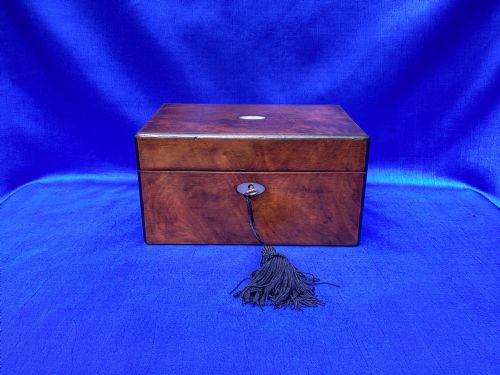
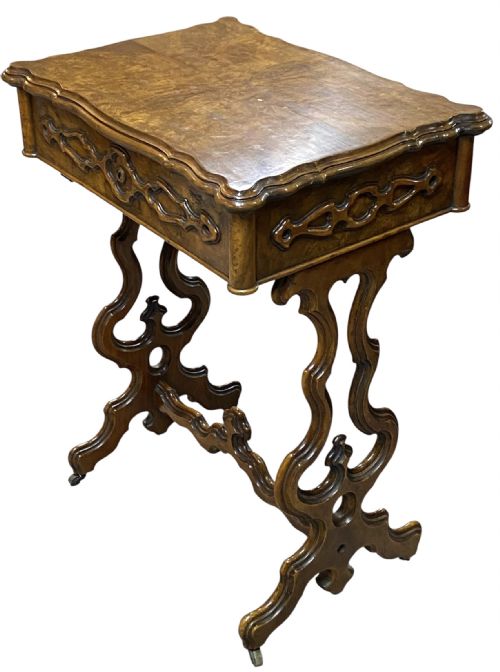
A victorian needlework box encompasses small tabletop caskets, portable cases, and larger freestanding work tables designed for domestic sewing. The pieces span portable tabletop boxes and substantial furniture forms like sewing tables, work tables, and ottomans.
Burr walnut, mahogany, and rosewood dominate the selection, often complemented by marquetry, mother-of-pearl, or fabric interiors. These containers and tables reflect the domestic pursuits of the nineteenth century, serving both practical storage and decorative roles in the home.
Freestanding tables and lidded boxes appear frequently across the selection, representing the standard formats preserved from the Victorian era and adjacent periods. Buyers encounter pieces configured specifically for thread storage, fitted interiors, and needlework accessories.
Distinguishing quality
The refinement of internal fittings and the precision of exterior marquetry distinguish superior examples from standard production. Fitted interiors featuring matched compartments and intact velvet or silk elements indicate careful original craftsmanship.
Timber selection plays a central role, with highly figured burr walnut or rich rosewood grains elevating the presence of a piece. The tightness of joints and the smooth operation of drawers or lidded compartments reflect the skill invested by the cabinetmaker.
Victorian Needlework Box Retail Price Guide 2026
Typical asking prices for victorian needlework box among the pieces listed under this phrase on Sellingantiques today, from the lower quarter to the upper quarter. They describe what is for sale here now, not the wider market.
Listings feature woods such as rosewood, mahogany, burr walnut, and coromandel, alongside fabrics like velvet.
The Victorian Needlework Box Glossary
- Burr walnut
- A figured timber harvested from walnut tree growths, prized for swirling grain patterns on tabletops and box lids.
- Tunbridge Ware
- Small wooden objects decorated with mosaic patterns created from thousands of tiny tinted wood blocks.
- Etui
- A small ornamental case used for holding needles, scissors, and other sewing implements.
- Chatelaine
- A decorative belt hook worn with suspended chains carrying household and sewing accessories.
- Marquetry
- The art of applying decorative pieces of veneer to a structure to form geometric or pictorial designs.
Victorian Needlework Box: Frequently Asked Questions
What is a victorian needlework box used for?
These containers held sewing implements, threads, pins, and fabrics used in nineteenth-century domestic needlecraft. Fitted trays kept smaller tools organised while the outer case protected delicate materials.
Many examples doubled as decorative tabletop objects or small desks for correspondence and minor crafts. The compartments reflect the structured nature of household sewing tasks during the period.
How do I tell a work table from a sewing box?
Sewing boxes are portable containers designed to sit on tabletops or desks, often featuring lift-off lids and internal trays. Work tables are freestanding pieces of furniture standing on legs, incorporating drawers or hanging fabric bags for textiles.
Both forms served the same ultimate purpose of containing sewing equipment, but work tables functioned as permanent items of room furniture.
Where should I place a sewing table at home?
Freestanding sewing tables and occasional pieces fit comfortably beside armchairs, sofas, or beds as functional side tables. Their drawers and compartments provide discreet storage for modern small items while maintaining period character in a room.
Tabletop boxes rest securely on chests of drawers, sideboards, or desk surfaces where their decorative wood grains and inlaid details remain visible.
How do I care for rosewood and walnut boxes?
Keep wooden surfaces away from direct sunlight and heat sources to prevent timber warping and veneer cracking. Dust regularly with a dry cloth and apply occasional specialist wax to nourish the grain.
Fabric interiors benefit from gentle brushing to remove dust without disturbing delicate historical textiles or velvet linings.