
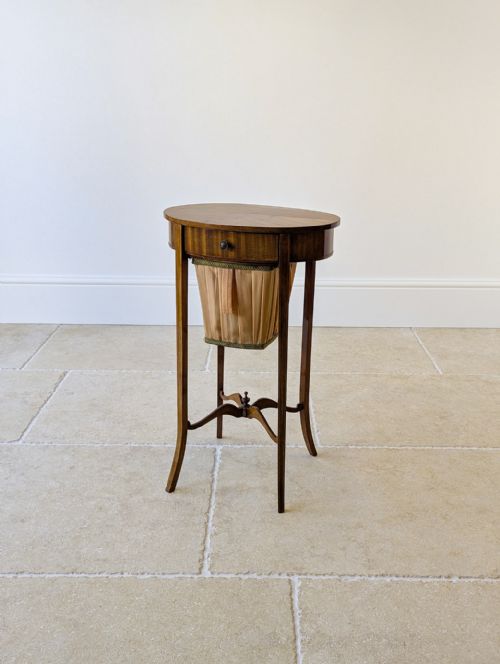


Antique Sewing Cabinet
An antique sewing cabinet brings both historical utility and refined timber craftsmanship into a room.
Antique Sewing Cabinet
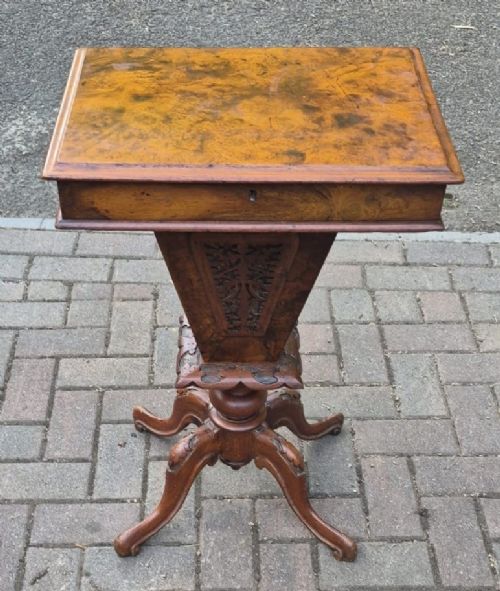
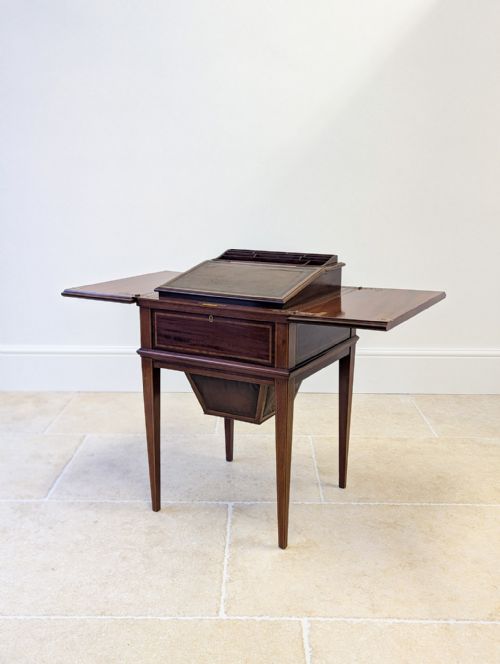
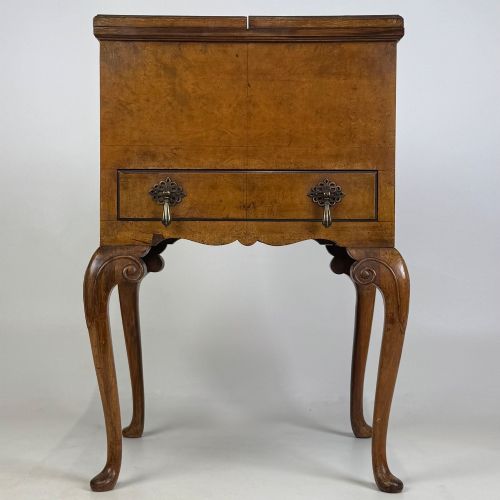
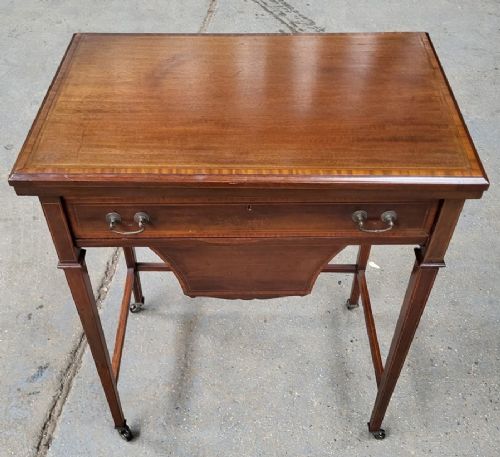
An antique sewing cabinet encompasses specialised work tables, haberdashery display cases, and fitted boxes designed for needlework and textiles. These pieces date across the Regency, Victorian, and Edwardian periods up to the interwar years.
The most common forms on this page are mahogany and walnut work tables featuring silk baskets or interior compartments alongside haberdashery drawer units. Buyers also encounter occasional tables, writing desks, and countertop display cases.
Origins span formal English drawing room furniture to commercial shop fittings like cotton spool cabinets. Each variant reflects the domestic or retail textile storage needs of its respective era.
Materials and construction
Cabinetmakers utilised dense hardwoods such as mahogany, walnut, and rosewood, frequently enhancing surfaces with satinwood inlay, boxwood stringing, or burr walnut veneers. Tiger bamboo and lacquered finishes appear alongside oak and japanned workboxes.
Construction methods combine dovetailed drawer boxes, turned or carved timber supports, and drop-leaf mechanisms. Interior fittings often incorporate silk work bags, compartmentalised trays, and brass hardware.
Antique Sewing Cabinet Retail Price Guide 2026
Typical asking prices for sewing cabinet among the pieces listed under this phrase on Sellingantiques today, from the lower quarter to the upper quarter. They describe what is for sale here now, not the wider market.
Tiger bamboo makes a wild appearance alongside lacquered surfaces, proving Victorian sewing tables liked to take a walk on the exotic side.
Quality factors
Quality rests upon the selection of timber figures and the precision of inlaid decorative banding. Pieces employing finely figured burr walnut, rosewood, or intricate mahogany crossbanding typically indicate higher workshop standards.
The integrity of internal fittings, such as original silk baskets, fitted writing compartments, and branded display glazing, distinguishes standard utilitarian items from finer salon pieces.
Waring & Gillow·Ermen & Roby·Singer
The Antique Sewing Cabinet Glossary
- Haberdashery cabinet
- A multi-drawer unit originally utilised in shops for storing sewing threads, buttons, and ribbons. These pieces feature numerous shallow drawers for organised textile storage.
- Work table
- A specialised occasional table equipped with drawers or a hanging fabric bag for needlework projects. They were popular in Victorian and Edwardian drawing rooms.
- Japanned
- A European imitation of East Asian lacquerwork applied to wooden furniture surfaces. This decorative technique often appears on early nineteenth-century workboxes.
- Bonheur du jour
- A light lady's writing desk featuring a small cabinet or set of drawers upon the top surface. Some examples combine this writing function with integrated sewing storage.
Antique Sewing Cabinet: Frequently Asked Questions
How were sewing cabinets used historically?
These cabinets served domestic needlework needs by holding threads, needles, and fabrics within compartmentalised drawers or suspended silk baskets. They provided a tidy surface for mending and embroidery in the parlour.
Commercial variants functioned in shops as countertop display cases for selling sewing cottons and haberdashery items to customers.
How do I date an antique sewing cabinet?
Stylistic indicators and timber choices help determine the period of manufacture. Regency and William IV pieces often display bold rosewood grains and classical pedestals, while Edwardian examples favour inlaid mahogany.
Interwar and 1920s items frequently include commercial haberdashery drawers, oak sewing machine housings, or specific manufacturer branding.
Where should I place a sewing cabinet at home?
Compact work tables and occasional cabinets fit well beside seating areas or in studies as side tables. Their drawers and compartments provide practical storage for modern small items.
Larger haberdashery counters and display cases suit living spaces or hallways where their multi-drawer fronts act as a focal point.
What is the difference between a work table and a haberdashery cabinet?
Work tables are domestic furniture pieces designed for personal needlework, often incorporating a drop-in silk bag and delicate inlaid timber surfaces. They belong in private rooms.
Haberdashery cabinets originate from retail environments, featuring banks of shallow glass-fronted or wooden drawers built for commercial thread and textile display.