


Rosewood Bonheur Du Jour
A rosewood bonheur du jour offers a refined ladies writing desk solution, prized for its delicate proportions and fitted compartments.
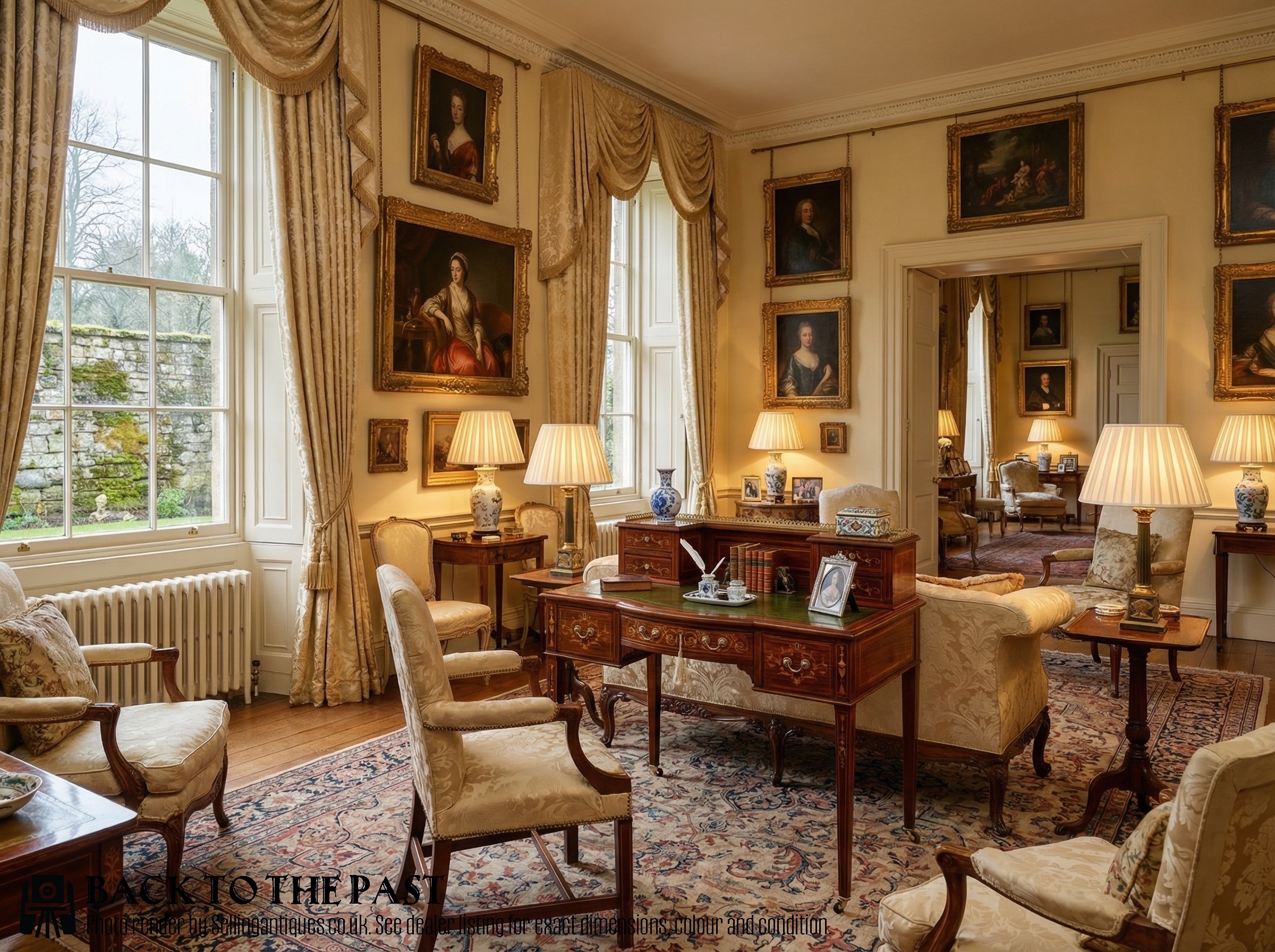
What a rosewood bonheur du jour is
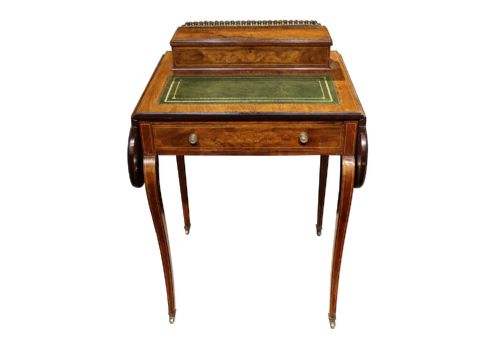
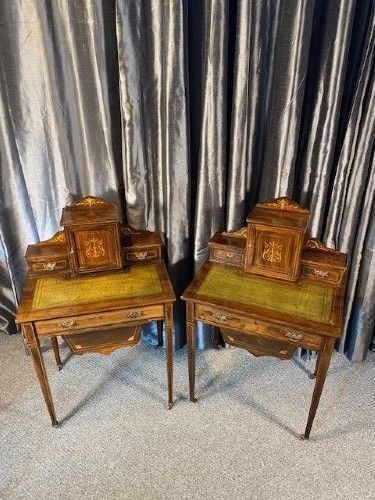
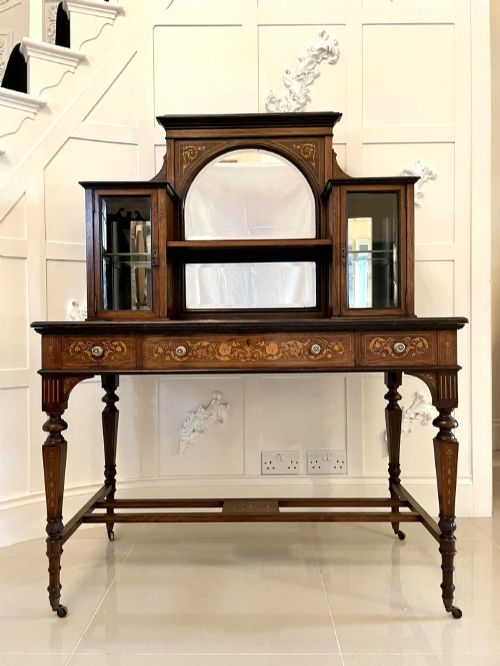
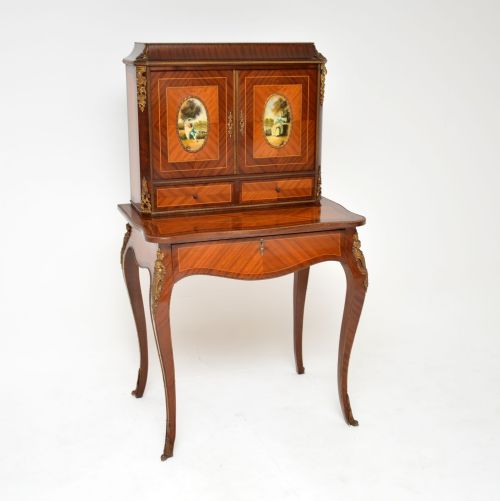
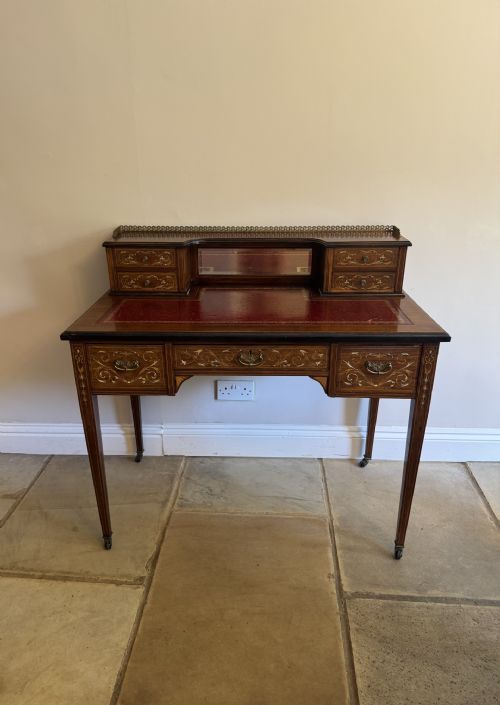
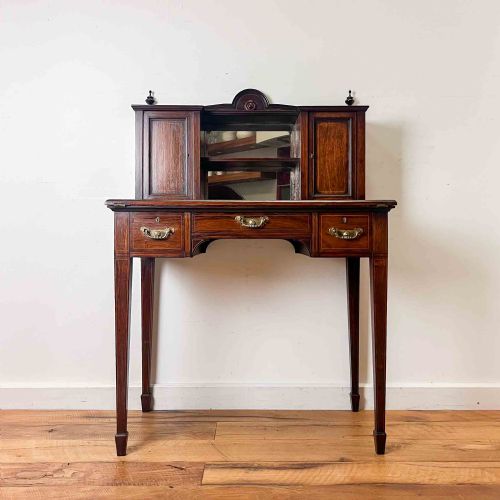
A rosewood bonheur du jour is a small writing desk intended for light correspondence, commonly featuring an upper section of shelves, drawers, or a small cupboard above the writing surface. These pieces appear frequently from the Victorian, Edwardian, and Regency periods, alongside later nineteenth-century interpretations.
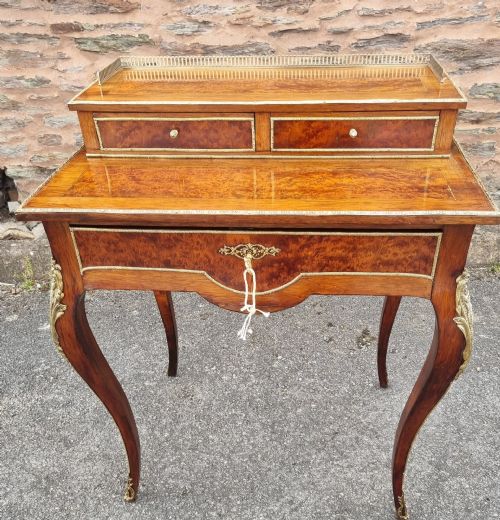
The versions most likely to be met on this page include Edwardian Sheraton Revival examples alongside Victorian and nineteenth-century French designs. Makers and manufacturers produced these desks in various stylistic revivals, incorporating classic writing desk formats with decorative upper tiers.
The form bridges the gap between a display cabinet and a functional writing table, making it a versatile piece for a drawing room or study. Surviving examples often demonstrate distinct period characteristics, from George III faded rosewood pieces to intricate Edwardian marquetry.
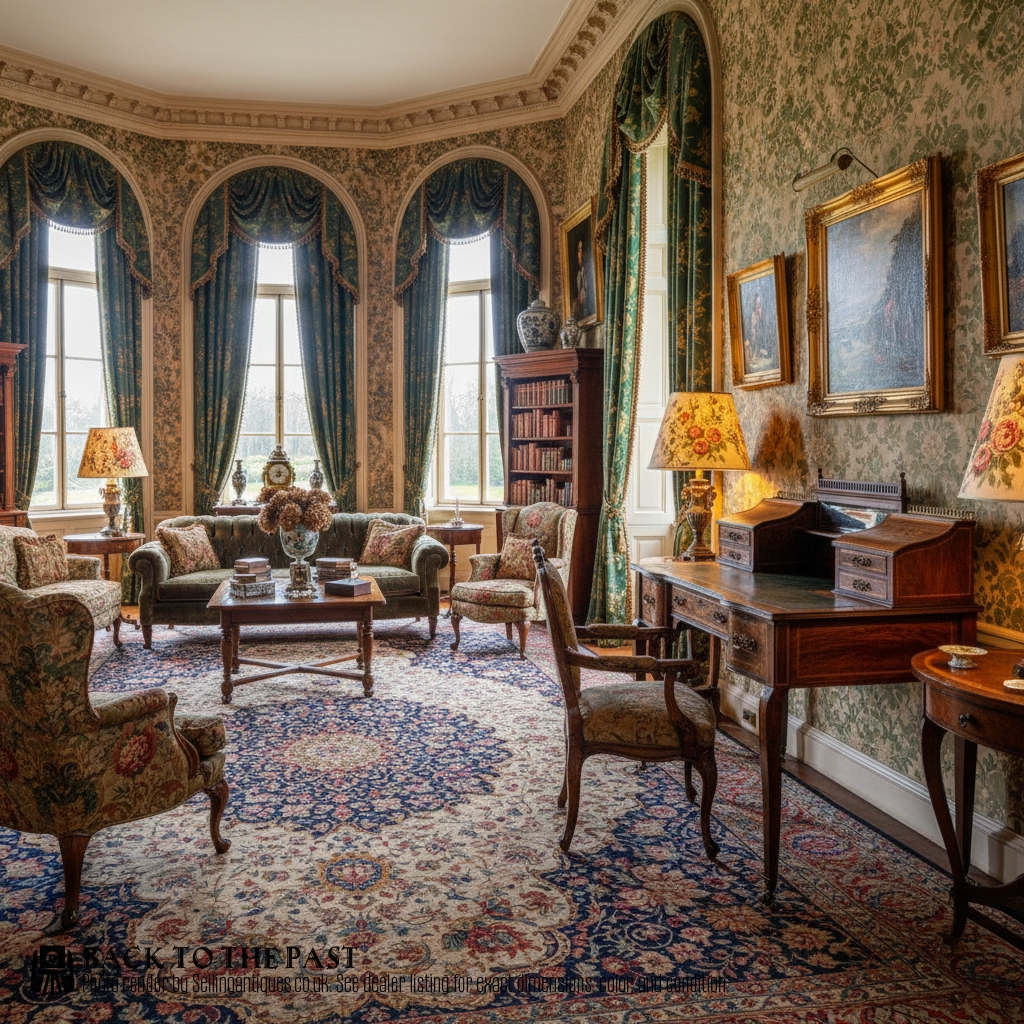
How they were made
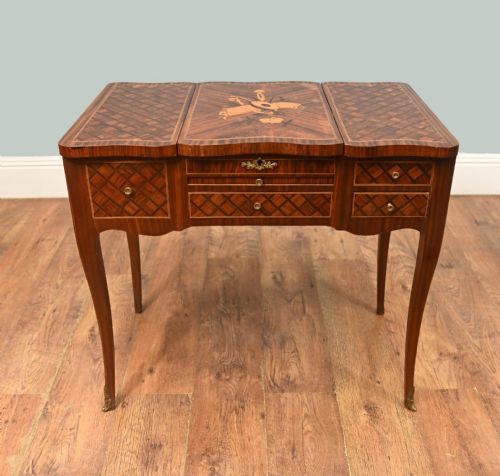
Craftsmen built these desks using rosewood as the primary timber, frequently combining it with satinwood, kingwood, tulipwood, and amboyna for contrasting veneers. Inlaid decoration often incorporates boxwood stringing and delicate marquetry to define the panels and borders.
Metal mounts in brass and ormolu accent the edges, handles, and galleries, whilst leather writing inserts provide a durable surface for daily correspondence. Structural joinery supports the elevated superstructure above the main writing surface without compromising the stability of the legs.
Retail Price Guide 2026
Typical UK retail prices for rosewood bonheur du jour, calculated from the Sellingantiques database of over a million retail prices indexed since 2003. This retail price guide relies exclusively on Sellingantiques data; no external sources or auction records are used, so the figures do not describe the wider market.
Design influences range from French Louis revival styles to English Sheraton Revival interpretations of the classic correspondence desk.
What varies in quality
Quality in a rosewood bonheur du jour depends heavily on the precision of the timber selection and the crispness of the boxwood inlay. Grain matching across the fall-front or writing surface separates finer workshops from standard production pieces.
The intricacy of the upper superstructure and the refinement of the brass or ormolu mounts dictate the upper tier of the range. Finer examples display meticulous marquetry and thoughtful integration of secondary timbers such as satinwood and kingwood.
John McLean
The Rosewood Bonheur Du Jour Glossary
- Bonheur du jour
- A light lady's writing desk featuring a raised tier of small drawers or compartments above the writing surface. The term translates from French as daylight joy.
- Marquetry
- Decorative patterns formed by the insertion of different coloured woods, veneers, and shell into a solid timber ground. This technique creates elaborate floral or geometric motifs across the desk surfaces.
- Boxwood inlay
- Narrow strips of pale boxwood embedded into darker rosewood grounds to create contrasting geometric borders. It acts as a defining feature of Sheraton Revival pieces.
- Ormolu
- Gilded bronze ornamentation applied to mounts, feet, and galleries on nineteenth-century French and English furniture. It provides a bright metallic contrast to dark rosewood timbers.
- Writing slide
- A pull-out board that extends the usable surface of the desk without altering its compact footprint. This feature appears on select correspondence desks.
Frequently Asked Questions
What is a bonheur du jour used for?
These pieces were designed primarily as ladies writing desks for handling morning correspondence, reading, and keeping small personal papers. The upper tiers provided convenient storage for stationery and inkwells.
Today, they function well as compact writing tables or display surfaces in living spaces and studies where full-sized desks would overwhelm the room.
How do I date a rosewood bonheur du jour?
Dating relies on examining the timber combinations, secondary woods, and stylistic revival cues. Regency and George III pieces exhibit different structural proportions compared to Victorian or Edwardian Sheraton Revival examples.
Inlay styles, hardware choices, and the presence of specific veneers like satinwood or amboyna further help narrow down the period of manufacture.
Are these desks suitable for daily use?
While structurally sound, antique rosewood writing desks require gentle treatment to preserve their historic surfaces and delicate veneers. The leather writing inserts and polished rosewood benefit from regular, careful maintenance.
Using them for light laptop work or occasional correspondence is practical, provided heavy wear is avoided.
What distinguishes French from English examples?
French versions frequently employ tulipwood, kingwood, and elaborate ormolu mounts in Louis XV or Louis XVI revival styles. They often lean towards curved lines and decorative gilt bronze details.
English pieces, particularly Edwardian Sheraton Revival and Victorian examples, tend to favour boxwood inlay, satinwood contrasts, and straighter architectural proportions.