

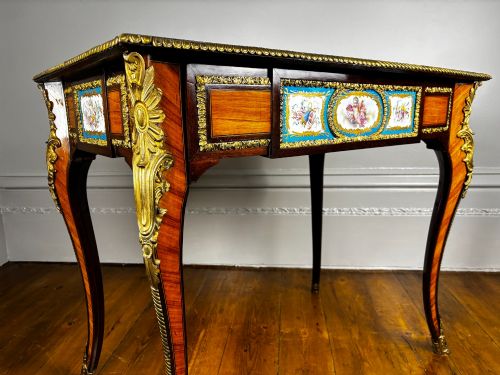
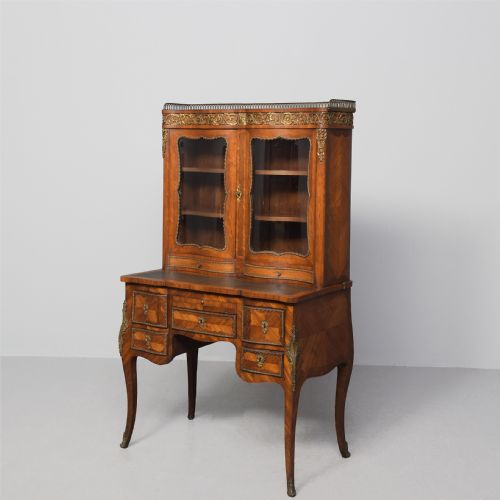
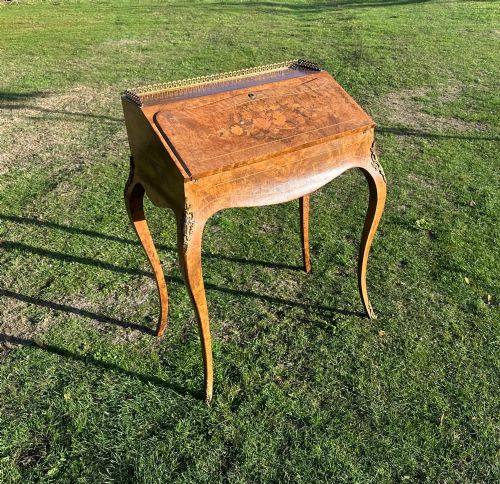
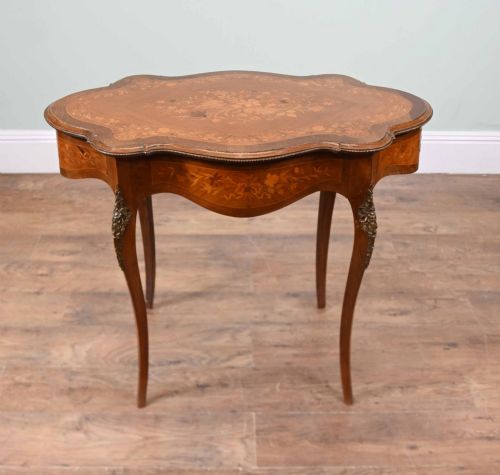
Ormolu Mounted Writing Desk
An ormolu mounted writing desk brings together fine cabinet woods and gilt bronze mounts, offering a workspace rooted in nineteenth-century French revival design.
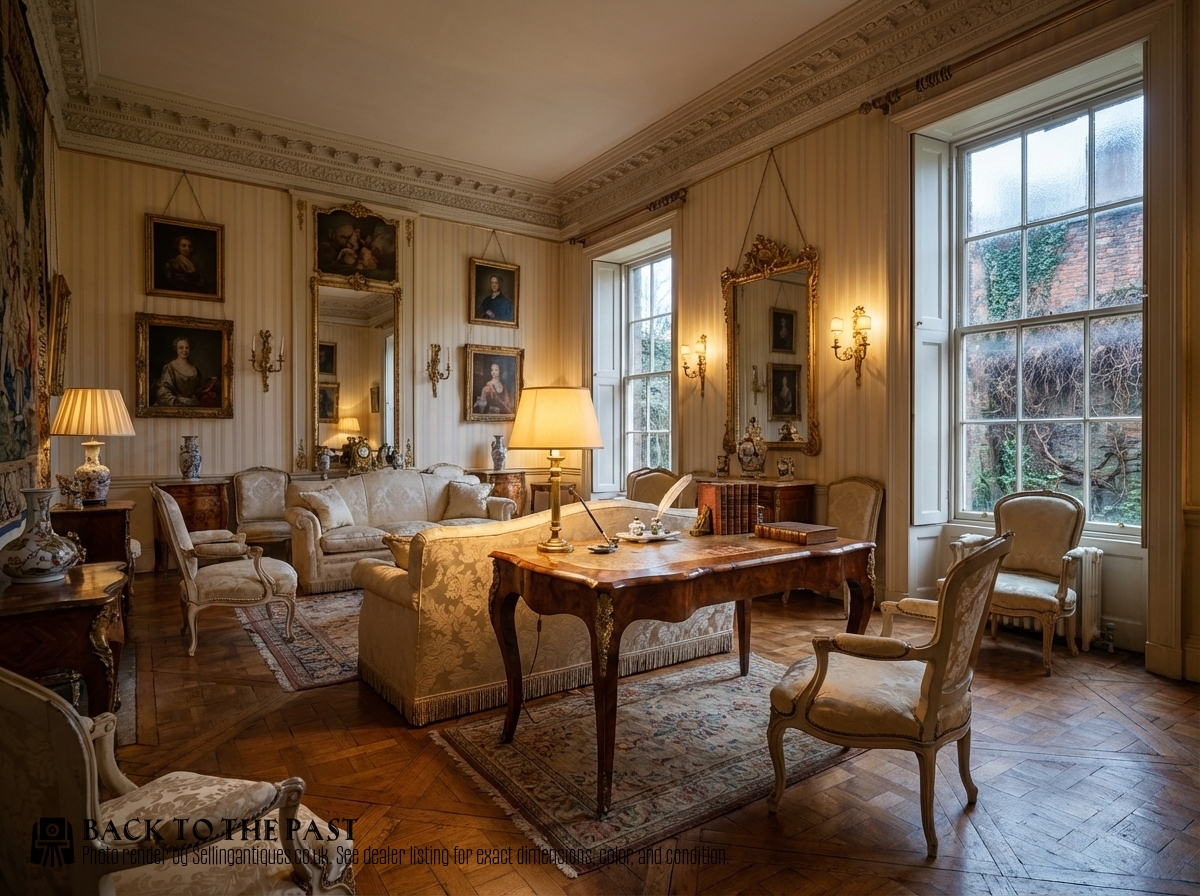
Ormolu Mounted Writing Desk
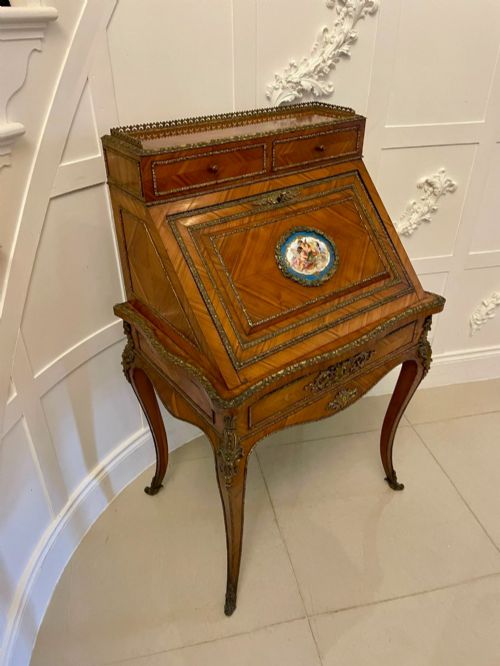
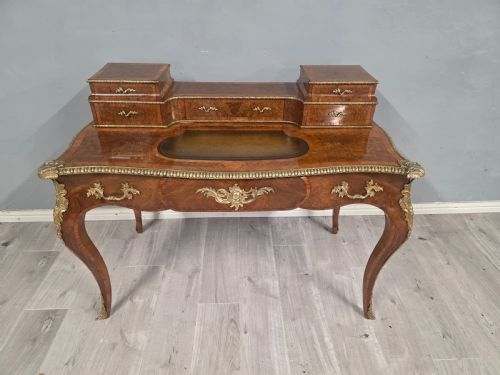
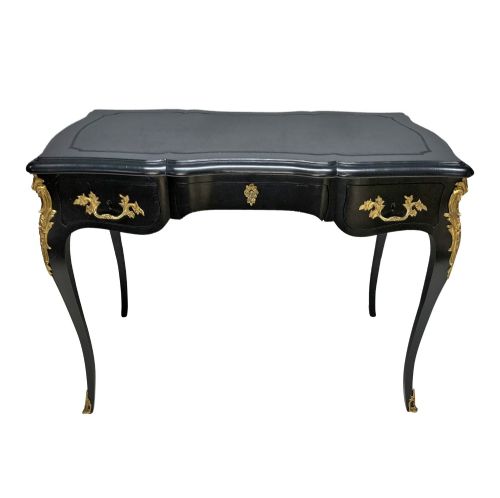
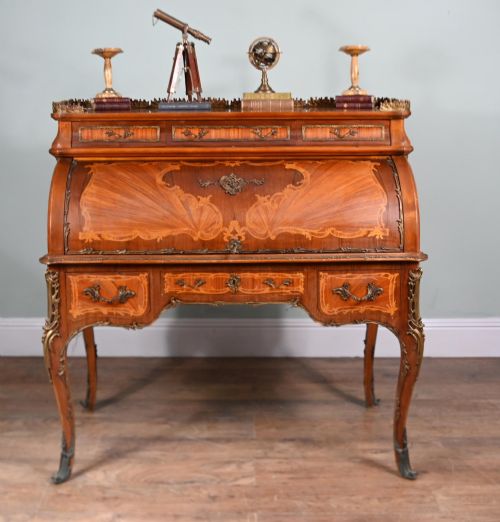
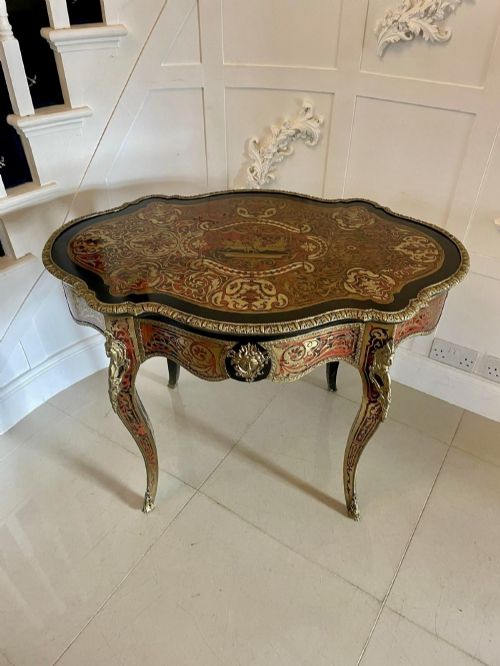
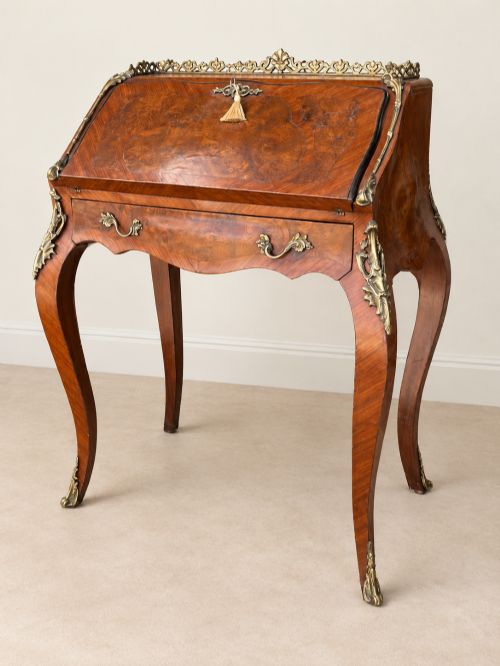
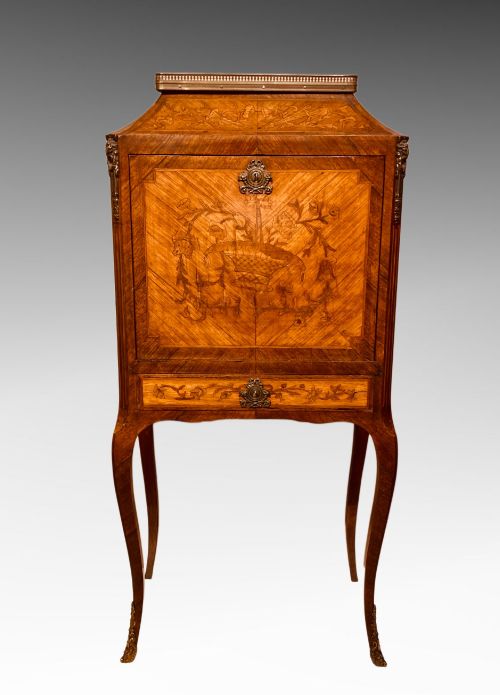
An ormolu mounted writing desk typically presents as a bureau plat, a freestanding centre table, or a secretaire, originating predominantly from nineteenth-century French workshops.
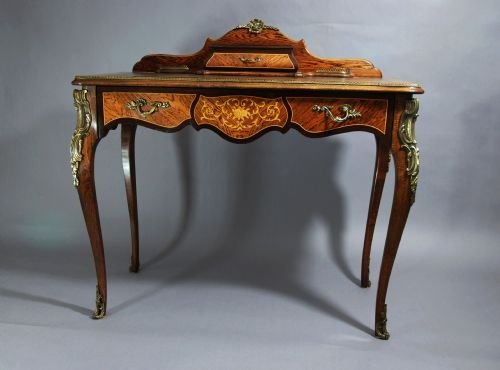
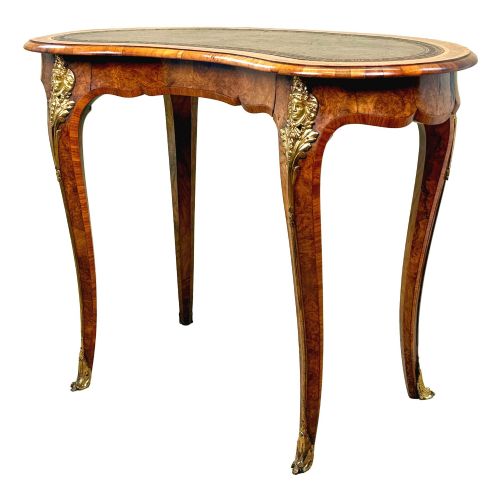
The material vocabulary draws heavily on exotic timbers such as kingwood and rosewood, enriched by cast bronze mounts that echo Louis XV and Louis XVI styles.
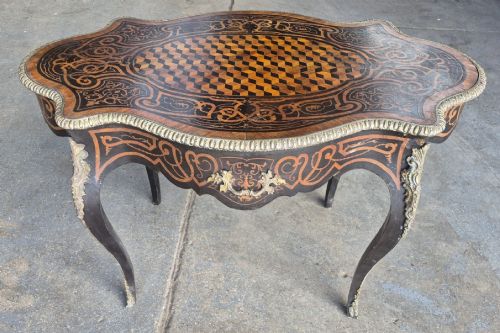
These pieces served as elegant writing surfaces in domestic salons and libraries, with surviving examples frequently displaying serpentine outlines and inlaid parquetry.
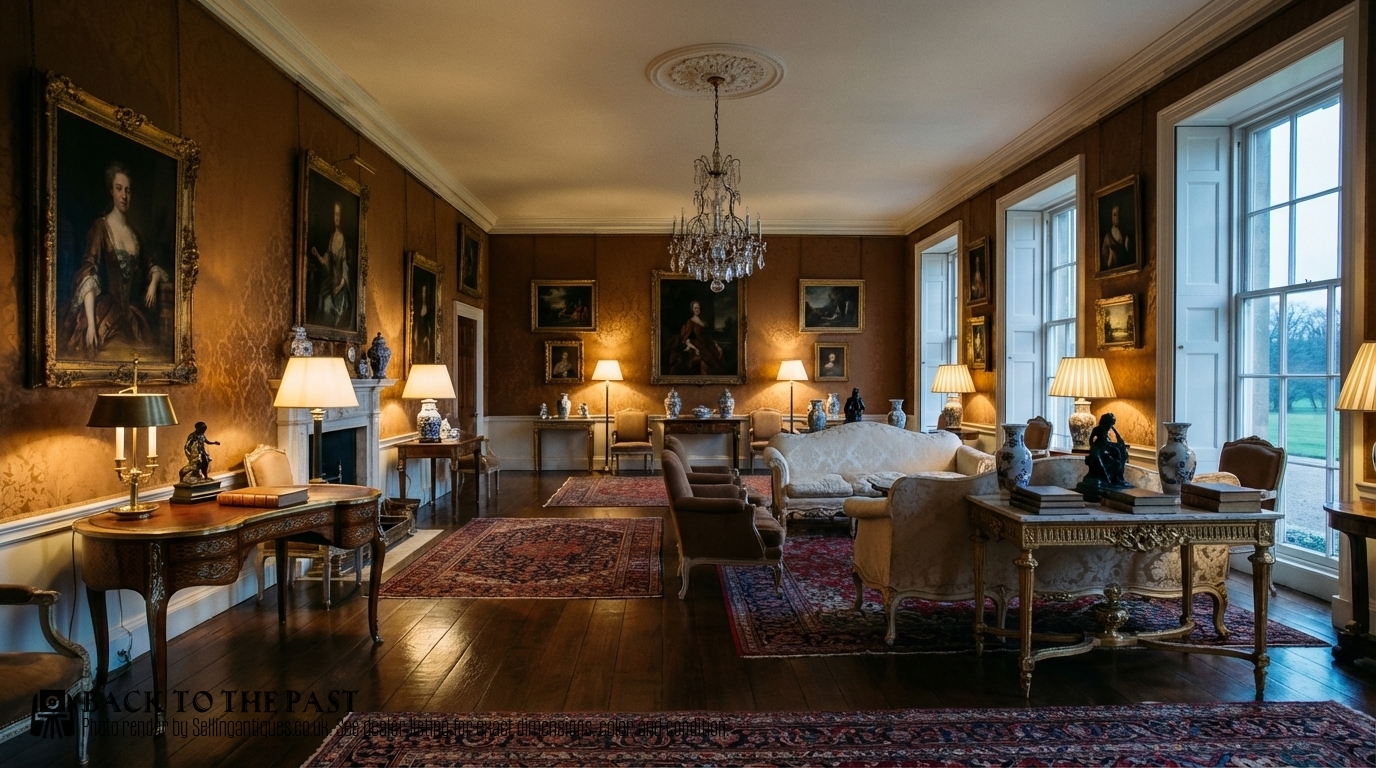
Materials and construction methods
Cabinetmakers constructed carcass frames in pine or oak before applying intricate veneers of kingwood, walnut, satinwood, or tulipwood, often arranged in geometric parquetry or floral marquetry patterns.
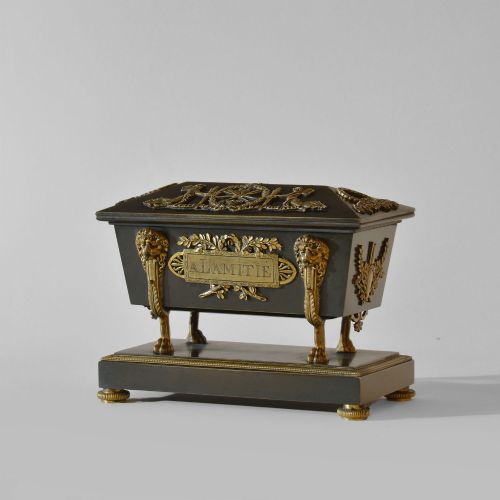
Gilt bronze, known as ormolu, was cast, chased, and fire-gilded before being applied to corners, legs, and drawer rims to accentuate the contours of the furniture.
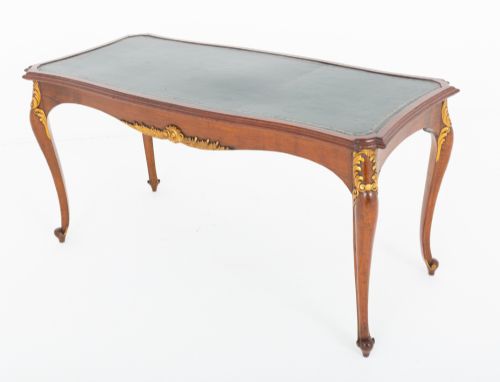
Writing surfaces were frequently inset with tooled leather panels, while certain cabinets incorporated marble tops or porcelain plaques within the superstructure.
Ormolu Mounted Writing Desk Retail Price Guide 2026
Typical asking prices for ormolu mounted writing desk among the pieces listed under this phrase on Sellingantiques today, from the lower quarter to the upper quarter. They describe what is for sale here now, not the wider market.
Recorded object types span freestanding centre tables, cylinder desks, and compact ladies writing cabinets.
Distinctions in execution and design
The crispness of the ormolu chasing separates standard production from exceptional pieces bearing the signatures of renowned makers like François Linke or Paul Sormani.
Precision in the veneer work, including the alignment of grain and the complexity of floral inlay, dictates the overall refinement of the desk.
Subtleties in structural integration, such as smoothly operating drawers and well-fitted interior compartments, distinguish master workshops from lesser contemporaries.
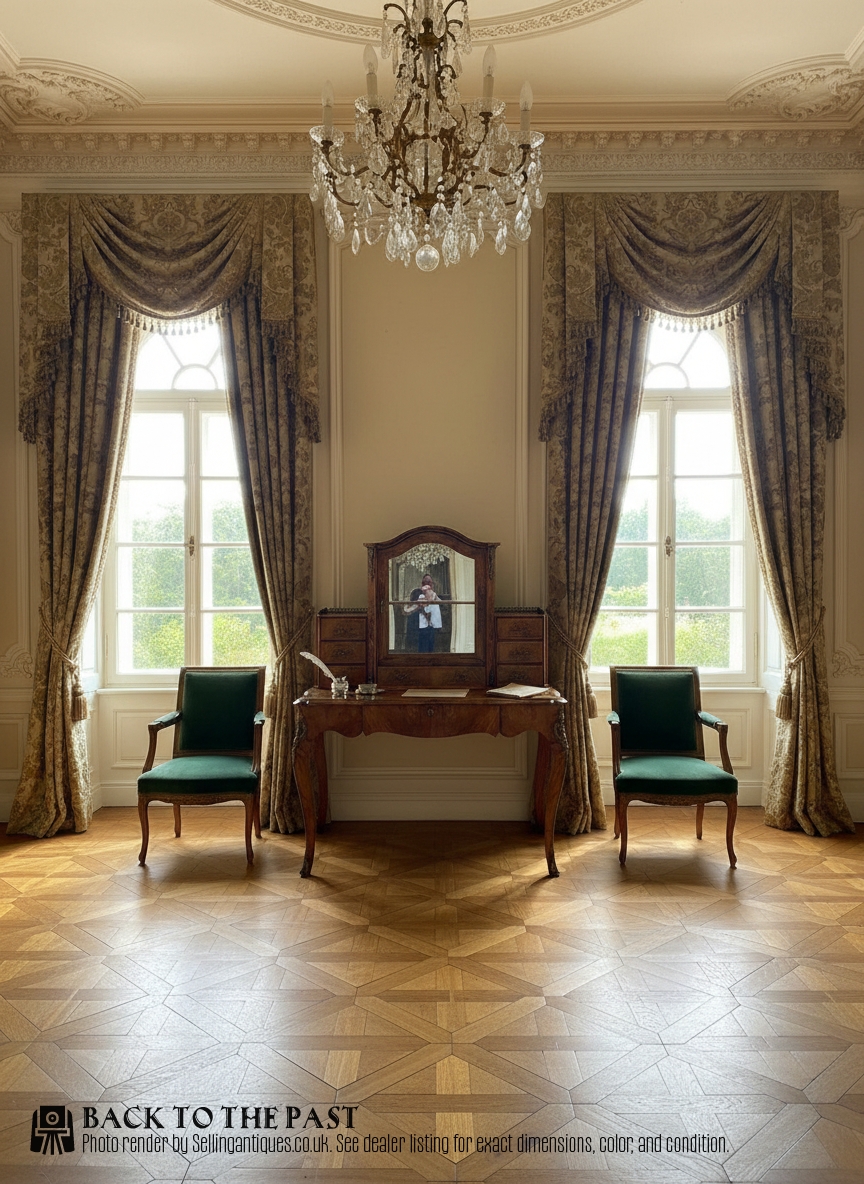
JAS Shoolbred·Francois Linke·Edwards and Roberts·Paul Sormani·Maison Krieger·CH Jeanselme and Co·Blake London
The Ormolu Mounted Writing Desk Glossary
- Ormolu
- Gilt bronze ornamentation applied to furniture mounts. This technique involves coating a bronze base in a mercury-gold amalgam and heating it to leave a durable gold layer.
- Bureau Plat
- A double-sided freestanding writing table fitted with drawers. It usually stands on cabriole or tapered legs adorned with gilt bronze sabots.
- Parquetry
- Geometric wood inlay forming repeating patterns such as cubes or chequers. Craftsmen used contrasting timbers to create a three-dimensional visual effect.
- Marquetry
- Pictorial wood veneer arrangements depicting floral or scrollwork motifs. Different coloured woods are cut and fitted together prior to gluing.
- Bonheur du Jour
- A small ladies writing desk featuring a tiered superstructure with shelves or small drawers. This compact form gained popularity during the mid-nineteenth century.
- Vernis Martin
- A simulated Japanese lacquer technique developed in France. It created translucent, glossy finishes in various colours on furniture panels.
Ormolu Mounted Writing Desk: Frequently Asked Questions
What is a bureau plat used for?
A bureau plat functions as a freestanding writing table designed to sit in the centre of a room rather than against a wall. The finished back allows it to be viewed from all angles while providing a stable writing surface.
These tables generally feature multiple drawers integrated into the frieze for storing writing materials and correspondence.
How do I identify Louis XV style furniture?
Louis XV style pieces are defined by asymmetrical curves, cabriole legs, and naturalistic floral motifs. The forms avoid straight lines in favour of flowing serpentine contours.
Ormolu mounts on these items typically accent the shoulders of the legs and the aprons to highlight the sweeping lines.
What woods are common in these desks?
Kingwood and rosewood dominate the veneer choices on these tables, often contrasted with lighter satinwood or tulipwood for inlay work. Walnut and mahogany also appear in specific nineteenth-century pieces.
Underframes and secondary drawer linings are typically constructed from sturdy secondary timbers like oak or pine.
Can I use a leather top desk daily?
Leather writing surfaces provide a traditional, smooth texture suitable for writing, though modern use requires care with moisture and sharp implements. Many surviving desks retain their original or period-replacement leather.
Condition varies, but gentle cleaning with specialised leather balms helps maintain the material over time.