

French Ladies Writing Desk
When you search for a french ladies writing desk, you find refined compact writing furniture spanning nineteenth-century revival styles and elegant domestic spaces.
French Ladies Writing Desk
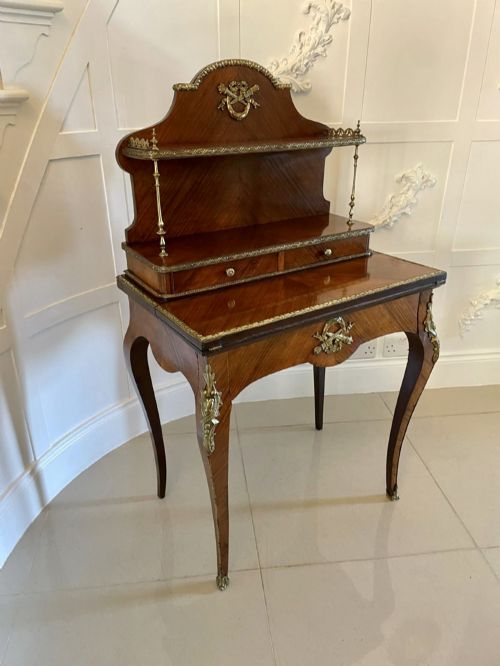
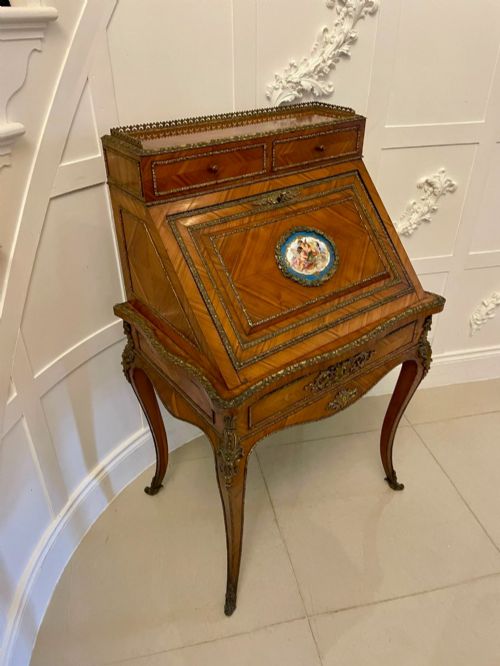
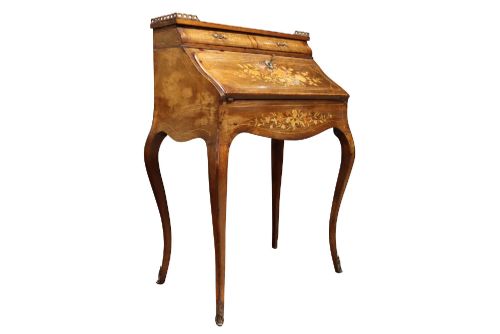
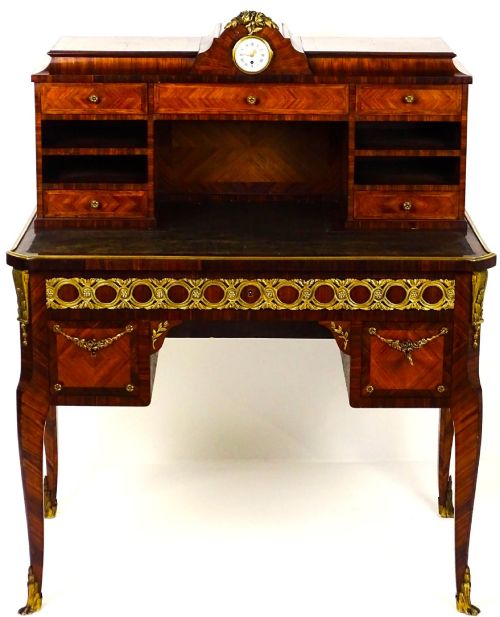
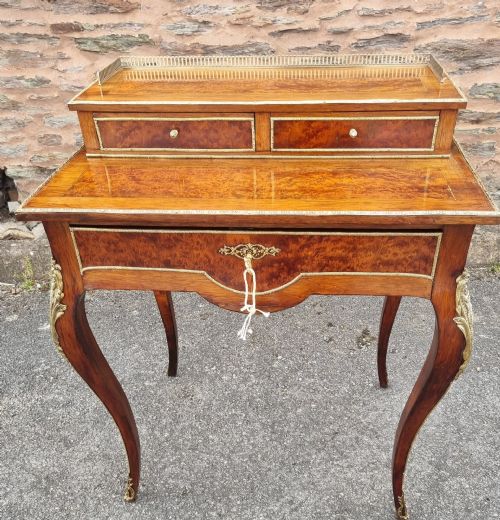
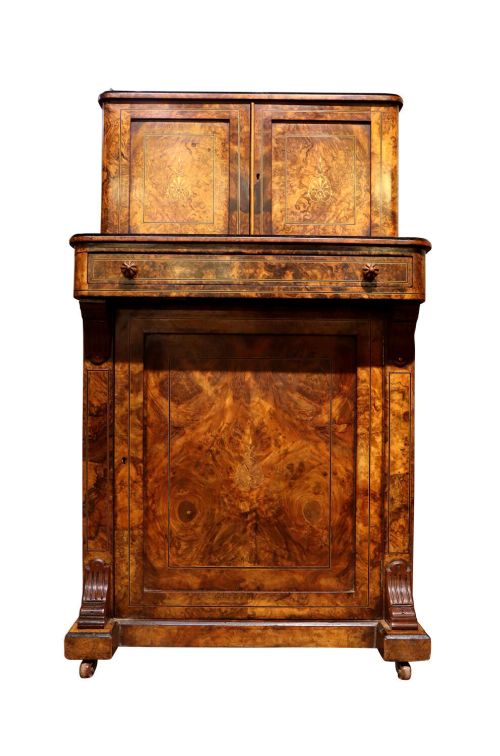
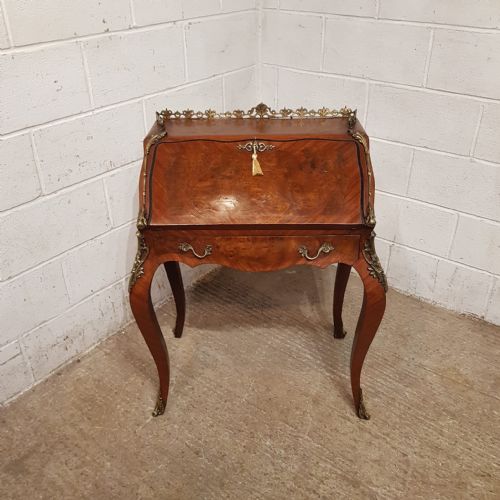
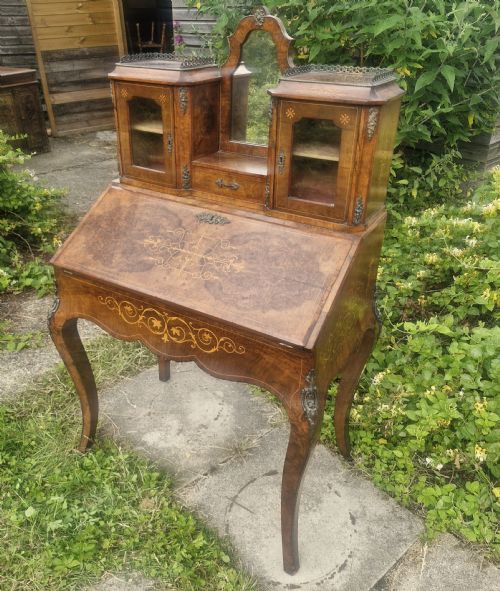
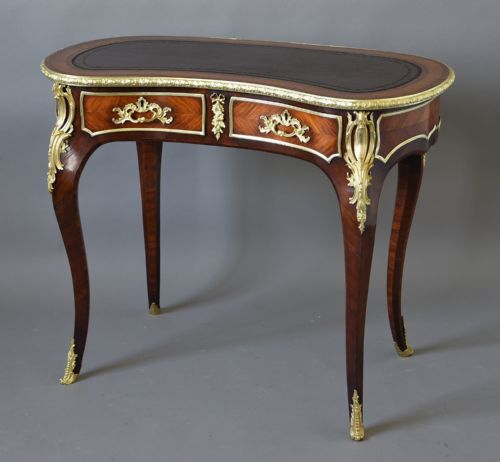
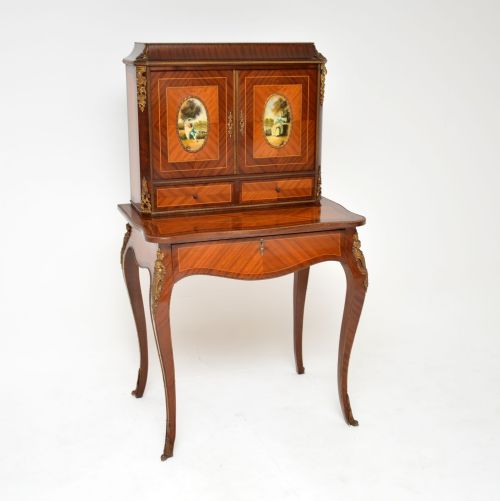
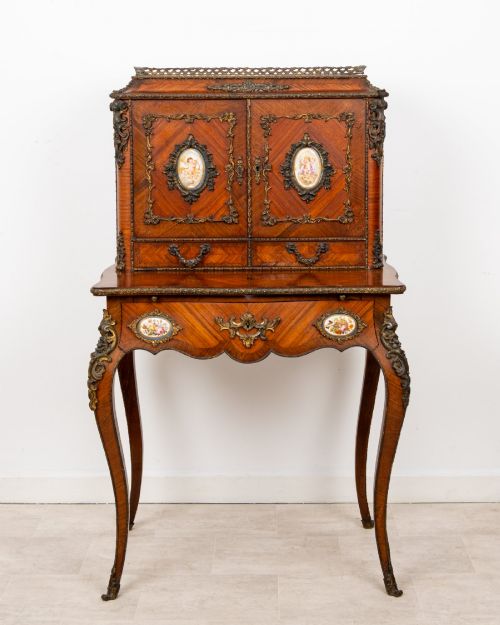
A french ladies writing desk encompasses compact forms such as the bureau de dame and the bonheur du jour, designed for private correspondence and light daily paperwork. These pieces frequently emerge from nineteenth-century Victorian workshops and continental makers embracing revival aesthetics.
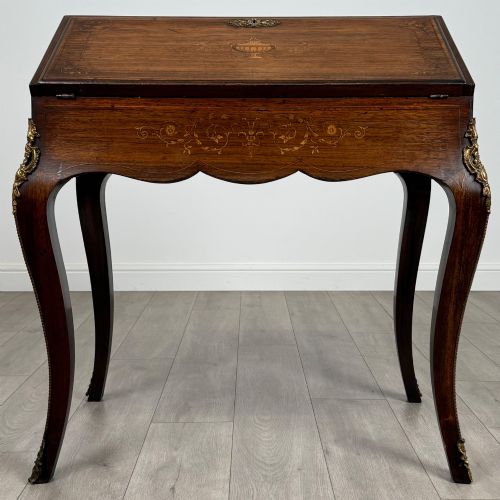
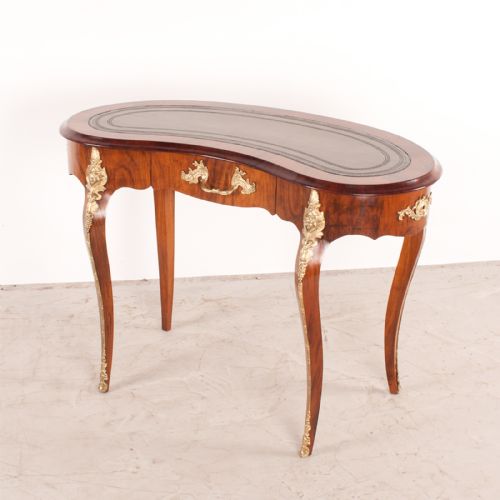
The layout typically combines a small writing surface with an upper cabinet, shelves, or compartments enclosed by a fall-front or open superstructure. Kidney-shaped writing tables and freestanding writing desks also appear frequently across these listings.
How they were made
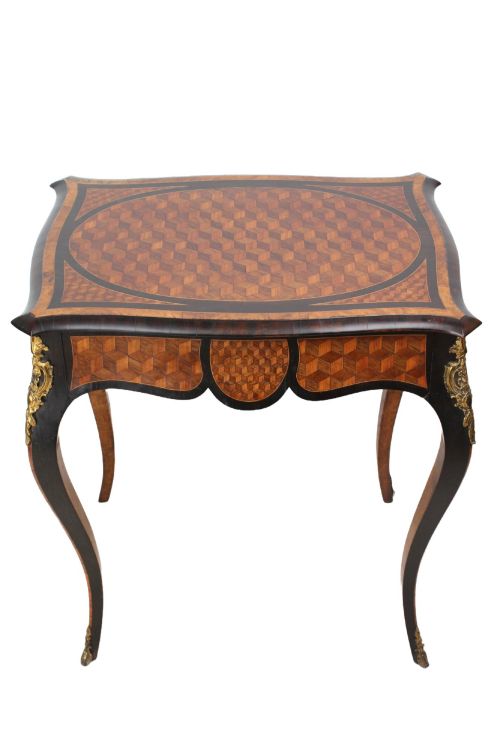
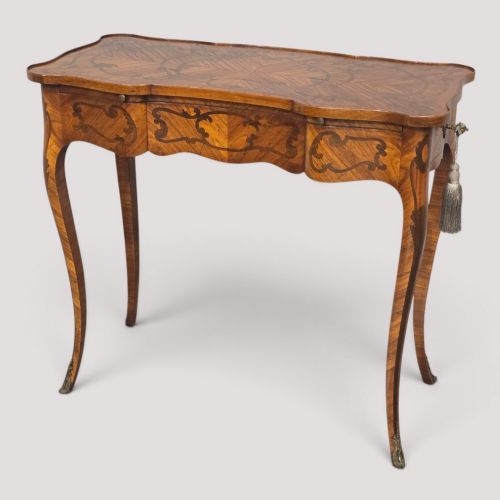
Cabinet makers utilised exotic timber veneers including kingwood, rosewood, walnut, tulipwood, and amboyna, often arranged in intricate parquetry or floral marquetry patterns. Solid frames provided structural stability while showcasing the decorative grain of the wood.
Mounts in cast or chased ormolu and gilt bronze accent the contours of the furniture, alongside inlaid brass lines and porcelain plaques. Specialised panels such as Vernis Martin decoration and inset leather writing surfaces complete the construction.
French Ladies Writing Desk Retail Price Guide 2026
Typical asking prices for french ladies writing desk among the pieces listed under this phrase on Sellingantiques today, from the lower quarter to the upper quarter. They describe what is for sale here now, not the wider market.
What varies in quality
The refinement of the marquetry and the crispness of the cast ormolu mounts separate standard examples from finer studio pieces. Richer selection of cabinet timbers and meticulous attention to interior drawer construction indicate superior workshop origin.
The integration of decorative elements like porcelain plaques and hand-painted Vernis Martin panels elevates the overall standard of the desk. Cohesion between the architectural form and the decorative surface defines the upper tier.
JAS Shoolbred·Paul Sormani
The French Ladies Writing Desk Glossary
- Bonheur du jour
- A light lady's writing desk featuring a small cabinet or set of shelves upon the writing surface. This form gained popularity during the eighteenth century and saw extensive revival during the Victorian era.
- Bureau de dame
- A lady's desk, frequently featuring a sloping fall-front writing flap that conceals small drawers and pigeonholes. These desks are typically compact and finished on all sides for placement within a room.
- Ormolu
- Gilt bronze mounts applied to furniture for decorative effect. The metal is cast and chased before receiving a gold wash.
- Marquetry
- The art of applying pieces of veneer to a structure to form decorative patterns and pictorial designs. Cabinet makers utilise contrasting timbers to create depth and shade within the motifs.
- Vernis Martin
- A decorative lacquering technique developed in eighteenth-century France and emulated in later revival pieces. It produces a glossy translucent finish over painted scenes.
French Ladies Writing Desk: Frequently Asked Questions
What is a bonheur du jour?
A bonheur du jour is a small, light writing desk featuring an upper cabinet or tiered superstructure designed for personal letters and stationery.
These pieces typically stand on slender legs and were intended for use in private sitting rooms or bedrooms rather than formal libraries.
How do I identify a bureau de dame?
A bureau de dame is recognised by its sloping fall-front flap, which opens to reveal a fitted interior of small drawers and compartments.
Many examples incorporate delicate wood veneers, ormolu mounts, and decorative porcelain plaques characteristic of French revival cabinet making.
What woods were used for these desks?
Cabinet makers utilised decorative exotic hardwoods including kingwood, rosewood, walnut, tulipwood, and amboyna for their striking grain patterns.
These timbers were frequently laid out in geometric parquetry or floral marquetry across the writing surface and exterior panels.
Where were these desks placed?
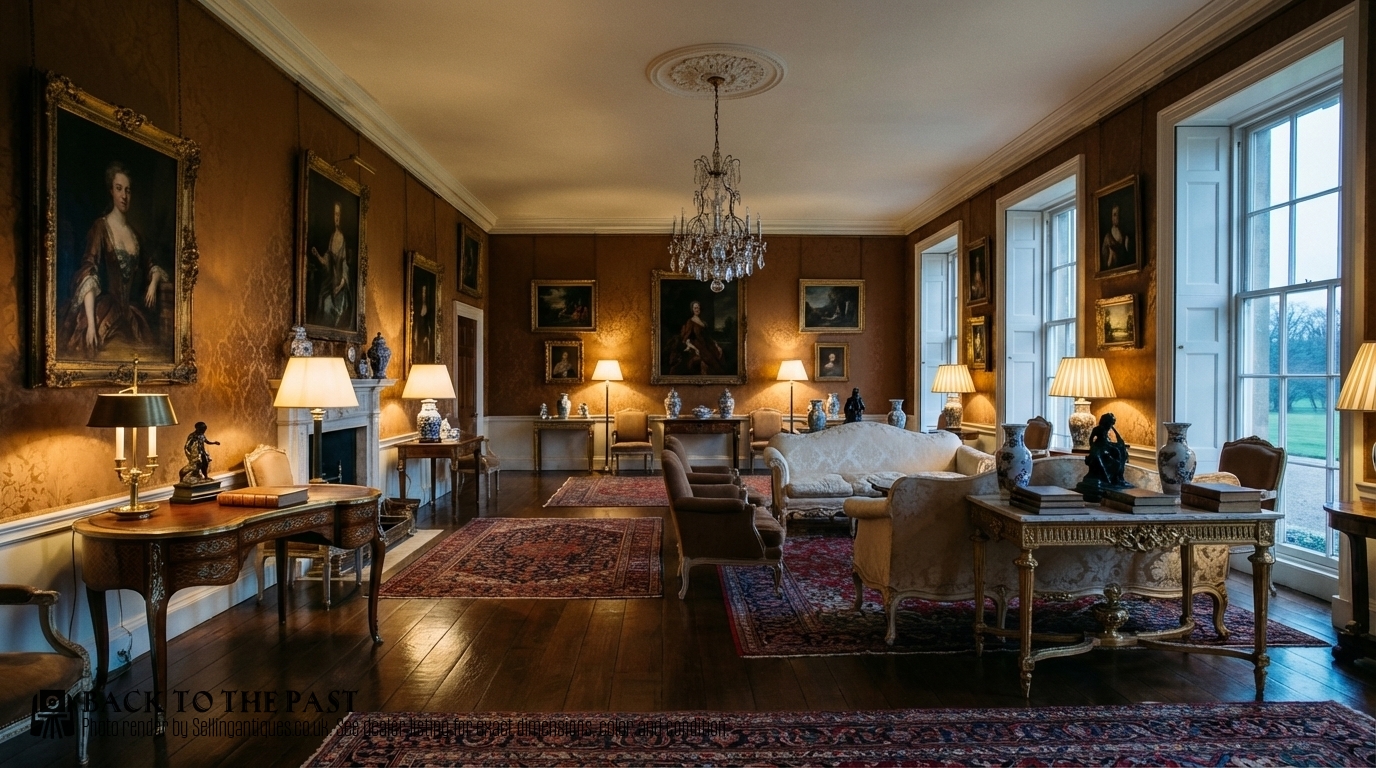
These desks were designed for domestic living spaces, boudoirs, and private drawing rooms where a large library table would prove too heavy.
Their finished backs allowed them to stand away from walls and occupy prominent positions within a room.