

Brown Glazed Display Cabinet
A brown glazed display cabinet holds and protects valued objects behind glass, bringing together timber and transparency.
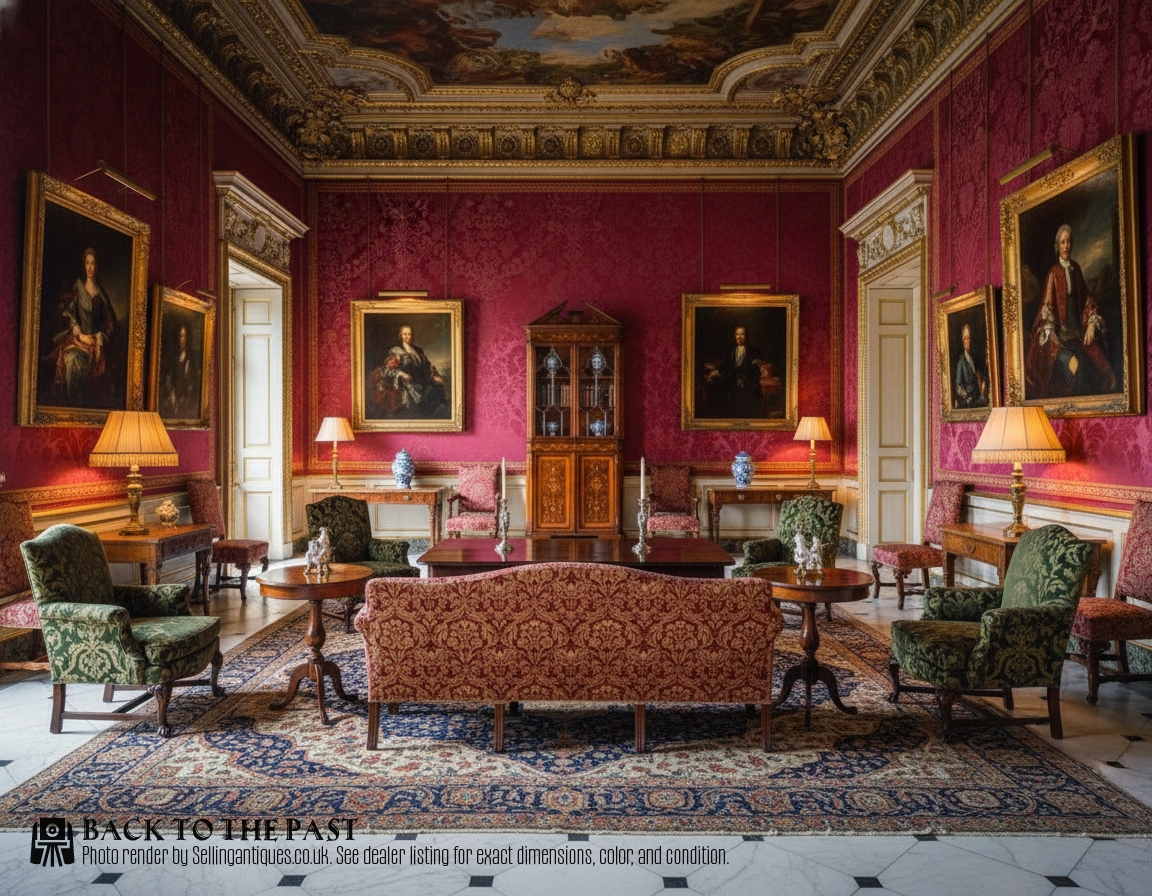
Brown Glazed Display Cabinet
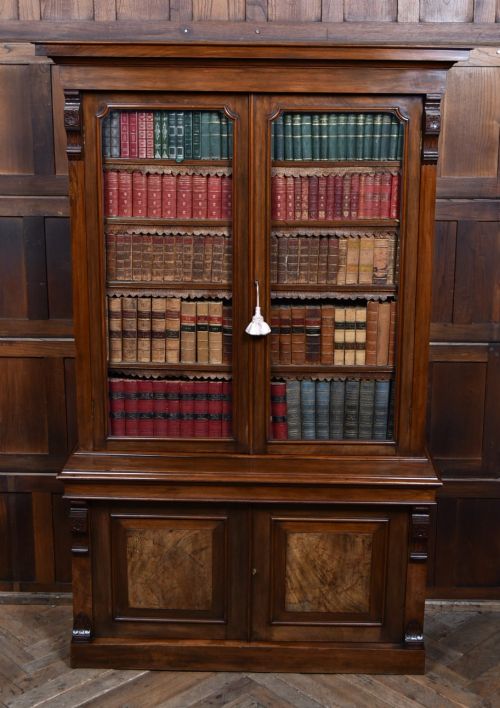
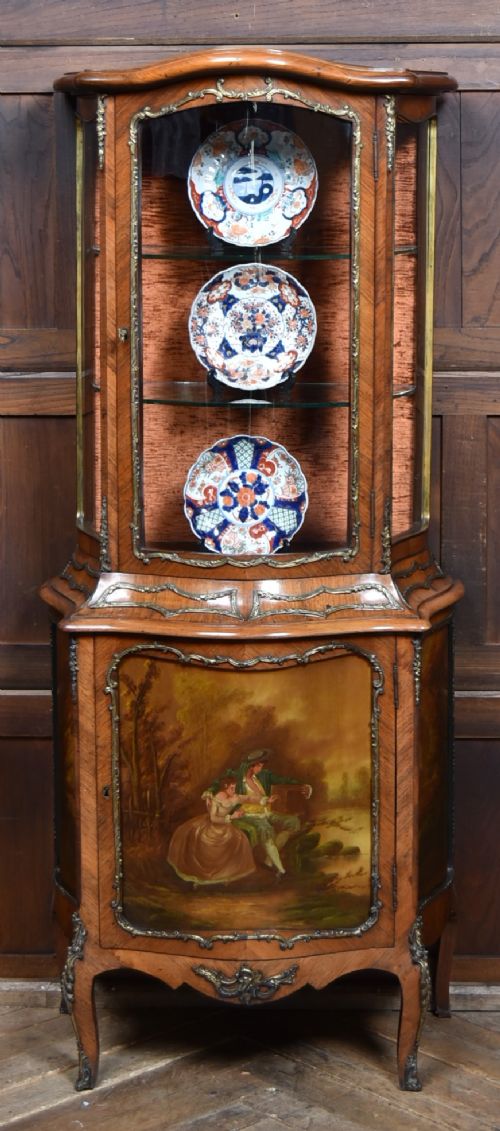
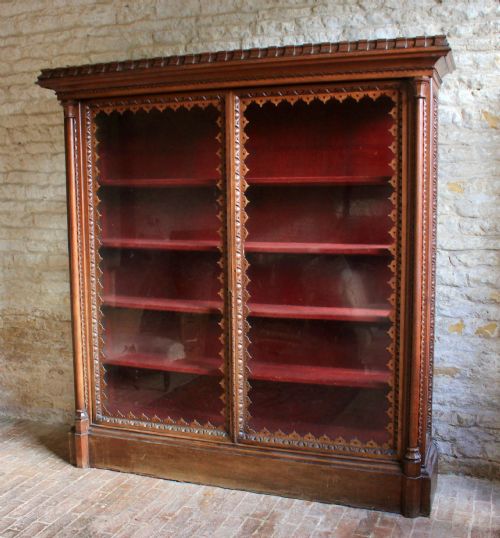
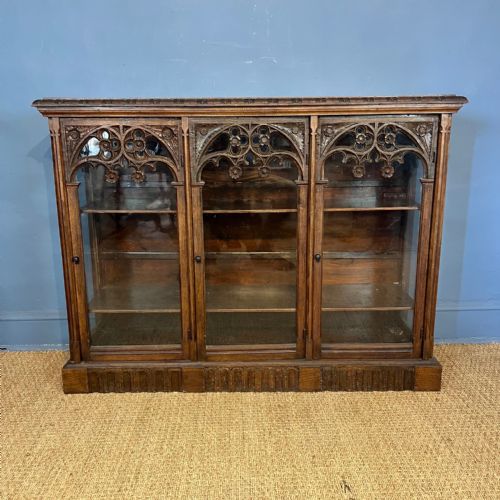
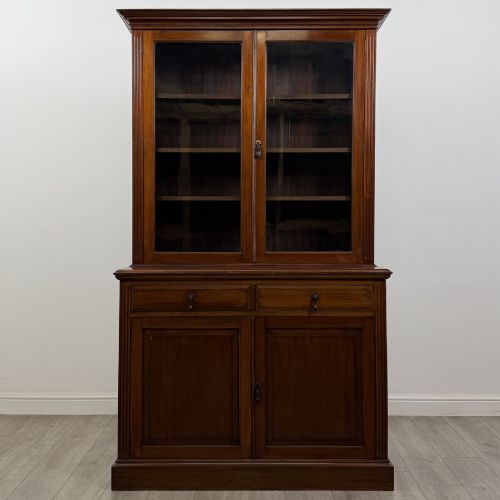
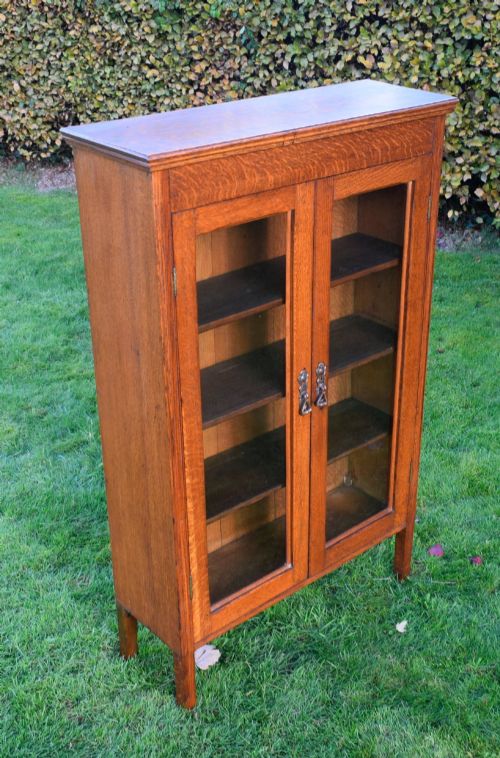
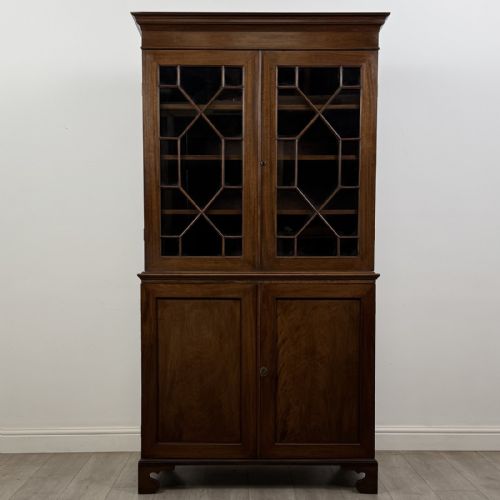
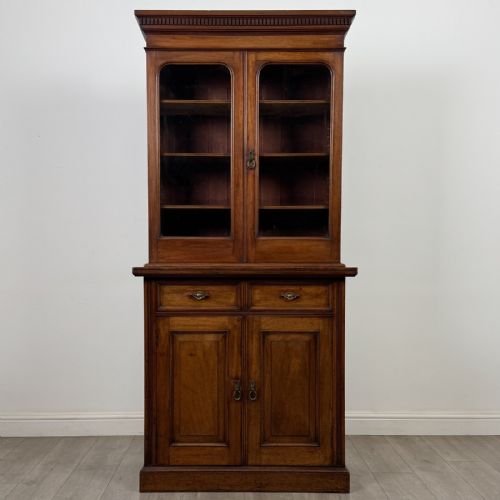
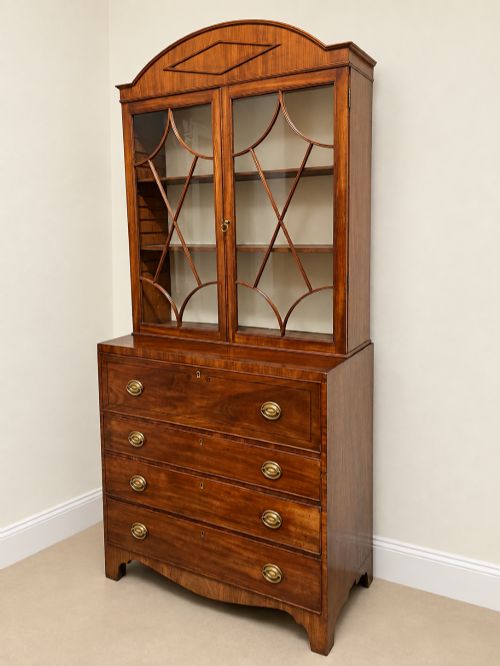
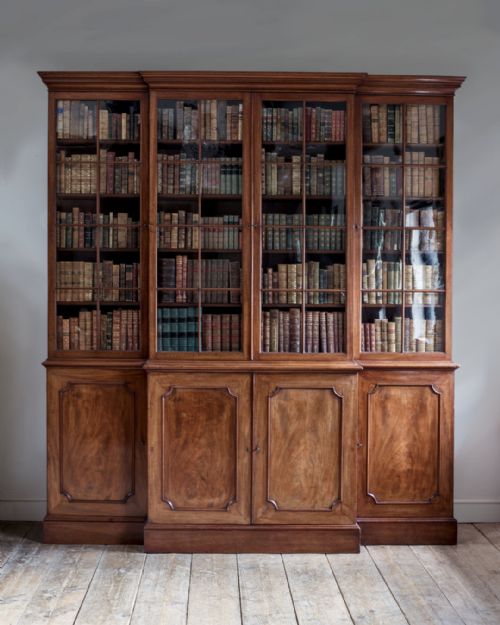
A brown glazed display cabinet brings together timber frames and glass panels to hold and protect items while keeping them visible. When you search for a brown glazed display cabinet, you encounter pieces that range from tall breakfront bookcases and bureau cabinets to smaller pier cabinets, corner cupboards, and side cabinets.
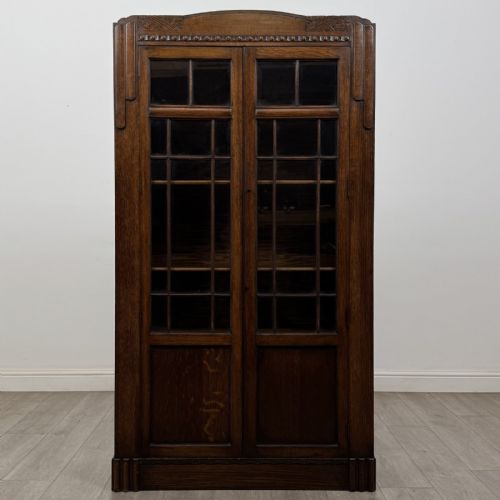
The pieces appearing here span the nineteenth century through the Edwardian era and into the nineteen-twenties and nineteen-thirties. Victorian and Edwardian examples in mahogany, walnut, and oak dominate the selection, often carrying inlaid details, brass hardware, or carved wooden enrichment.
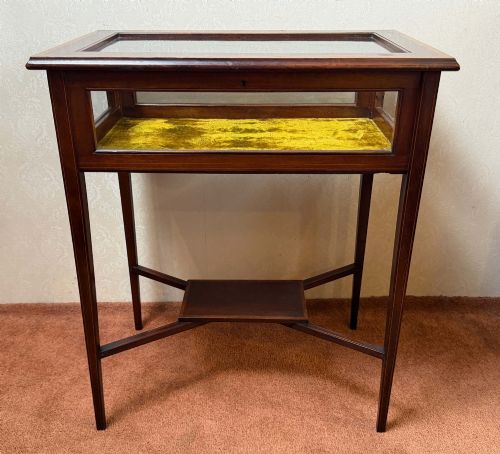
Many forms double as bookcases or libraries, reflecting how these glazed storage pieces served multiple domestic purposes. Alongside standard upright cabinets, the selection includes corner units, vitrines, and dresser-style combinations designed for floor placement.
How they were made
Cabinet makers constructed these brown glazed display cabinets primarily using solid and veneered timbers such as mahogany, oak, walnut, and satinwood. Glass panes were fitted into timber frame doors, sometimes mounted with brass fittings or ormolu mounts.
Surface decoration involved wood inlays, marquetry, and polished finishes that highlighted the natural grain of the timber. Interior arrangements often incorporated adjustable wooden shelves and mirrored backs to reflect light through the display space.
Brown Glazed Display Cabinet Retail Price Guide 2026
Typical asking prices for brown glazed display cabinet among the pieces listed under this phrase on Sellingantiques today, from the lower quarter to the upper quarter. They describe what is for sale here now, not the wider market.
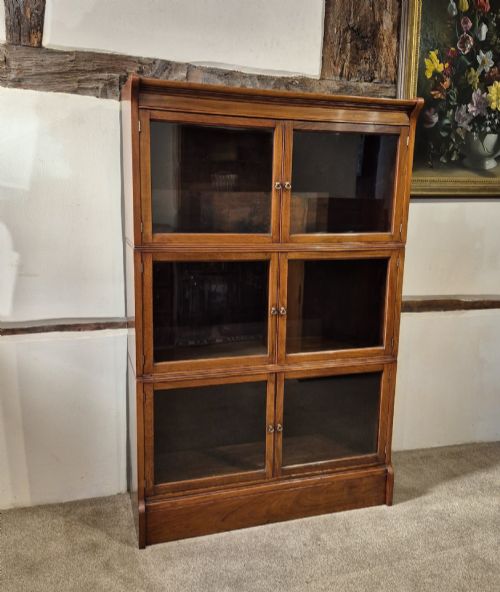
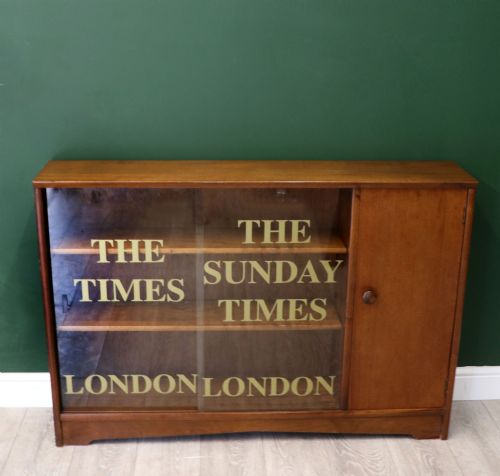
School libraries contributed sturdy oak storage to the mix, proving that even textbooks once required glazed protection.
What varies in quality
The standard of a brown glazed display cabinet rests on the selection of timber figures, such as flame mahogany or burr walnut, and the precision of inlaid decoration. Finer pieces display careful joinery in the door frames and refined proportions across the breakfront or cornice.
Hardware choice and interior details further distinguish the range, from simple brass hinges to cast ormolu mounts and original painted interior decoration. The execution of carved elements, whether gothic motifs or floral reliefs, separates standard utility furniture from finer cabinet work.
Collinson & Lock·Gillows
The Brown Glazed Display Cabinet Glossary
- Breakfront
- A piece of furniture with a central section that projects forward from the flanking sides. This architectural arrangement creates depth and visual rhythm on large library bookcases.
- Vitrine
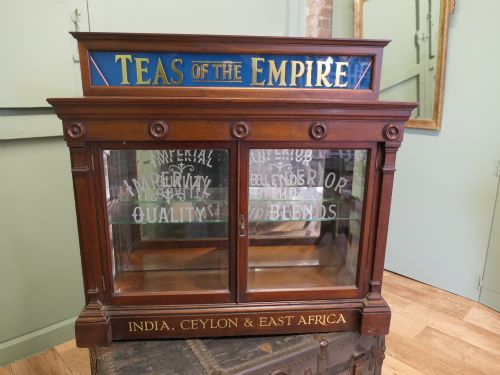
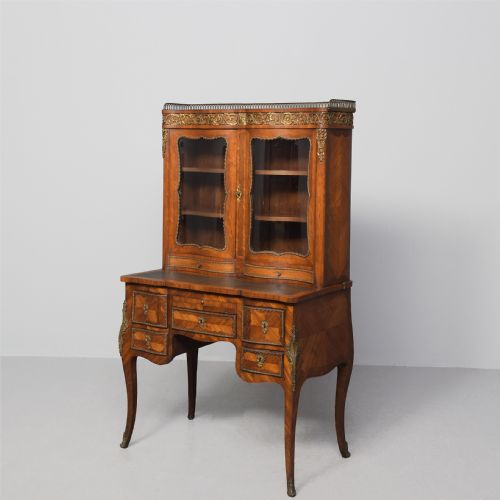
- A glass-sided cabinet designed specifically for displaying porcelain, curiosities, or small decorative objects. These French-influenced pieces often feature ormolu mounts.
- Secretaire
- A cabinet incorporating a pull-down writing drawer with an fitted interior of small compartments and pigeonholes. It combines desk functionality with upper bookcase storage.
- Marquetry
- Decorative veneer work formed by fitting together contrasting pieces of wood or other materials to create pictorial or geometric patterns. It appears frequently on walnut and mahogany cabinet doors.
- Pier cabinet
- A low or upright cabinet designed to fit narrow wall spaces between windows or doors. Victorian examples often utilise burr walnut and inlaid borders.
Brown Glazed Display Cabinet: Frequently Asked Questions
What is a brown glazed display cabinet used for?
These cabinets serve to store and exhibit books, porcelain, and collected objects behind protective glass doors. They keep contents visible while shielding them from dust in domestic interiors.
Historically, larger versions functioned as library bookcases in grand rooms, while smaller vitrines and pier cabinets held delicate ornaments in reception rooms.
How do I date a brown glazed display cabinet?
Dating relies on identifying timber choices, construction methods, and stylistic cues present in the woodwork. Georgian and Regency pieces show heavier architectural proportions, whereas Victorian and Edwardian examples often feature burr veneers and inlaid satinwood stringing.
Nineteen-twenties and thirties pieces lean toward simpler oak forms or distinct geometric styling associated with Art Deco design.
Where should I place one in my home?
These cabinets suit living rooms, dining spaces, or studies where books and decorative objects benefit from enclosed storage. Corner cabinets make use of unused wall angles, while low side cabinets fit beneath windows or artwork.
Positioning them away from direct sunlight protects the timber finish and the displayed items from fading over time.
What woods are typical for these cabinets?
Mahogany and oak form the bulk of the selection, appearing across Victorian, Edwardian, and later twentieth-century iterations. Walnut, kingwood, and yew wood also feature prominently, particularly in inlaid or French-influenced vitrines.
Satinwood and brass frequently provide contrasting details within the inlay work and hardware fittings.