
Antique Kingwood Desk
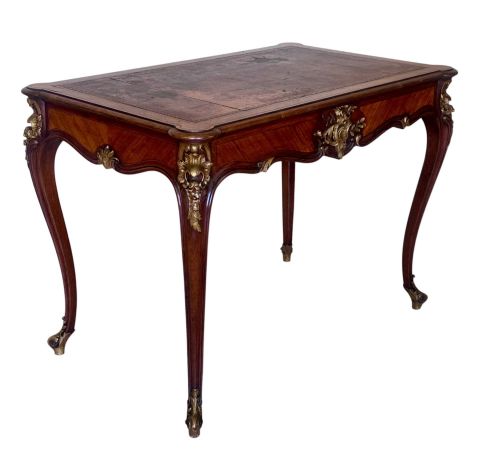
These antique kingwood desks bring nineteenth-century French revival elegance and rich cabinet-making traditions into a room.
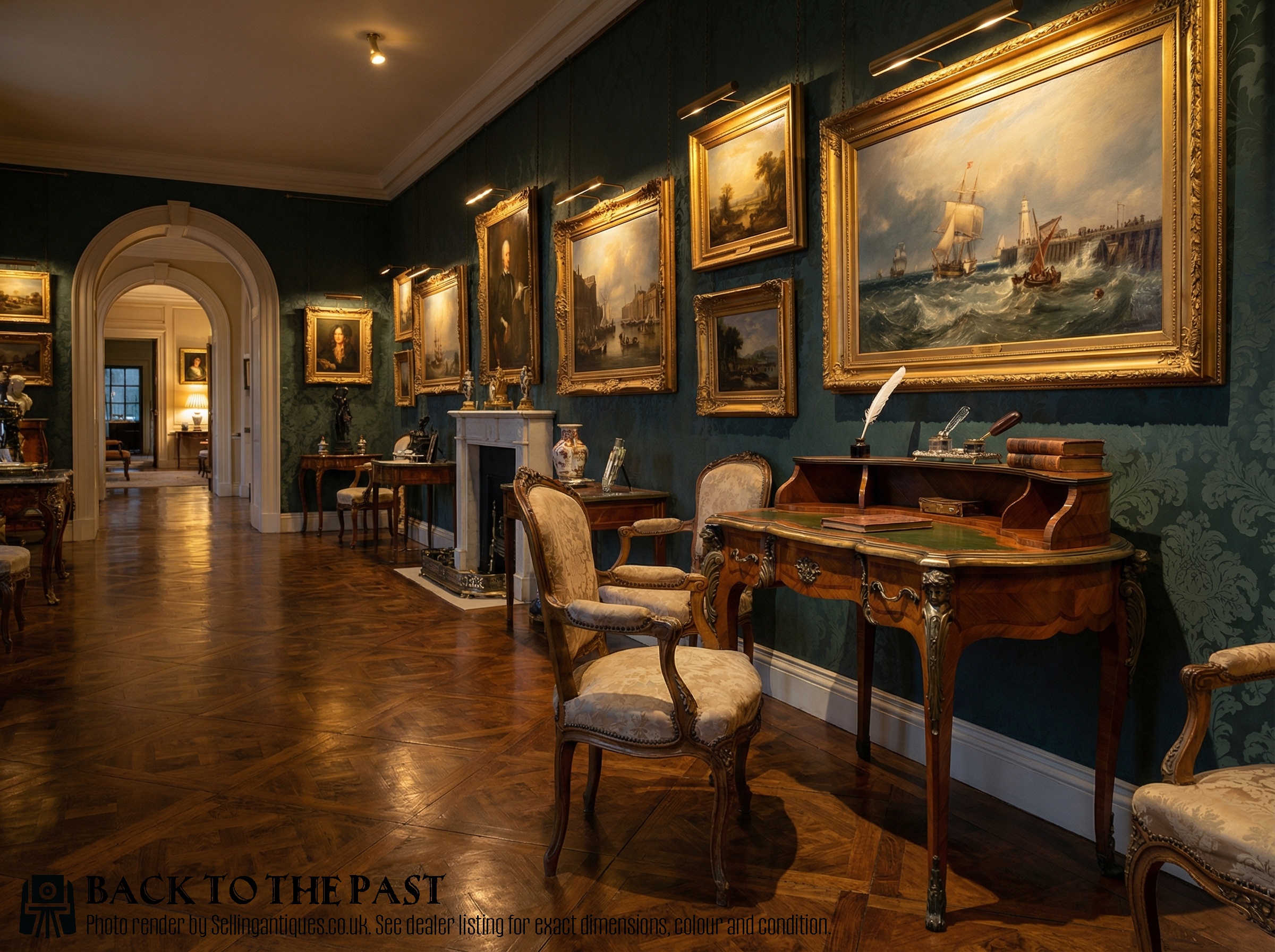
Forms and Origins
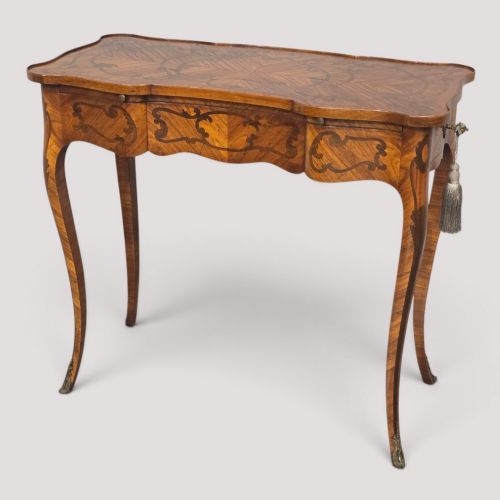
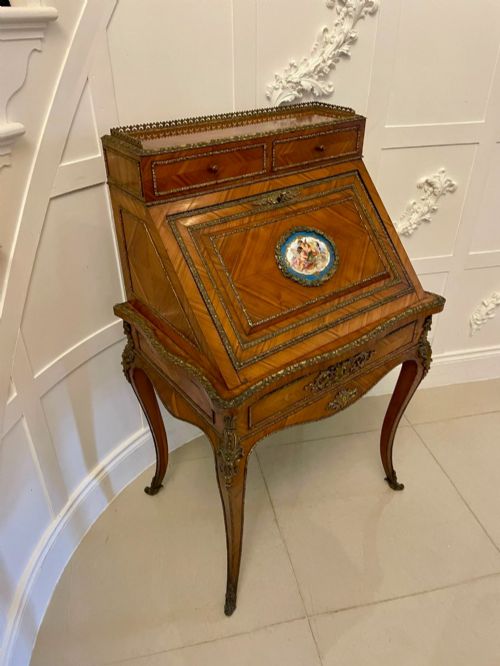
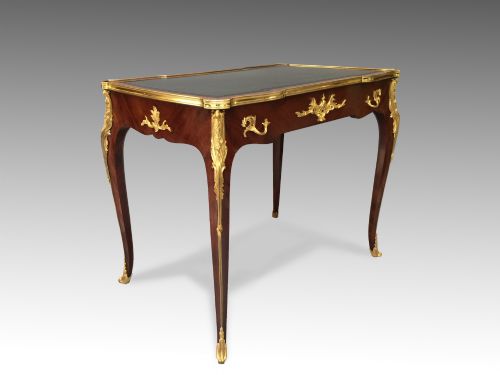
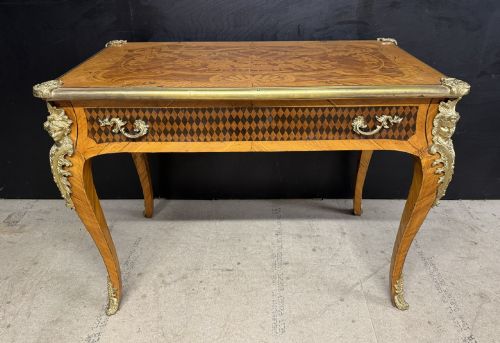
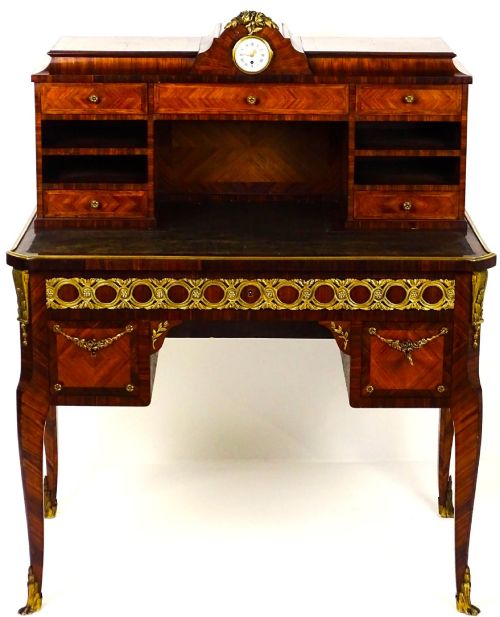
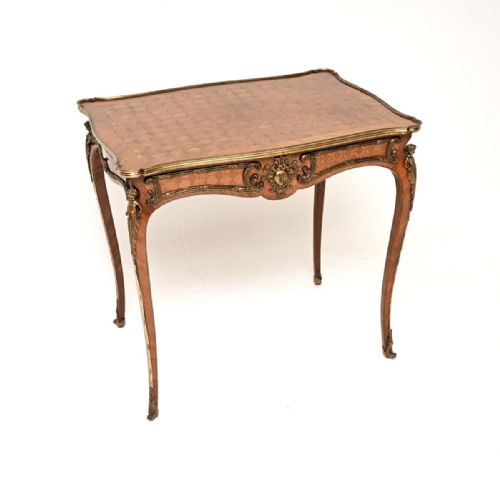
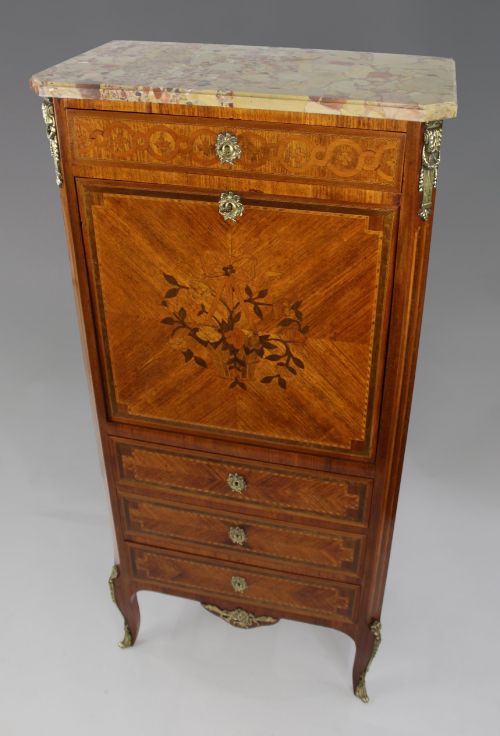
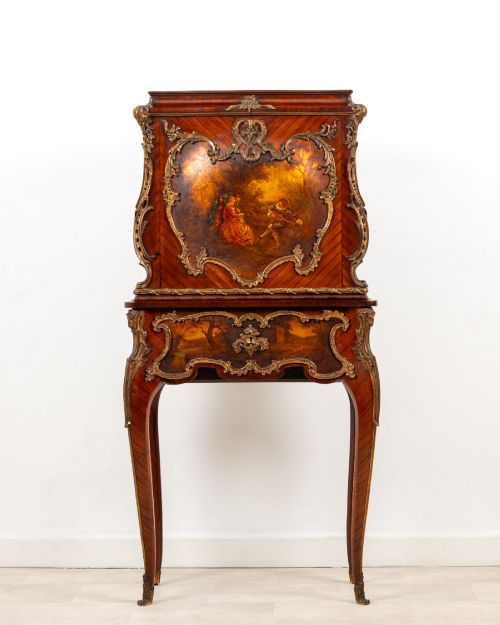
An antique kingwood desk encompasses bureau plat forms, writing tables, bonheur du jour cabinets, and secrétaires abattants originating primarily in nineteenth-century France and England. These pieces serve as functional writing furniture while displaying distinct revival styles.
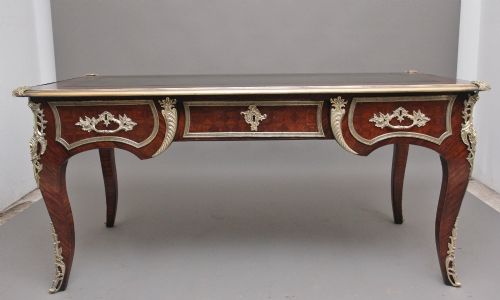
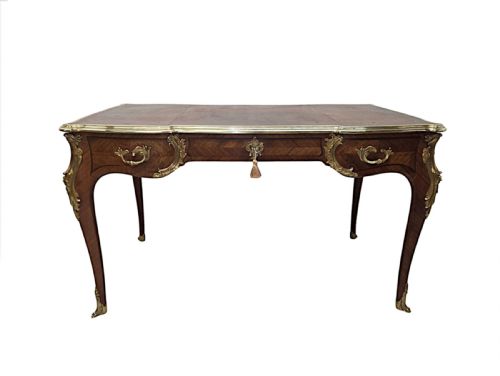
The bureau plat stands out as a frequent form, designed for freestanding placement with ample surface area and decorative mounts. Writing tables and compact writing cabinets provide alternative options suited for domestic studies.
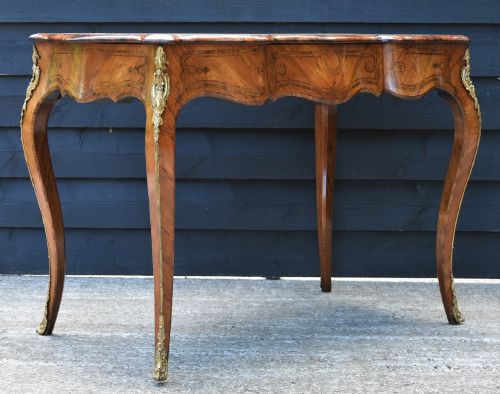
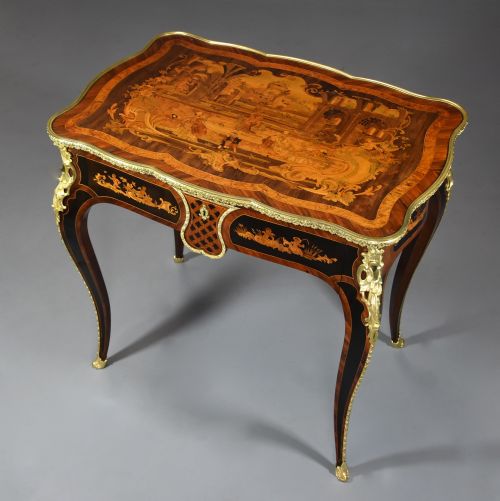
Many examples adhere to Louis XV revival and French rococo revival aesthetics, incorporating serpentine outlines and asymmetric detailing. Swedish neo-classical and Victorian interpretations also appear among surviving pieces.
Materials and Construction
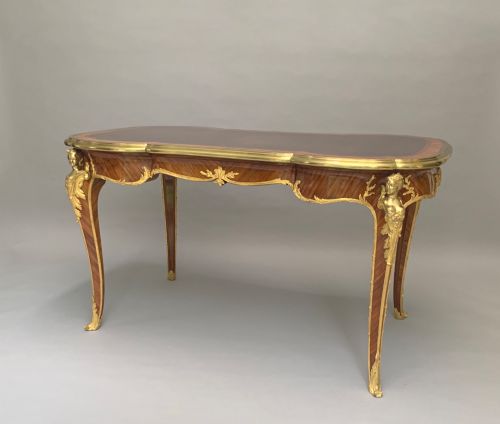
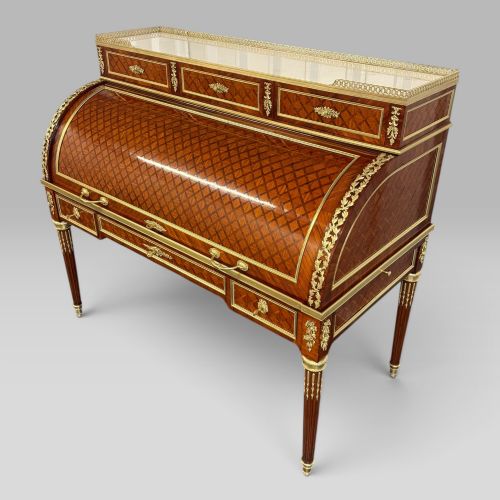
Cabinet-makers utilised kingwood veneers applied over robust timber carcasses, often arranging grain patterns to create geometric parquetry or marquetry compositions. Ormolu and gilt-bronze mounts accent corners, borders, and aprons.
Insets of leather provide writing surfaces on bureau plat desks and tables, framed by wood borders or bronze edging. Marble tops appear on specific writing cabinets and secrétaires, paired with brass hardware and glass elements.
Retail Price Guide 2026
Typical UK retail prices for kingwood desk, calculated from the Sellingantiques database of over a million retail prices indexed since 2003. This retail price guide relies exclusively on Sellingantiques data; no external sources or auction records are used, so the figures do not describe the wider market.
Some nineteenth-century models double as dressing tables, hiding secret compartments for morning correspondence.
Craftsmanship and Detail
The distinction between standard execution and finer work lies in the precision of the veneer matching and the crispness of the cast ormolu mounts. Finer pieces display heavily chased bronze details and seamless parquetry.
Structural integrity of the freestanding framework and the weight of the marble or bronze components separate workshop tiers. Superior examples maintain balanced proportions across complex partners desks and secretaire forms.
The Antique Kingwood Desk Glossary
- Kingwood
- A dense, richly grained tropical timber used extensively for decorative veneers during the nineteenth century. Its distinct violet-brown tones and dark striping define the surface appearance of these pieces.
- Ormolu
- Gilt bronze mounts applied to furniture edges, handles, and corners for decorative effect. The quality of the chasing dictates the definition and depth of the cast ornamentation.
- Bureau Plat
- A freestanding writing table fitted with drawers across the frieze. These desks lack a superstructure and are finished on all sides for placement in the centre of a room.
- Secrétaire Abattant
- A tall writing cabinet featuring a drop-front flap that conceals inner compartments and small drawers. This form combines vertical storage with a fold-down writing surface.
- Parquetry
- Geometric wood veneer patterns arranged to create repeating designs across flat surfaces. It differs from pictorial marquetry through its reliance on angular, repeating shapes.
Frequently Asked Questions
What is a bureau plat desk?
A bureau plat is a freestanding writing table featuring a flat top, often inset with leather, and drawers built into the frieze below.
Because they are finished on all sides, these desks sit comfortably in the centre of a room rather than pushed against a wall.
How do I identify kingwood timber?
Kingwood displays a heavy, dense grain characterised by rich chocolate-brown tones marked with darker violet and black stripes. It takes a high polish and provides a striking visual contrast when cut into veneers for geometric patterns.
Cabinet-makers favoured this timber for high-status nineteenth-century revival furniture where decorative surface impact mattered most.
Where were these desks made?
The majority of these pieces originate from nineteenth-century French workshops influenced by Louis XV revival and rococo styles. Victorian English makers also produced comparable freestanding partners desks using imported kingwood veneers.
Continental centres such as Sweden contributed neo-classical variants to the broader design tradition.
How do I care for marble top desks?
Marble tops require gentle cleaning with a damp cloth and mild soap, avoiding acidic substances that can etch the polished stone surface. Regular dusting preserves the lustre of both the stone and the surrounding ormolu mounts.
Keeping the desk away from direct heat sources protects the underlying timber carcase and prevents veneer separation.