

French Style Desk
These pieces known as a french style desk bring continental elegance and refined writing surfaces into your study.
Understanding the french style desk
A french style desk encompasses refined writing tables, library tables, and sophisticated bonheur du jour pieces designed for graceful correspondence and study. These furnishings draw upon classic continental aesthetics seen in revival periods and earlier cabinet-making traditions.
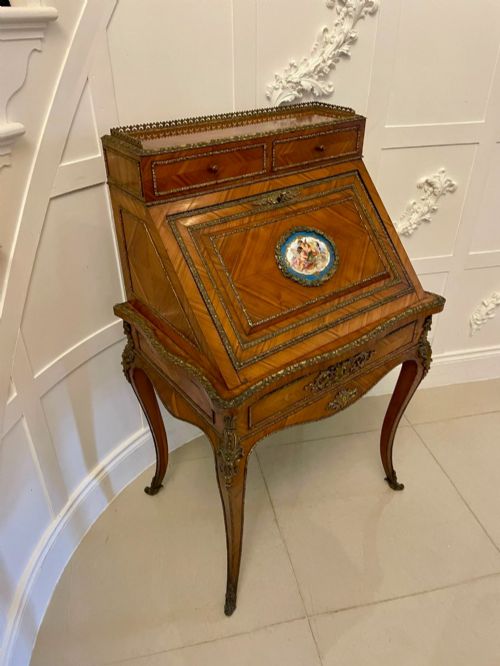
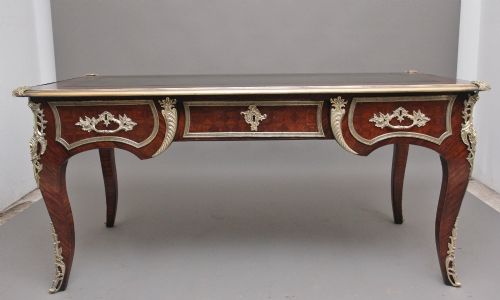
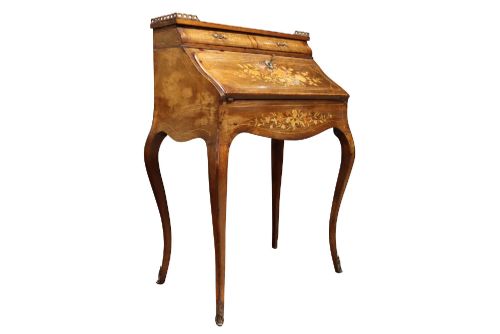
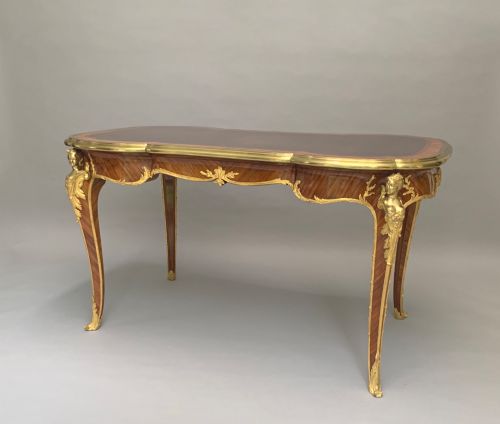
The pieces appearing here include kidney shapes, leather-topped surfaces, and ornate writing cabinets originating from the nineteenth century and earlier eras. Buyers will encounter both grand freestanding tables and compact ladies writing desks reflecting distinct stylistic revivals.
Makers and cabinet-makers embraced various revival movements, resulting in pieces styled after Louis XV, Louis XVI, Empire, and Directoire aesthetics. Each form balances ornamental hardware with practical compartments or writing surfaces suited for daily use.

Materials and construction
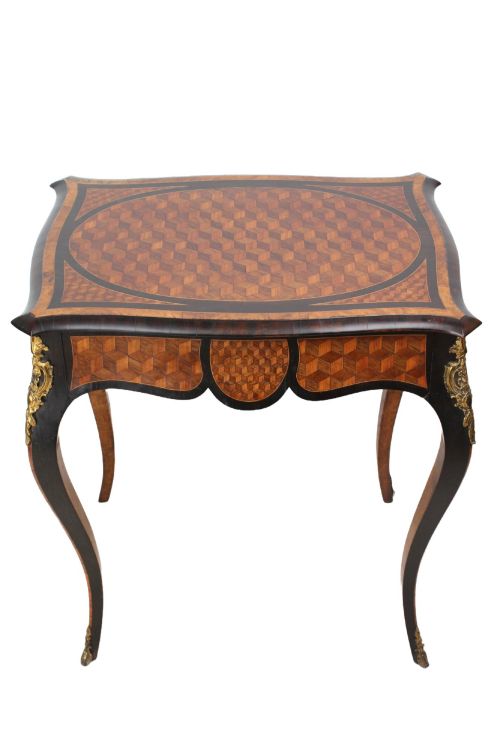
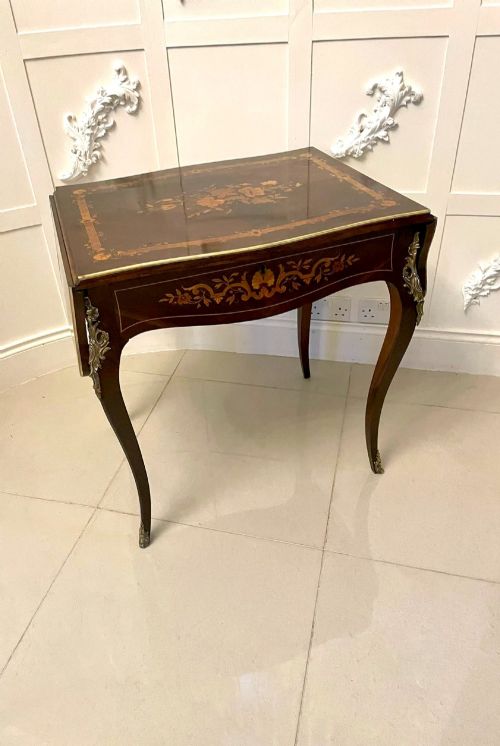
Cabinet-makers constructed these desks using fine timbers such as rosewood, walnut, satinwood, mahogany, and burr walnut, often complemented by intricate marquetry inlay. Artisans selected these woods for their rich grain patterns and durability.
Designers incorporated cast brass ormolu mounts, leather writing inserts, and delicate glass elements to elevate the visual appeal. Joinery techniques and careful parquetry demonstrate the high standard of craftsmanship typical of these periods.
Retail Price Guide 2026
Typical UK retail prices for french style desk, calculated from the Sellingantiques database of over a million retail prices indexed since 2003. This retail price guide relies exclusively on Sellingantiques data; no external sources or auction records are used, so the figures do not describe the wider market.
Several desks come accompanied by matching inkstands, easel frames, and even purpose-built desk chairs for a complete study ensemble.
Distinguishing quality
The finest examples display crisp, well-chased ormolu mounts and precise marquetry inlay that integrate seamlessly into the timber structure. Inferior pieces often feature cast elements lacking definition and simpler secondary woods beneath the veneer.
Proportion and execution define the hierarchy among these desks, where master cabinet-makers achieved balanced curves and harmonious hardware placement. Superior structural integrity ensures that drawers and writing slides operate smoothly over generations.
The French Style Desk Glossary
- Ormolu
- Gilded bronze mounts cast and chased with decorative motifs. This technique adds metallic brilliance to corners, legs, and drawer fronts.
- Bonheur du jour
- A small ladies writing desk featuring a tiered superstructure with shelves or small drawers above the main writing surface. It became popular during the eighteenth century and later revival periods.
- Marquetry
- Decorative patterns formed by fitting together thin veneers of different coloured woods. Artisans applied these designs to tabletops and drawer fronts to create pictorial or geometric effects.
- Kidney shaped
- A curved desktop configuration designed to wrap partially around the seated writer. This distinctive form appears frequently in refined library tables.
- Directoire style
- A transitional furniture style bridging Louis XVI and Empire periods, characterised by neoclassical restraint and clean lines. It draws inspiration from ancient Roman and Greek forms.
Frequently Asked Questions
How do I identify Louis XV style?
Louis XV style pieces are defined by sweeping cabriole legs, asymmetrical curves, and floral or scroll ornamentation. Ormolu mounts often accentuate the flowing contours of the woodwork.
This aesthetic emphasises grace and comfort, moving away from strict symmetry in favour of organic forms.
Where should I place a freestanding desk?
Freestanding desks, including partners desks and oval writing tables, are finished on all sides so they can sit in the centre of a room rather than against a wall. They function well as focal points in studies or libraries.
Ensure adequate clearance around the piece for chairs and movement to highlight its finished back and side panels.
How do I care for leather desk inserts?
Leather writing surfaces require gentle cleaning with a damp cloth and occasional treatment with appropriate leather dressings to prevent drying. Avoid harsh chemical cleaners or excessive moisture.
Protecting the leather from direct sunlight preserves its colour and suppleness over decades of use.