


Antique Ladies Bureau
When you seek an antique ladies bureau, you encounter compact writing furniture designed for private correspondence and delicate paperwork during the nineteenth and early twentieth centuries.
Antique Ladies Bureau
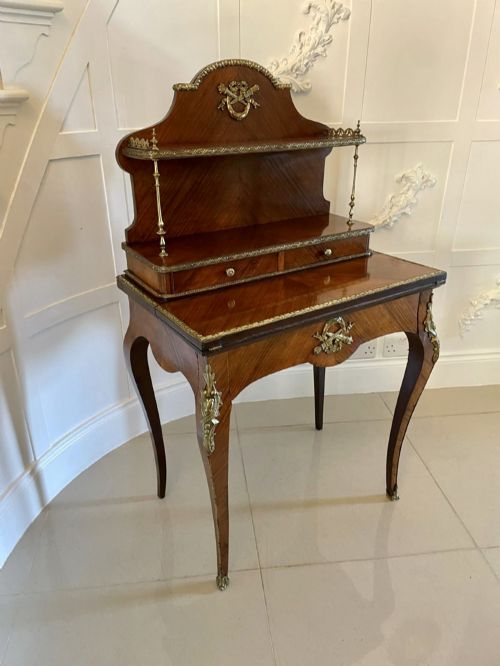
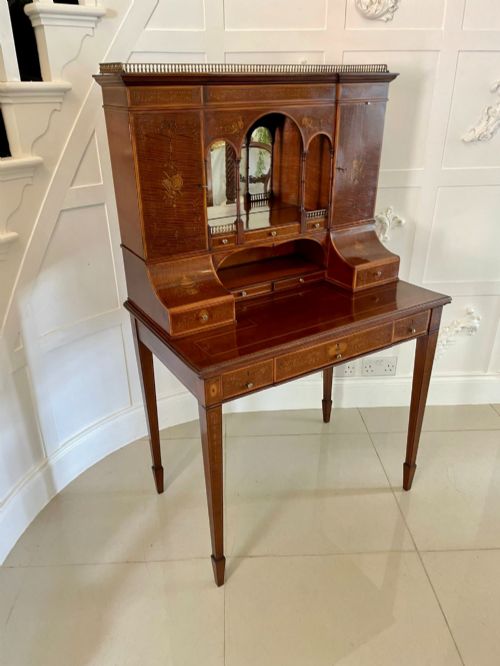
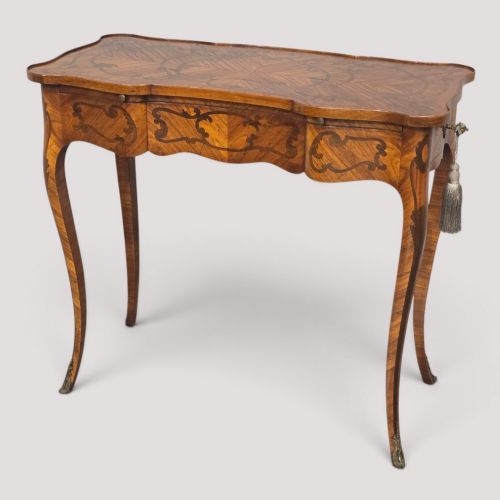
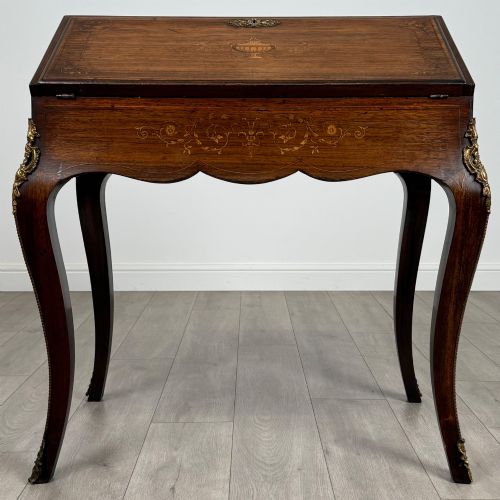
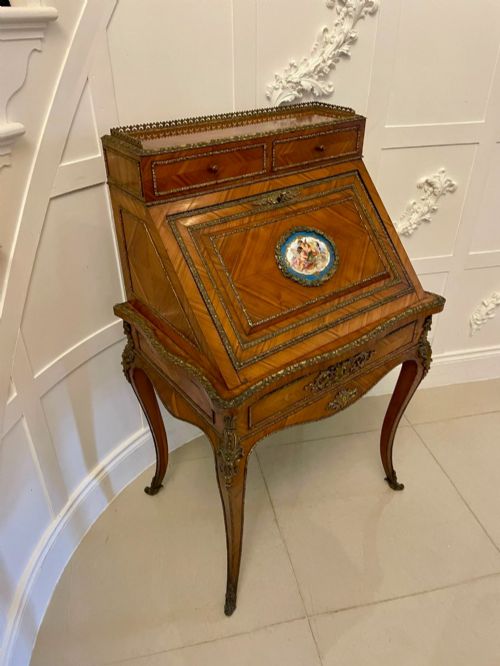
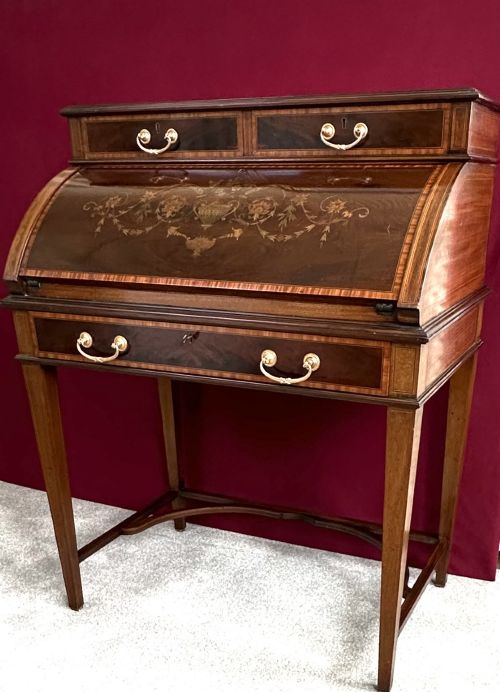
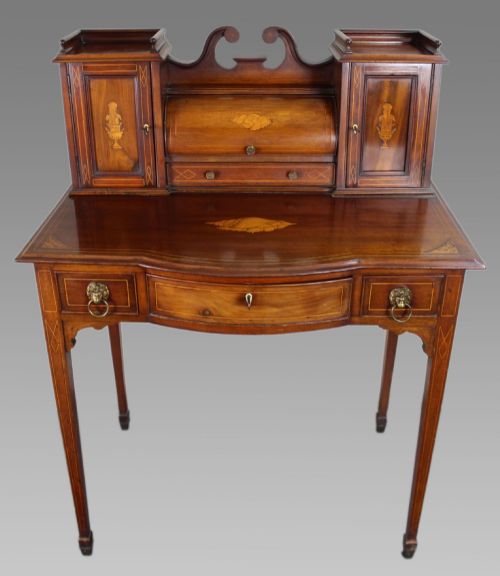
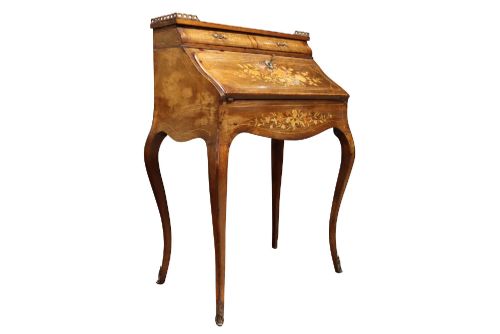
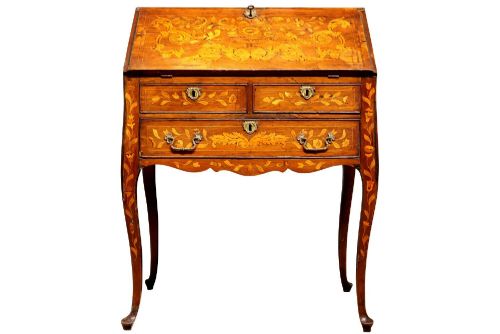
An antique ladies bureau encompasses compact writing desks, cylinder top desks, and bonheur-du-jour writing cabinets originating primarily from Victorian, Edwardian, and nineteenth-century French workshops. These pieces frequently feature drop-front writing surfaces, fitted interiors with small drawers, and compact footprints suited to intimate private chambers or boudoirs.
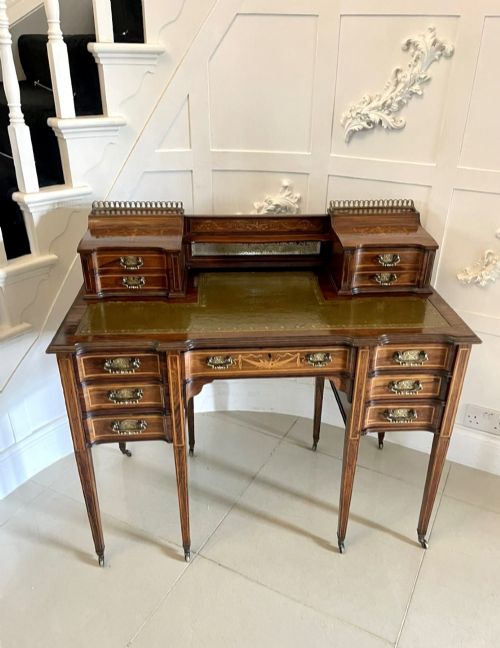
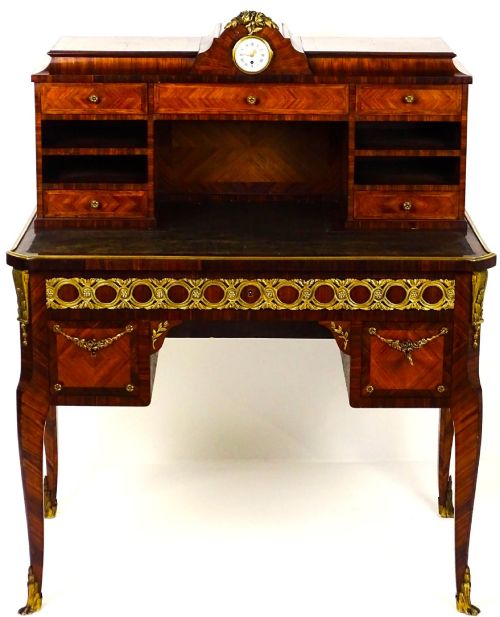
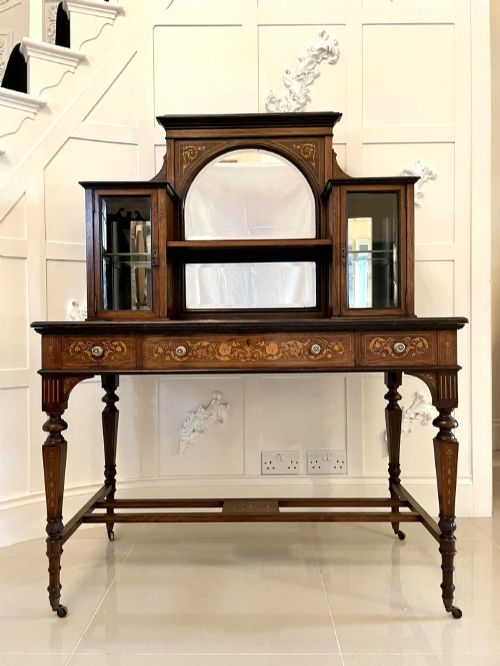
The selection on this page relies heavily on Victorian walnut or rosewood bureau de dame models alongside Edwardian satinwood and mahogany writing desks influenced by Sheraton and French revival styles. Pieces range from straightforward fall-front writing desks to elaborate marquetry-inlaid escritoires mounted with ormolu.
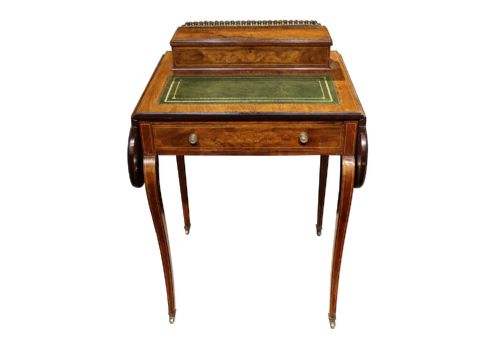
Makers and cabinet-makers working during these periods produced specialised forms including kidney-shaped writing tables and Carlton House desks designed specifically for feminine correspondence and record-keeping.
Materials and Technique
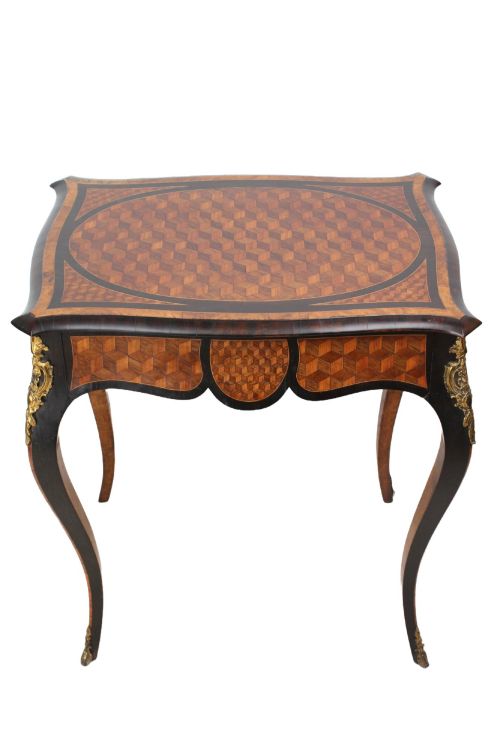
Cabinet-makers constructed these desks using dense hardwood timbers such as mahogany, walnut, rosewood, and kingwood, frequently applying decorative veneers like satinwood, amboyna, and burr walnut to visible surfaces. Floral marquetry, parquetry, and contrasting string inlay define the ornamentation of many pieces.
Metalwork played a structural and decorative role, with cast ormolu mounts, brass inlays, and leather writing inserts integrated into French and English designs alike. Hand-painted decorative motifs also appear on satinwood pieces from the Edwardian period.
Antique Ladies Bureau Retail Price Guide 2026
Typical asking prices for ladies bureau among the pieces listed under this phrase on Sellingantiques today, from the lower quarter to the upper quarter. They describe what is for sale here now, not the wider market.
The listings on this page span the Victorian and Edwardian periods, showcasing materials from satinwood and mahogany to ormolu-mounted kingwood and rosewood.
Judging Quality
Quality rests in the precision of the timber selection, the crispness of the marquetry cutting, and the integration of secondary woods within the drawer linings and internal compartments. Finer examples display continuous grain matching across fall fronts and cylinder lids alongside sophisticated internal stationery arrangements.
The refinement of cast bronze or ormolu mounts, the quality of hand-painted floral panels, and the structural integrity of freestanding pedestal or cabriole legs separate standard production from exceptional cabinet-making.
Maple and Co·JAS Shoolbred·Paul Sormani·Edwards and Roberts·Hobbs and Co·Gillows
The Antique Ladies Bureau Glossary
- Bureau de dame
- A small ladies writing desk, typically featuring a sloping fall-front lid enclosing small drawers and pigeonholes. These pieces emerged as key items of refined personal furniture in French and English homes.
- Bonheur-du-jour
- A light ladies writing desk featuring a small cabinet or set of shelves mounted upon the rear of the writing surface. The form gained popularity during the nineteenth century in French revival designs.
- Carlton House desk
- A form of writing desk featuring a fitted superstructure of small drawers and compartments curving around the back and sides of the writing surface. This distinct layout appeared in fine satinwood and mahogany versions.
- Escritoire
- A tall writing cabinet with a fall-front panel that drops down to form a writing ledge. These pieces often incorporate internal drawers and decorative mounts.
- Ormolu
- Gilded bronze ornamentation applied to furniture frames and mounts. It requires careful chasing and gilding to achieve the detail found on nineteenth-century pieces.
Antique Ladies Bureau: Frequently Asked Questions
How were these desks used?
Owners utilised these compact writing tables for writing letters, keeping personal accounts, and storing stationery in private rooms. The small scale suited boudoirs and dressing rooms where larger partner desks proved impractical.
Many examples include specialised compartments for inkwells, pens, and small documents alongside surface space for a writing blotter.
Where should I place one?
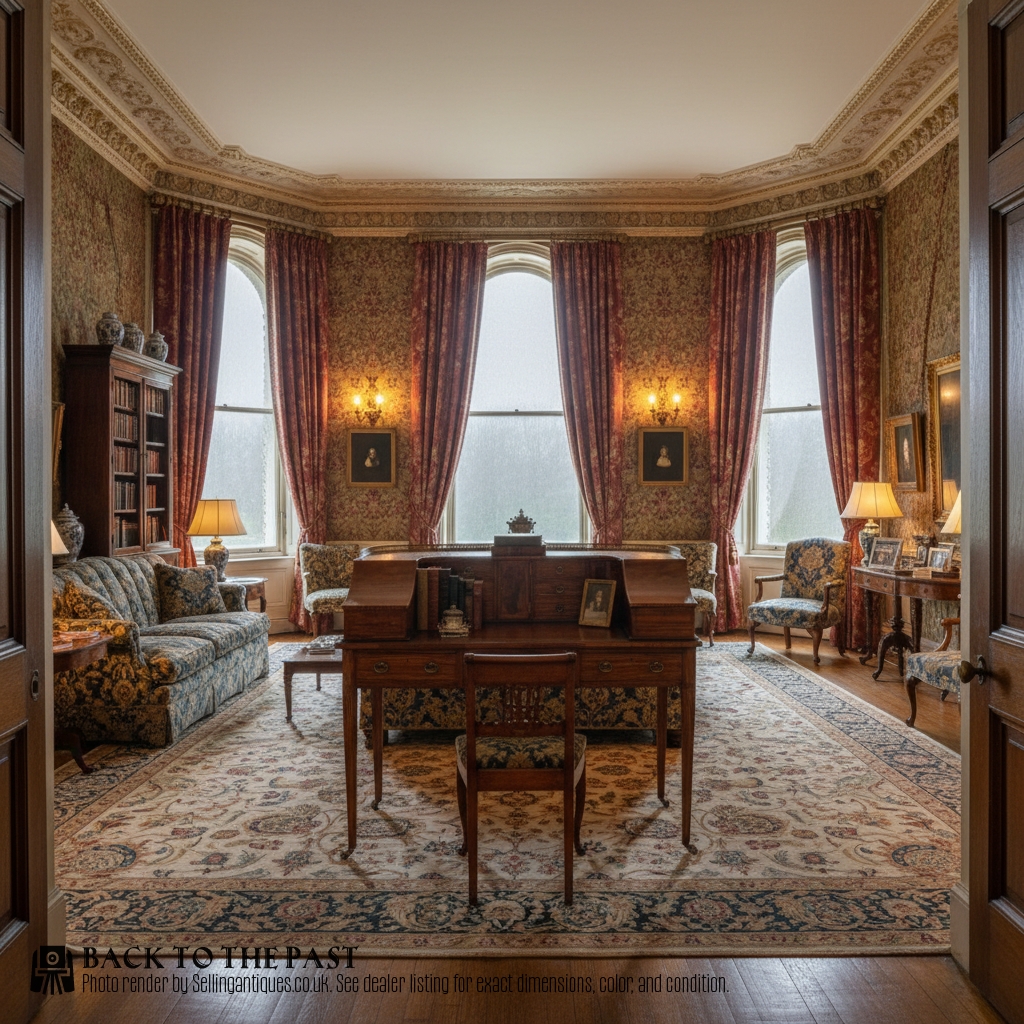
These pieces suit living rooms, studies, or bedrooms as accent furniture due to their modest dimensions and finished backs on freestanding models. Pairing them with a low antique chair allows comfortable seating at the writing height.
Placing the furniture away from direct sunlight and heat sources protects delicate veneers like satinwood and rosewood from fading or splitting.
How do I tell periods apart?
Victorian models frequently utilise dark timbers like rosewood and walnut, often featuring bold marquetry or brass inlay. Edwardian pieces tend to display lighter satinwood surfaces with delicate painted decoration and Sheraton revival motifs.
Nineteenth-century French pieces lean towards Louis XV revival styling, distinguished by curved cabriole legs, kingwood veneers, and cast ormolu mounts.