


Vintage Drop Front Desk
A vintage drop front desk brings traditional writing furniture into a modern room, offering concealed storage behind a folding flap.

Identifying the vintage drop front desk
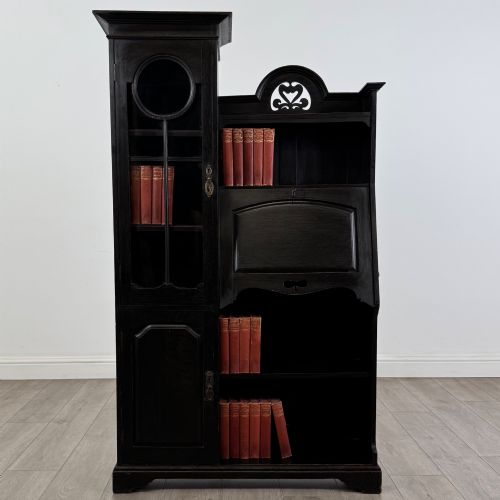
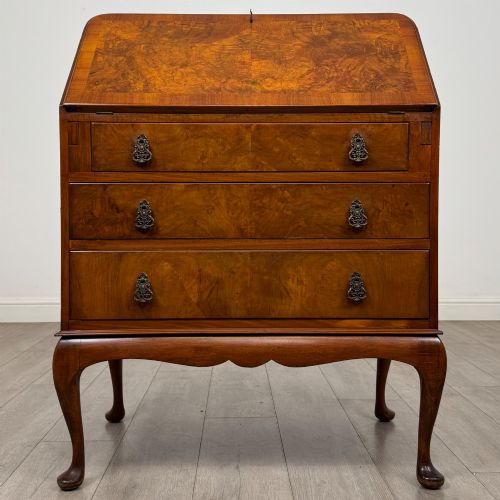
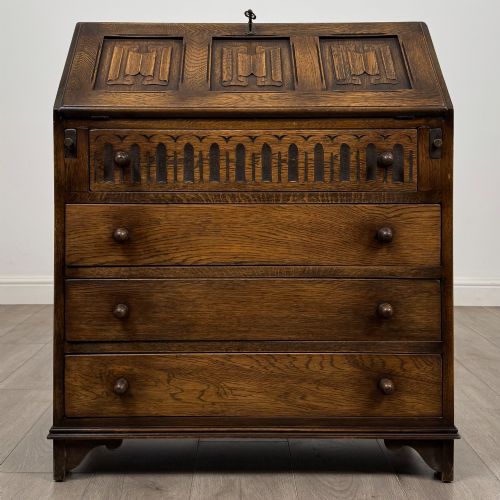
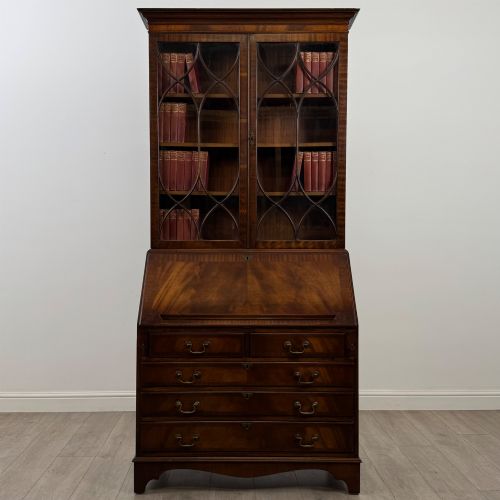
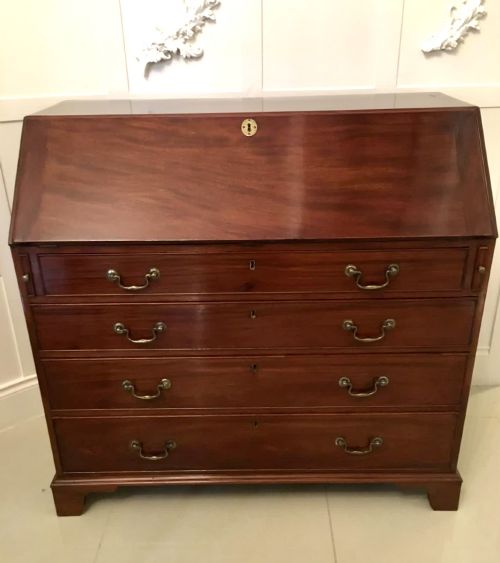
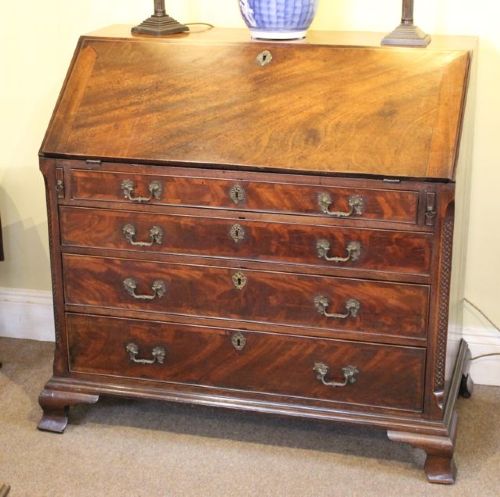
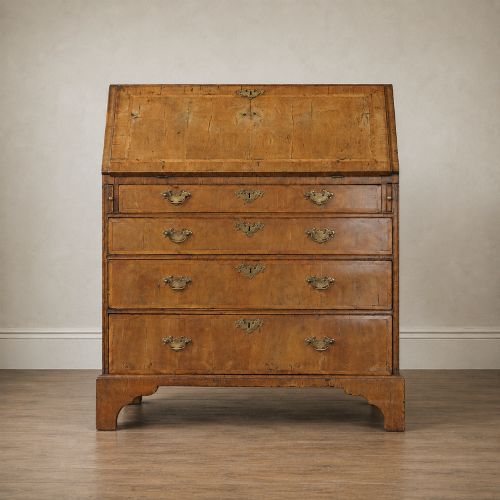
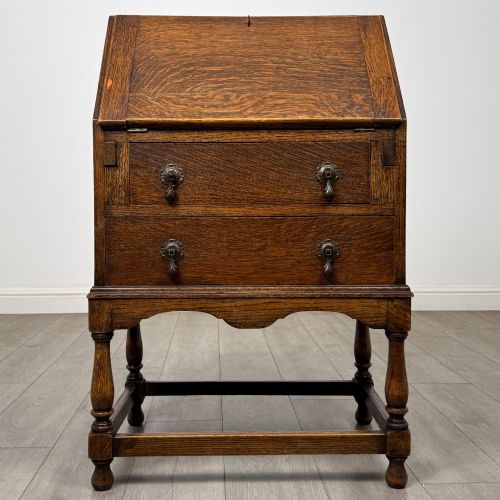
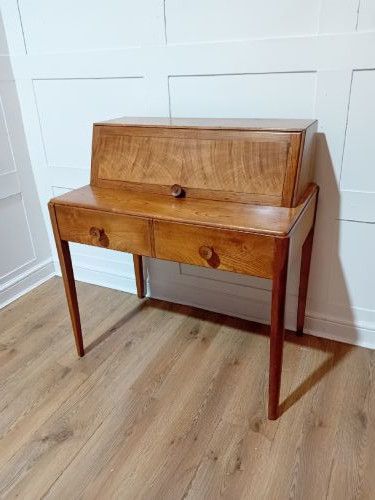
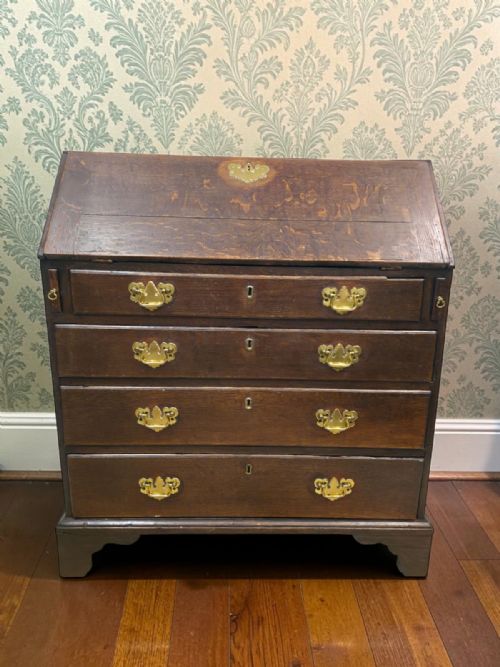
A vintage drop front desk combines a portable writing surface with hidden compartments, taking the form of bureaus, bureau bookcases, and writing desks. These pieces span several distinct historical periods, including Georgian, Edwardian, and Art Deco eras, reflecting shifting domestic habits.
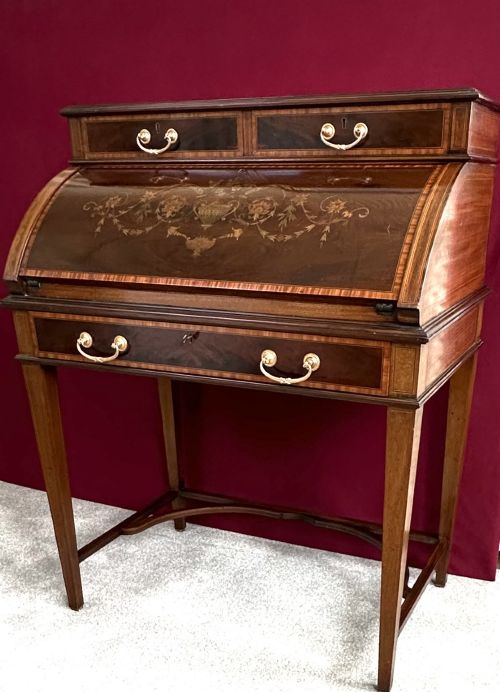
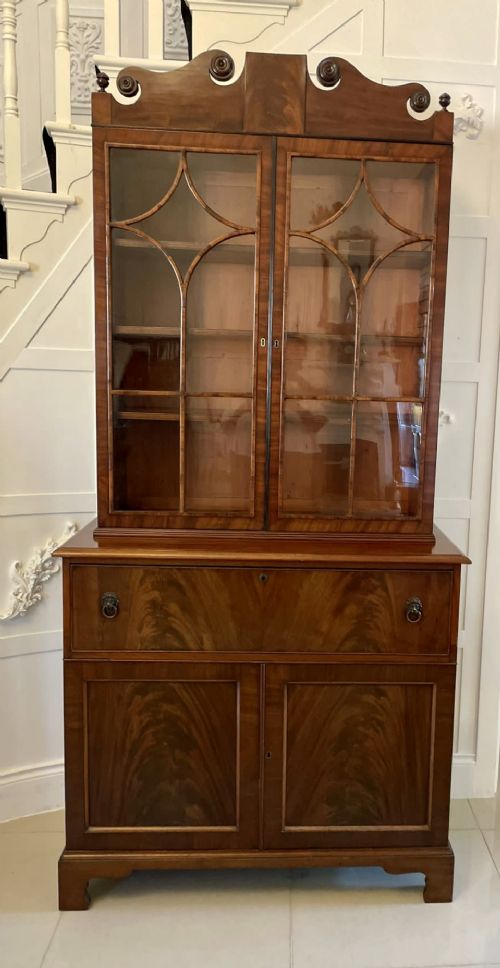
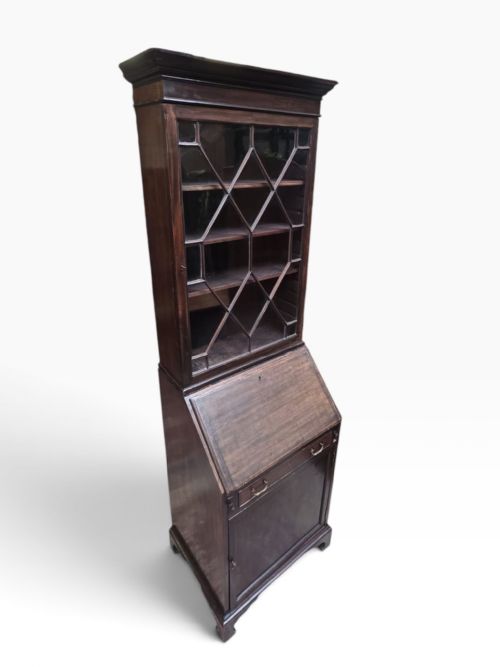
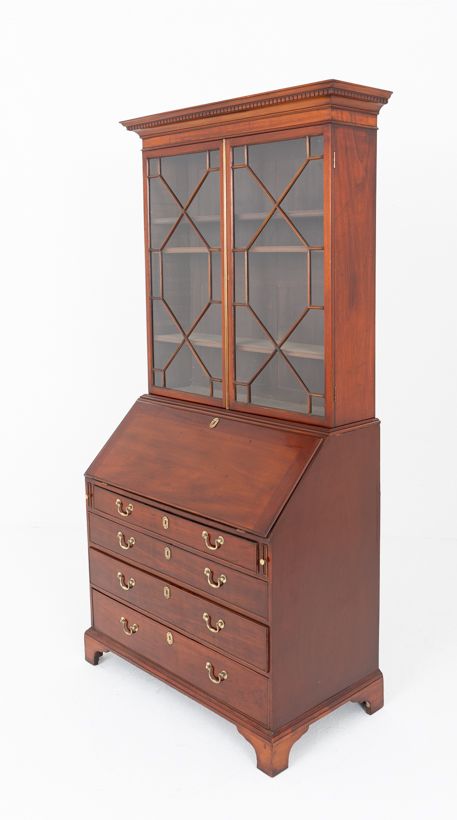
The most common examples on this page are Edwardian inlaid mahogany writing desk bureaus and bureau bookcases, alongside earlier Georgian mahogany models. They range from compact freestanding writing desks to tall bureau bookcases featuring glazed upper sections.
Originating as practical workspaces before the widespread use of freestanding tables, these items adapt well to contemporary study rooms and living spaces. The hinged flap serves as a writing platform when lowered and conceals pigeonholes and small drawers when closed.
Construction and materials
Cabinet makers utilised a variety of solid timbers and veneers, predominantly mahogany, walnut, and burr walnut veneer. These foundational woods frequently received decorative additions such as satinwood inlay and contrasting stringing along drawer fronts and bureau flaps.
Functional metal hardware played an essential role, incorporating brass for handles, escutcheons, and hinges that secured the heavy drop fronts. Later Art Deco iterations introduced alternative elements like chrome alongside traditional timber construction.
Retail Price Guide 2026
Typical UK retail prices for vintage drop front desk, calculated from the Sellingantiques database of over a million retail prices indexed since 2003. This retail price guide relies exclusively on Sellingantiques data; no external sources or auction records are used, so the figures do not describe the wider market.
Many drop front desks conceal hidden miniature drawers behind the pigeonholes, designed for private letters and small valuables.
Distinguishing quality
The sophistication of the timber selection dictates the visual impact, particularly where figured burr walnut veneer or finely grained mahogany frames the central writing flap. Superior examples display careful bookmatching across drawer fronts and harmonious grain continuity when the desk is closed.
The complexity of the interior arrangement separates standard utilitarian pieces from finer cabinet work, evident in stepped pigeonholes, secret compartments, and fitted small drawers behind the drop front. External embellishments such as delicate satinwood inlay further denote higher craftsmanship.
The Vintage Drop Front Desk Glossary
- Drop front
- A hinged writing flap that pulls down to create a horizontal desk surface. This mechanism conceals the internal pigeonholes and small drawers when closed.
- Bureau bookcase
- A tall combination piece featuring a desk compartment in the lower section and glazed shelving doors above for book storage. These units maximise vertical storage space in traditional rooms.
- Stringing
- A narrow line of contrasting inlay wood embedded into the primary timber surface to create decorative borders. It frequently outlines the drawers and fall front of Edwardian pieces.
- Escutcheon
- A decorative brass plate surrounding a keyhole to protect the surrounding wood from wear. These fittings provide both functional reinforcement and visual accentuation.
Frequently Asked Questions
How do I use a drop front desk?
Lower the hinged flap to reveal the internal writing surface, pigeonholes, and small drawers for storage.
Lift and secure the flap with its supporting stays when finished to hide paperwork and maintain a tidy room.
What is the difference between a bureau and a bureau bookcase?
A standard bureau consists of a desk compartment with a drop front over a set of drawers.
A bureau bookcase adds an upper section with glazed doors designed specifically for displaying books.
Which woods are common in these desks?
Mahogany and walnut appear frequently across Georgian and Edwardian examples, often enhanced by burr walnut veneer.
Cabinet makers also incorporated satinwood inlay for decorative contrast on Edwardian writing desks.
How do I date an antique desk?
Examine the overall style, construction methods, and materials to identify periods such as Georgian, Edwardian, or Art Deco.
Specific design motifs, like satinwood inlay or chrome hardware, help narrow the manufacture date.