


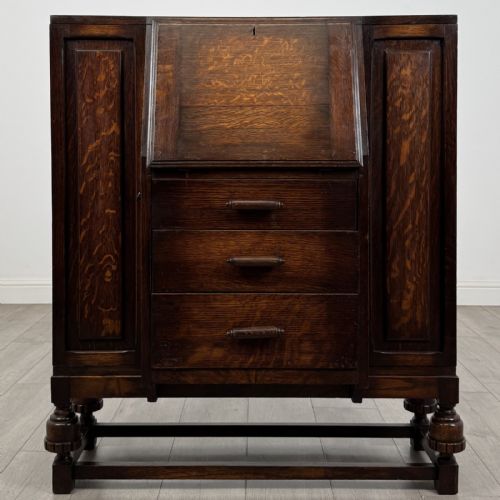
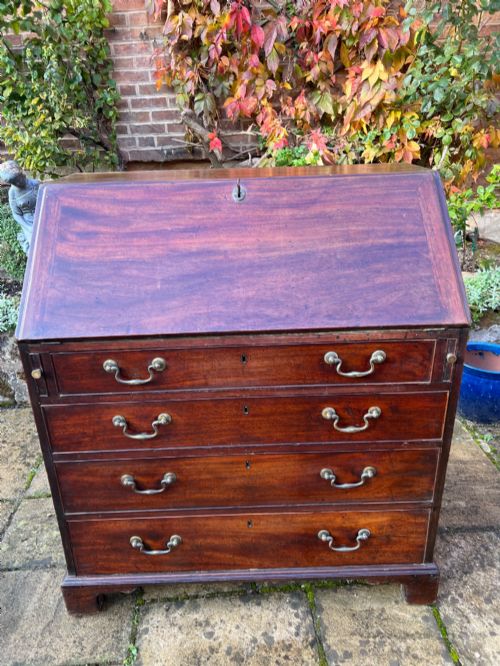
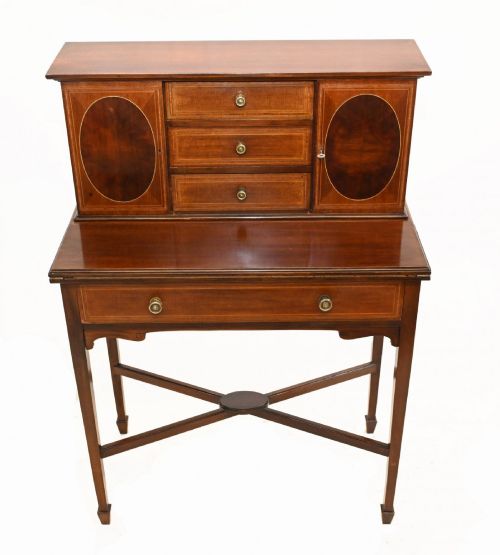
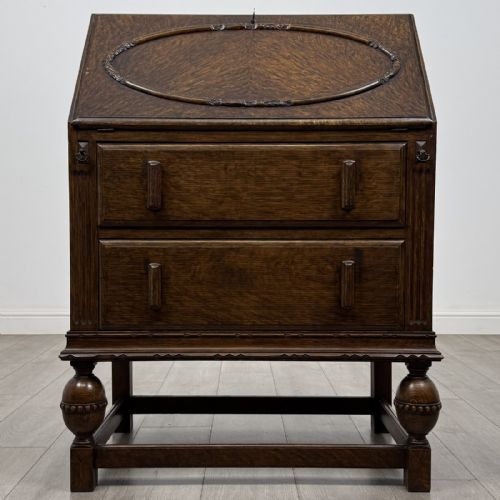
Edwardian Secretary Desk
An Edwardian secretary desk combines practicality with craftsmanship, offering a compact workspace paired with concealed storage that suits studies and drawing rooms alike.
Edwardian Secretary Desk
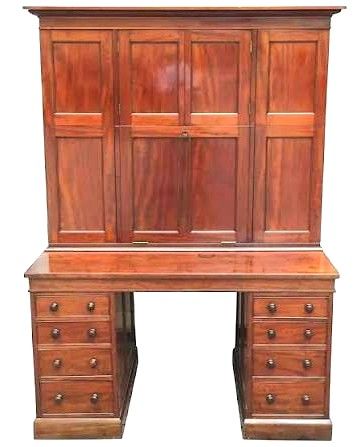
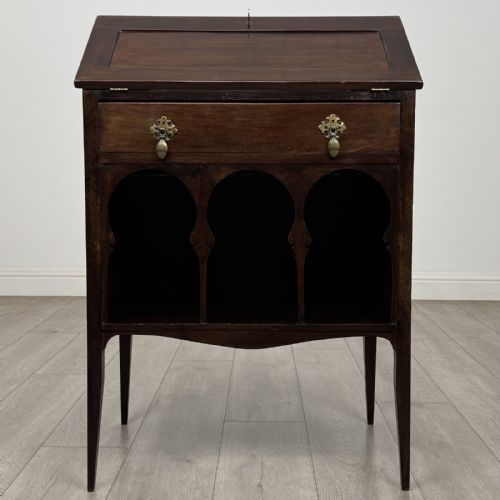
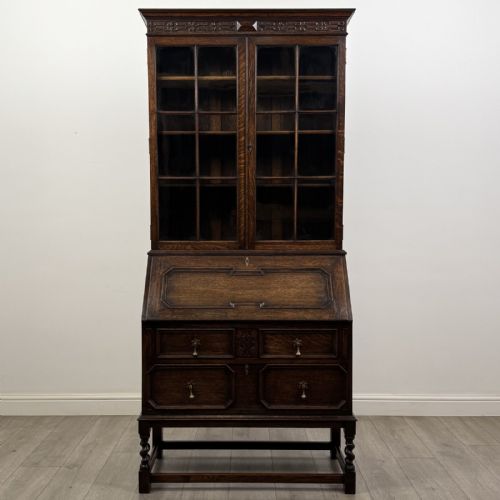
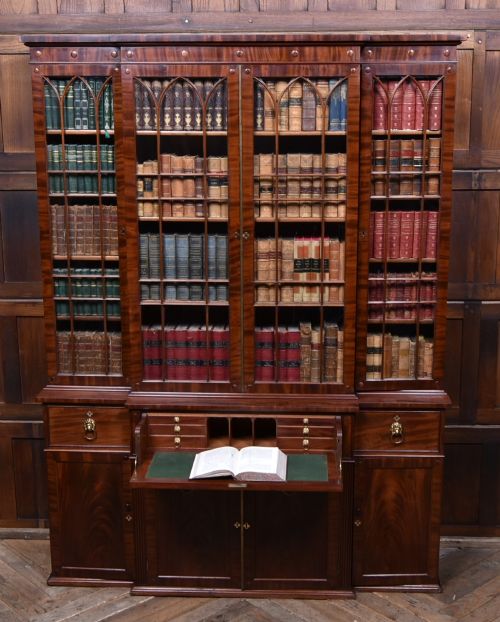
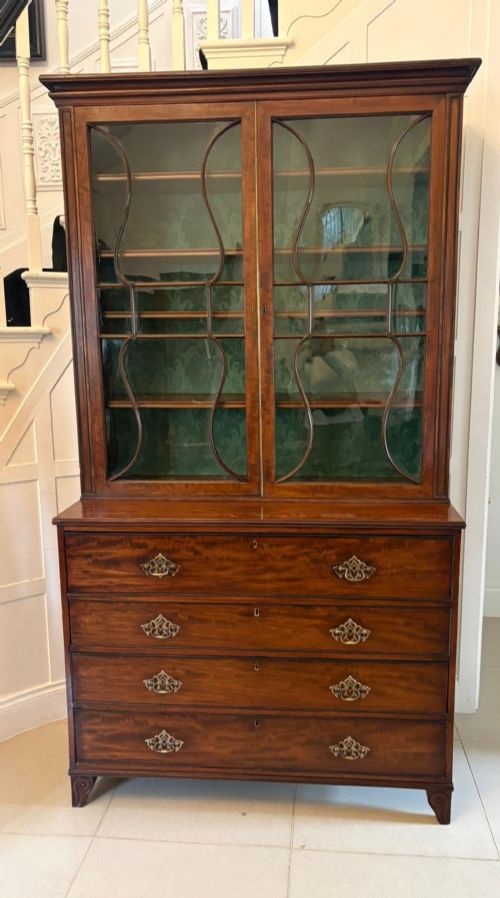
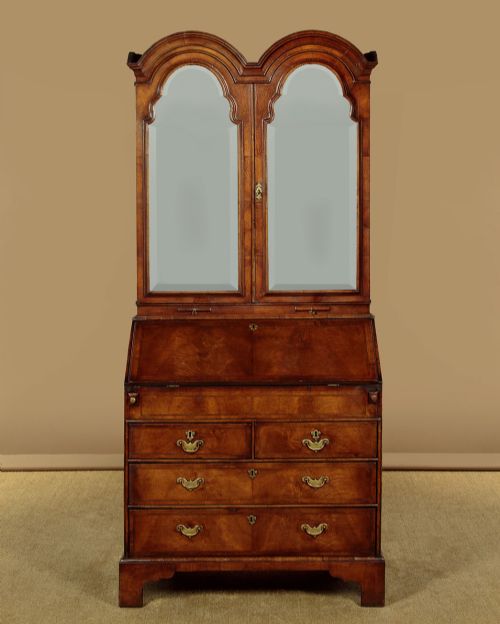
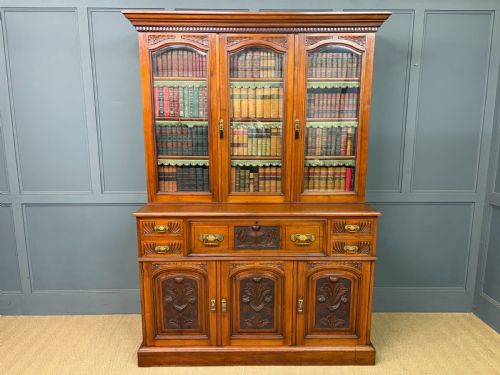
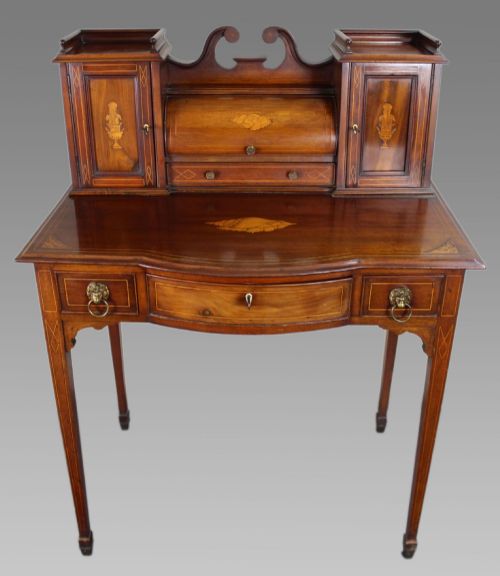
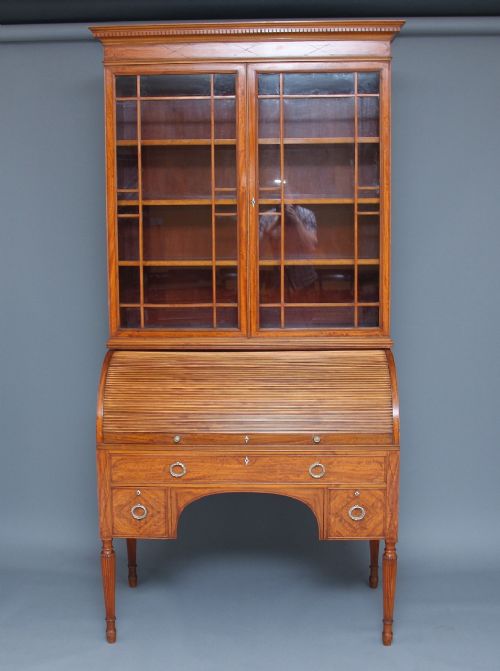
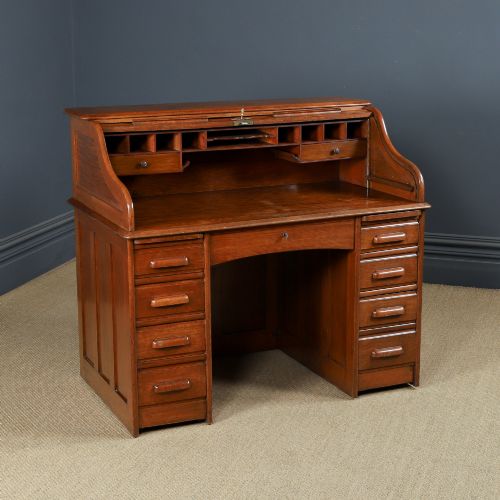
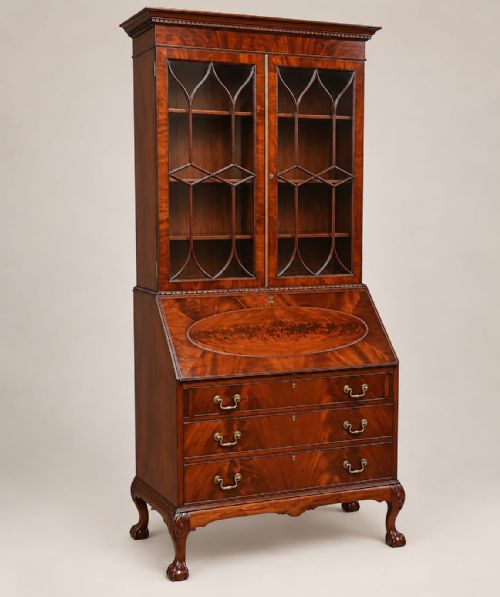
When you search for an edwardian secretary desk, you encounter pieces designed primarily around the turn of the twentieth century, alongside related bureau bookcases and writing cabinets. These forms merge a fall-front desk compartment or sliding cylinder with upper shelving and lower drawer storage.
The versions most common on this page span the Edwardian era and the late nineteenth century, appearing alongside occasional Georgian and Regency precursors. They range from compact oak fall-front writing desks to large glazed bureau bookcases.
Makers of this period drew upon earlier styles such as Sheraton Revival, Arts and Crafts, and Chinoiserie. This eclectic mix provides buyers with choices varying from austere quarter-sawn oak to elaborate hand-painted satinwood.
Materials and Construction
Cabinet makers constructed these desks using a solid timber frame faced with carefully selected veneers of mahogany, walnut, burr walnut, and satinwood. Oak remained the preferred choice for utilitarian and Arts and Crafts examples, whilst decorative brass handles and leather writing inserts completed the design.
Glazing bars on upper bookcase sections required precise joinery, and fall-front writing surfaces relied on strong internal pigeonhole structures to distribute weight. Hand-painted decoration and inlaid stringing provided surface ornamentation on lighter satinwood and mahogany pieces.
Edwardian Secretary Desk Retail Price Guide 2026
Typical asking prices for edwardian secretary desk among the pieces listed under this phrase on Sellingantiques today, from the lower quarter to the upper quarter. They describe what is for sale here now, not the wider market.
Listings on this site demonstrate that oak, mahogany, and satinwood dominate the material palette for these writing desks.
The Spectrum of Execution
Distinctions in value rest upon the choice of timber and the precision of the cabinet work rather than simple age. Finely figured burr walnut and hand-painted satinwood demand greater skill from the maker than plain oak or standard mahogany.
Structural integrity within the writing mechanism, such as smooth movement in tambour cylinders and fall-front hinges, separates standard production furniture from superior workshops.
Tudor and Burrey·Gillows
The Edwardian Secretary Desk Glossary
- Bureau bookcase
- A writing desk with a fall-front flap, positioned beneath an enclosed shelving cabinet with glazed or solid wooden doors.
- Satinwood
- A pale, lustrous timber native to India and Ceylon, frequently utilised for fine inlaid writing furniture.
- Tambour top
- A flexible writing surface formed of narrow strips of wood glued to a canvas backing, sliding in curved grooves to conceal the desk interior.
- Fall-front
- A hinged writing flap that drops forward to create a horizontal desk surface, revealing internal pigeonholes and small drawers.
- Arts and Crafts
- A design movement valuing honest construction, visible joinery, and plain timber surfaces over mass-produced ornamentation.
Edwardian Secretary Desk: Frequently Asked Questions
How do I maintain the leather writing surface?
Clean the leather gently using a damp cloth without excess water, avoiding harsh modern detergents that strip natural finishes.
Apply a specialist leather balm occasionally to keep the hide supple and prevent cracking across the fold lines.
Where should I place a secretary desk?
Position the desk away from direct sunlight and heat sources to prevent the timber veneers from drying, shrinking, or warping over time.
Ensure adequate clearance in front of the piece so the fall-front flap or writing slide can open fully without obstruction.
How do I distinguish Edwardian from Victorian pieces?
Edwardian secretary desks generally exhibit lighter proportions, brighter wood tones, and restrained decorative inlays influenced by Sheraton Revival styles.
Victorian counterparts typically feature heavier timbers, darker finishes, and more robust carvings or robust burr walnut veneers.
Can I use the desk for daily laptop work?
These desks provide a stable writing platform, but you must check the internal depth of the fall-front compartment before placing modern computing equipment inside.
Ensure the hinges and support stays are secure enough to bear the weight of daily typing without straining the original joints.