

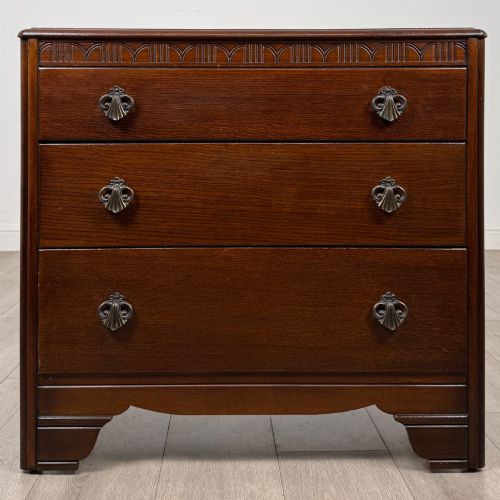
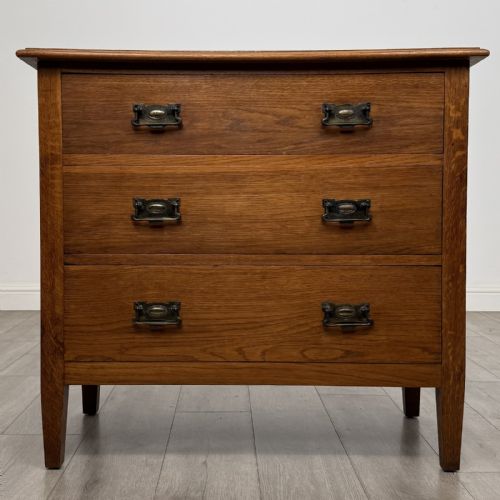

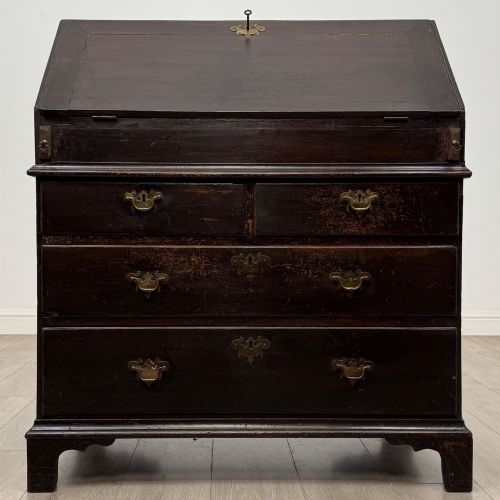
Oak Bureau with Drawers
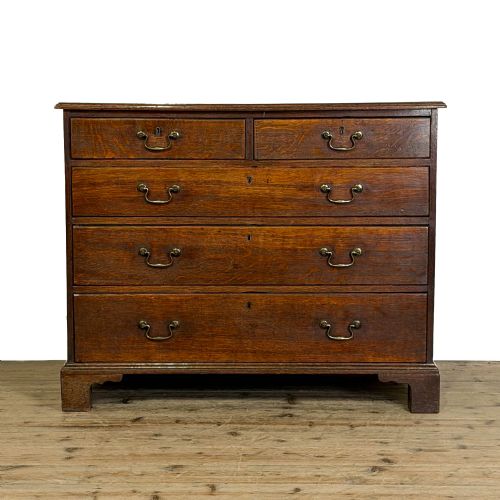
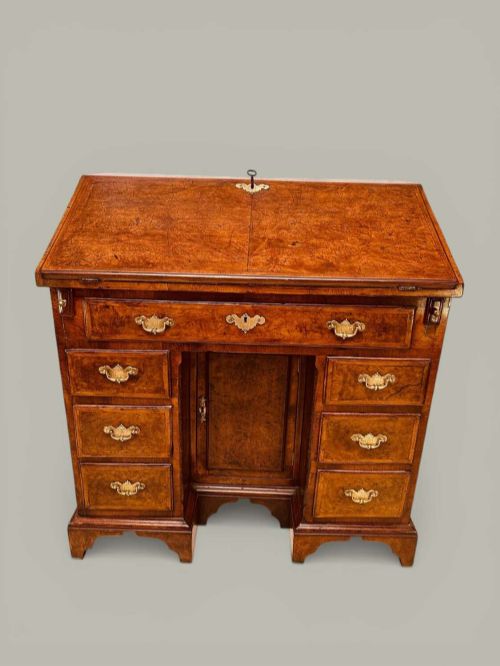
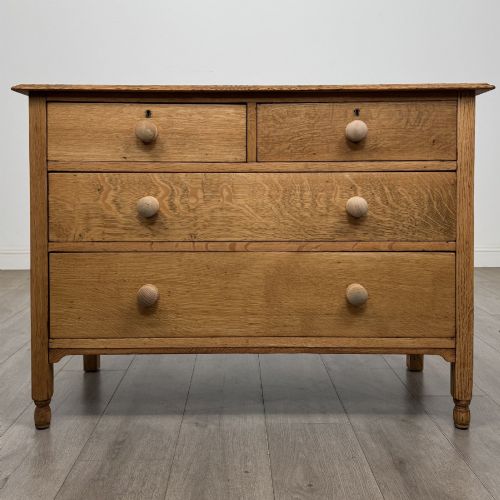
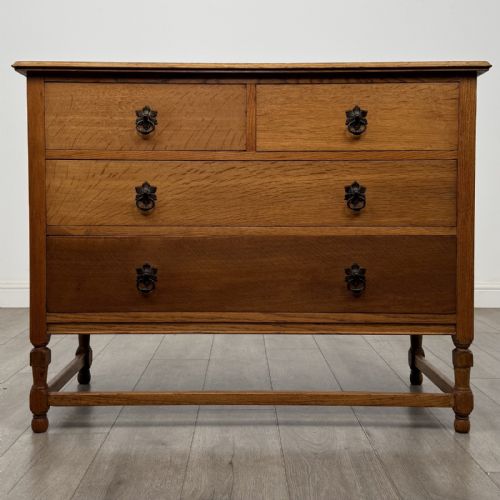
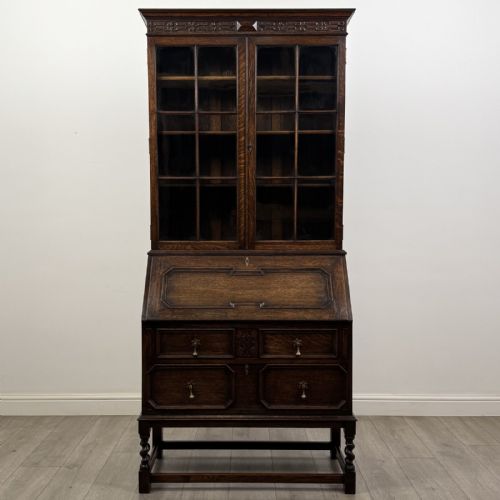
An oak bureau with drawers combines a sloping fall-front writing surface with functional storage beneath, offering a traditional workspace built from durable timber.
Oak Bureau with Drawers
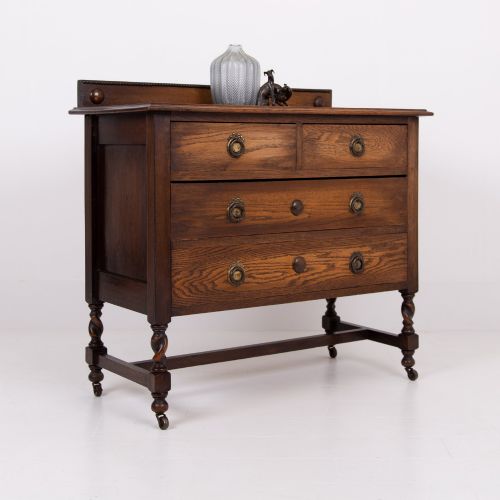
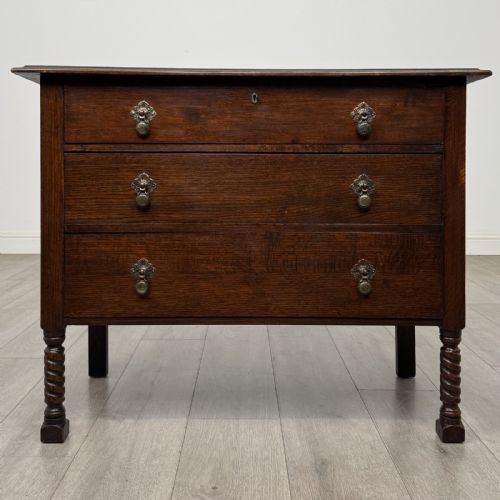
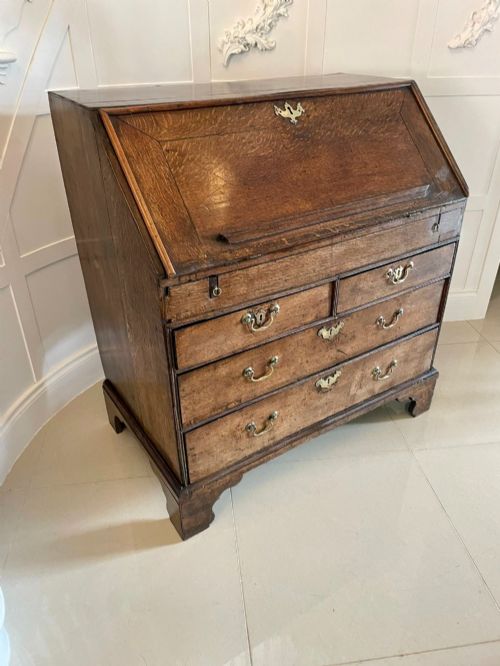
An oak bureau with drawers functions primarily as a writing desk that conceals compartments behind a hinged fall-front. Pieces on this page span several centuries, with particular emphasis on Georgian, Victorian, Edwardian and 1920s examples.
The most common formats range from compact writing desks to taller bureau bookcases featuring glazed upper sections. Vernacular 17th and 18th century examples frequently display solid construction with fitted stepped interiors.
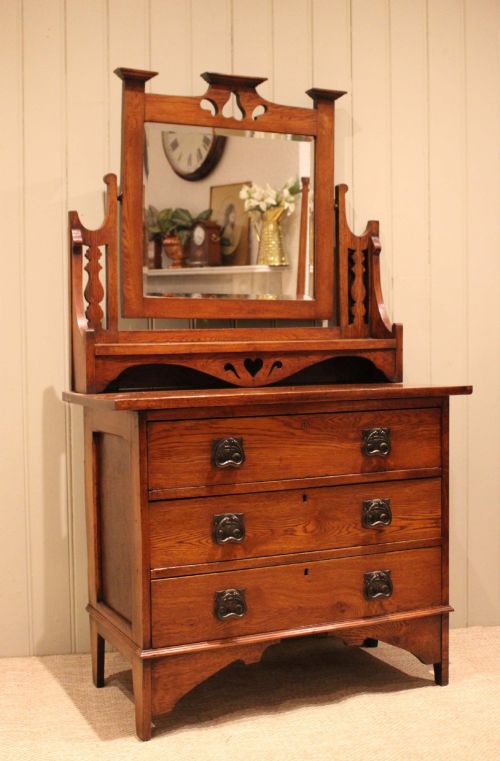
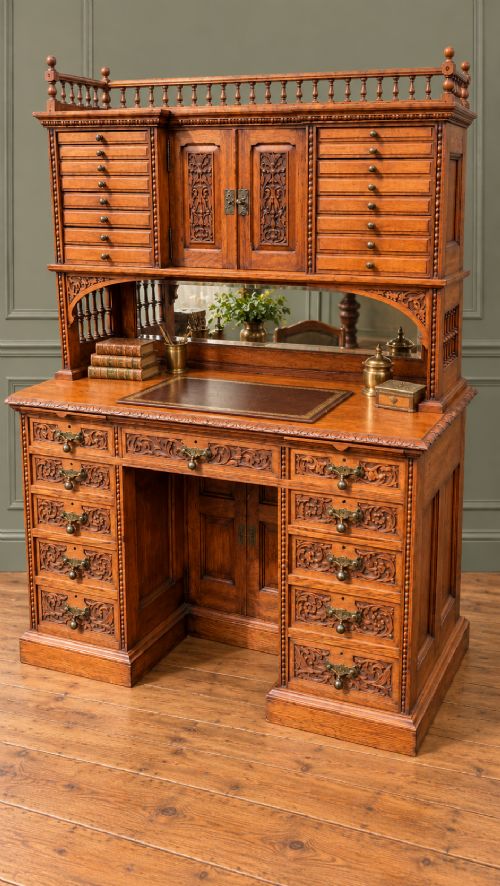
Makers and periods vary widely, incorporating styles such as Jacobean Revival, Arts and Crafts, and Aesthetic Movement influences alongside straightforward country pieces.
Materials and construction
Carpenters utilised solid oak alongside secondary timbers, mounting drawers with brass handles and occasionally lining interiors with contrasting woods such as satinwood, kingwood or burr maple.
Surface decoration relies on construction techniques like linenfold carving, crossbanding, panelling and applied mouldings rather than heavy ornamentation.
Hardware includes original brass drop handles, iron fittings and lead window cames on glazed bookcase variations.
Oak Bureau with Drawers Retail Price Guide 2026
Typical asking prices for oak bureau with drawers among the pieces listed under this phrase on Sellingantiques today, from the lower quarter to the upper quarter. They describe what is for sale here now, not the wider market.
The listings demonstrate construction techniques ranging from 17th-century vernacular joinery to Edwardian satinwood crossbanding and 1920s glazed bookcase formats.
Assessing the craftsmanship
Quality rests upon the selection of the timber and the integrity of the interior pigeonholes, small drawers and secret compartments hidden behind the fall-front.
Fine examples demonstrate precise dovetail joints on the drawer construction and well-fitted fall-front hinges that support weight evenly during writing.
Later revivals and adapted pieces differ from period originals in their internal complexity and the depth of the oak figure selected by the cabinetmaker.
Heals of London·Blyth and Son·Thomas Turner·Robert Mouseman Thompson·Harris Lebus
The Oak Bureau with Drawers Glossary
- Fall-front
- A hinged panel that pulls down to create a horizontal writing surface. This flap conceals the internal stationery drawers and pigeonholes when closed.
- Crossbanding
- A narrow strip of veneer applied perpendicularly to the grain of the primary surface. This technique frames the drawer fronts or desk top.
- Stepped interior
- An arrangement of small internal drawers and pigeonholes arranged in ascending tiers. It provides secure storage for correspondence and valuables.
- Linenfold
- A style of wood carving that mimics folded fabric or linen. It appears frequently on panels of 20th century and revival pieces.
- Davenport
- A compact form of writing desk featuring a sloped top and drawers accessed from the side. It represents a specialised variant of the standard bureau.
Oak Bureau with Drawers: Frequently Asked Questions
What is a bureau bookcase?
A bureau bookcase combines a lower writing desk with an upper shelving or display cabinet enclosed by doors.
This tall hybrid furniture type provides both workspace and storage within a single upright footprint.
How do secret drawers work?
Secret drawers operate through hidden release mechanisms disguised as architectural partitions or sliding dividers within the pigeonhole section.
Owners utilised these concealed spaces to secure personal documents, currency and small valuables.
How do I date an oak bureau?
Dating relies on examining construction methods, such as hand-cut dovetails, handle styles, lock types and overall proportion.
Earlier pieces from the 17th and 18th centuries typically show vernacular construction and solid oak framing, whereas later Victorian and Edwardian examples incorporate machine-sawn timber and varied revival aesthetics.
Were these desks used for writing?
These pieces served as dedicated domestic workstations for managing correspondence, household accounts and record keeping.
The fall-front provided a flat writing surface when lowered, keeping writing materials organised in the interior compartments.