


Antique Sloping Desk
An antique sloping desk brings centuries of handwriting craft into modern rooms, offering concealed drawers and hinged surfaces for daily correspondence.
Antique Sloping Desk
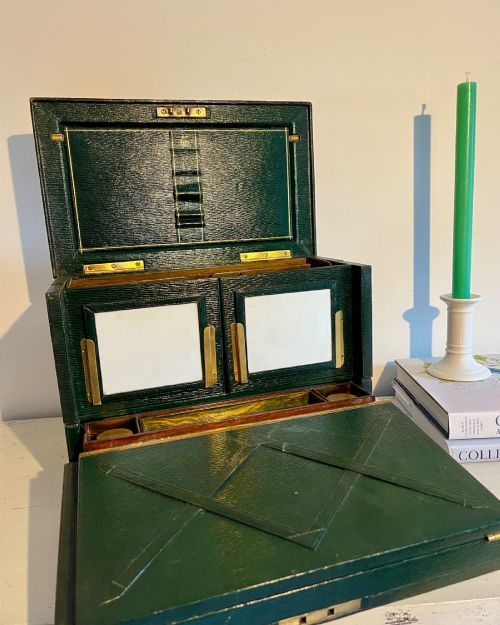
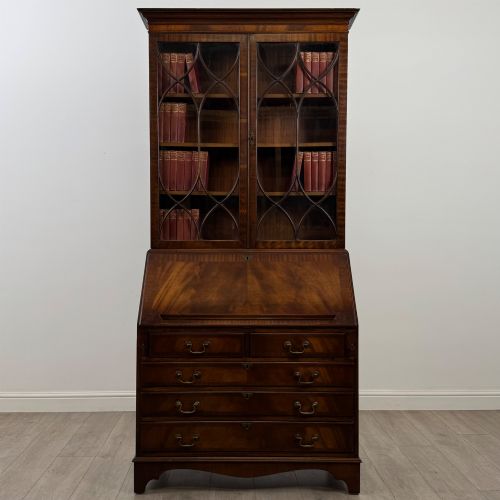
An antique sloping desk encompasses traditional writing furniture designed with angled writing surfaces, ranging from compact box forms to large cabinetry. When exploring this phrase, a buyer encounters everything from portable campaign writing slopes to substantial bureau bookcases spanning the 17th to the 20th centuries.
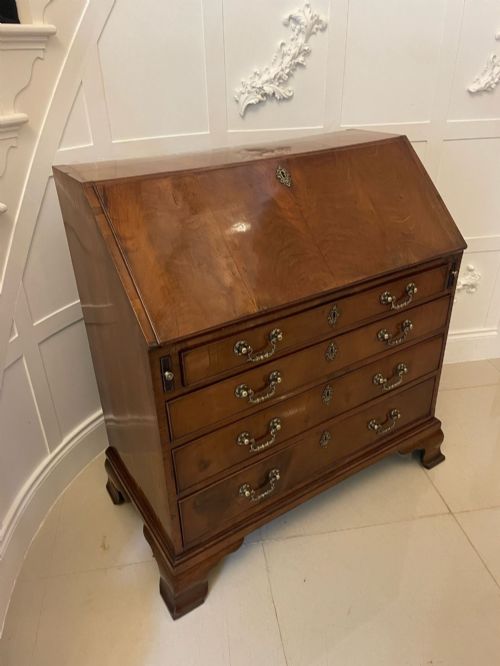
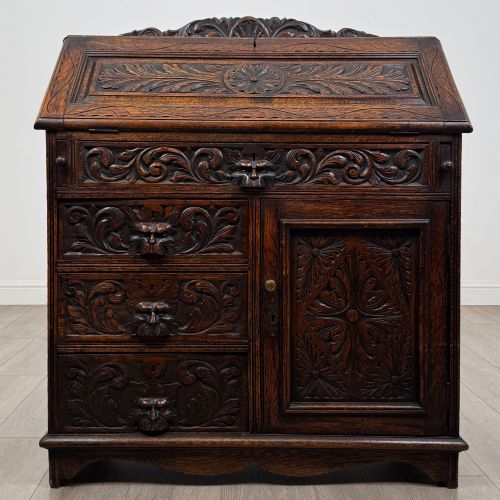
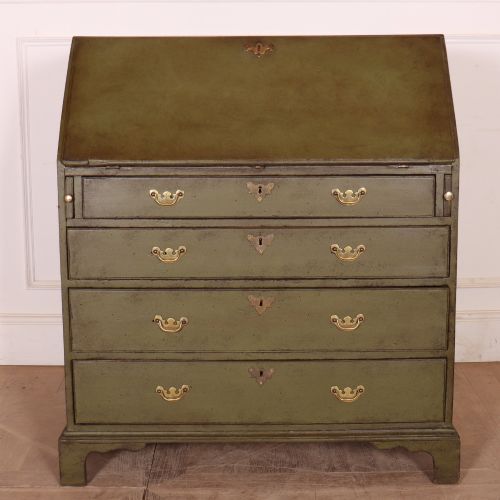
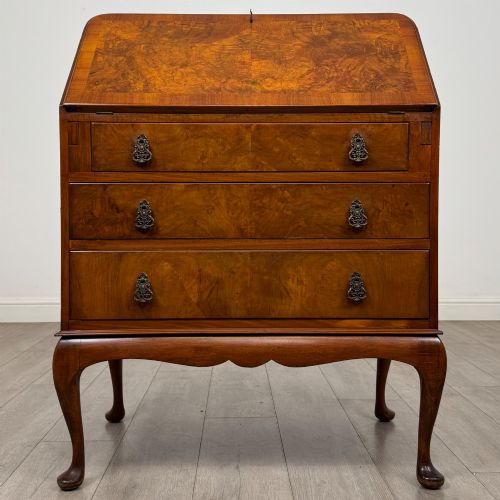
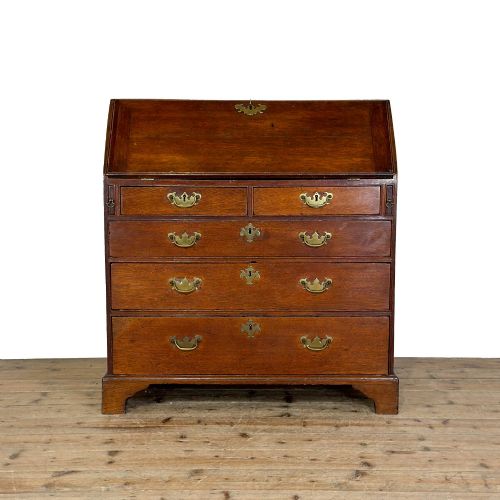
The most common examples on this page are Georgian and Victorian mahogany or oak bureaux featuring fall-front flaps. These larger pieces typically open to reveal fitted pigeonholes and small drawers above sets of graduated drawers for storage.
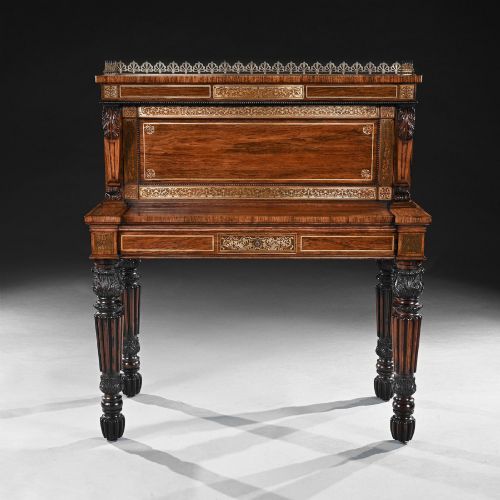
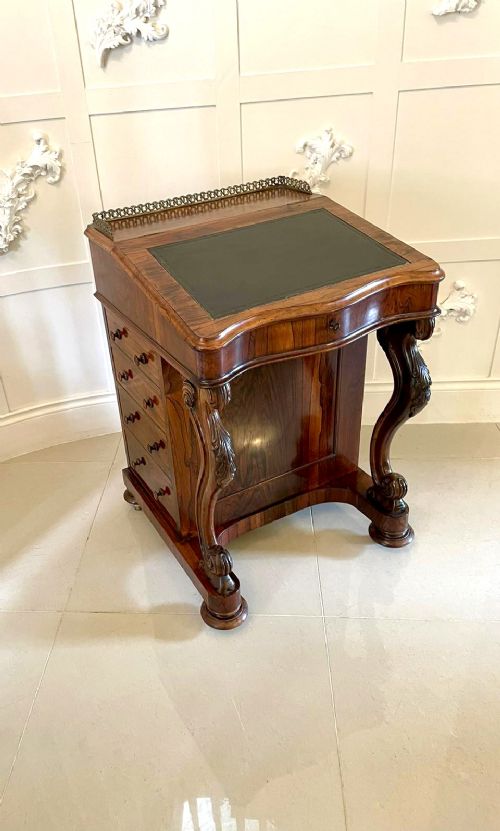
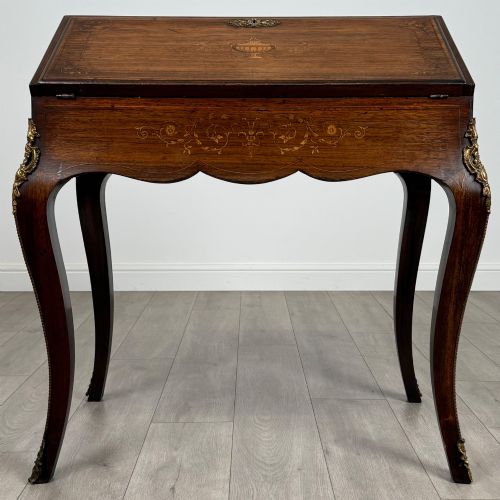
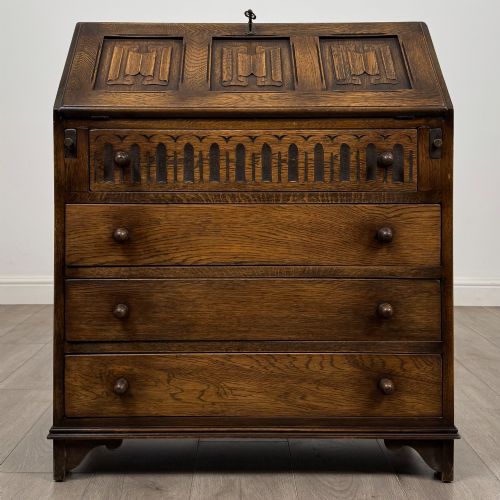
Alternative forms appearing here include the Davenport desk, the bureau de dame, and tabletop writing boxes decorated with marquetry or brass inlay. Dating ranges from early walnut pieces of the 18th century through to Edwardian oak variations with carved details.
Materials and construction
Cabinetmakers constructed these sloping desks using native and exotic timbers such as mahogany, oak, walnut, and rosewood, frequently selecting figured veneers and burr cuts for visual impact. Solid secondary timbers like cedar and deal support the internal drawer linings and hidden compartments.
Brass fittings, including campaign mounts, inlaid banding, and escutcheons, provide structural reinforcement and decorative contrast against the dark timber surfaces. Leather writing inserts, glass cabinet doors, and hand-painted floral marquetry complete the construction of the finer examples.
Antique Sloping Desk Retail Price Guide 2026
Typical asking prices for sloping desk among the pieces listed under this phrase on Sellingantiques today, from the lower quarter to the upper quarter. They describe what is for sale here now, not the wider market.
Several miniature writing boxes hide secret spring-loaded drawers behind dummy pigeonholes, designed to keep private letters away from prying eyes.
Judging execution
Quality in these sloping desks rests on the selection of timber veneers, the crispness of any hand carving, and the precision of the internal stationery fittings. Superior examples display symmetrical grain patterns across the fall front and tightly fitted dovetail joints on all internal drawers.
The complexity of the interior arrangement, known as the nest, distinguishes standard items from superior workshop output. Secret compartments, smoothly sliding secret drawers, and substantial original brass hardware indicate high-grade execution.
Gillows Oxford Street Workshop·Heals of London·Elkington
The Antique Sloping Desk Glossary
- Bureau
- A writing desk featuring a sloping hinged flap that opens to form a writing surface above drawers. This term covers both freestanding furniture and cabinet combinations.
- Writing slope
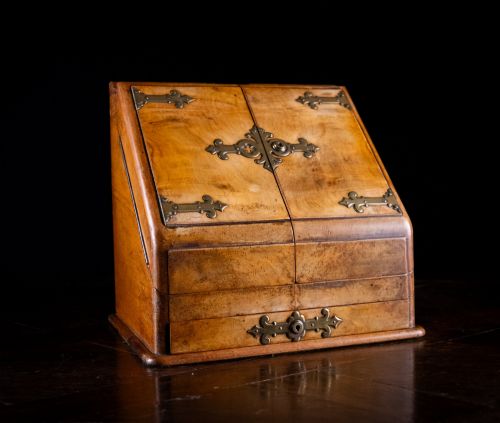
- A portable box with an angled lid designed to hold writing materials and provide a slanted writing surface. These often feature internal compartments for pens and inkwells.
- Davenport
- A compact pedestal desk originating in the 19th century, featuring a sloping top and drawers opening to one side. They are frequently constructed from rosewood or burr walnut.
- Fall front
- The hinged panel on a bureau or desk that drops down to create a horizontal writing area. It usually rests upon lopers when lowered.
- Marquetry
- Decorative veneer work formed by fitting together small pieces of wood, shell, or ivory to create pictorial designs. Floral patterns are common on Dutch and English pieces.
- Lopers
- Wooden pull-out supports that slide out from beneath the writing flap to hold the weight of the lowered fall front. They prevent the hinges from bearing excessive downward pressure.
Antique Sloping Desk: Frequently Asked Questions
What is an antique sloping desk?
An antique sloping desk is a piece of furniture designed for writing, featuring an angled surface that supports paper at a comfortable reading or drafting angle. These range from small portable boxes placed on tables to large freestanding cabinets with internal drawers.
Such furniture serves practical storage and writing functions while displaying the cabinetmaking styles of the Georgian, Victorian, and Edwardian eras.
How do I date an antique bureau?
Dating relies on examining the construction methods, timber choices, and hardware styles used in the piece. Earlier examples from the 18th century often feature solid oak or mahogany with hand-cut dovetails and pegged joints.
Later Victorian and Edwardian items frequently employ machine-sawn elements, veneered surfaces like burr walnut, and brass locks or hinges stamped with period manufacturing marks.
Where were writing slopes used?
Writing slopes were utilised in libraries, parlours, and offices for managing correspondence before the widespread availability of fitted stationery cabinets. Portable versions travelled with officers on military campaigns or with nobility during long journeys.
In the home, a tabletop or lap slope provided a designated portable space for writing letters without requiring a full-sized desk.
How do I care for wooden writing furniture?
Maintenance involves keeping the timber away from direct heat sources and sudden humidity changes that cause wood to crack or veneer to lift. Regular dusting with a dry, soft cloth preserves the polished finish without building up residue.
Leather writing surfaces benefit from occasional specialist conditioning to prevent the material from drying out over time.