


Vintage Oak Writing Desk
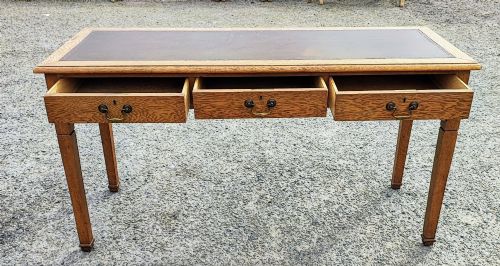
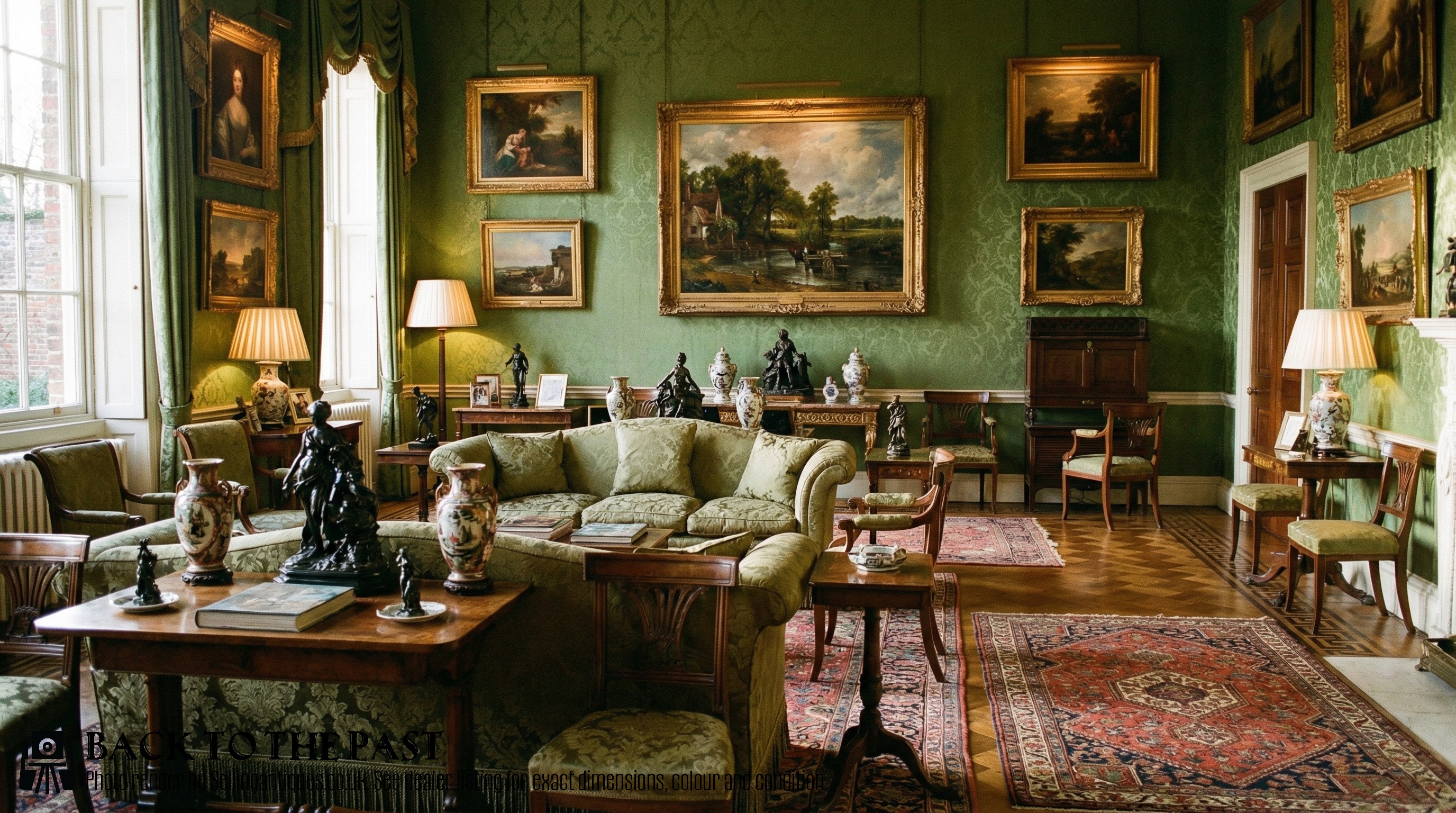
A vintage oak writing desk brings utilitarian grain and solid construction into a room, offering a dedicated surface for correspondence and daily tasks.
Vintage Oak Writing Desk
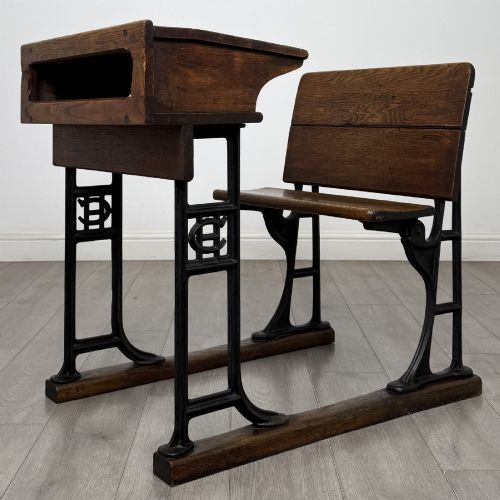
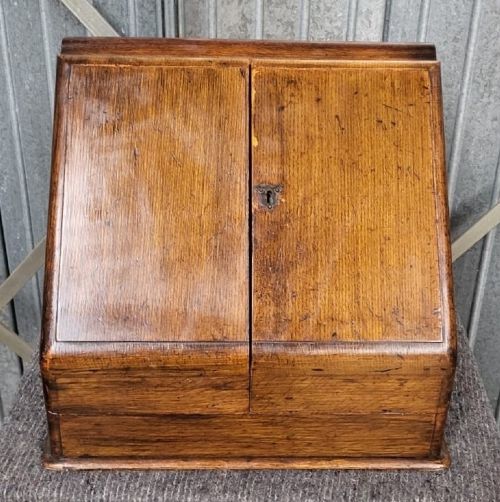
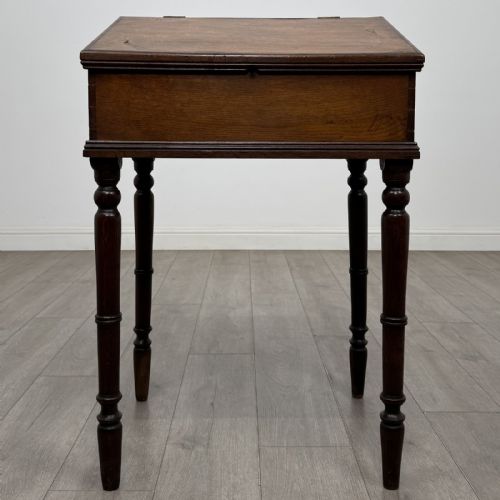
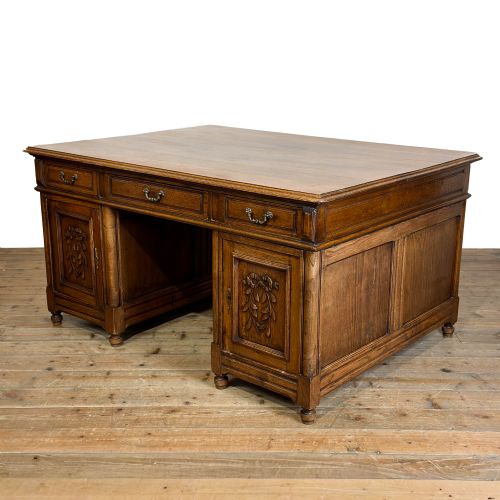
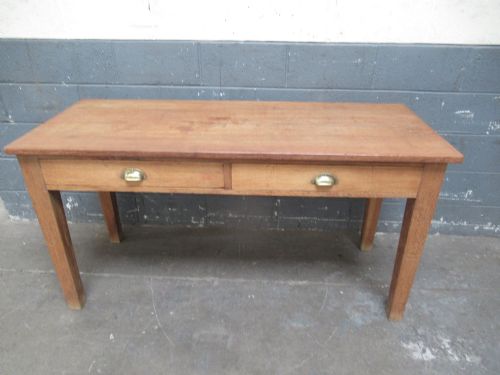
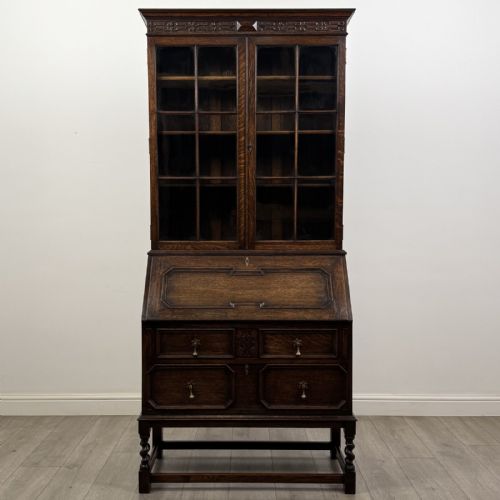
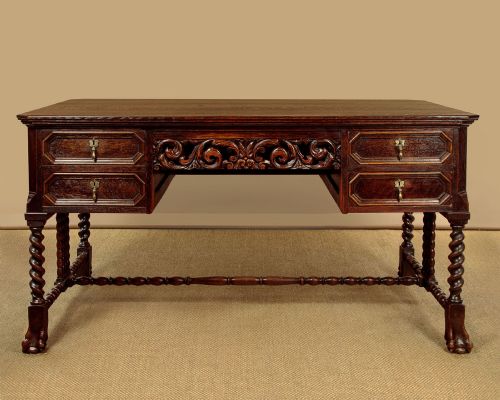
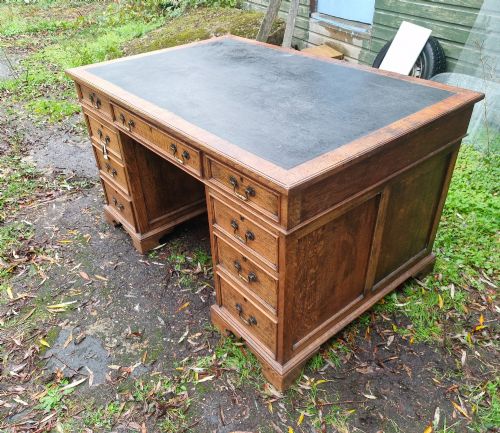
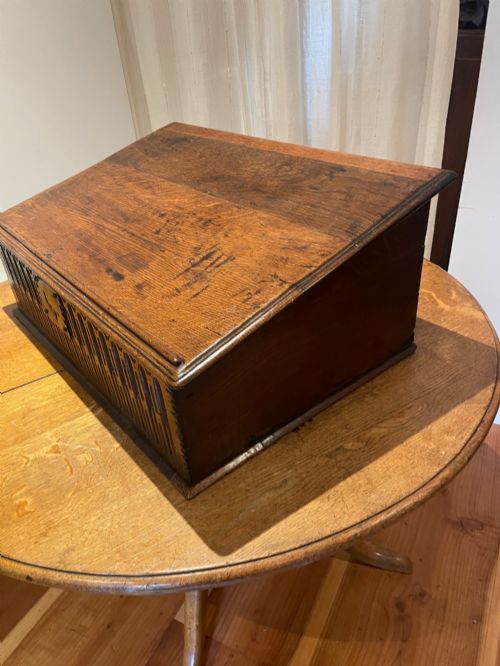
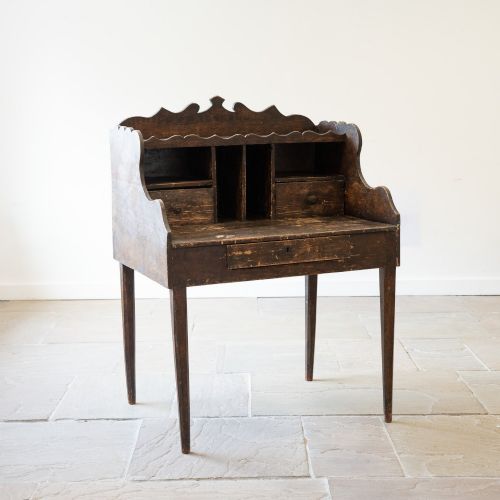
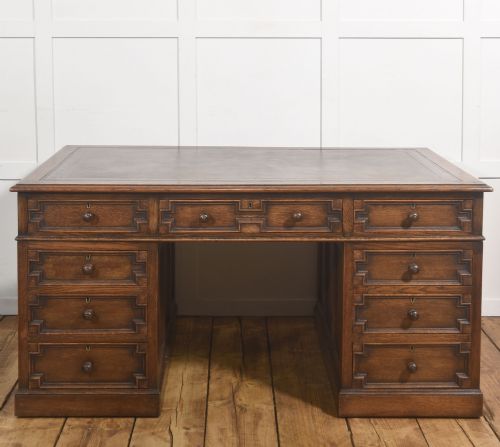
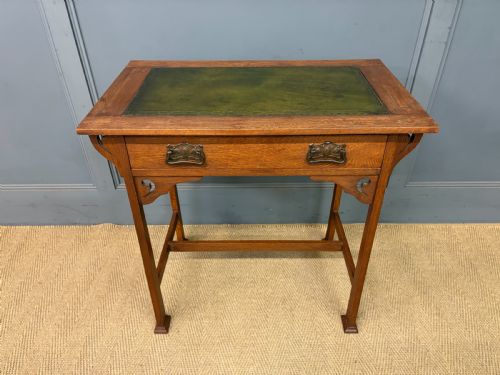
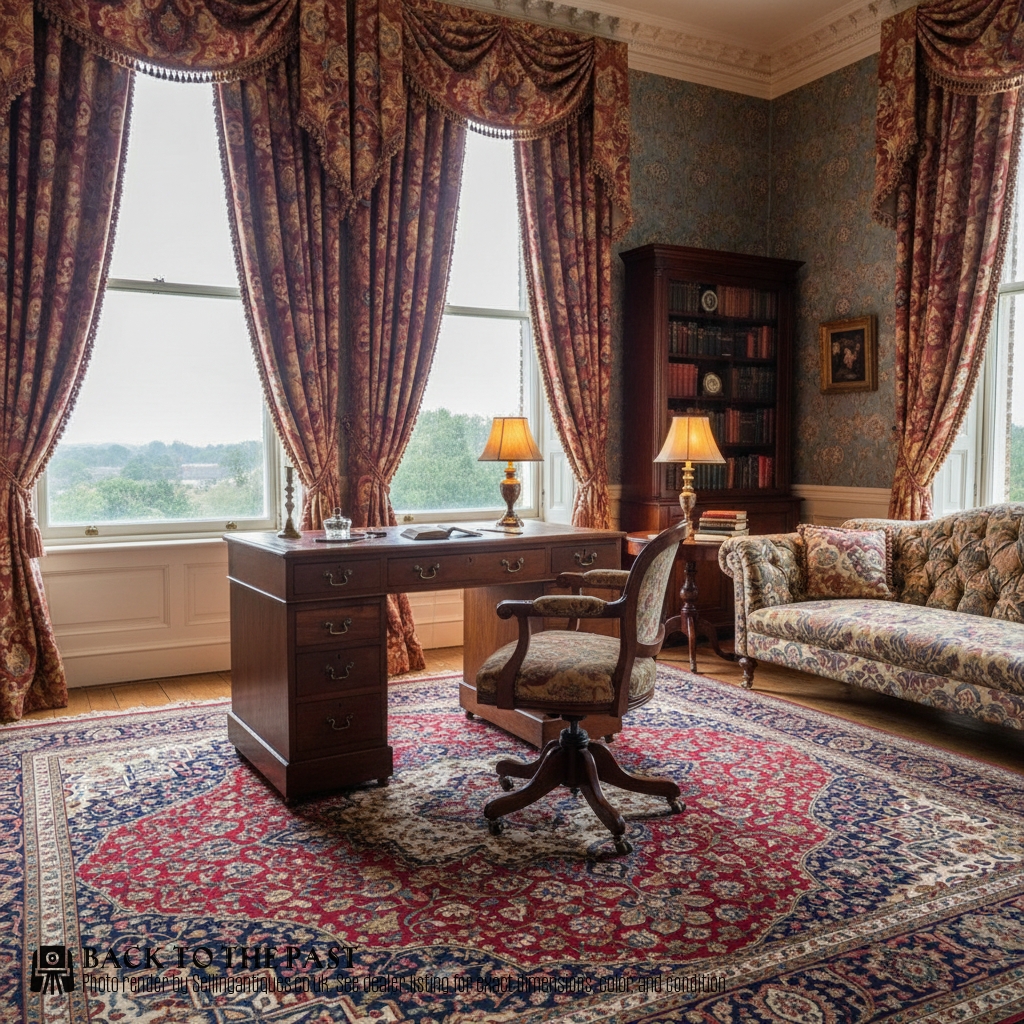
A vintage oak writing desk encompasses various functional formats, from simple writing tables and side tables to elaborate pedestal desks and bureau bookcases. Buyers seeking a vintage oak writing desk will frequently encounter Edwardian and 1920s examples alongside Victorian and earlier iterations.
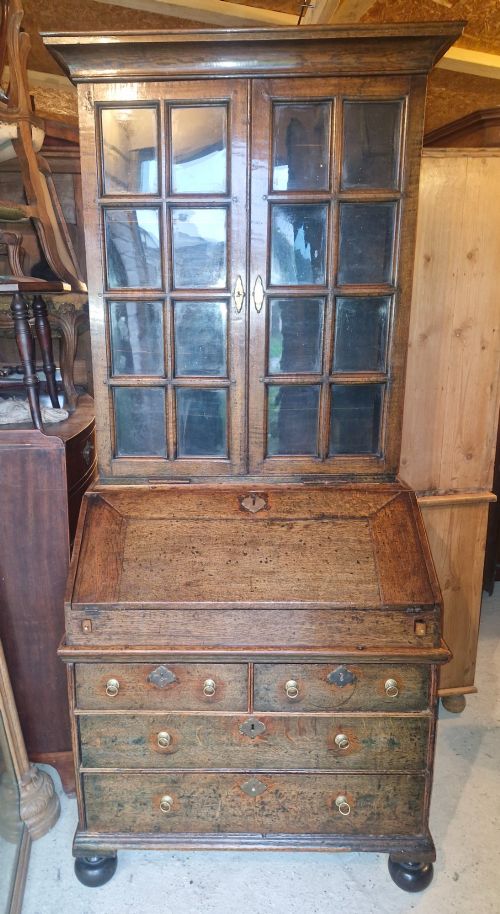
The inventory ranges from compact drop-side tables and small writing desks to large library tables and multi-drawer pedestal desks. Bureau variants featuring fall-front writing surfaces and glazed upper bookcases also appear regularly within the selections.
Stylistic influences span from Arts and Crafts and Art Deco to Jacobean Revival and Tudor Revival. Solid oak construction predominates, often complemented by brass handles, leather inserts, and occasionally glass or iron fittings.
Assessing the Standard
The standard of a piece rests on the selection of the timber, the crispness of any carved detailing such as linenfold motifs, and the integrity of the structural joints. Superior examples display thoughtful grain matching and robust construction that withstands decades of use.
Maker attribution and original labelling elevate certain pieces, particularly those associated with specific workshops or known retail houses. The refinement of secondary details, including fitted interior drawers within bureaux and quality brass hardware, distinguishes finer examples from utilitarian office furniture.
Vintage Oak Writing Desk Retail Price Guide 2026
Typical asking prices for vintage oak writing desk among the pieces listed under this phrase on Sellingantiques today, from the lower quarter to the upper quarter. They describe what is for sale here now, not the wider market.
Listings feature oak furniture spanning the 18th century through to the 1930s, encompassing Edwardian, Victorian, and Georgian periods.
Heals of London·Arthur Basil Reynolds·Larkin
The Vintage Oak Writing Desk Glossary
- Bureau
- A desk featuring a hinged fall-front panel that drops down to create a writing surface, typically concealing small drawers and pigeonholes inside. This form has served domestic study needs for centuries.
- Pedestal desk
- A heavy freestanding desk supported by two banks of drawers beneath the work surface. These large pieces provide substantial storage capacity.
- Linenfold
- A style of carved wooden panelling that resembles folded vertical folds of cloth. It appears frequently on Edwardian oak furniture.
- Rolltop desk
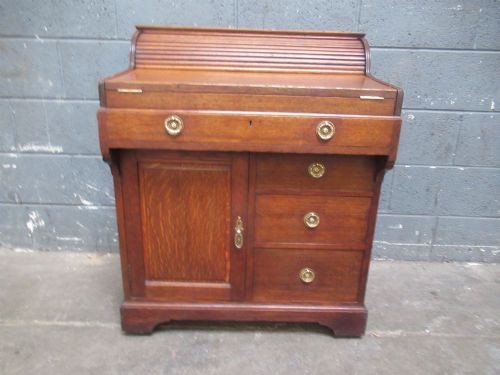
- A desk fitted with a flexible slatted wooden tambour top that pulls down to enclose the writing area and pigeonholes. It offers a secure method for concealing working papers.
- Arts and Crafts
- A design movement prioritising traditional craftsmanship, visible construction, and simple forms over mass-produced ornamentation. Pieces from this tradition often emphasise the natural grain of the oak.
Vintage Oak Writing Desk: Frequently Asked Questions
How do I care for an oak writing desk?
Maintain the timber by applying appropriate furniture wax periodically to nourish the grain and protect the surface from drying out.
Avoid placing the desk near direct heat sources or in strong sunlight, which can warp solid oak and fade any leather writing inserts.
What is the difference between a bureau and a pedestal desk?
A bureau uses a sloping fall-front board that pulls down to reveal internal pigeonholes and small storage compartments.
A pedestal desk provides a fixed flat writing surface supported by two vertical stacks of drawers running down to the floor.
Can I use a vintage desk for a modern computer?
Many vintage writing tables and pedestal desks offer sufficient surface area for a laptop and writing materials.
Check the kneehole height and drawer clearances beneath the desk top to ensure adequate legroom and comfortable seating.
How do I identify an Arts and Crafts desk?
Arts and Crafts desks display honest construction techniques, visible joinery, and a focus on the natural qualities of the oak timber.
Decorative elements are often minimal, relying on hand-carving or hammered copper and brass hardware rather than heavy applied ornamentation.