

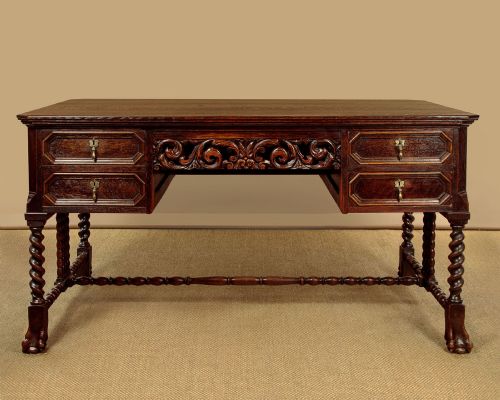

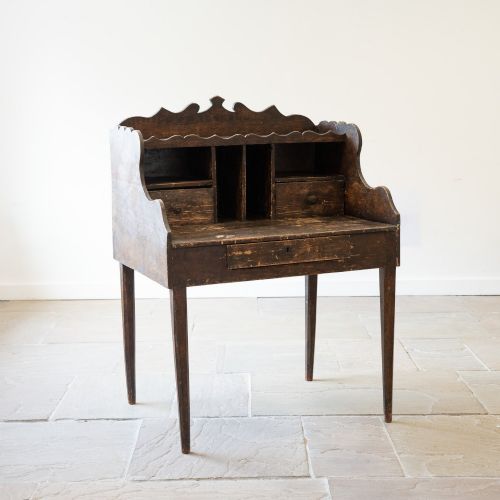
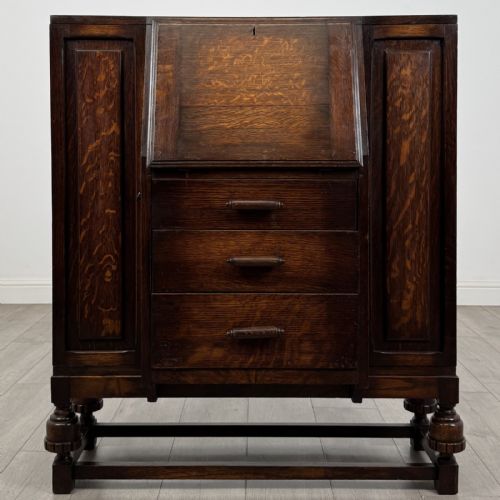
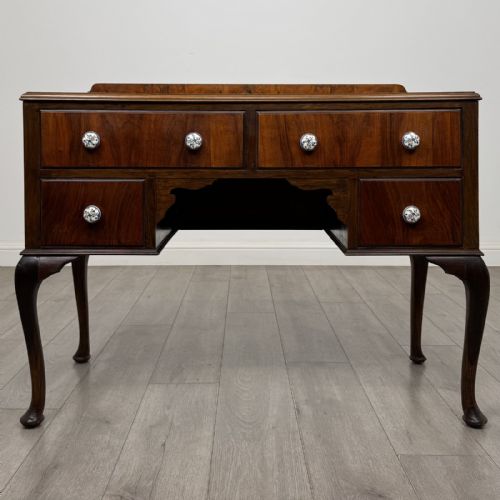
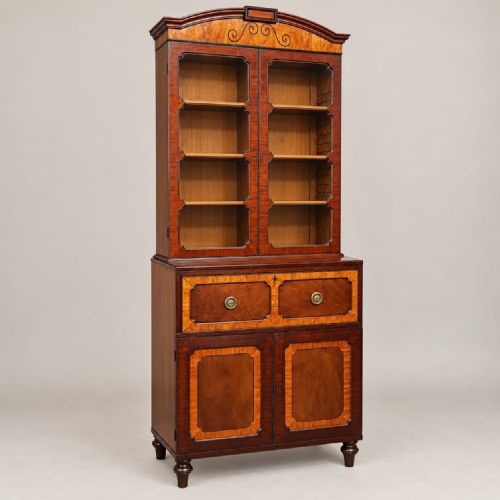
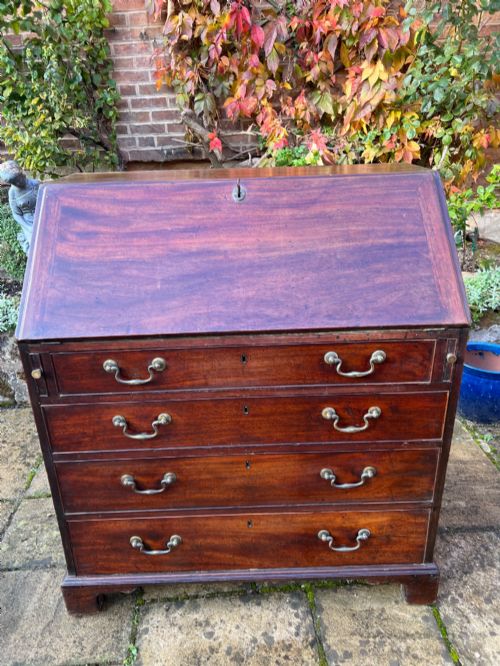
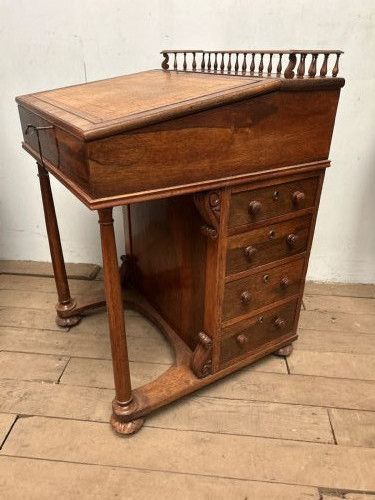
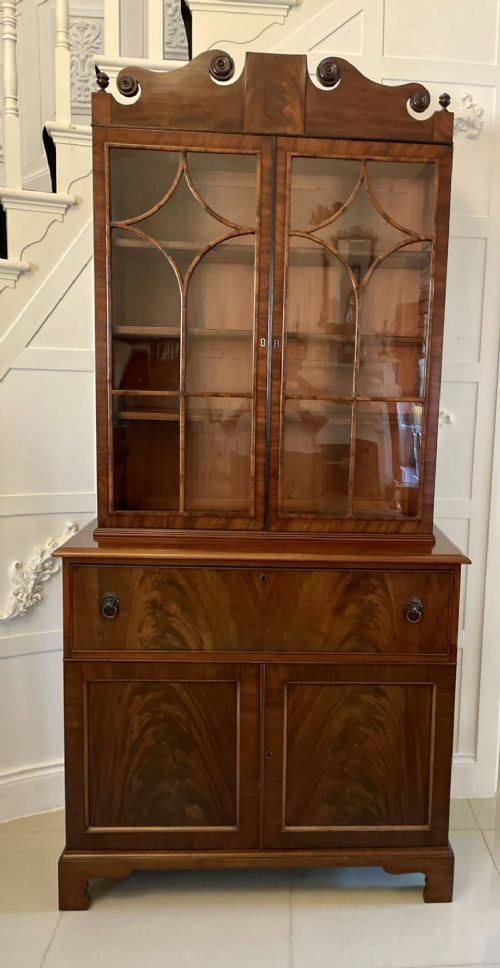
Dark Wood Writing Bureau
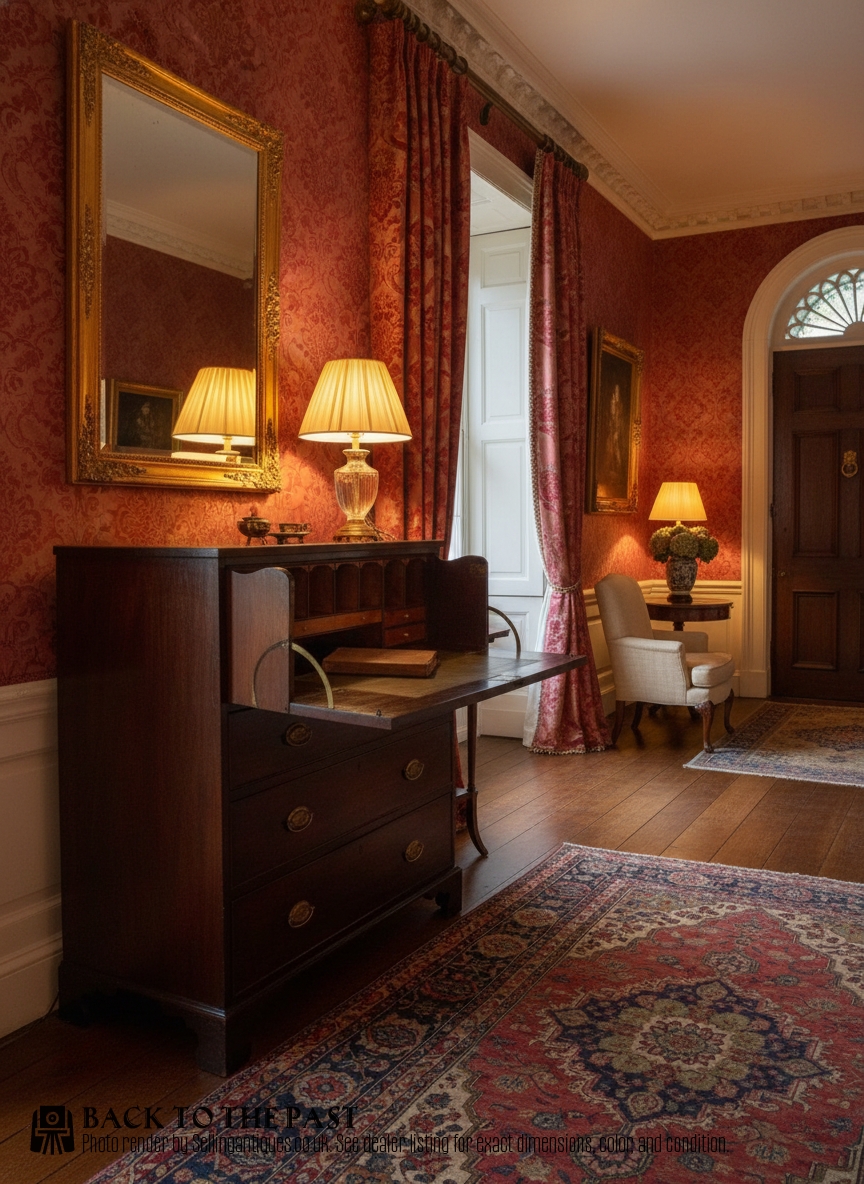
A dark wood writing bureau offers a practical workspace and enclosed storage, bringing rich grain and traditional craftsmanship into daily study.
Dark Wood Writing Bureau
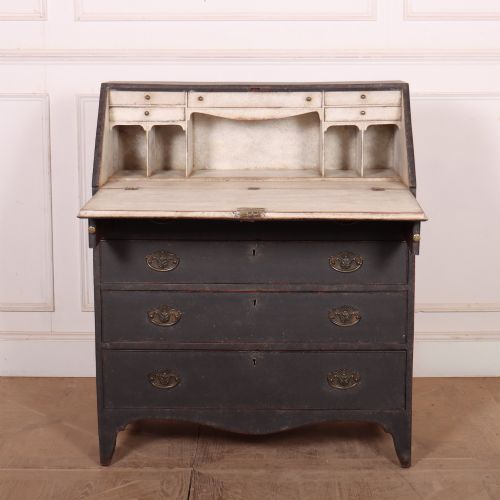
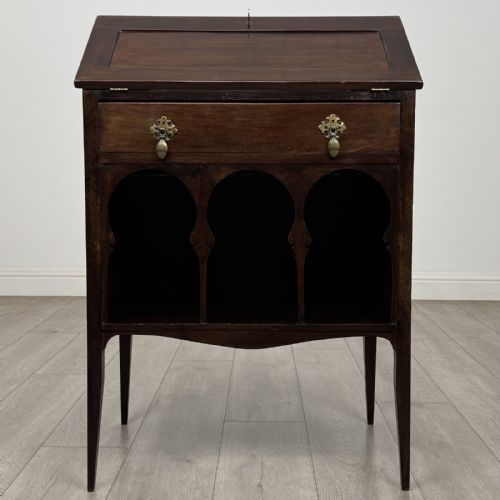
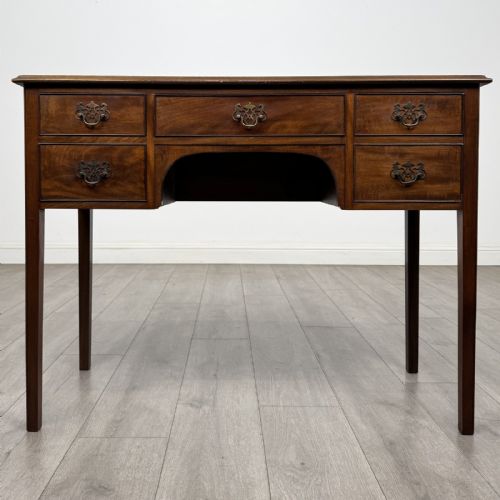
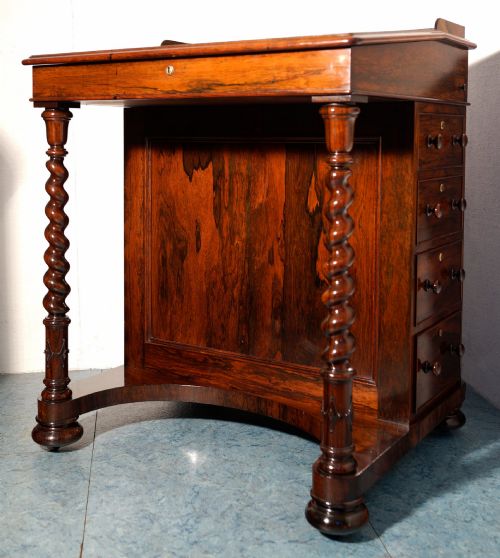
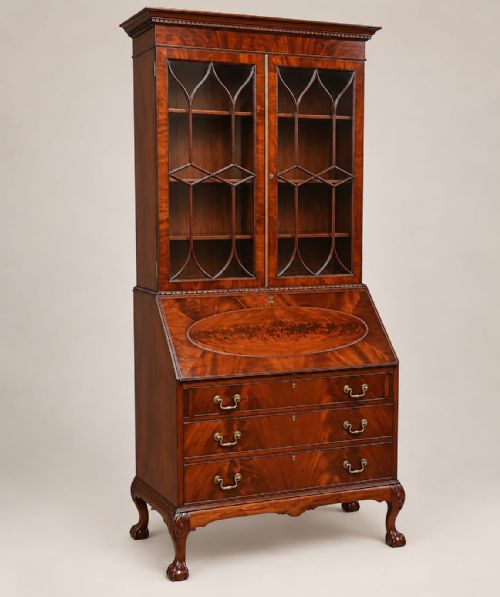
A dark wood writing bureau combines a sloping fall-front or writing drawer with internal pigeonholes and drawers, providing a private station for correspondence and administration. These items appear across several centuries, including Georgian, Regency, Victorian, and Edwardian eras, reflecting changing domestic habits.
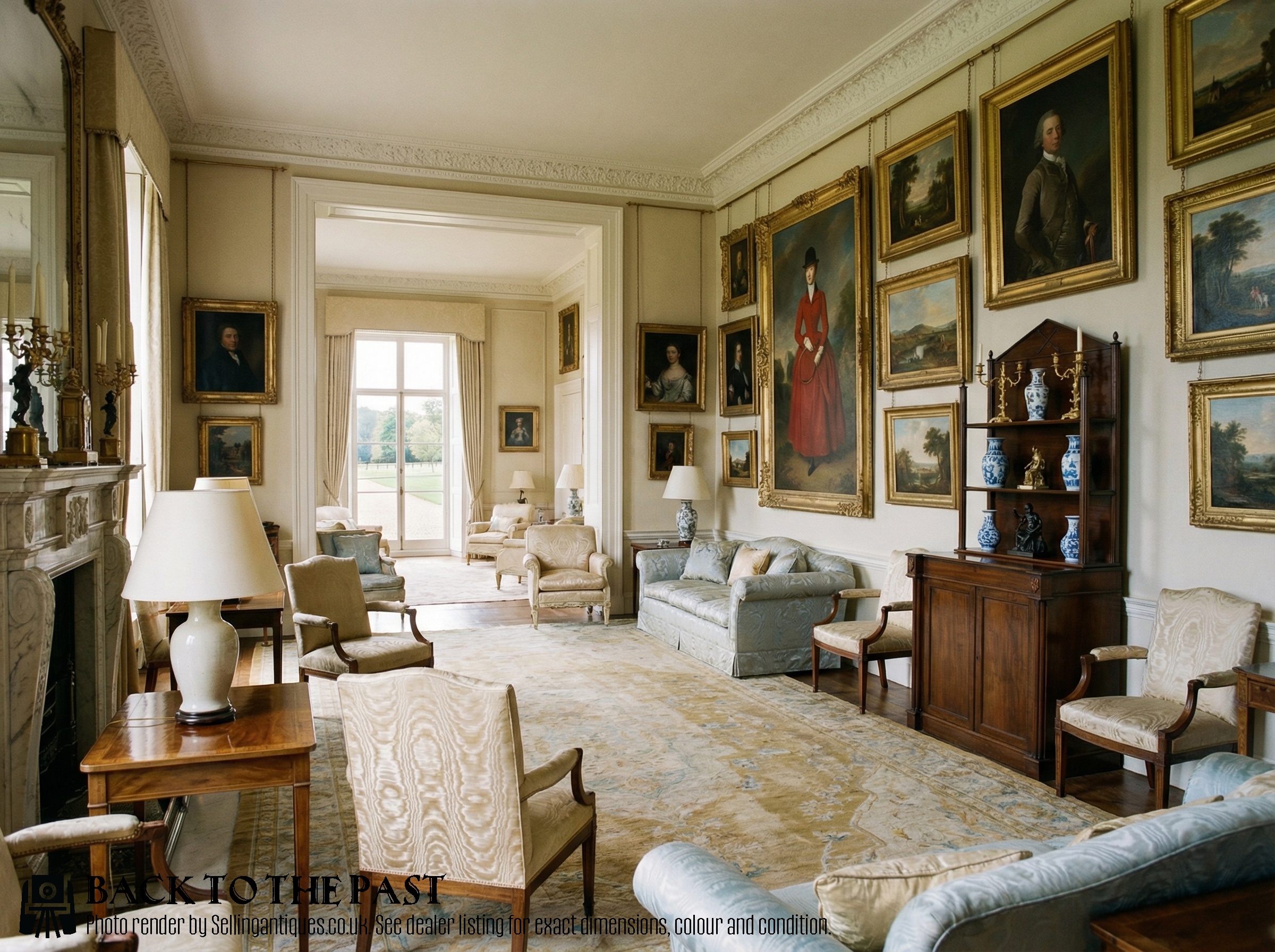
Buyers seek these furnishings for their architectural presence and concealed compartments, which hide modern paperwork behind period facades. The integration of writing slides, tambour shutters, and fitted interiors makes each variation suited to traditional and contemporary rooms alike.
Materials and Construction Techniques
Makers relied on dense hardwoods such as mahogany, oak, rosewood, and kingwood, often selecting figured veneers and flame mahogany to display rich grain patterns across large surfaces. Solid timbers formed the structural frames, bracket feet, and writing surfaces, while brass hardware and leather inserts added functional contrast.
Joinery techniques included dovetailed drawer construction and panelled framing, ensuring stability for heavy fall-fronts and tall bookcase sections. Interior compartments featured complex miniature drawers and hidden pigeonholes assembled with traditional animal glues and hand-cut joints.
Dark Wood Writing Bureau Retail Price Guide 2026
Typical asking prices for dark wood writing bureau among the pieces listed under this phrase on Sellingantiques today, from the lower quarter to the upper quarter. They describe what is for sale here now, not the wider market.
Current listings feature dark wood writing bureaus spanning the Georgian, Regency, Victorian, and Edwardian eras, constructed primarily in mahogany and oak.
Distinctions in Execution and Detail
Quality rests in the selection of timber veneers and the precision of the internal fittings, where secondary woods like oak or pine are concealed beneath superior primary woods. Master workshops achieved seamless movement in tambour shutters, secret compartments, and drop-front mechanisms.
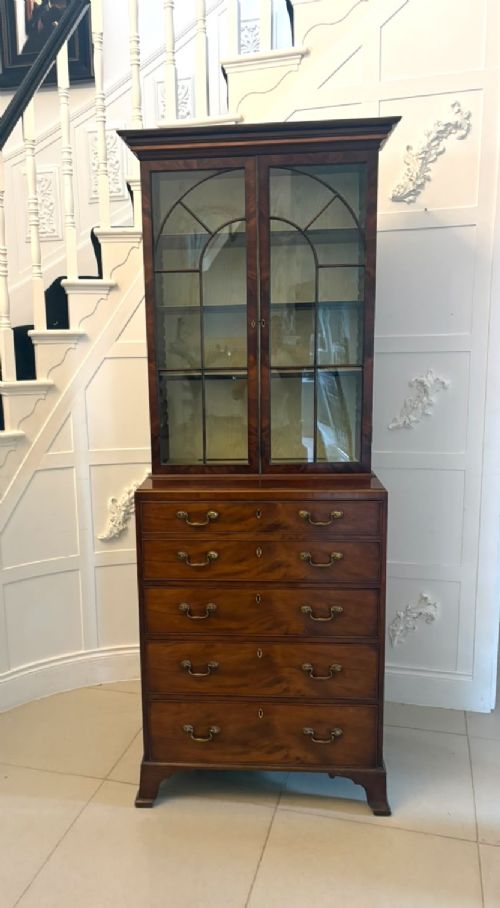
Carved ornament, such as linenfold panels or astragal glazing bars on upper bookcases, demonstrates the hand of a skilled cabinetmaker rather than mass-produced execution. Original brasses, fitted leather writing surfaces, and intact structural integrity further separate standard utilitarian desks from exceptional library pieces.
George Oakley·Gillows·Maison Krieger
The Dark Wood Writing Bureau Glossary
- Bureau
- A writing desk featuring a sloping fall-front flap that opens to reveal small drawers and pigeonholes. This term also describes certain types of desk with writing drawers.
- Secretaire
- A piece of furniture containing a pull-out or drop-front drawer fitted for writing. These units often form the middle section of tall bookcase cabinets.
- Tambour
- A sliding shutter constructed from narrow vertical strips of wood glued to a canvas backing. It conceals internal compartments on cylinder desks and writing cabinets.
- Astragal
- Moulding profiles used to hold panes of glass within bookcase doors. These wooden bars create geometric grid patterns across glazed upper cabinets.
- Davenport
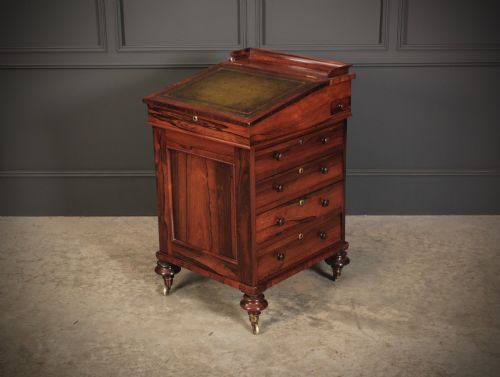
- A compact writing desk featuring a sloping top and drawers accessed from the side. This form became popular during the Regency and Victorian periods.
Dark Wood Writing Bureau: Frequently Asked Questions
How do I use a bureau desk today?
The drop-front surface provides a convenient writing shelf that conceals laptops and notebooks when closed. Internal compartments keep small stationery items organised.
Lower drawers offer substantial storage for household paperwork, allowing the furniture to function as a compact home office desk.
How should I care for dark wood surfaces?
Keep wooden writing furniture away from direct sunlight and heat sources to prevent the timber and veneers from drying out. Regular dusting with a soft cloth maintains the finish.
Period leather inserts benefit from occasional specialist conditioning to keep the material supple without damaging surrounding wood.
How do I distinguish Georgian pieces from Edwardian copies?
Georgian examples display construction methods characteristic of the 18th century, such as hand-cut dovetails and native secondary timbers inside drawers. Timber selection often favours dense, rich mahogany with deep patination.
Later Edwardian revivals may incorporate machine-sawn elements, lighter internal woods, and distinct hardware styles typical of the early 20th century.