

Edwardian Oak Bureau
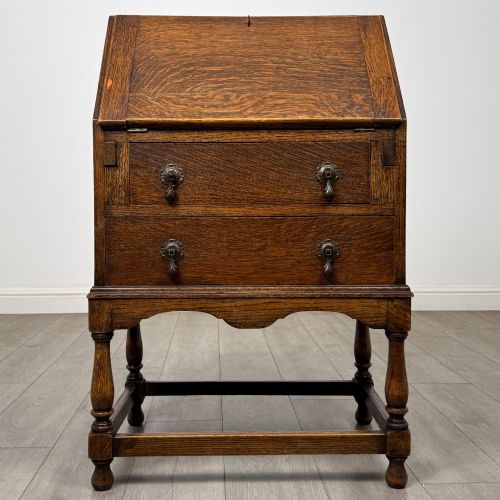
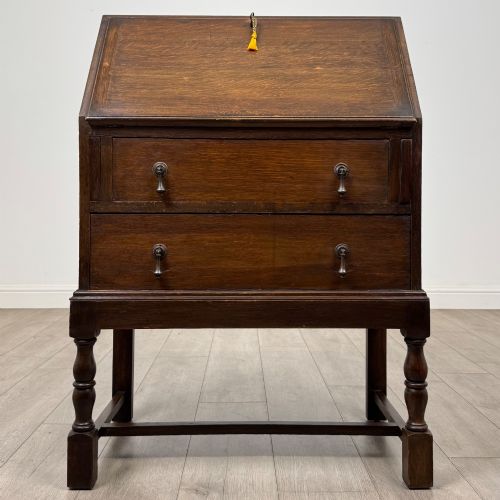
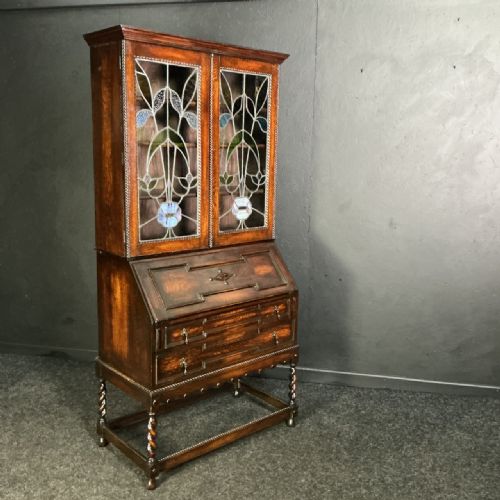
An edwardian oak bureau provides a practical writing surface with concealed compartments and drawer storage, crafted from solid timber during the early twentieth century.
Edwardian Oak Bureau
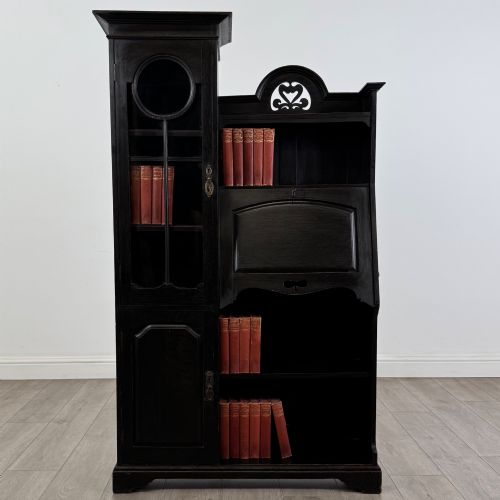
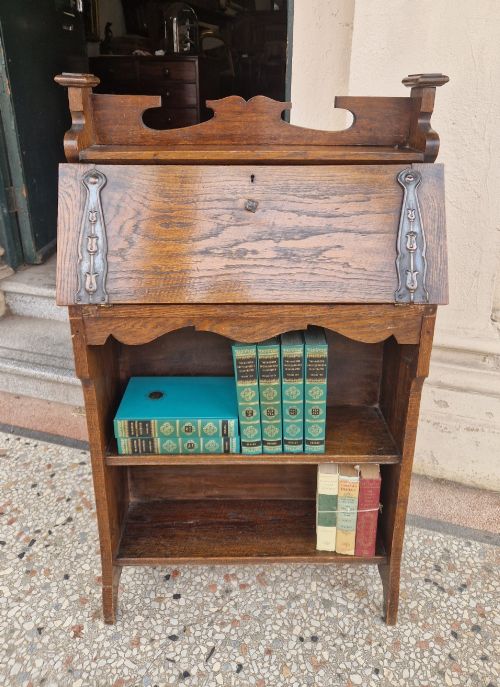
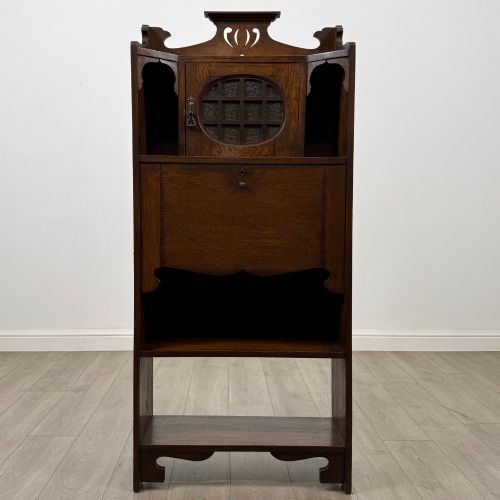
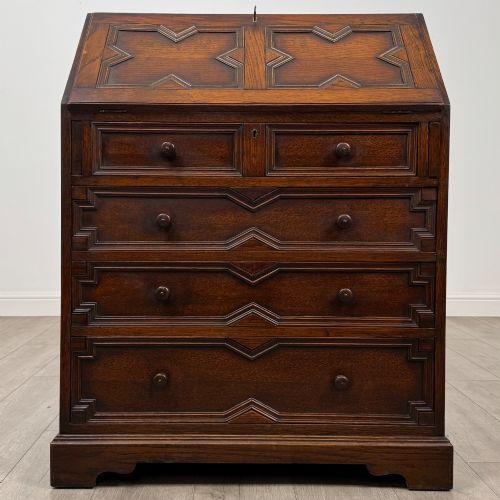
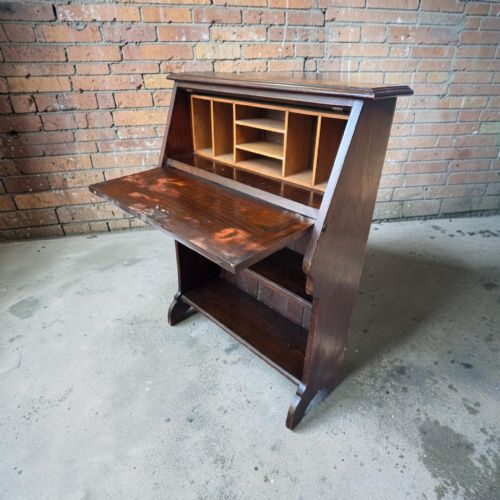
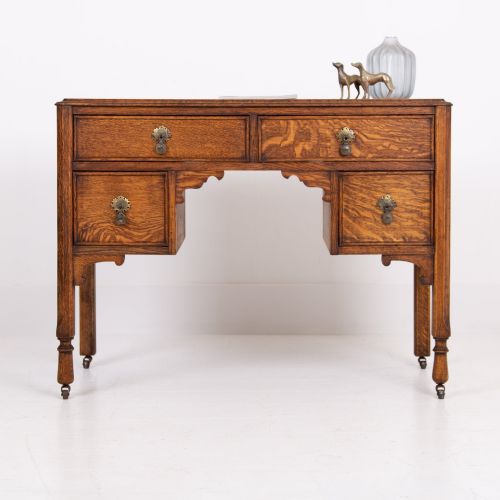
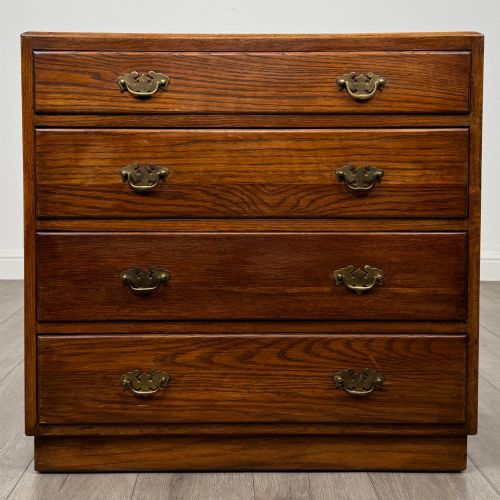
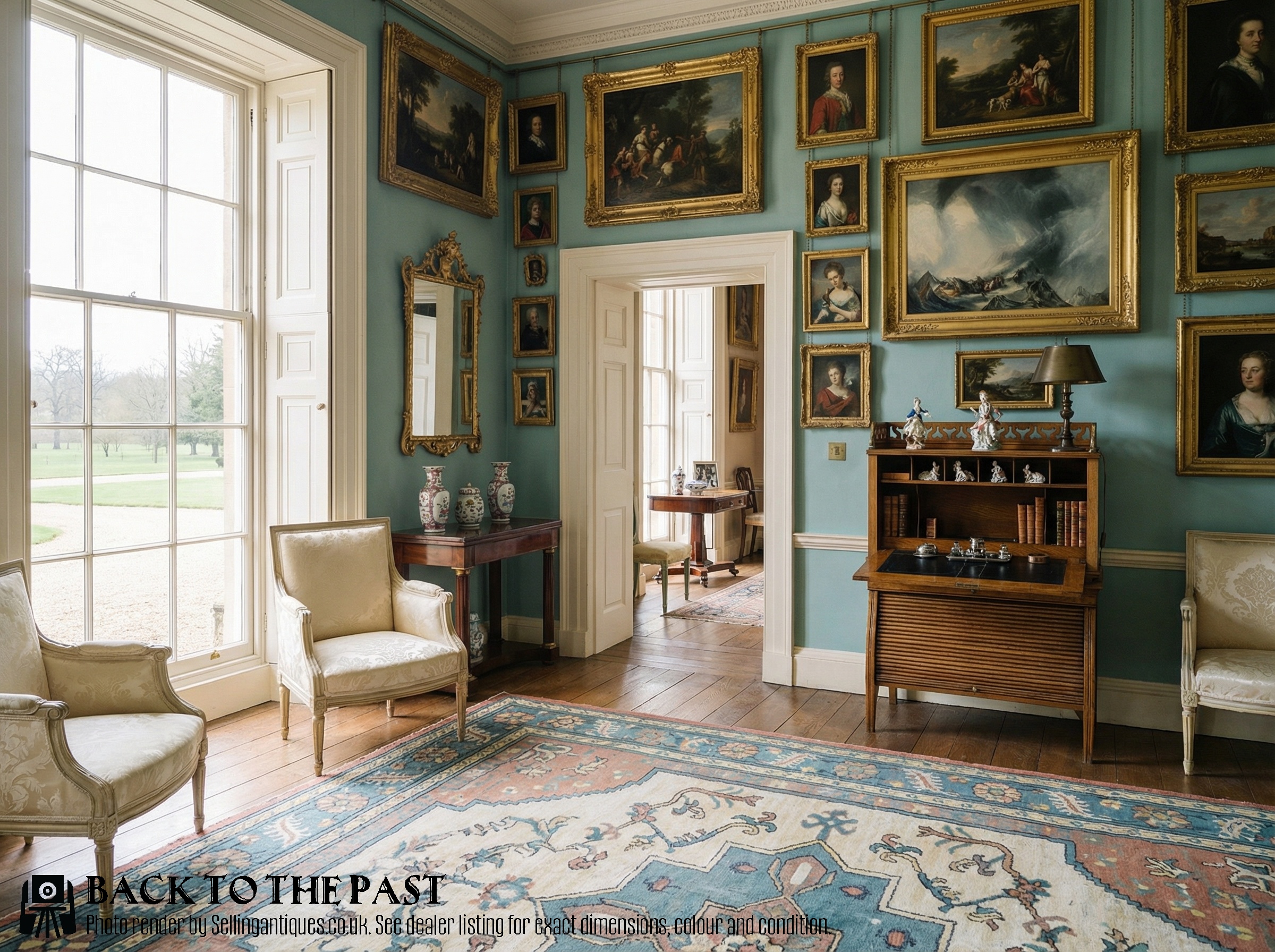
The edwardian oak bureau typically takes the form of a fall-front writing desk fitted with interior pigeonholes and small drawers above standard drawer configurations. Many examples on this page date from the early twentieth century, spanning standard edwardian production alongside related arts and crafts and revival styles.
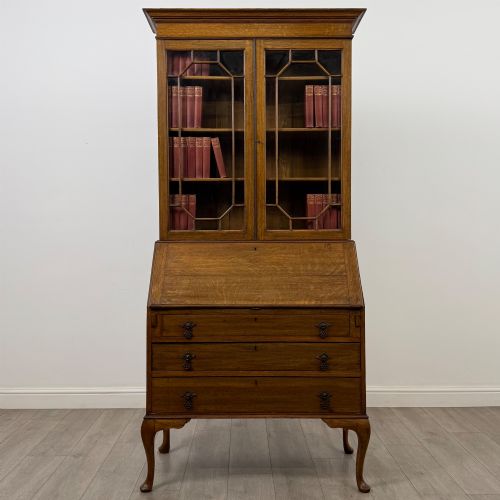
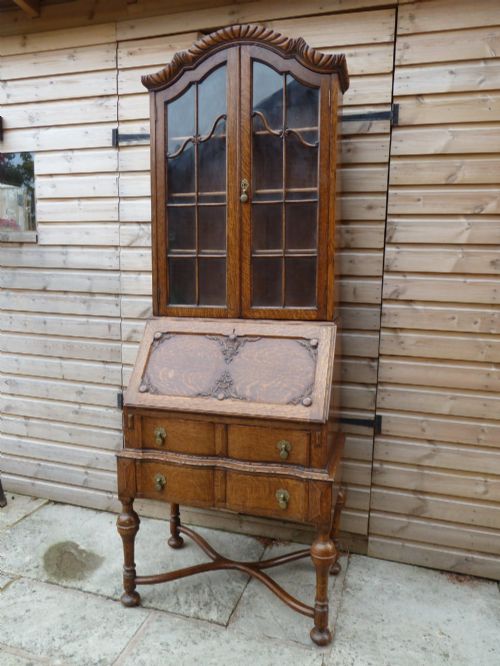
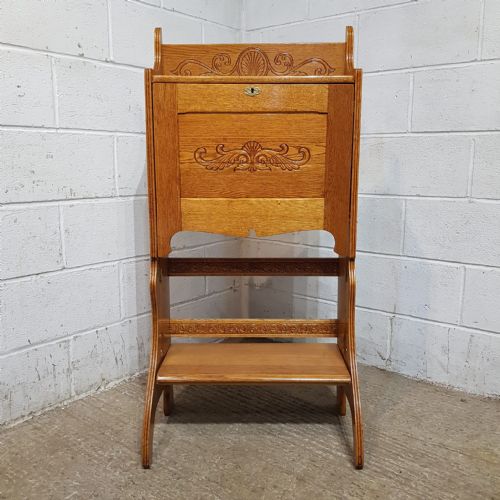
Buyers also encounter taller bureau bookcases and slim hall variants designed for compact domestic spaces. These pieces combine utilitarian writing utility with display or storage capacity, reflecting the period demand for functional domestic furniture.
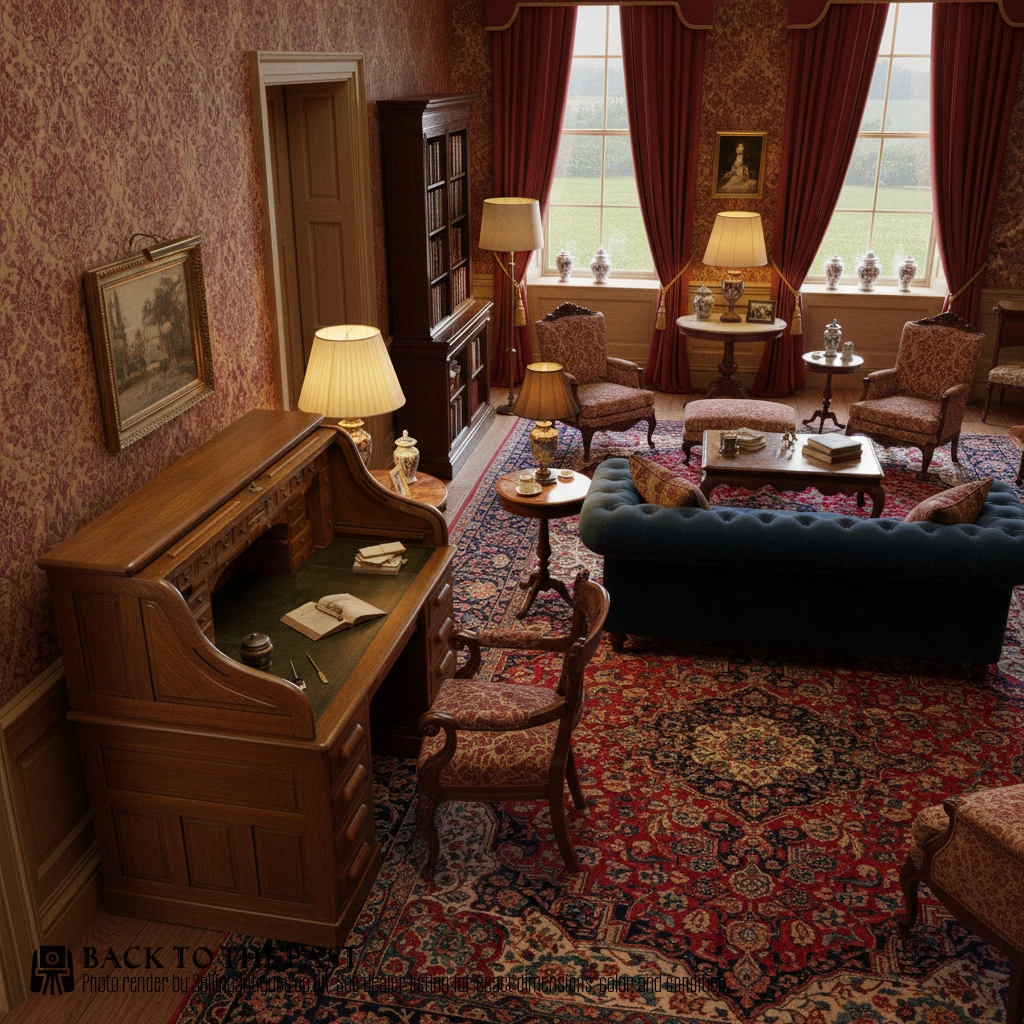
How They Were Made
Construction relies heavily on solid oak timber, frequently highlighted by golden oak grain, limed finishes, or ebonised treatments. Cabinet makers utilised traditional jointing methods to build carcases and drawer boxes, lining internal compartments with secondary woods.
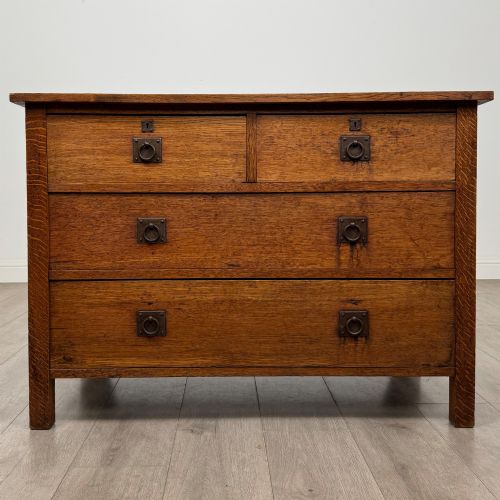
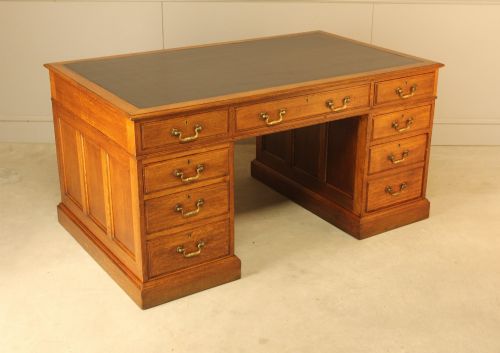
Hardware details incorporate original brass handles, iron fittings, and occasional leather writing inserts. Structural integrity depends on panelled construction, particularly within bureau fall-fronts and accompanying bookcase doors.
Edwardian Oak Bureau Retail Price Guide 2026
Typical asking prices for edwardian oak bureau among the pieces listed under this phrase on Sellingantiques today, from the lower quarter to the upper quarter. They describe what is for sale here now, not the wider market.
Materials recorded across the inventory include brass, leather, iron, and copper alongside primary oak timber.
What Varies in Quality
Quality rests upon the selection of oak timber, the grain consistency, and the depth of carved or inlaid ornamentation. Superior pieces demonstrate crisp dovetail joinery in the drawers and intact internal fittings such as secret compartments and original keys.
Proportion and execution define the hierarchy of these desks, distinguishing standard utility models from finely detailed arts and crafts or marquetry-inlaid variants. Maker attribution, through stamps or labels, further separates ordinary production from workshop examples.
Heals·Lebus·Jenners
The Edwardian Oak Bureau Glossary
- Bureau
- A writing desk featuring a sloping hinged lid that drops down to form a writing surface. It conceals a fitted interior with small drawers and pigeonholes.
- Bureau Bookcase
- A combined furniture form featuring a bureau base surmounted by an enclosed shelving section with glass or wooden doors. This dual-purpose item maximises vertical storage in domestic interiors.
- Arts and Crafts
- A design movement prioritising honest construction, visible hand-craftsmanship, and simple forms derived from medieval traditions. Pieces often display understated hardware and unpretentious oak surfaces.
- Golden Oak
- A bright, warm timber tone achieved through specific finishing techniques applied to oak furniture during the late nineteenth and early twentieth centuries. It highlights the natural medullary rays within the wood.
- Tambour
- A flexible sliding shutter formed from narrow strips of wood glued to a canvas backing. It provides smooth access to roll top desk interiors.
Edwardian Oak Bureau: Frequently Asked Questions
What is an edwardian oak bureau?
An edwardian oak bureau is a compact writing desk featuring a hinged fall-front lid that opens to reveal internal compartments and small drawers.
Below this writing flap, standard configurations include chests of drawers or open shelving units tailored for domestic studies and hallways.
How do I identify arts and crafts styles?
Arts and crafts variants display simplified architectural lines, exposed joinery, and an emphasis on the natural grain of the timber rather than heavy applied ornamentation.
Hardware on these pieces often consists of hammered brass or iron drop handles rather than ornate cast brass plates.
Where were bureaus placed in homes?
These desks served primarily in reception rooms, libraries, and narrow hallways where space efficiency mattered.
Tall bureau bookcases functioned as combined writing stations and an area to display household volumes behind glazed doors.
How do I care for oak furniture?
Maintain oak surfaces by dusting with a dry cloth and occasionally applying traditional beeswax to nourish the timber grain.
Keep wooden items away from direct heat sources and strong sunlight to prevent timber shrinkage and finish cracking.