

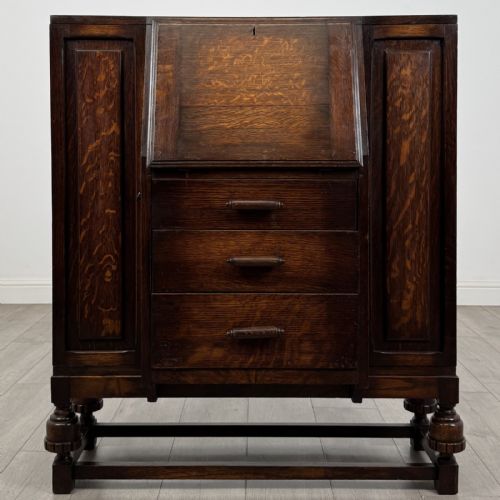
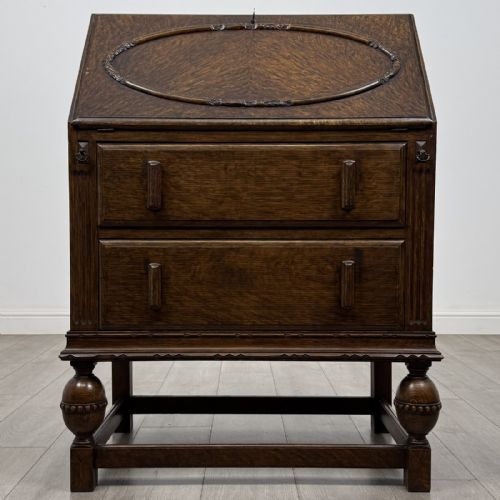
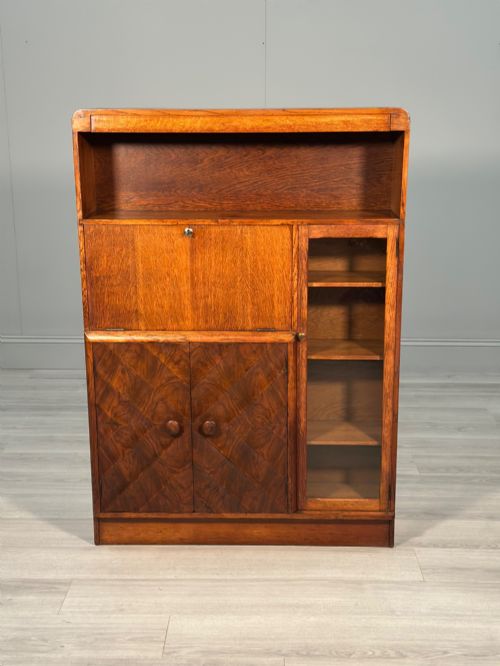
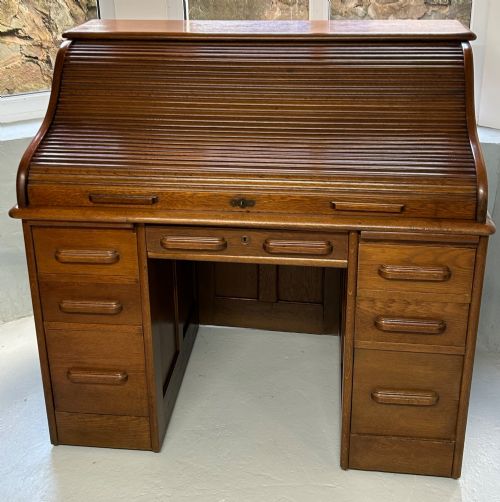
Vintage Oak Writing Bureau
A vintage oak writing bureau brings practical workspace and traditional character into a room, offering a fitted fall-front desk that conceals letters and paper.
Vintage Oak Writing Bureau
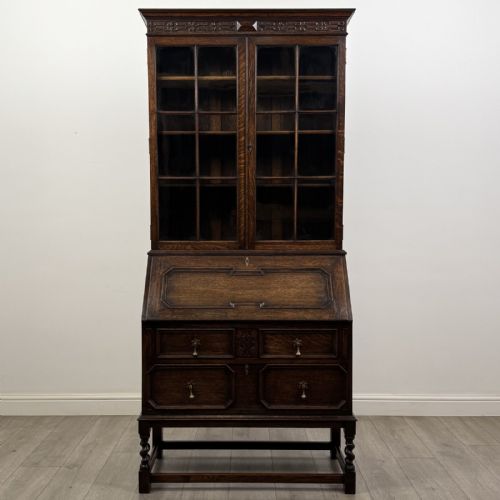
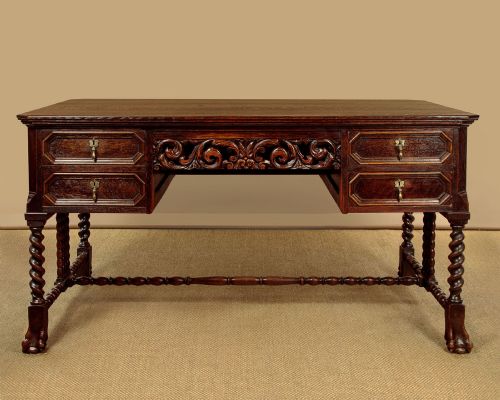
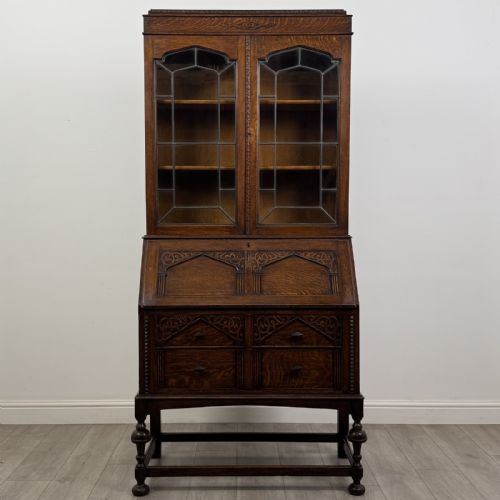
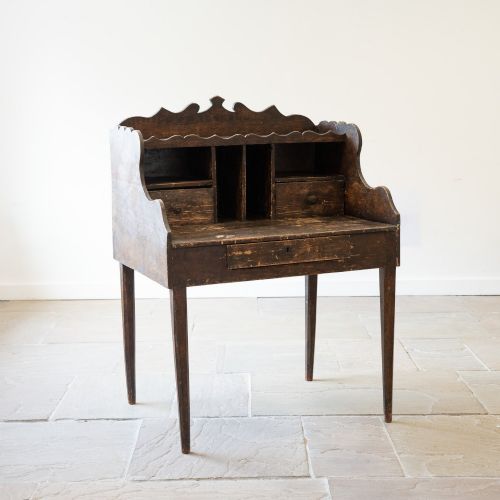
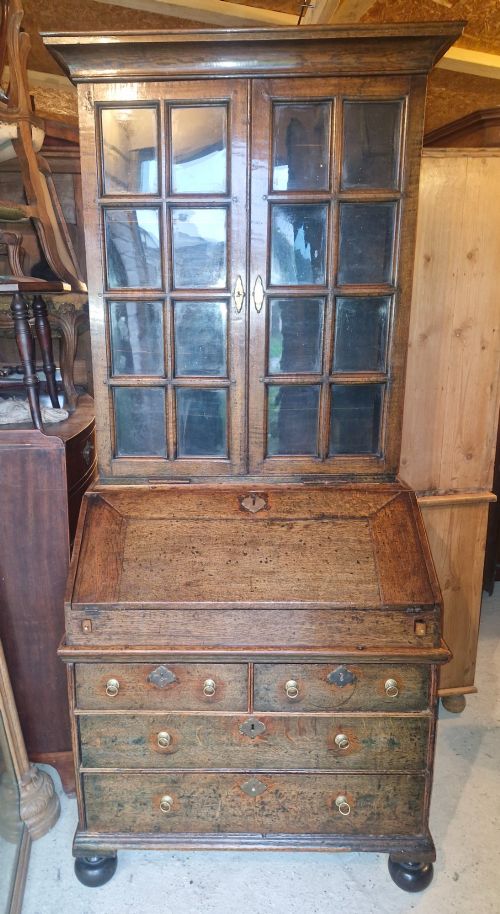
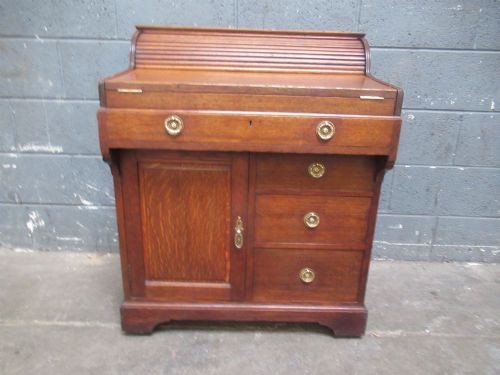
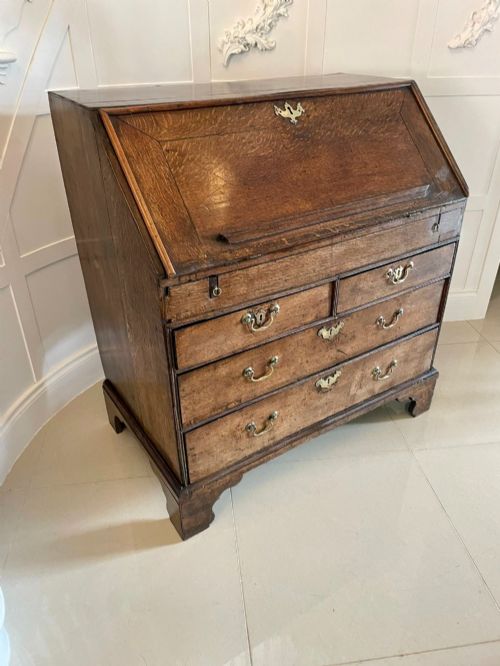
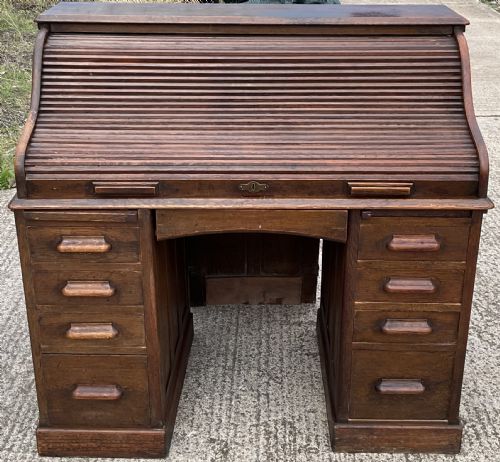
A vintage oak writing bureau is primarily a fall-front desk used for correspondence and paperwork, designed with internal pigeonholes and small drawers. When searching for this form, buyers encounter pieces spanning the Edwardian period, the 1920s, the 1930s, and the Georgian era. The selection includes tall bureau bookcases with glazed upper sections as well as compact writing desks and kneehole variations.
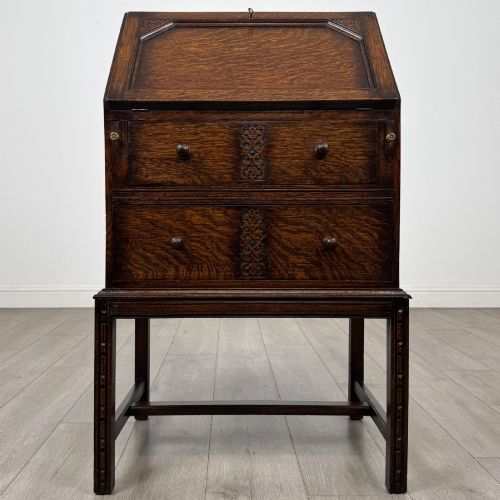
The Edwardian iterations and pieces from the 1920s and 1930s appear most frequently in this collection. These items frequently incorporate styles such as Jacobean Revival, Arts and Crafts, and Tudor Revival alongside plain golden oak finishes. Interior layouts vary from simple pigeonholes to complex arrangements of small drawers hidden behind the sloping fall-front lid.
Distinctions in quality and execution
Quality separates through the selection of timber grain, the crispness of hand-carved linenfold details, and the integrity of the internal fittings. Superior pieces utilise solid figured oak throughout rather than thin veneers over secondary woods, maintaining structural rigidity across the fall-front hinges and drawer runners.
The execution of the interior stationery compartments marks another distinction, where finer workshops provided secret compartments, shaped pigeonholes, and finely dovetailed drawer boxes. Maker attribution, such as labels from recognised firms, further elevates a piece above standard commercial production.
Vintage Oak Writing Bureau Retail Price Guide 2026
Typical asking prices for vintage oak writing bureau among the pieces listed under this phrase on Sellingantiques today, from the lower quarter to the upper quarter. They describe what is for sale here now, not the wider market.
Many a writing bureau hides secret internal drawers behind sliding pigeonholes, originally designed for stashing love letters or household money.
Heals of London·Arthur Basil Reynolds·Stanley Webb Davies·Bryn Mawr
The Vintage Oak Writing Bureau Glossary
- Bureau
- A desk featuring a sloping hinged lid that opens to form a writing surface above a bank of drawers. This term describes the primary form found across Edwardian and Georgian listings.
- Fall front
- The hinged sloping panel on a bureau that drops down to create the writing surface. It conceals internal pigeonholes and small compartments when closed.
- Linenfold
- A style of carved wooden panelling that resembles folded fabric, commonly seen on the exterior of Edwardian oak bureaux. This decorative motif references Tudor and Jacobean design revivals.
- Pigeonhole
- A small compartment within the interior of a bureau designed for sorting letters and papers. These compartments sit above small internal drawers inside the fall-front section.
- Kneehole desk
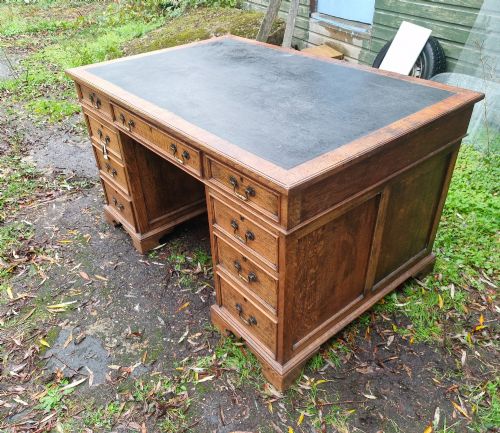
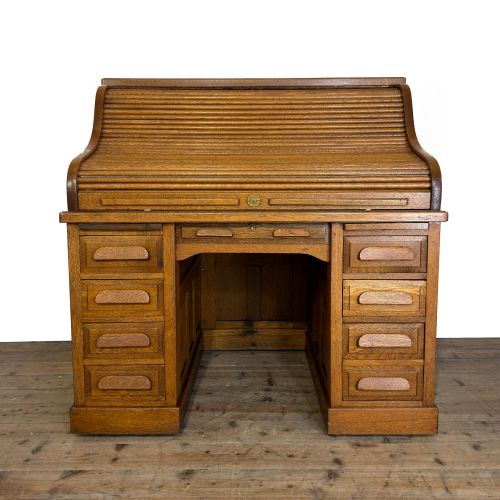
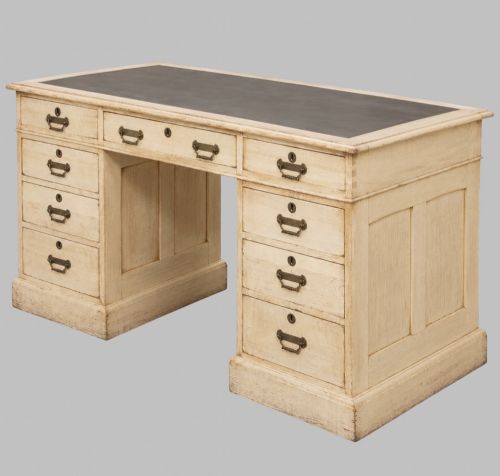
- A flat-top desk with a central recess for the user's knees, flanked by pedestals of drawers. Several variations of this form appear alongside traditional drop-front bureaux.
Vintage Oak Writing Bureau: Frequently Asked Questions
How do I use a writing bureau daily?
Lower the fall-front lid to reveal the writing surface and internal pigeonholes for laptop use, letter writing, or paperwork storage. The drop-front mechanism provides a sturdy wooden platform supported by pull-out desk arms.
When work concludes, simply gather your papers into the internal compartments and raise the lid. This action conceals clutter and restores the tidy appearance of a traditional cabinet.
What is a bureau bookcase?
A bureau bookcase combines a fall-front writing desk at the base with a glazed shelving cabinet fitted to the upper section. This tall furniture form serves both workspace and display functions within a room.
The upper glass doors protect books or ceramics from dust, while the lower desk provides functional writing space. These combination pieces require adequate vertical clearance and floor space.
How can I tell Edwardian oak from earlier periods?
Edwardian oak pieces often feature machine-sawn timber uniformity, lighter golden oak finishes, and revived styles like Jacobean linenfold carving. These items typically date from around nineteen hundred to the nineteen tens.
Earlier Georgian and eighteenth-century examples display deeper patination, hand-cut joinery marks, and simpler structural proportions without heavy revival ornamentation. Examining the drawer linings and backboards helps determine the manufacturing era.
Where should I place a bureau in my home?
Position your bureau against a sturdy interior wall with sufficient clearance in front for the fall-front lid to lower fully. Ensure the writing surface receives adequate natural or task lighting from a nearby window or lamp.
Avoid placing antique oak furniture in direct sunlight or directly against heating radiators, as temperature fluctuations can cause timber to dry and split. Maintaining stable room conditions preserves the polished oak finish.