
Traditional Oak Writing Desk
A traditional oak writing desk brings solid timber grain and practical surface space into a room, spanning centuries of British furniture making.
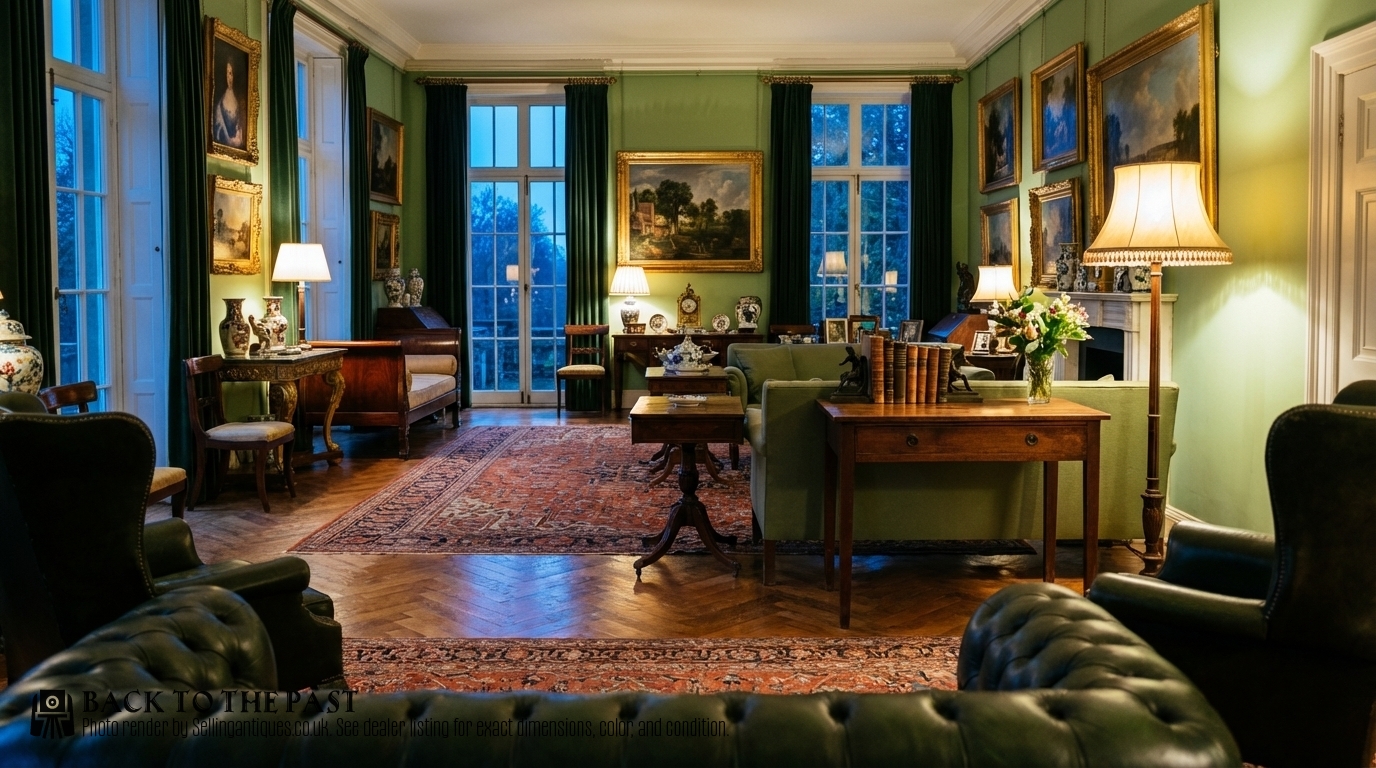
Traditional Oak Writing Desk
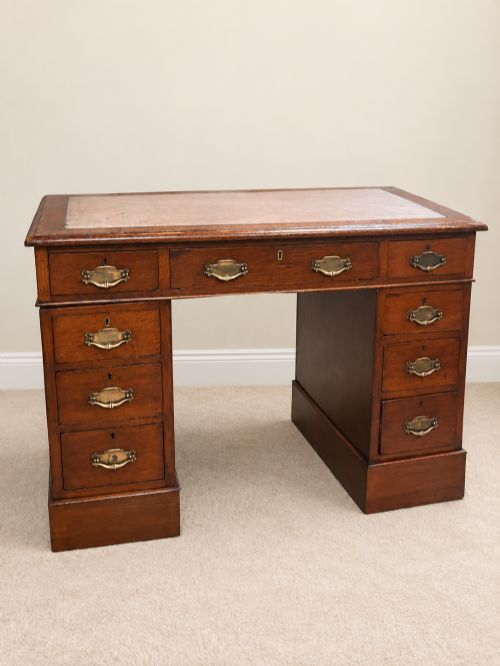
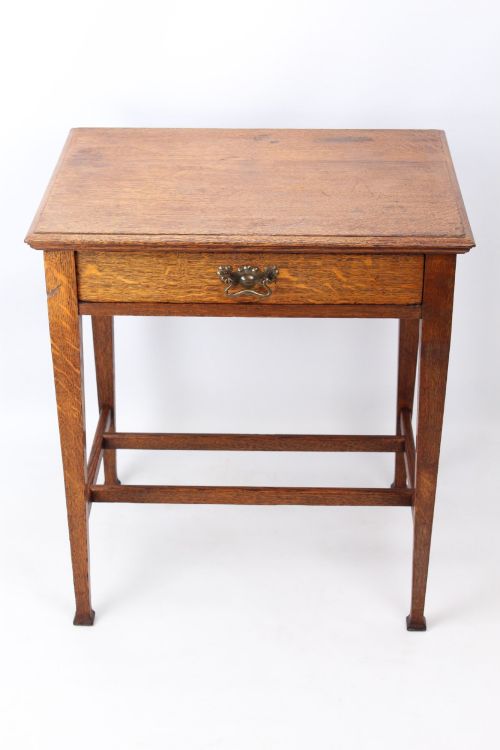
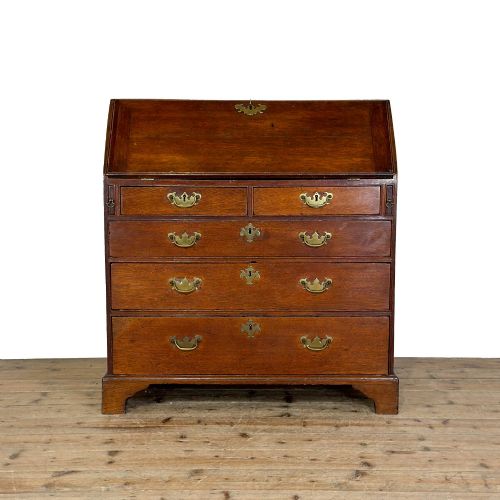
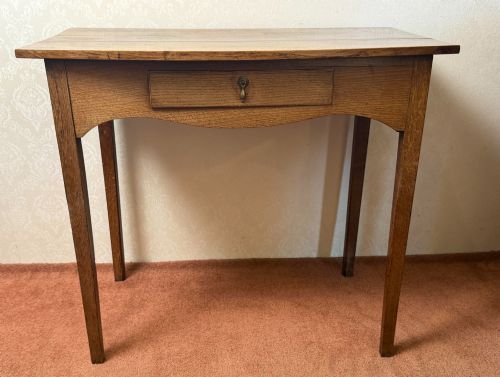
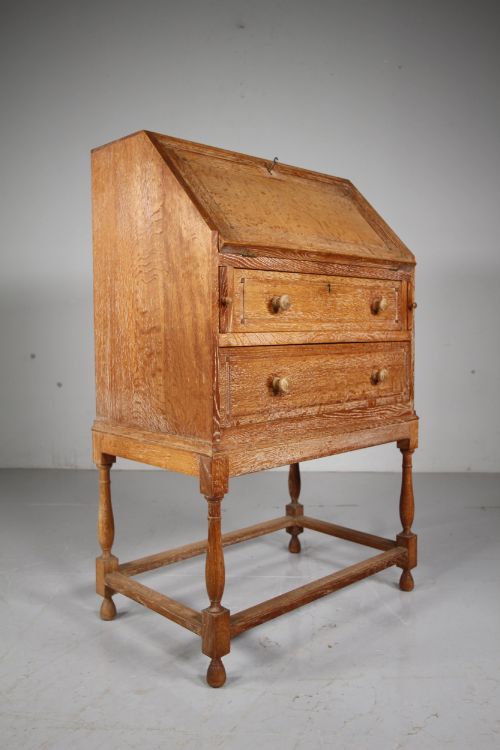
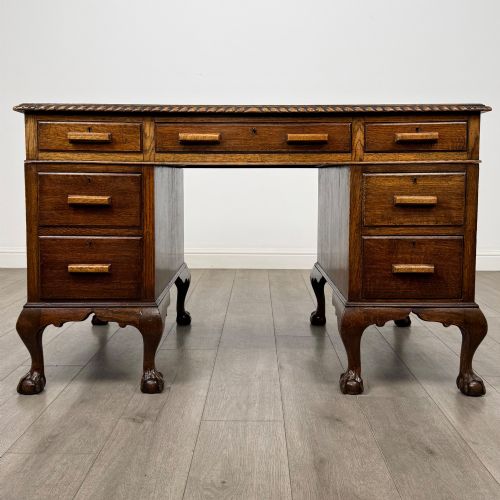
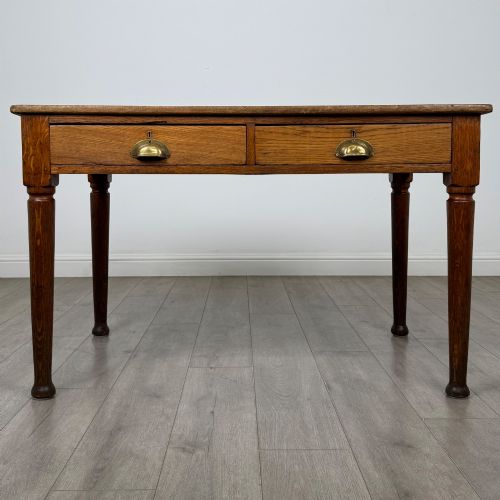
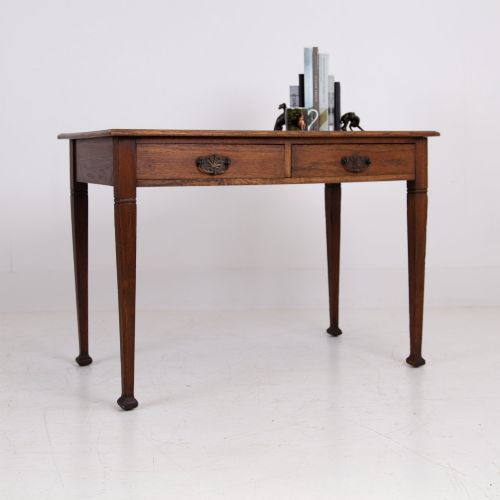
A traditional oak writing desk encompasses various practical formats designed for correspondence and paperwork, ranging from compact side tables to substantial pedestal desks and fitted bureau bookcases. When searching for a traditional oak writing desk, buyers encounter forms that span from the eighteenth century through to the Edwardian period and the early twentieth century.
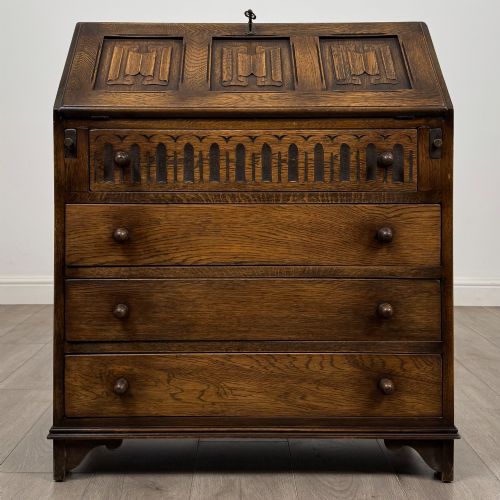
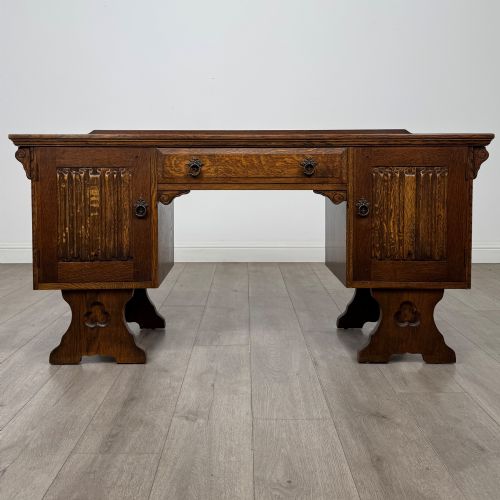
The selection frequently includes fall-front bureaux, pedestal desks with multiple drawers, and writing tables styled in Arts and Crafts, Jacobean Revival, or Georgian traditions. Solid timber construction unites these pieces, whether they originate from a provincial estate office or a London workshop.
Materials and Technique
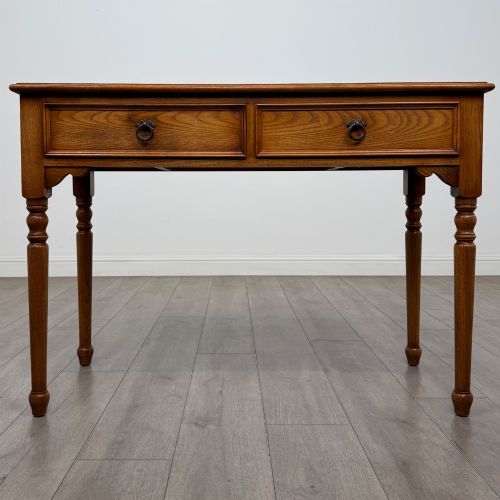
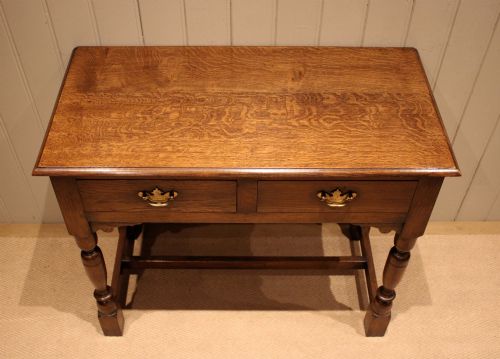
Makers utilised solid oak as the primary structural timber, sometimes complemented by burr walnut veneers or secondary woods like pine on estate pieces. Brass handles, key escutcheons, and leather writing inserts provide functional contrast to the heavy timber frames.
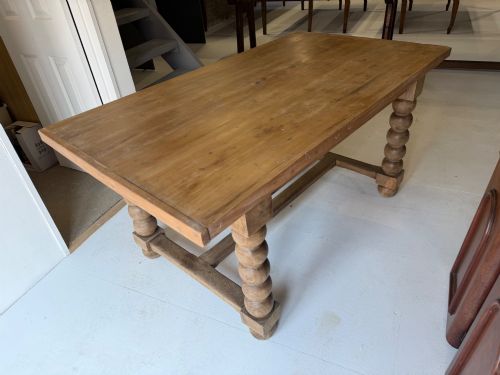
Joinery methods range from hand-carved linenfold panels and bobbin legs on nineteenth-century pieces to simpler panelled construction on 1920s and 1930s examples. Carving and turnery define the decorative vocabulary, anchoring the stylistic influences of Jacobean and Arts and Crafts movements.
Traditional Oak Writing Desk Retail Price Guide 2026
Typical asking prices for traditional oak writing desk among the pieces listed under this phrase on Sellingantiques today, from the lower quarter to the upper quarter. They describe what is for sale here now, not the wider market.
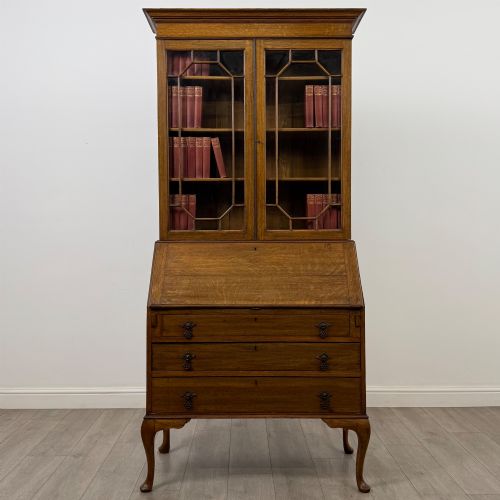
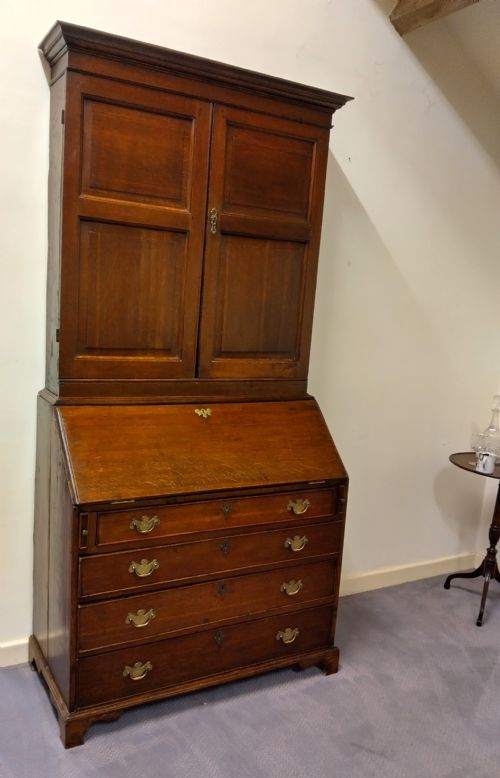
One early bureau bookcase arrives adapted for television use, proving old timber accommodates modern habits.
Judging Quality
Quality rests on the selection of the timber grain and the integrity of the original construction, such as solid oak panels versus applied decorative mouldings. Finer pieces demonstrate careful attention to internal drawer fittings, original brass hardware, and the crispness of carved details like linenfold panels.
Proportion and utility also separate standard utility furniture from finer workshop pieces, with well-balanced pedestal arrangements and fitted desk interiors commanding greater attention.
Heals of London
The Traditional Oak Writing Desk Glossary
- Bureau
- A desk featuring a sloping fall-front flap that opens to reveal internal compartments and pigeonholes for letters.
- Pedestal desk
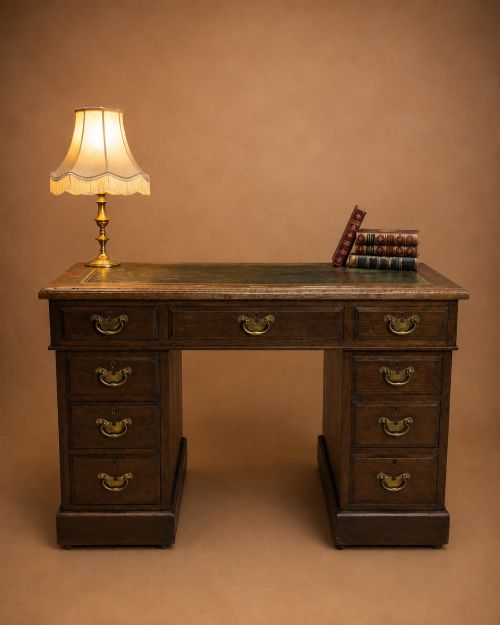
- A heavy freestanding writing desk comprising two banks of drawers supporting a single top surface.
- Linenfold
- A style of carved wooden panelling that resembles folded vertical folds of fabric.
- Kneehole desk
- A compact desk design featuring a recessed central space for the user's legs beneath a set of drawers.
Traditional Oak Writing Desk: Frequently Asked Questions
What is a bureau bookcase?
A bureau bookcase combines a writing desk with a shelved upper cabinet enclosed by doors.
This two-part form provides both workspace and enclosed storage for books and papers.
How do I care for an oak desk?
Keep wooden surfaces away from direct heat sources and moisture to protect the natural timber.
Apply traditional wax polish occasionally to nourish the grain and maintain the surface sheen.
Are these desks suitable for daily work?
Many period desks offer generous surface areas and functional drawer layouts suited to contemporary use.
Some variants include leather inserts and fitted compartments designed for writing implements.
How do I identify Arts and Crafts desks?
Arts and Crafts pieces emphasise honest construction, solid oak timber, and minimal applied ornament.
Hardware is often simple and functional, reflecting the handmade ethos of the movement.