
Solid Oak Writing Desk
A solid oak writing desk brings utilitarian integrity and honest grain directly into a study, offering a robust workspace built to endure.
Understanding the solid oak writing desk
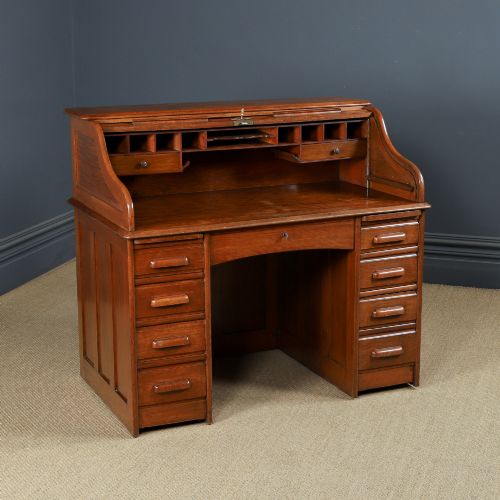
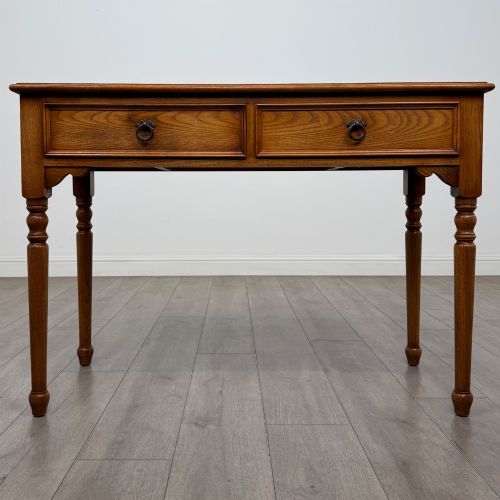
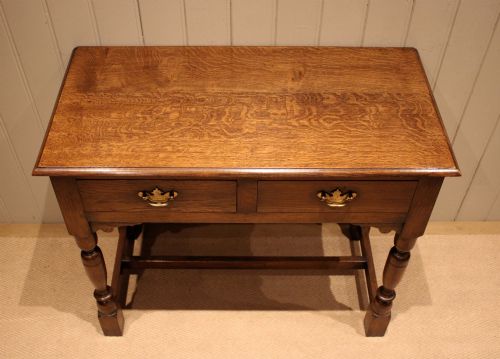
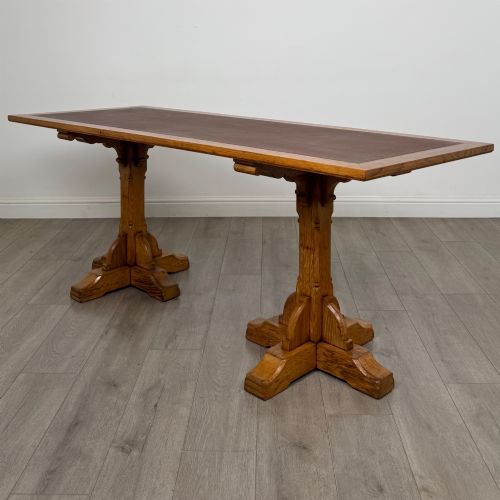
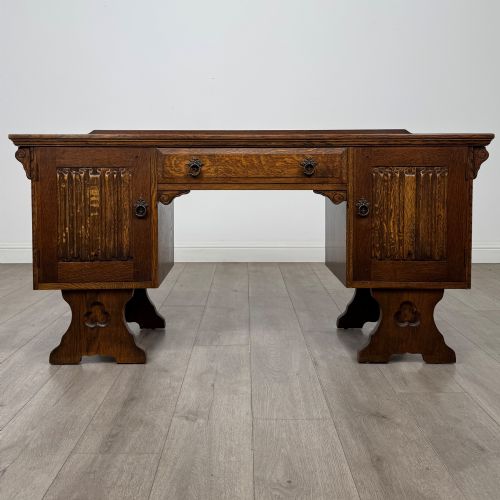
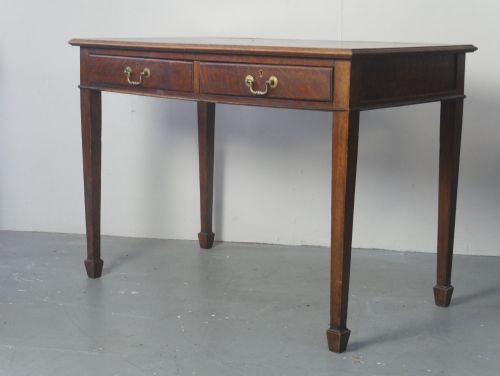
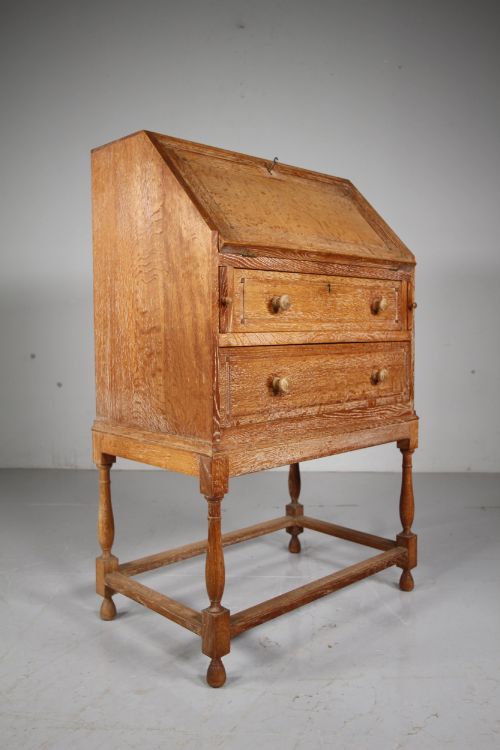
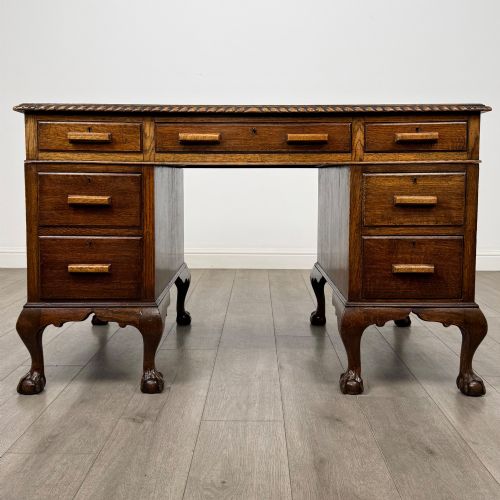
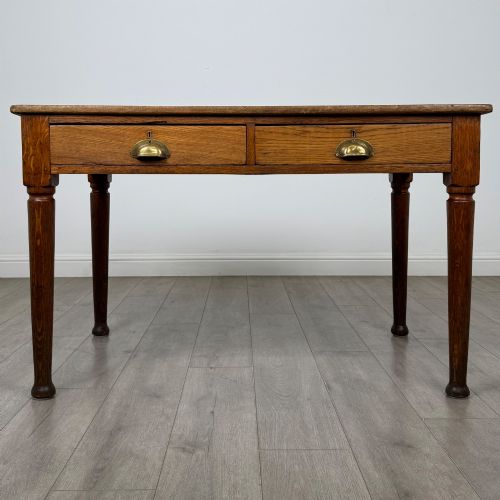
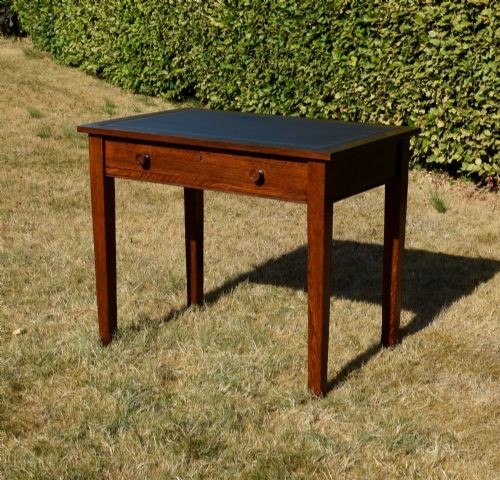
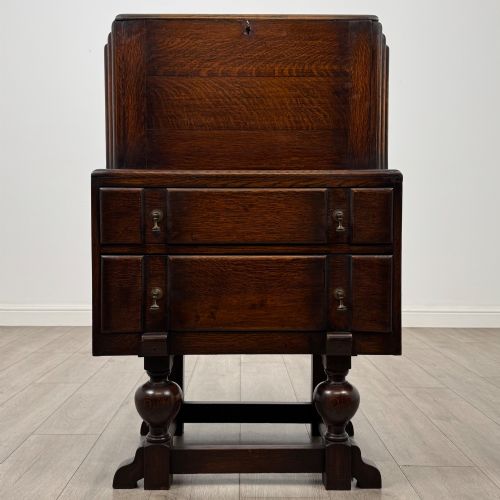
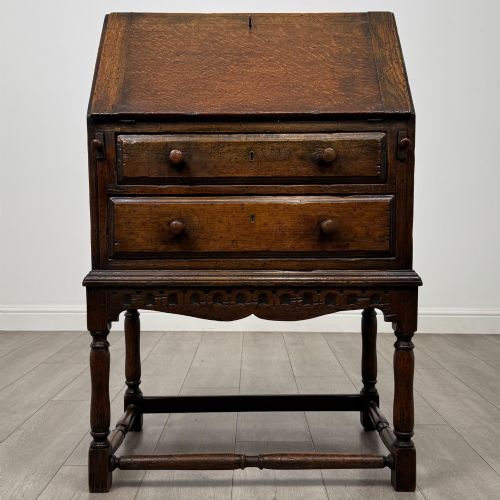
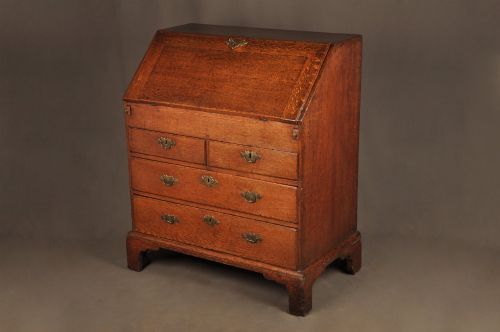
A solid oak writing desk encompasses various sturdy forms including library tables, side tables, and fitted bureaus designed for daily correspondence and study. These pieces span periods from the seventeenth century through the Edwardian era and nineteen hundred, reflecting shifting domestic habits.
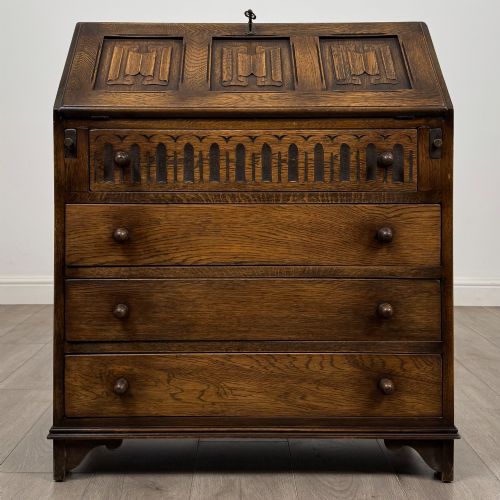
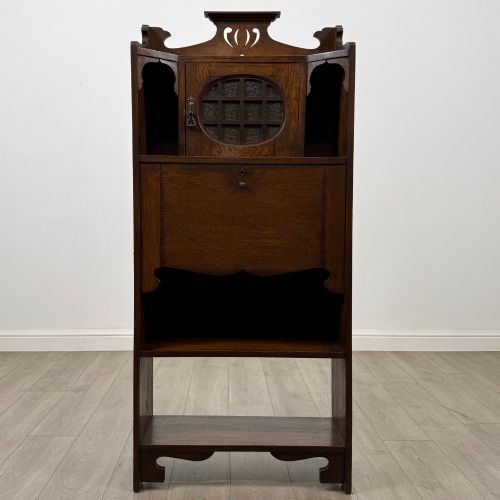
The Edwardian iterations and examples from nineteen hundred frequently appear alongside earlier seventeenth-century side tables and revival pieces. Buyers encounter both narrow writing bureaus with fall-down fronts and broad library tables suited to larger rooms.
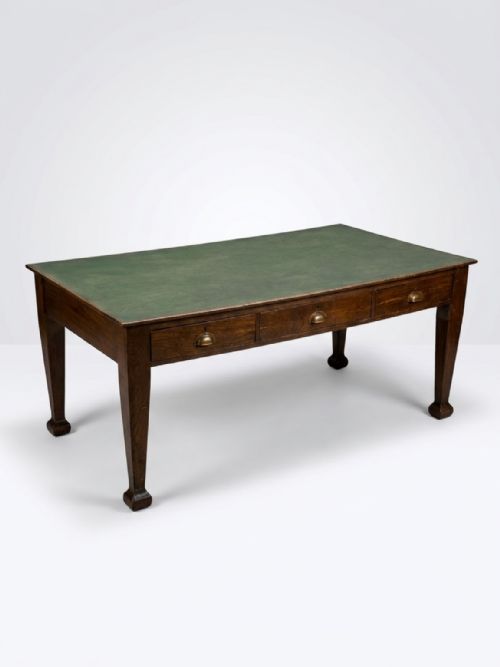
Jacobean Revival styles and Arts and Crafts designs dominate the aesthetic range, pairing straightforward construction with period character. Many incorporate practical additions such as leather tops and brass hardware to aid the writer.
Materials and construction methods
Carpenters utilised dense oak timber as the primary structural material, often complemented by contrasting brass handles and fitted leather writing surfaces. This combination provided both a durable writing plane and robust framing capable of supporting heavy use.
Joinery techniques ranged from traditional panel construction on seventeenth-century pieces to specialised mechanisms on Edwardian bureaus. Certain examples incorporate turned supports such as barley twists to articulate the legs.
Retail Price Guide 2026
Typical UK retail prices for solid oak writing desk, calculated from the Sellingantiques database of over a million retail prices indexed since 2003. This retail price guide relies exclusively on Sellingantiques data; no external sources or auction records are used, so the figures do not describe the wider market.
Barley twist supports offer a whimsical touch of architectural movement beneath an otherwise serious writing desk.
Distinctions in quality and execution
Superior examples demonstrate meticulous attention to timber selection and structural proportion, ensuring the heavy oak grain remains stable and pleasing to the eye. Finer pieces often integrate clever interior stationary fittings behind fall-down fronts rather than simple open compartments.
The refinement of brass hardware and the quality of inset leather writing surfaces further separate standard utility furniture from more distinguished commissions. Well-executed revival details and balanced turnings indicate a higher standard of workshop production.
The Solid Oak Writing Desk Glossary
- Bureau
- A desk featuring a sloping hinged flap that drops to create a writing surface while concealing internal compartments. This form keeps correspondence neatly organised.
- Fall down front
- The hinged writing flap on a bureau that drops forward for use. It covers the stationary fitted interior when closed.
- Jacobean Revival
- A nineteenth and twentieth-century style imitating seventeenth-century British furniture design. It utilises heavy proportions and dark oak.
- Barley twist
- A type of furniture leg turned in a spiral resembling a twisted rope. This decorative feature appears frequently on Edwardian pieces.
- Library table
- A large freestanding table utilised for reading and writing rather than dining. These pieces often feature generous proportions and sturdy oak construction.
Frequently Asked Questions
How do I identify an Edwardian solid oak desk?
Edwardian desks often feature lighter framing, Arts and Crafts influences, or simpler turned supports compared to heavier nineteenth-century examples. They frequently utilise brass handles and may present as narrow bureaus or library tables.
The use of quarter-sawn oak and specific Edwardian drawer construction helps distinguish these pieces from later reproductions.
What is a Jacobean Revival writing desk?
A Jacobean Revival desk mimics the heavy, dark styles of the seventeenth century while being manufactured in a later period. These pieces often showcase vigorous turning and panelled construction.
They offer the aesthetic weight of older furniture paired with the functional workspace required by later generations.
Were these desks used in offices?
Many solid oak desks served in government offices and private studies, designed specifically for intensive daily administrative work. Government contracts often specified robust leather tops and secure drawer configurations.
Over time, these utilitarian office pieces transitioned into domestic settings for household correspondence.
How should I care for a leather top?
Leather writing surfaces require gentle cleaning with a slightly damp cloth followed by occasional specialist leather conditioning to prevent cracking. Avoid harsh chemical cleaners that might strip the natural dye.
Keeping the leather nourished preserves the contrast between the dark oak frame and the writing plane.