


Early 18th Century Desk
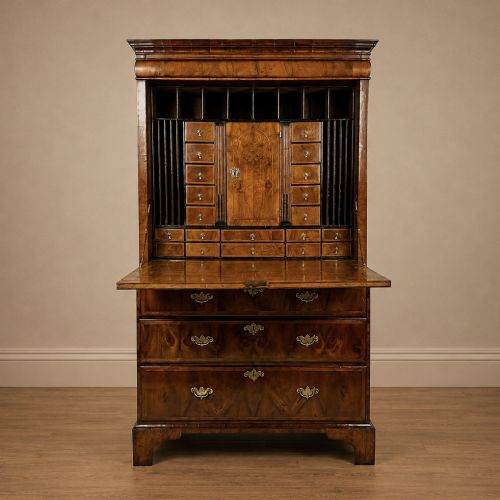
An early 18th century desk is a writing piece of history, offering fitted drawers and fine cabinetmaking to grace a home study.
Early 18th Century Desk
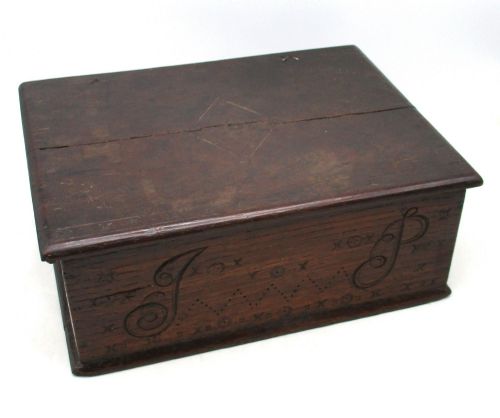
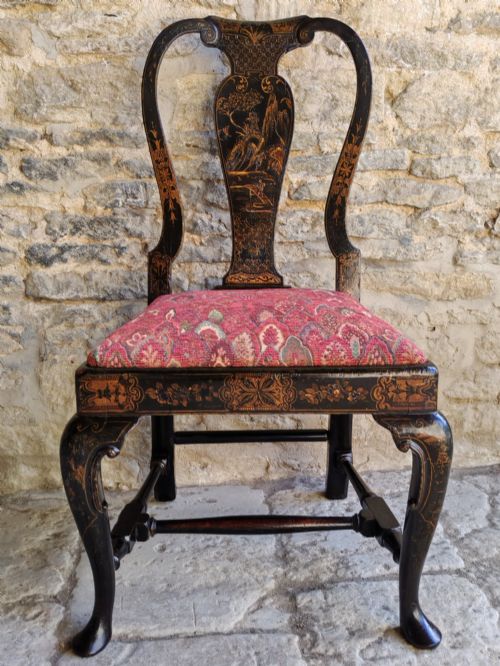
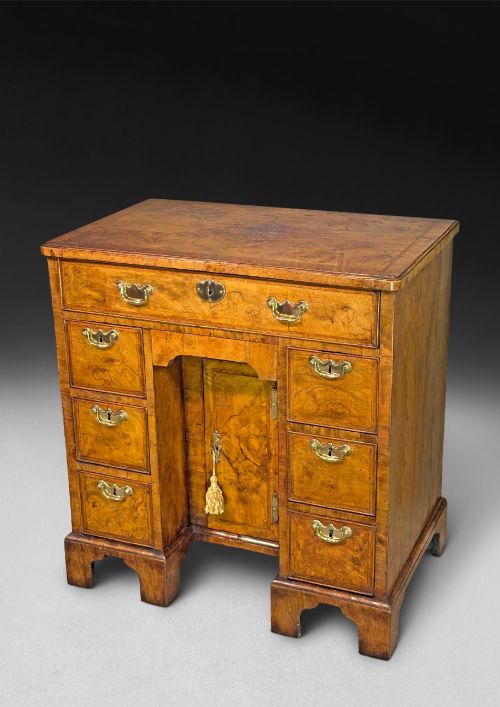
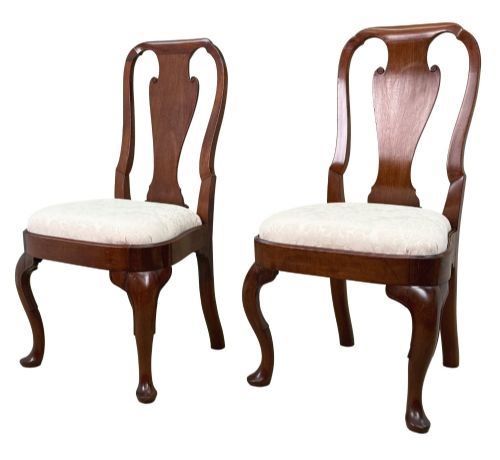
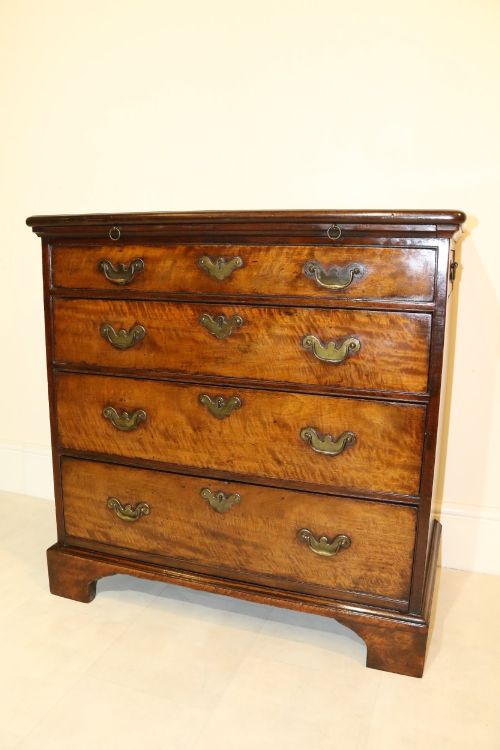
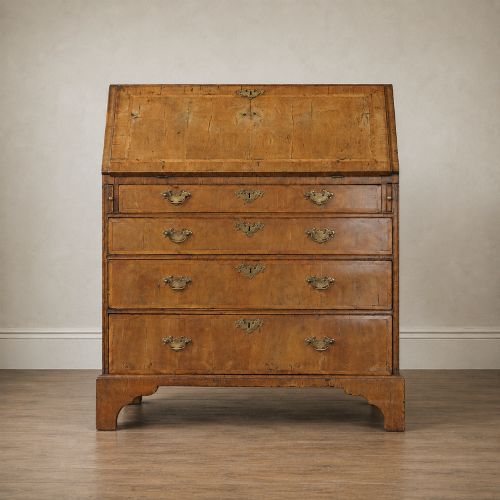
When you search for an early 18th century desk, you encounter robust writing furniture shaped by walnut, oak, and mahogany. These pieces span forms such as bureaux, kneehole desks, and escritoires dating from the Queen Anne and George I periods.
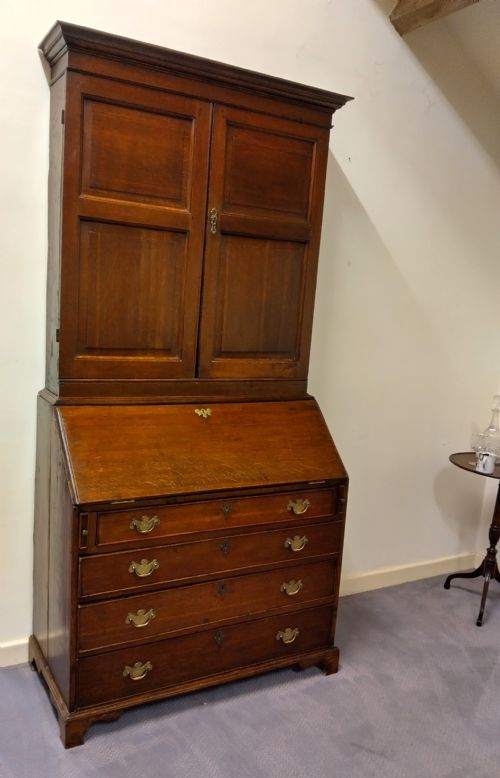
The version you are most likely to meet on this page is a walnut or oak bureau with a fall front opening to reveal pigeonholes and small drawers. Such examples embody the domestic workspace of the Georgian era.
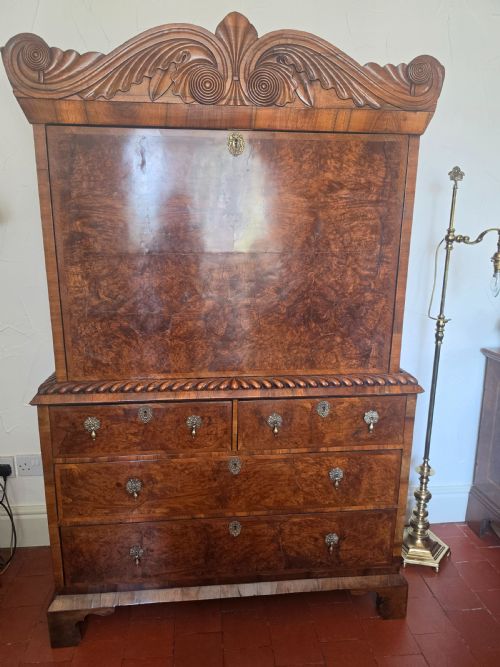
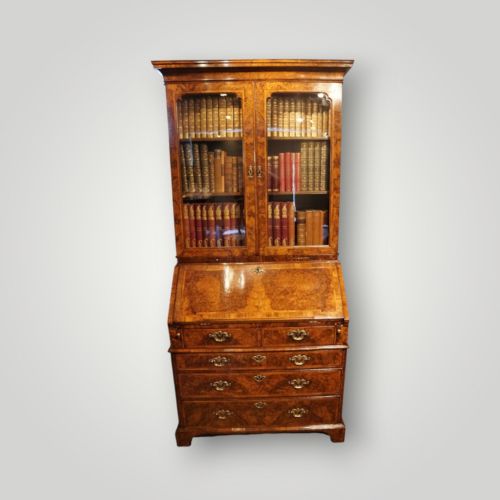
Beyond standard writing chests, the selection includes related forms like bureau bookcases and lowboys. These items reflect the domestic arrangements of their time, combining storage and writing surfaces.
What varies in quality
The choice of timber heavily influences the character of a piece, particularly the figured patterns found in burr walnut surfaces. Finer items display careful matching of wood grain across the drawer fronts and fall fronts.
The complexity of the interior fittings dictates the standing of a desk, separating simple writing boxes from elaborate bureau bookcases with secret compartments and candle slides.
Early 18th Century Desk Retail Price Guide 2026
Typical asking prices for early 18th century desk among the pieces listed under this phrase on Sellingantiques today, from the lower quarter to the upper quarter. They describe what is for sale here now, not the wider market.
The listings on this page feature pieces from the 17th, 18th, and 19th centuries, executed in walnut, oak, mahogany, and brass.
The Early 18th Century Desk Glossary
- Bureau
- A sloping front desk enclosing fitted drawers and pigeonholes. It serves as a compact writing cabinet.
- Escritoire
- A tall writing cabinet featuring a fall front writing flap and internal drawers. It provides vertical storage for papers and valuables.
- Kneehole desk
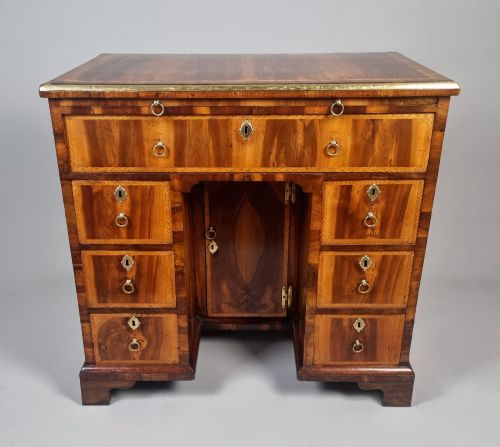
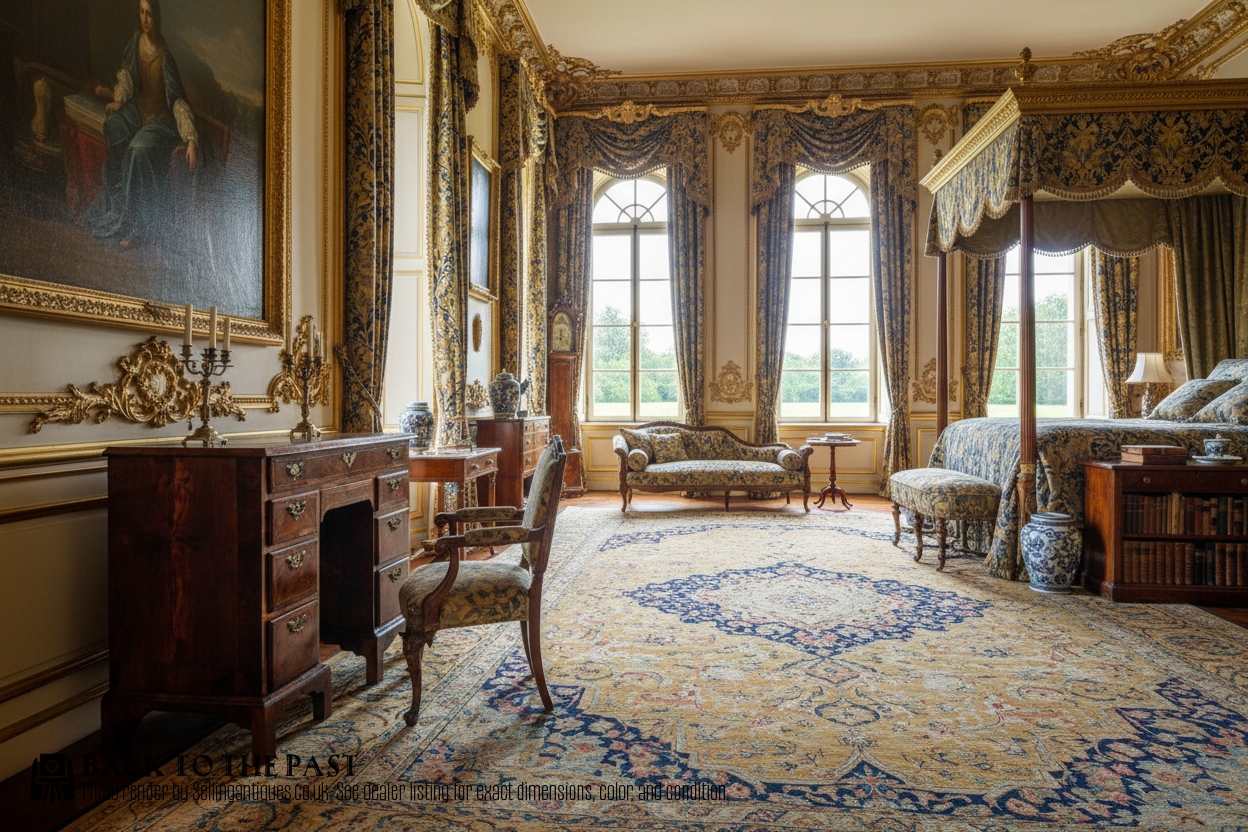
- A flat-topped writing table with a central recessed space flanked by pedestals of drawers. It offers a structured space for seated work.
- Lowboy
- A small dressing or side table with drawers, standing on four legs. It often complements the style of contemporary desks.
- Burr walnut
- Wood taken from the growth excrescences of walnut trees, yielding highly decorative swirling grain patterns. Cabinetmakers used it for high-status veneered surfaces.
Early 18th Century Desk: Frequently Asked Questions
How do I identify a bureau bookcase?
A bureau bookcase combines a sloping desk compartment at the base with a glazed or panelled shelving cabinet above. They often feature candle slides beneath the upper doors.
These taller pieces were built in sections to facilitate movement within homes. The interior typically includes small drawers and pigeonholes for organisation.
Where should I place a kneehole desk?
A kneehole desk fits well in a study, library, or living area as a functional workspace or side table. Because finished timber was used on all sides of finer examples, they can stand away from walls.
Ensure the placement protects the antique wood from direct sunlight and extreme temperature changes. This preserves the polish and prevents timber movement.
How do I distinguish walnut from oak pieces?
Walnut furniture often displays rich, dark brown tones with intricate grain patterns, sometimes enhanced by burr veneers. Oak pieces tend to have a lighter, golden-brown hue with visible medullary rays in the grain structure.
Oak was frequently utilised for robust provincial furniture and early document boxes. Walnut became the preferred choice for fashionable, high-status urban cabinetmaking.