

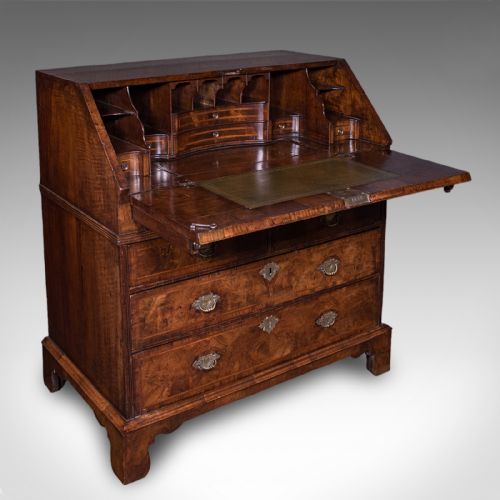


English Walnut Bureau
An English walnut bureau brings warmth and understated utility to a room through figured timbers and hinged fall fronts designed for correspondence.
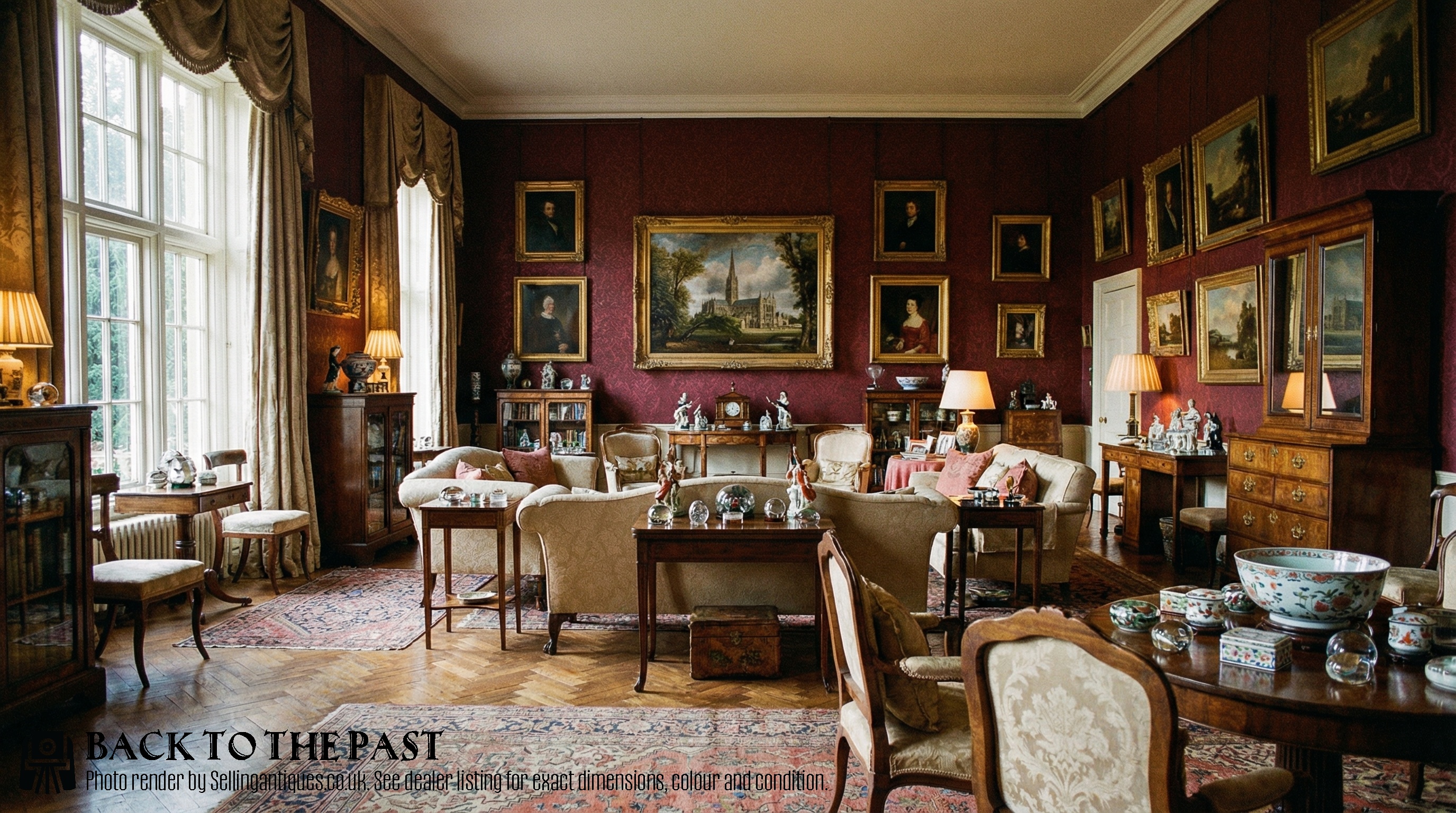
English Walnut Bureau
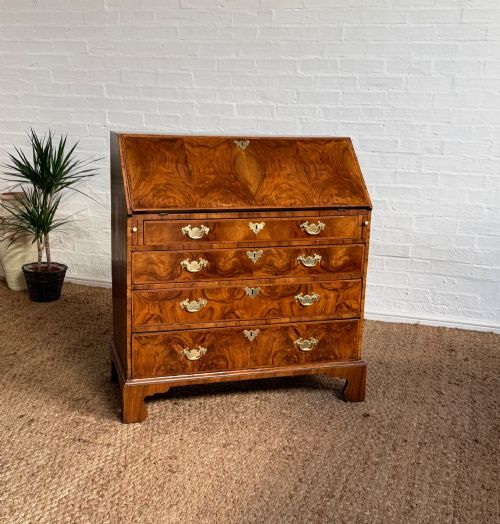
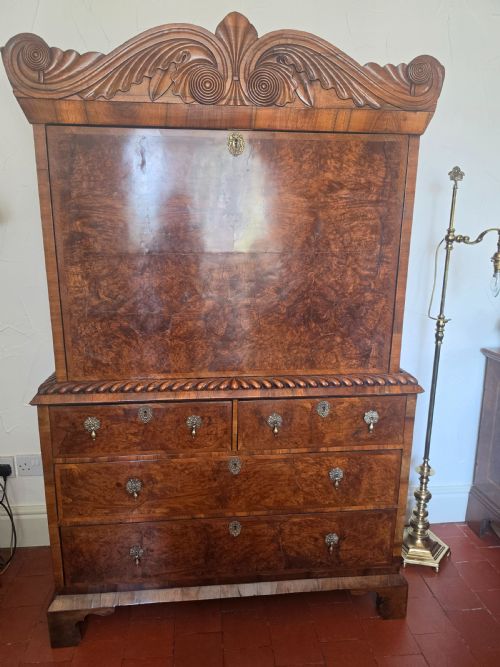
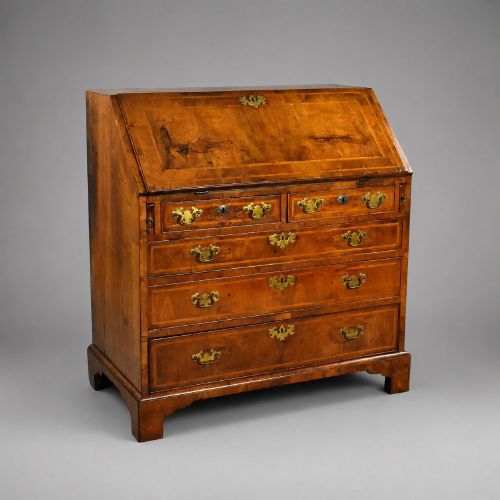
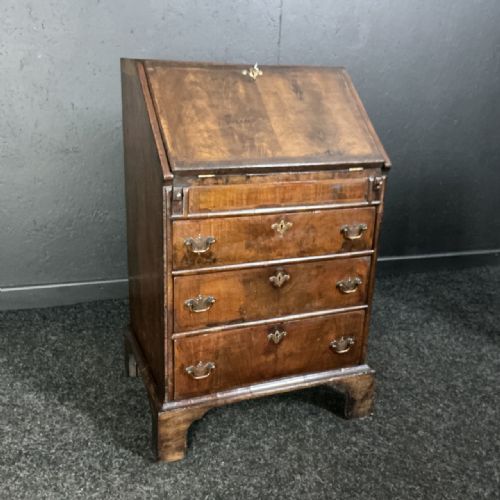
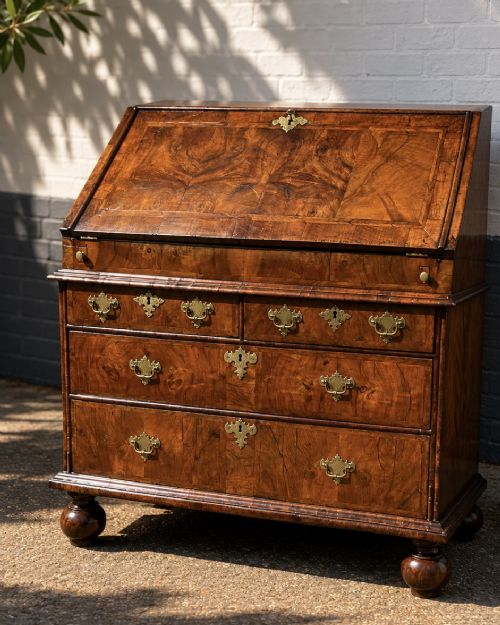
When searching for an english walnut bureau, a buyer encounters writing furniture spanning several centuries, ranging from seventeenth-century William and Mary escritoires to eighteenth-century Georgian fall-front desks and bureau bookcases.
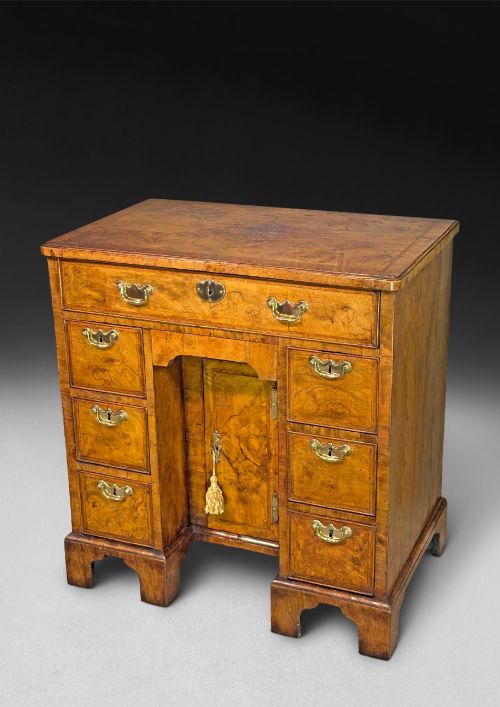
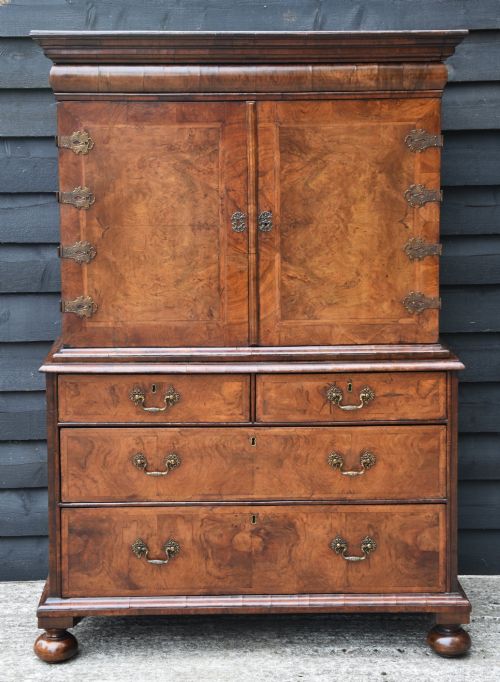
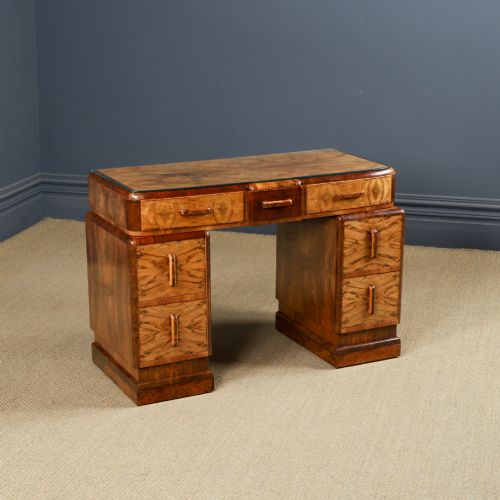
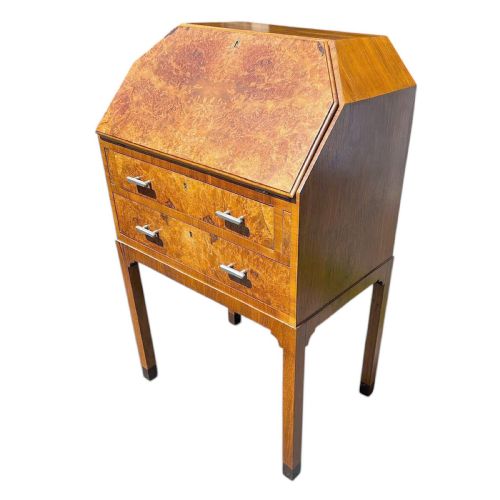
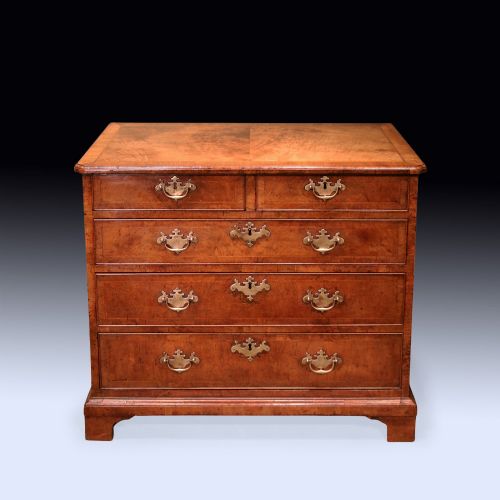
The pieces on this page appear in various formats, including compact kneehole desks, tall cabinets, and later twentieth-century Art Deco cloud-shaped writing desks.
Early examples often display Queen Anne or George I characteristics, while later iterations stretch into Victorian davenports and Edwardian revivals.

Materials and Construction
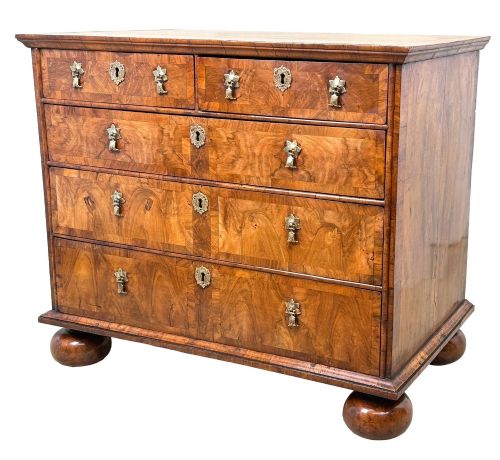
Cabinet makers utilised solid timbers alongside finely cut veneers of walnut and burr walnut laid over secondary woods such as oak, creating rich grain patterns across the fall fronts and drawer facades.
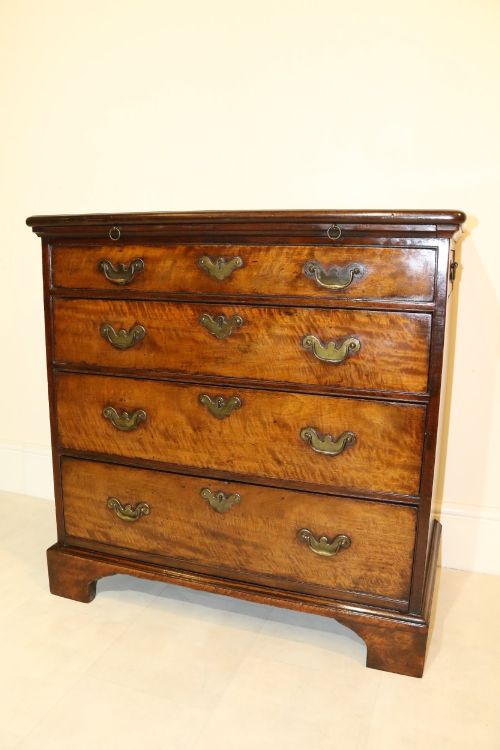
Brass hardware, including drop handles and escutcheons, provides functional contrast to the dark timber, while specialised interiors frequently incorporate leather writing surfaces, pigeonholes, and small secret drawers.
English Walnut Bureau Retail Price Guide 2026
Typical asking prices for english walnut bureau among the pieces listed under this phrase on Sellingantiques today, from the lower quarter to the upper quarter. They describe what is for sale here now, not the wider market.
Some nineteenth-century writing desks incorporate secret compartments hidden behind sliding pigeonholes for storing small valuables.
Judgement of Quality
The standard of a piece rests upon the selection of the timber veneers, where symmetrical figuring and careful matching across drawers distinguish finer examples from plain surfaces.
Construction details such as feather-banded borders, patination developed over centuries, and the retention of original brasses and internal configurations dictate the standing of individual desks.
The English Walnut Bureau Glossary
- Fall front
- A hinged writing flap that drops down to provide a horizontal leather or wood-lined surface for correspondence. When closed, it conceals the internal pigeonholes and small drawers.
- Burr walnut
- A prized timber derived from the abnormal growth knots of walnut trees, yielding complex swirling grain patterns. Cabinet makers utilised these veneers to adorn the principal facades of desks.
- Kneehole desk
- A compact writing table featuring a central recess for the legs, flanked by pedestals of small drawers. This form became popular during the late seventeenth and early eighteenth centuries.
- Escritoire
- A tall writing cabinet originating in the seventeenth century, possessing a fall-front desk compartment enclosed by upper doors. It combines storage with a dedicated workspace.
English Walnut Bureau: Frequently Asked Questions
What is a walnut bureau?
A walnut bureau is a writing cabinet featuring a sloping or hinged fall front that opens to reveal a fitted interior of small drawers and pigeonholes. These desks evolved from seventeenth-century escritoires into standard domestic furniture during the Georgian era.
They provide enclosed workspace and drawer storage, often standing on bracket feet or bun feet. The form ranges from small kneehole variants to towering bureau bookcases.
How do I date an English walnut bureau?
Dating relies on examining the construction methods, hardware types, and prevailing styles visible in the piece. Early eighteenth-century examples from the Queen Anne and George I periods typically employ distinct walnut veneers, feather-banding, and specific drawer linings.
Later Victorian and Edwardian items often revive these earlier aesthetics while utilising machine-cut elements or differing internal woods. Art Deco versions from the nineteen-thirties introduce streamlined shapes and burr walnut veneers.
Where were these bureaus placed?
In historical homes, these desks occupied private studies, withdrawing rooms, or master bedrooms where correspondence and household accounts were managed. Their enclosed fronts allowed owners to conceal unfinished letters and private documents quickly.
Today, they function effectively in modern home offices, living rooms, or hallways as both workspace and display storage.
What is feather-banding?
Feather-banding is a decorative inlay technique where thin strips of veneer are cut and laid diagonally to form a herringbone pattern around the borders of drawer fronts or panels. It frames the figured walnut timber of early desks.
This meticulous detail requires high woodworking skill and serves as an indicator of finer craftsmanship during the seventeenth and eighteenth centuries.